
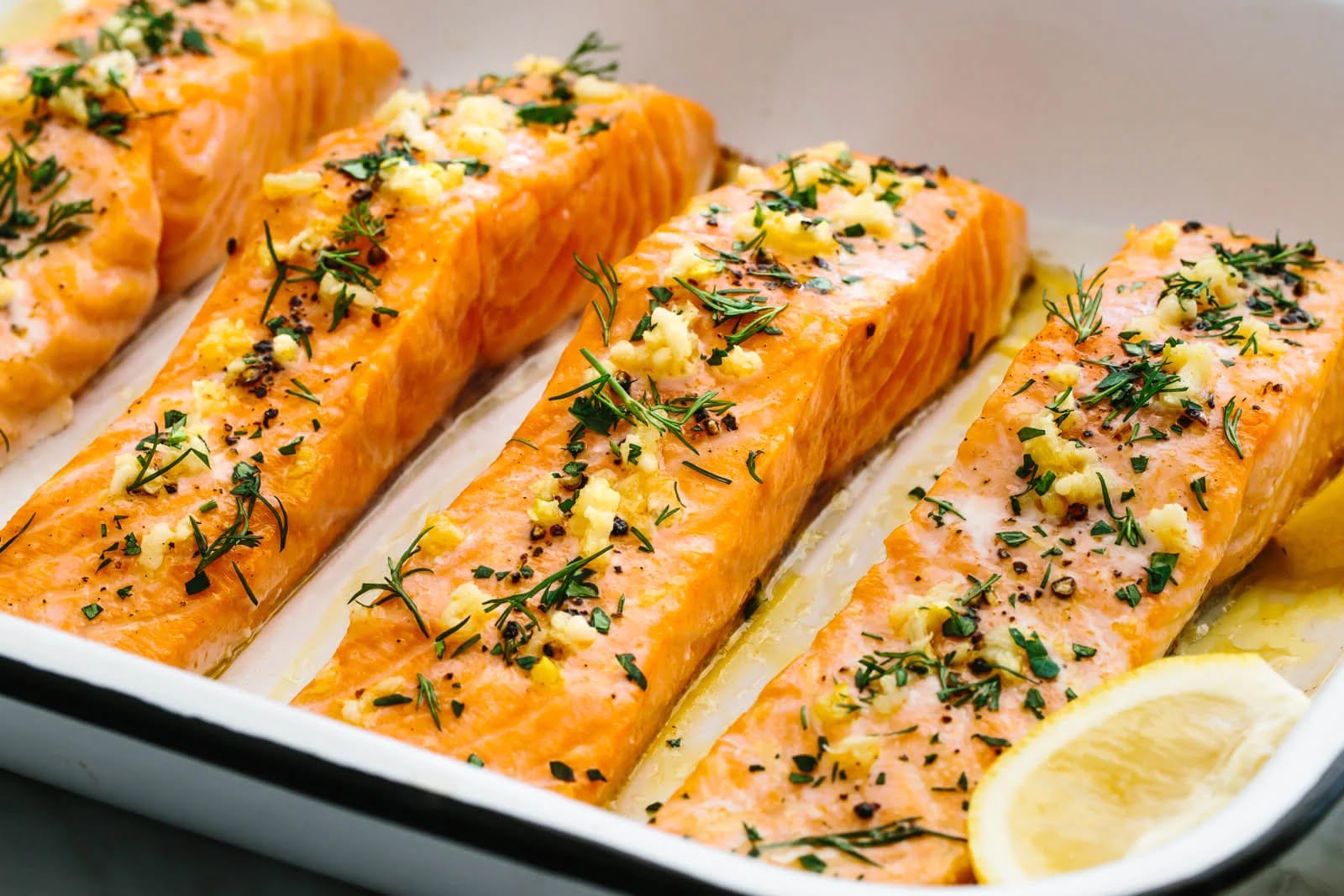
Pan-seared salmon is a simple yet elegant dish that brings out the natural flavors of the fish. With a crispy skin and tender, flaky flesh, this recipe is perfect for a quick weeknight dinner or a special occasion. The key to achieving the perfect sear lies in using the right technique and high-quality ingredients.
The ingredients for this recipe are quite straightforward and commonly found in most kitchens. However, if you don't usually cook fish at home, you might need to visit the supermarket to get fresh salmon fillets. Make sure to choose fillets with the skin on, as this helps achieve a crispy texture. Additionally, using good quality olive oil will enhance the overall flavor of the dish.
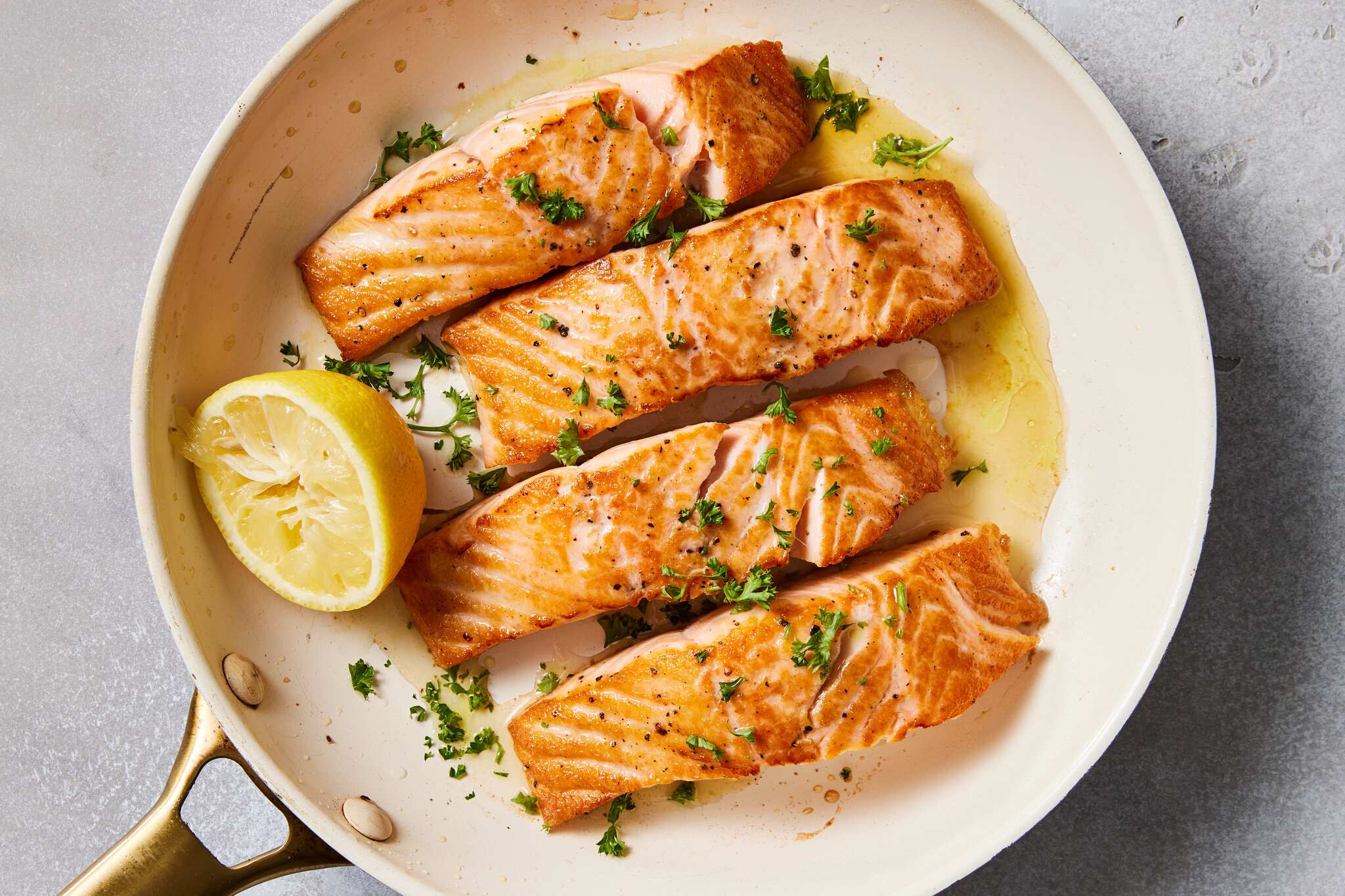
Ingredients For Pan-Seared Salmon Recipe
Salmon: Fresh fillets with the skin on are essential for achieving a crispy texture and rich flavor.
Olive oil: A high-quality olive oil is crucial for searing the salmon and adding a subtle, fruity flavor.
Salt: Enhances the natural taste of the salmon and helps in forming a crispy skin.
Black pepper: Adds a mild heat and depth of flavor to the dish.
Technique Tip for Perfect Salmon
To achieve perfectly crispy salmon skin, make sure the fillets are thoroughly dried before seasoning. Moisture on the skin can cause it to steam rather than sear, preventing that desirable crispiness. Additionally, press down gently on the fillets with a spatula for the first minute of cooking to ensure even contact with the hot skillet. This helps the skin render its fat and become beautifully crisp.
Suggested Side Dishes
Alternative Ingredients
salmon - Substitute with trout: Trout has a similar texture and flavor profile, making it a great alternative for pan-searing.
salmon - Substitute with arctic char: Arctic char has a rich, fatty texture similar to salmon, providing a comparable taste and mouthfeel.
olive oil - Substitute with grapeseed oil: Grapeseed oil has a high smoke point and a neutral flavor, making it suitable for pan-searing fish.
olive oil - Substitute with canola oil: Canola oil is another neutral oil with a high smoke point, perfect for achieving a crispy skin on the fish.
salt - Substitute with sea salt: Sea salt can provide a slightly different mineral flavor and texture, enhancing the overall taste of the dish.
salt - Substitute with kosher salt: Kosher salt has larger, coarser grains that can add a different texture and flavor distribution.
black pepper - Substitute with white pepper: White pepper offers a milder, slightly different flavor profile that can complement the fish without overpowering it.
black pepper - Substitute with lemon pepper: Lemon pepper adds a citrusy note along with the peppery heat, enhancing the flavor of the fish.
Alternative Recipes Similar to This
How to Store or Freeze Your Salmon
- Allow the salmon to cool to room temperature before storing. This prevents condensation, which can make the fish soggy.
- Wrap each fillet individually in plastic wrap or aluminum foil to maintain freshness and prevent odors from spreading.
- Place the wrapped salmon fillets in an airtight container or a resealable plastic bag. This adds an extra layer of protection against freezer burn.
- Label the container or bag with the date to keep track of how long the salmon has been stored.
- Store the salmon in the refrigerator if you plan to eat it within 3 days. For longer storage, place it in the freezer where it can last up to 3 months.
- When ready to eat, thaw frozen salmon in the refrigerator overnight. Avoid thawing at room temperature to prevent bacterial growth.
- Reheat the salmon gently in a skillet over low heat or in the oven at 300°F (150°C) until warmed through. This helps retain its moisture and flavor.
- For a quick meal, flake the salmon and add it to salads, pasta, or soups. This versatile fish can enhance a variety of dishes.
- If you prefer a cold dish, enjoy the salmon straight from the fridge in a salmon salad or as a topping for bagels with cream cheese and capers.
How to Reheat Leftovers
Oven Method:
- Preheat your oven to 275°F (135°C).
- Place the salmon fillets on a baking sheet lined with parchment paper.
- Cover the fillets loosely with aluminum foil to prevent them from drying out.
- Heat in the oven for about 15 minutes or until the salmon is warmed through.
Stovetop Method:
- Heat a non-stick skillet over medium-low heat.
- Add a small amount of olive oil or butter to the skillet.
- Place the salmon fillets skin-side down in the skillet.
- Cover the skillet with a lid and heat for about 5-7 minutes, flipping halfway through, until the salmon is warmed through.
Microwave Method:
- Place the salmon fillets on a microwave-safe plate.
- Cover the fillets with a damp paper towel to retain moisture.
- Microwave on medium power for 1-2 minutes, checking every 30 seconds, until the salmon is warmed through.
Steaming Method:
- Fill a pot with a small amount of water and bring it to a simmer.
- Place a steamer basket over the pot and lay the salmon fillets inside.
- Cover the pot with a lid and steam for about 5-7 minutes or until the salmon is warmed through.
Sous Vide Method:
- Preheat your sous vide machine to 125°F (52°C).
- Place the salmon fillets in a vacuum-sealed bag or a resealable plastic bag using the water displacement method.
- Submerge the bag in the water bath and heat for about 20-30 minutes until the salmon is warmed through.
Best Tools for Cooking Salmon
Skillet: A flat-bottomed pan used for frying, searing, and browning foods. Essential for achieving a crispy skin on the salmon.
Spatula: A tool with a broad, flat, flexible blade used to flip the salmon fillets without breaking them.
Paper towel: Used to pat the salmon fillets dry, which helps in achieving a crispy skin.
Tongs: Handy for flipping the salmon fillets in the skillet.
Measuring spoons: Used to measure out the olive oil, salt, and black pepper accurately.
Plate: For letting the salmon rest after cooking.
Stove: Provides the heat source for cooking the salmon in the skillet.
Timer: Helps in keeping track of the cooking time to ensure the salmon is perfectly cooked.
How to Save Time on This Recipe
Pat the salmon dry: Ensure the salmon fillets are thoroughly dried with a paper towel to achieve a crispy skin faster.
Preheat the skillet: Heat the olive oil in the skillet before adding the salmon to reduce cooking time.
Season in advance: Season the salmon with salt and black pepper ahead of time to let the flavors penetrate.
Use a timer: Set a timer for each cooking step to avoid overcooking and ensure efficiency.
Rest before serving: Let the salmon rest for a minute after cooking to allow the juices to redistribute.
Pan-Seared Salmon Recipe
Ingredients
Main Ingredients
- 2 fillets Salmon skin-on
- 1 tablespoon Olive oil
- 1 teaspoon Salt
- 1 teaspoon Black pepper
Instructions
- 1. Pat the salmon fillets dry with a paper towel. Season both sides with salt and black pepper.
- 2. Heat the olive oil in a skillet over medium-high heat.
- 3. Place the salmon fillets skin-side down in the skillet. Cook for 4-5 minutes until the skin is crispy.
- 4. Flip the fillets and cook for another 3-4 minutes until the salmon is cooked through.
- 5. Remove from heat and let rest for a minute before serving.
Nutritional Value
Keywords
Suggested Appetizers and Desserts
More Amazing Recipes to Try 🙂
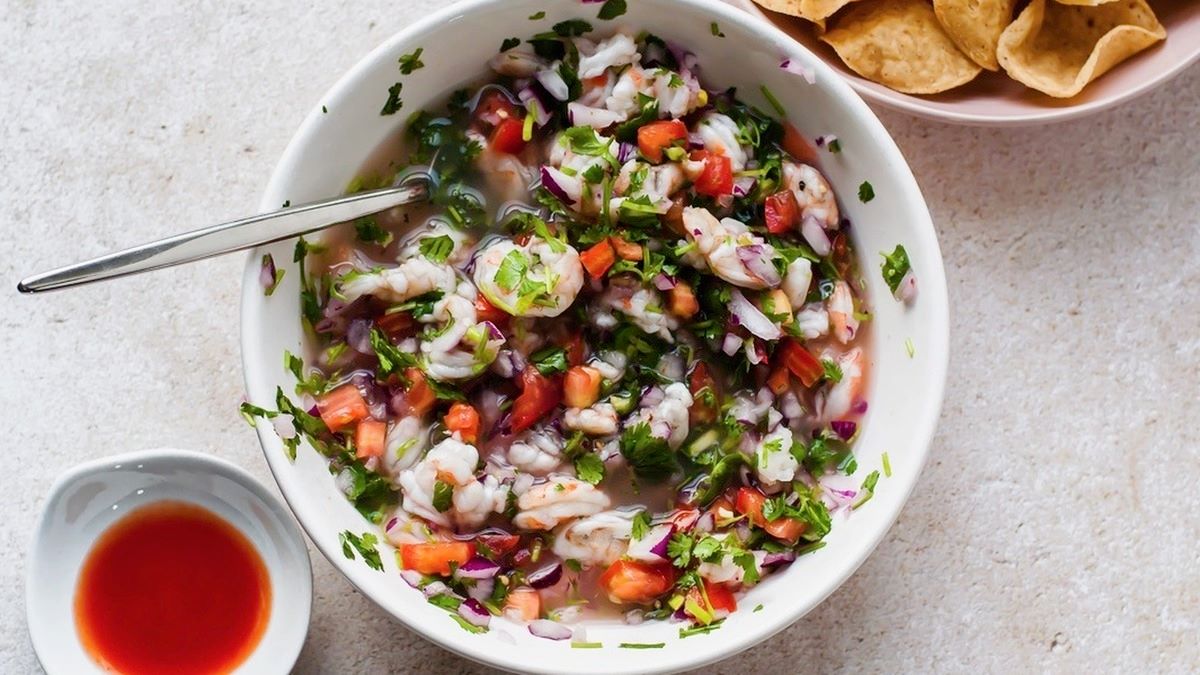
- Mexican Ceviche Recipe20 Minutes
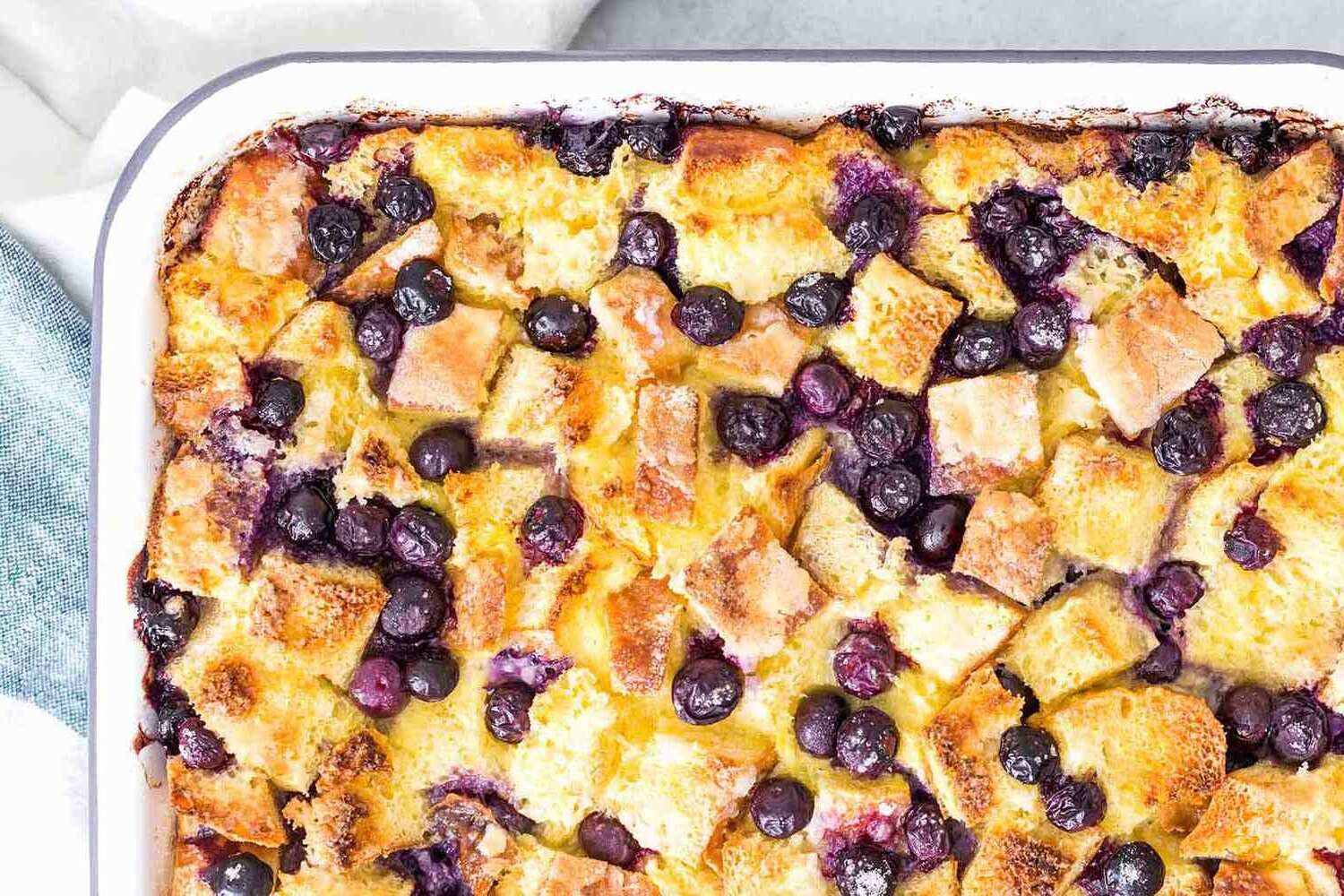
- Overnight Blueberry French Toast Casserole Recipe1 Hours
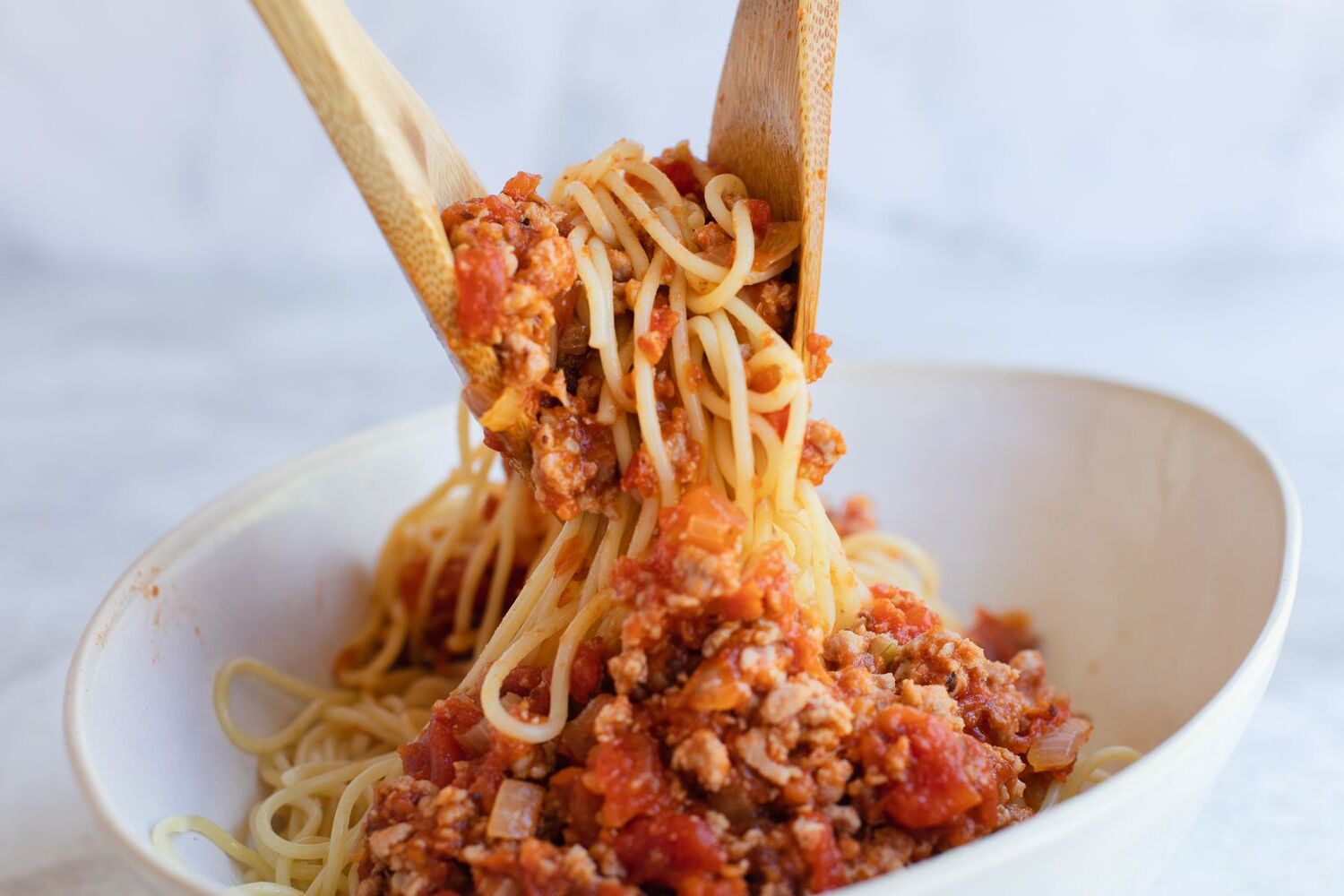
- Spaghetti Italian Recipe35 Minutes
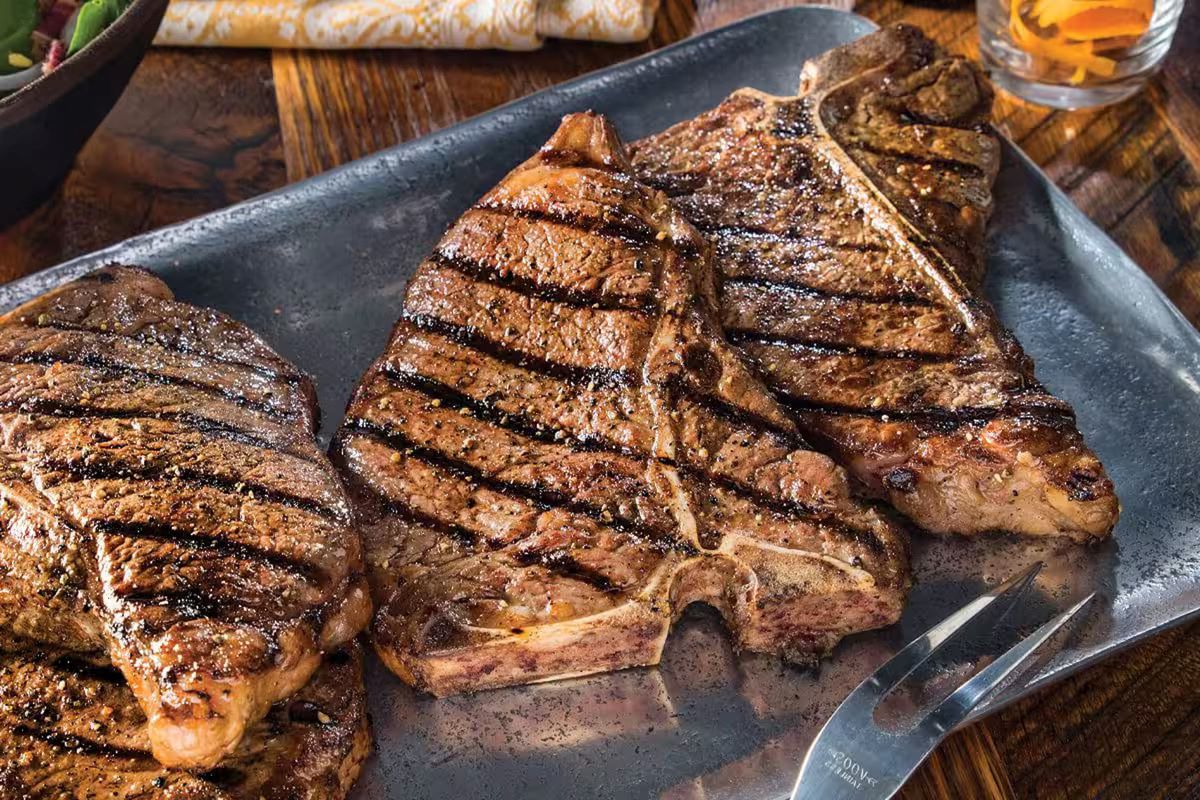
- T-Bone Steak Marinade Recipe25 Minutes
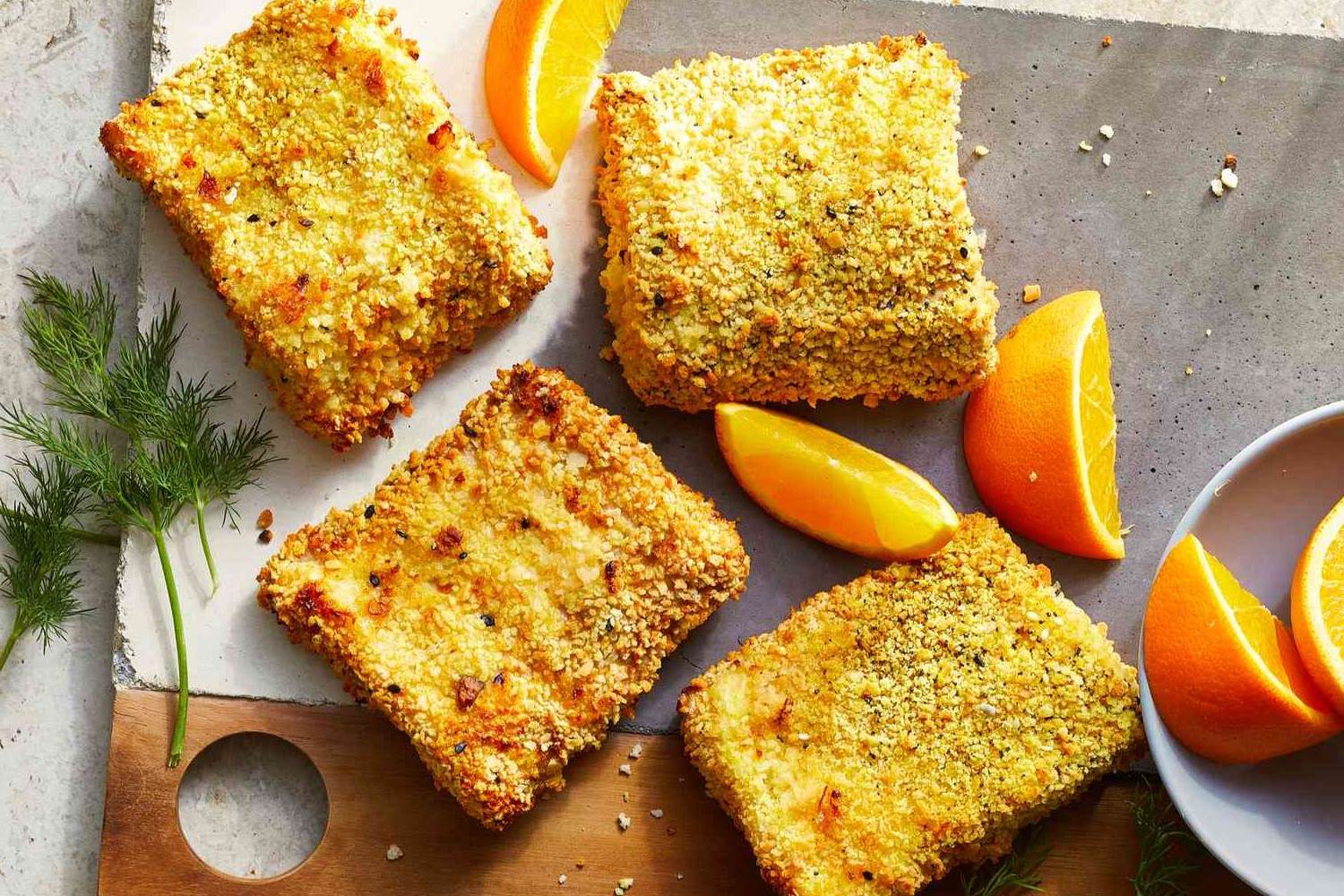
- Baked Mahi Mahi Recipe30 Minutes
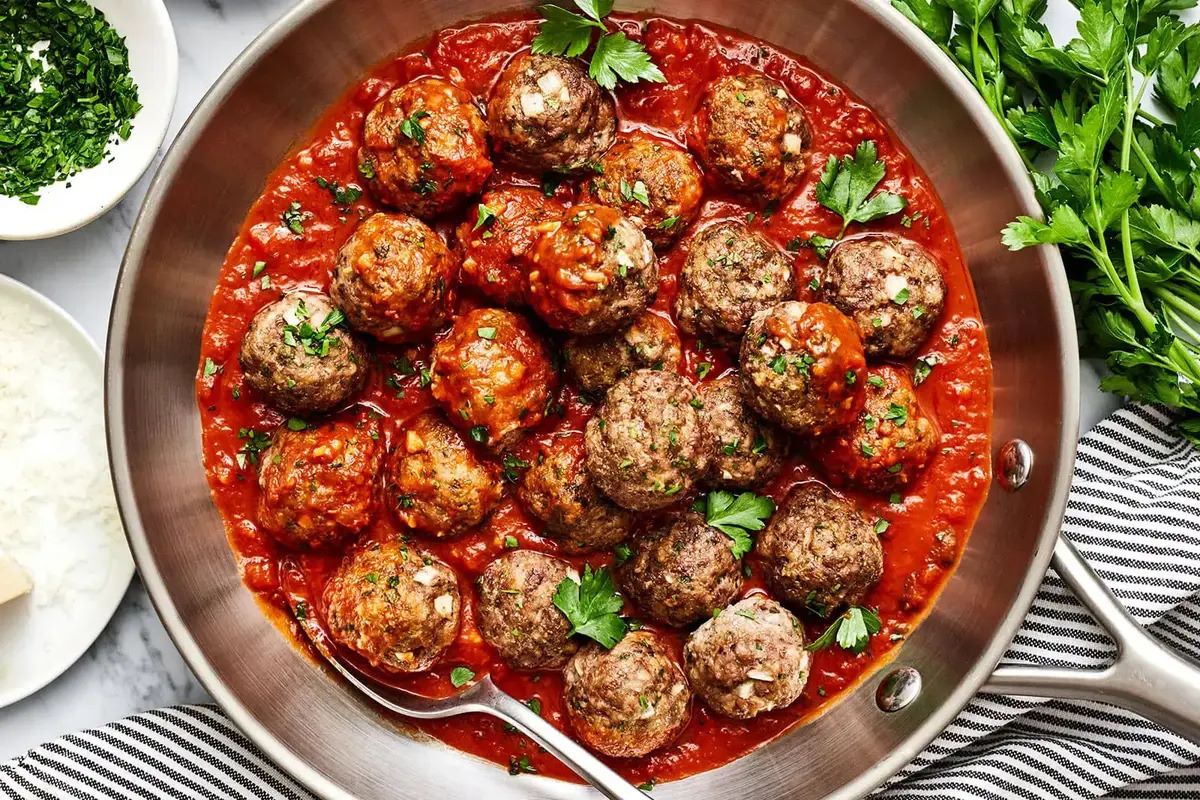
- Meatballs Recipe45 Minutes
- Lemon Lavender Shortbread Cookies Recipe35 Minutes
- Mexican Sopes Recipe50 Minutes


Leave a Reply