
Discover the simplicity and elegance of steamed bok choy with this delightful recipe. This dish highlights the natural flavors of bok choy, enhanced by a savory sauce that combines soy sauce, sesame oil, garlic, and ginger. Perfect as a side dish or a light main course, this recipe is both quick to prepare and packed with nutrients. Whether you're a seasoned cook or a kitchen novice, this dish is sure to impress with its vibrant taste and minimal ingredients.
While most of the ingredients in this recipe are pantry staples, baby bok choy might not be as commonly found in every household. When visiting the supermarket, look for fresh, crisp heads of baby bok choy with bright green leaves and firm white stalks. If you can't find baby bok choy, regular bok choy can be used as a substitute, though the cooking time may need slight adjustment. Additionally, ensure you have sesame oil on hand, as its distinct nutty flavor is key to the sauce.
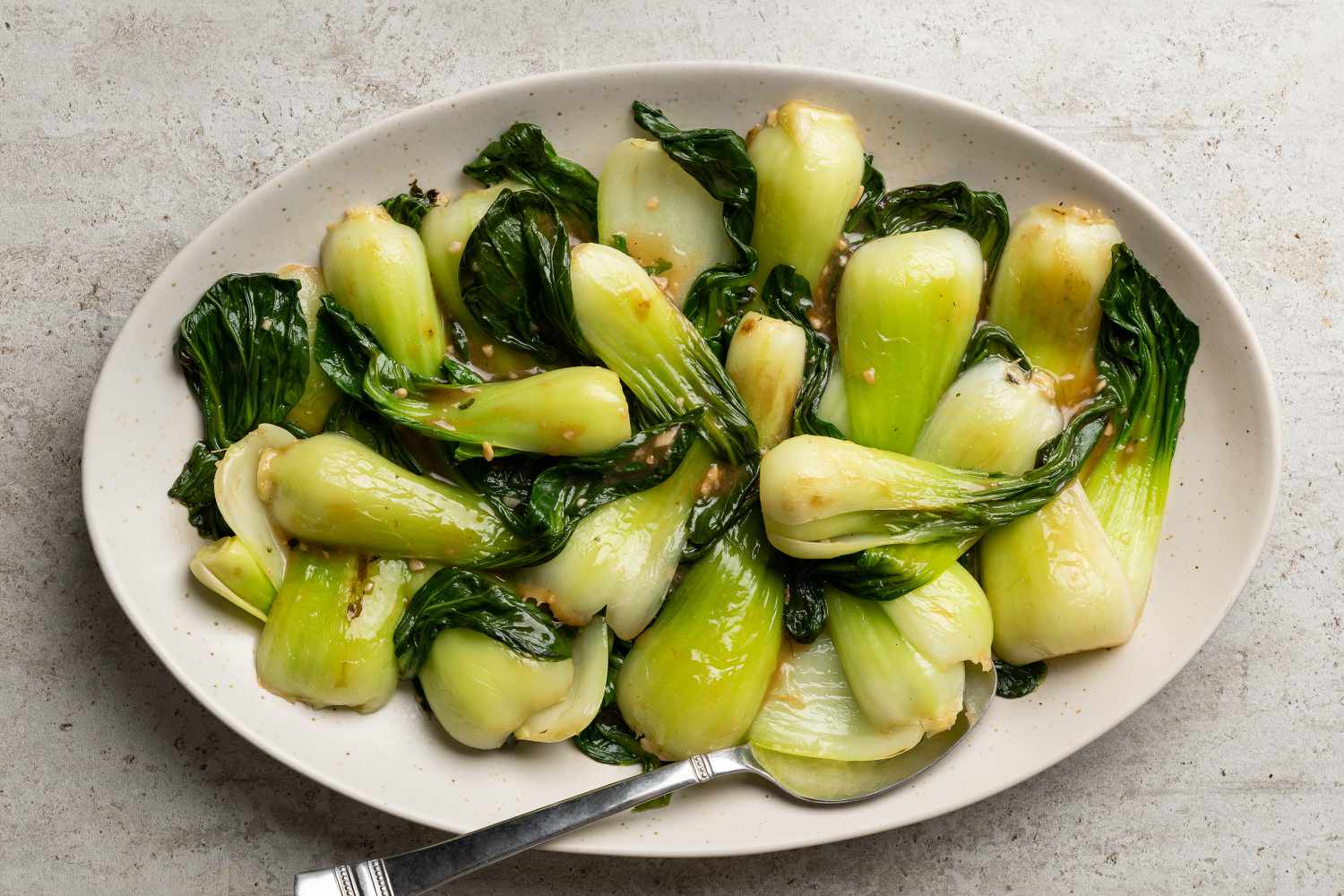
Ingredients For Steamed Bok Choy Recipe
Baby bok choy: A type of Chinese cabbage with tender leaves and a mild, sweet flavor. It's the star of this dish.
Soy sauce: A salty, umami-rich sauce made from fermented soybeans, used to enhance the flavor of the dish.
Sesame oil: A fragrant oil derived from sesame seeds, adding a nutty aroma and depth to the sauce.
Garlic: A pungent, aromatic bulb used to add a robust flavor to the sauce.
Ginger: A spicy, aromatic root that adds warmth and complexity to the sauce.
Salt: A mineral used to enhance and balance the flavors of the dish.
Technique Tip for Preparation
When preparing bok choy, ensure you rinse it thoroughly under cold water to remove any dirt or grit that may be trapped between the leaves. For a more even cook, cut the bok choy in half lengthwise, allowing the steam to penetrate the thicker stems. To enhance the flavor of the sauce, consider lightly toasting the sesame oil in a pan before mixing it with the soy sauce, garlic, and ginger. This will bring out a nutty aroma and add depth to the dish.
Suggested Side Dishes
Alternative Ingredients
baby bok choy - Substitute with napa cabbage: Napa cabbage has a similar mild flavor and tender texture, making it a good alternative for steaming.
baby bok choy - Substitute with Swiss chard: Swiss chard offers a slightly earthy taste and similar leafy texture, suitable for steaming.
soy sauce - Substitute with tamari: Tamari is a gluten-free alternative with a similar umami flavor profile.
soy sauce - Substitute with coconut aminos: Coconut aminos provide a soy-free option with a slightly sweeter taste.
sesame oil - Substitute with olive oil: Olive oil can be used for its mild flavor, though it lacks the nutty aroma of sesame oil.
sesame oil - Substitute with peanut oil: Peanut oil offers a similar nutty flavor, making it a good alternative.
garlic - Substitute with shallots: Shallots provide a milder, slightly sweet flavor that can complement the dish.
garlic - Substitute with garlic powder: Garlic powder can be used for a similar flavor, though it lacks the fresh aroma.
ginger - Substitute with galangal: Galangal offers a similar spicy and aromatic profile, though it is slightly more citrusy.
ginger - Substitute with ground ginger: Ground ginger can be used for a similar flavor, though it is less pungent than fresh ginger.
salt - Substitute with sea salt: Sea salt provides a similar salty taste with a slightly different mineral profile.
salt - Substitute with kosher salt: Kosher salt is a good alternative due to its pure, clean flavor.
Alternative Recipes to Try
How to Store or Freeze This Dish
Allow the steamed bok choy to cool to room temperature. This prevents condensation, which can make the vegetables soggy when stored.
Once cooled, transfer the bok choy to an airtight container. If you have a vacuum sealer, use it to remove excess air, which helps maintain freshness.
For short-term storage, place the container in the refrigerator. The bok choy should stay fresh for up to 3 days. Remember, the sooner you consume it, the better the flavor and texture.
If you plan to keep the bok choy longer, consider freezing it. First, spread the bok choy on a baking sheet lined with parchment paper, ensuring the pieces are not touching. This prevents them from sticking together.
Place the baking sheet in the freezer for about 1-2 hours, or until the bok choy is frozen solid. This process is known as flash freezing and helps maintain the vegetable's texture.
Once frozen, transfer the bok choy to a freezer-safe bag or container. Label it with the date to keep track of its freshness. The bok choy can be stored in the freezer for up to 2 months.
When you're ready to enjoy your steamed bok choy, simply reheat it directly from the freezer. You can steam it again for a few minutes or use a microwave. Avoid overcooking to maintain its delightful crunch.
How to Reheat Leftovers
Gently reheat the bok choy in a steamer for 2-3 minutes. This method helps maintain its tender texture and keeps the flavors intact. Ensure the water is simmering, not boiling, to avoid overcooking.
Use a microwave-safe dish to reheat. Place the bok choy with a splash of water, cover with a microwave-safe lid or damp paper towel, and heat on medium power for 1-2 minutes. Check and stir halfway through to ensure even heating.
Sauté the bok choy in a non-stick pan over medium heat. Add a teaspoon of sesame oil or olive oil to enhance the flavor. Stir gently for 2-3 minutes until heated through, adding a dash of soy sauce if needed to refresh the taste.
For a quick oven method, preheat your oven to 350°F (175°C). Place the bok choy in an oven-safe dish, cover with foil, and heat for about 5-7 minutes. This method is ideal if you're reheating a larger batch and want to keep it warm for serving.
Essential Tools for Preparation
Colander: Used to rinse the bok choy under cold water, ensuring any dirt or debris is removed.
Cutting board: Provides a stable surface for cutting the bok choy in half lengthwise.
Chef's knife: Essential for slicing the bok choy and mincing the garlic and ginger.
Steamer basket: Holds the bok choy above boiling water, allowing it to steam until tender.
Small bowl: Used to mix the soy sauce, sesame oil, garlic, and ginger to create the sauce.
Measuring spoons: Ensures accurate measurement of the soy sauce, sesame oil, and other ingredients.
Tongs: Handy for removing the steamed bok choy from the steamer basket and arranging it on a serving dish.
Time-Saving Tips for Preparation
Prepare ingredients in advance: Mince the garlic and ginger ahead of time and store them in the fridge to save time when you're ready to cook.
Use a steamer basket: Place the bok choy in a steamer basket over boiling water for even and quick cooking.
Batch rinse: Rinse all bok choy heads at once to streamline the cleaning process.
Pre-mix the sauce: Combine soy sauce and sesame oil with the minced ingredients in advance to have the sauce ready to go.
Cut efficiently: Use a sharp knife to quickly halve the bok choy for even steaming.
Steamed Bok Choy Recipe
Ingredients
Main Ingredients
- 4 heads baby bok choy
- 1 tablespoon soy sauce
- 1 teaspoon sesame oil
- 1 clove garlic, minced
- 1 teaspoon ginger, minced
- to taste Salt
Instructions
- Rinse bok choy under cold water.
- Cut bok choy in half lengthwise.
- Steam bok choy for 5-7 minutes until tender.
- In a small bowl, mix soy sauce, sesame oil, garlic, and ginger.
- Drizzle the sauce over steamed bok choy.
- Add salt to taste.
Nutritional Value
Keywords
More Amazing Recipes to Try 🙂
- Sweet Dinner Rolls Recipe35 Minutes
- Blintz Souffle Recipe1 Hours
- Sourdough English Muffins Recipe35 Minutes
- Butter Swim Biscuits Recipe35 Minutes
- Chicken Spaghetti Recipe45 Minutes
- Slow Cooker Beef Tongue Recipe8 Hours 20 Minutes
- Corn Pudding Recipe55 Minutes
- Chili Dog Casserole Recipe45 Minutes






Leave a Reply