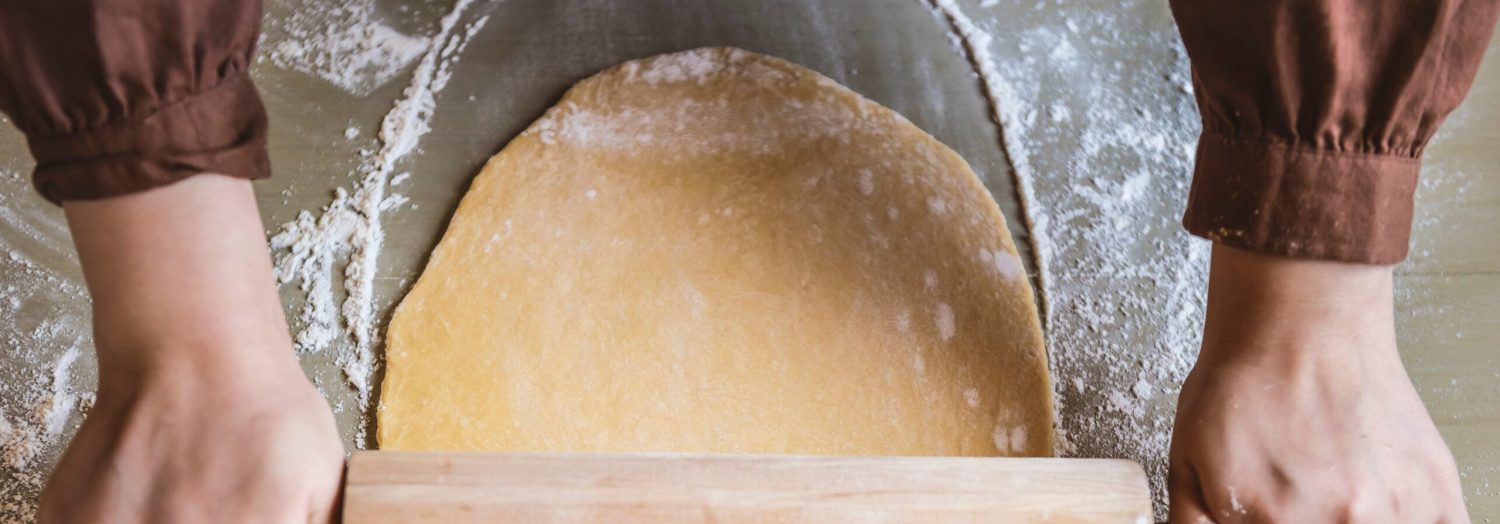

There's something incredibly comforting about the aroma of freshly baked bread wafting through the house. This traditional white bread recipe is perfect for beginners and seasoned bakers alike. With a few simple ingredients and some patience, you can create a loaf that's soft, fluffy, and perfect for sandwiches or toast.
Most of the ingredients for this recipe are common pantry staples. However, if you don't bake often, you might need to pick up active dry yeast from the supermarket. This ingredient is essential for the bread to rise properly. Make sure to also have all-purpose flour, sugar, salt, vegetable oil, and warm water on hand.

Ingredients for Traditional White Bread Recipe
All-purpose flour: The main structure of the bread, providing the necessary gluten for elasticity.
Sugar: Adds a touch of sweetness and helps to activate the yeast.
Salt: Enhances the flavor and controls the fermentation rate of the yeast.
Active dry yeast: The leavening agent that makes the bread rise.
Water: Hydrates the flour and activates the yeast. It should be warm, not hot.
Vegetable oil: Adds moisture and helps to keep the bread soft.
Technique Tip for Perfect Bread
When mixing the dough, ensure the water is warm but not hot, ideally between 105°F and 115°F. This temperature range activates the yeast without killing it, ensuring a good rise.
Suggested Side Dishes
Alternative Ingredients
all-purpose flour - Substitute with whole wheat flour: Whole wheat flour adds more fiber and nutrients, though it may result in a denser bread.
all-purpose flour - Substitute with gluten-free flour blend: For those with gluten intolerance, a gluten-free flour blend can be used, though the texture may differ.
sugar - Substitute with honey: Honey adds a natural sweetness and moisture to the bread.
sugar - Substitute with maple syrup: Maple syrup provides a unique flavor and natural sweetness.
salt - Substitute with sea salt: Sea salt can be used for a slightly different mineral content and flavor.
active dry yeast - Substitute with instant yeast: Instant yeast can be mixed directly with dry ingredients and may reduce rising time.
active dry yeast - Substitute with sourdough starter: Sourdough starter can be used for a tangy flavor and natural leavening, though it requires more time and care.
warm water - Substitute with milk: Milk can add richness and a softer crumb to the bread.
warm water - Substitute with buttermilk: Buttermilk adds a tangy flavor and tenderizes the bread.
vegetable oil - Substitute with olive oil: Olive oil provides a richer flavor and healthier fats.
vegetable oil - Substitute with melted butter: Melted butter adds a rich, creamy flavor to the bread.
Alternative Recipes Similar to This Bread
How to Store or Freeze Your Bread
Allow the bread to cool completely before storing. This prevents condensation, which can make the bread soggy.
For short-term storage, place the bread in a bread box or wrap it in a clean kitchen towel. This keeps the crust crisp while maintaining the bread's moisture.
If you prefer to use plastic, wrap the bread tightly in plastic wrap or place it in a resealable plastic bag. This method keeps the bread soft but may soften the crust.
For longer storage, slice the bread before freezing. This allows you to take out only what you need without defrosting the entire loaf.
Wrap each slice or the entire loaf in plastic wrap, then place it in a resealable freezer bag. This double-layer protection helps prevent freezer burn.
Label the freezer bag with the date to keep track of its freshness. Homemade bread can be frozen for up to three months.
When ready to use, thaw the bread at room temperature. For a quicker option, use the microwave on a low setting or defrost function.
To refresh the crust, place the thawed bread in a preheated oven at 350°F (175°C) for about 10 minutes. This will restore its crispness.
Avoid refrigerating bread, as it can dry out and become stale faster than if stored at room temperature or frozen.
How to Reheat Leftovers
Preheat your oven to 350°F (175°C). Wrap the bread in aluminum foil to prevent it from drying out. Place it directly on the oven rack and heat for about 10-15 minutes, or until warmed through.
For a quick reheat, use a microwave. Wrap the bread in a damp paper towel and place it on a microwave-safe plate. Heat on medium power for 10-20 seconds. Be cautious not to overheat, as this can make the bread chewy.
If you have a toaster oven, it's a great option for reheating. Set it to 350°F (175°C) and place the bread inside for about 5-10 minutes. This method helps maintain a crispy crust.
For a stovetop method, heat a non-stick skillet over medium heat. Place the bread in the skillet and cover with a lid. Heat for 2-3 minutes on each side, or until warmed through. This can give the bread a nice, slightly toasted exterior.
If you prefer a softer texture, use a steamer. Place the bread in a steamer basket over boiling water for about 5 minutes. This method keeps the bread moist and soft.
For a more gourmet touch, consider making bread pudding. Cube the leftover bread and mix with a custard made from eggs, milk, sugar, and vanilla extract. Bake until set for a delicious dessert.
Essential Tools for Baking Bread
Mixing bowl: A large container used to combine the flour, sugar, salt, and yeast.
Measuring cups: Essential for accurately measuring the flour and warm water.
Measuring spoons: Used to measure the sugar, salt, and active dry yeast.
Wooden spoon: Useful for mixing the ingredients until a dough forms.
Floured surface: A clean, flat area dusted with flour for kneading the dough.
Dough scraper: Handy for handling and shaping the dough on the floured surface.
Greased bowl: A bowl coated with a thin layer of oil to prevent the dough from sticking while it rises.
Clean kitchen towel: Used to cover the dough while it rises to keep it warm and moist.
Loaf pan: A greased pan where the dough is placed to shape and bake the bread.
Oven: Preheated to 375°F (190°C) to bake the bread until golden brown.
Cooling rack: A wire rack where the bread is placed to cool before slicing.
Time-Saving Tips for Baking Bread
Prepare ingredients in advance: Measure and set aside flour, sugar, salt, and yeast before starting.
Use a stand mixer: Save time by using a stand mixer with a dough hook to mix and knead the dough.
Warm environment: Speed up the rising process by placing the dough in a warm, draft-free area.
Preheat oven early: Start preheating the oven while the dough is in its final rise to save time.
Double batch: Make a double batch and freeze one loaf for later to maximize your effort.
Traditional White Bread Recipe
Ingredients
Main Ingredients
- 4 cups all-purpose flour
- 1 tablespoon sugar
- 2 teaspoon salt
- 1 tablespoon active dry yeast
- 1.5 cups warm water
- 2 tablespoon vegetable oil
Instructions
- 1. In a large mixing bowl, combine the flour, sugar, salt, and yeast.
- 2. Add the warm water and vegetable oil. Mix until a dough forms.
- 3. Knead the dough on a floured surface for about 10 minutes, until smooth and elastic.
- 4. Place the dough in a greased bowl, cover, and let it rise in a warm place for about 1 hour, or until doubled in size.
- 5. Punch down the dough and shape it into a loaf. Place it in a greased loaf pan.
- 6. Preheat the oven to 375°F (190°C). Let the dough rise in the pan for another 30 minutes.
- 7. Bake for 30 minutes, or until the bread is golden brown and sounds hollow when tapped.
- 8. Remove from the oven and let cool before slicing.
Nutritional Value
Keywords
More Amazing Recipes to Try 🙂
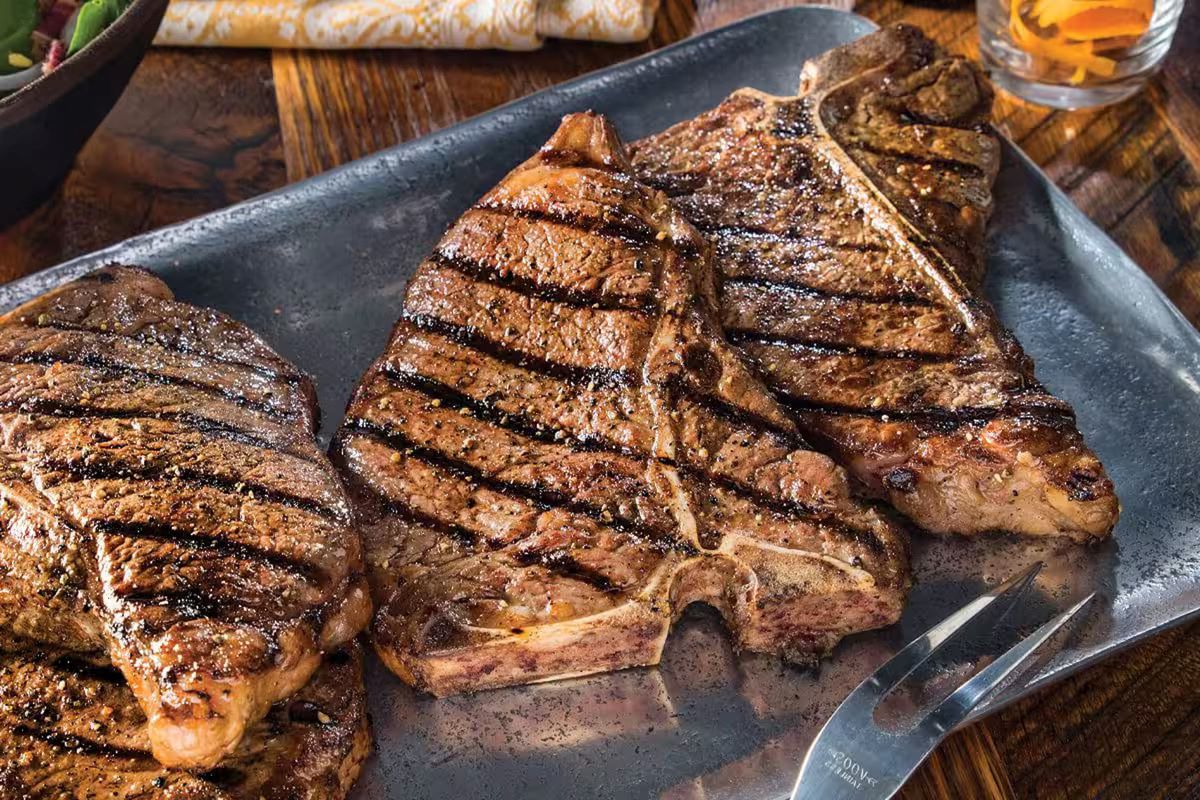
- T-Bone Steak Marinade Recipe25 Minutes
- Baked Mahi Mahi Recipe30 Minutes
- Meatballs Recipe45 Minutes
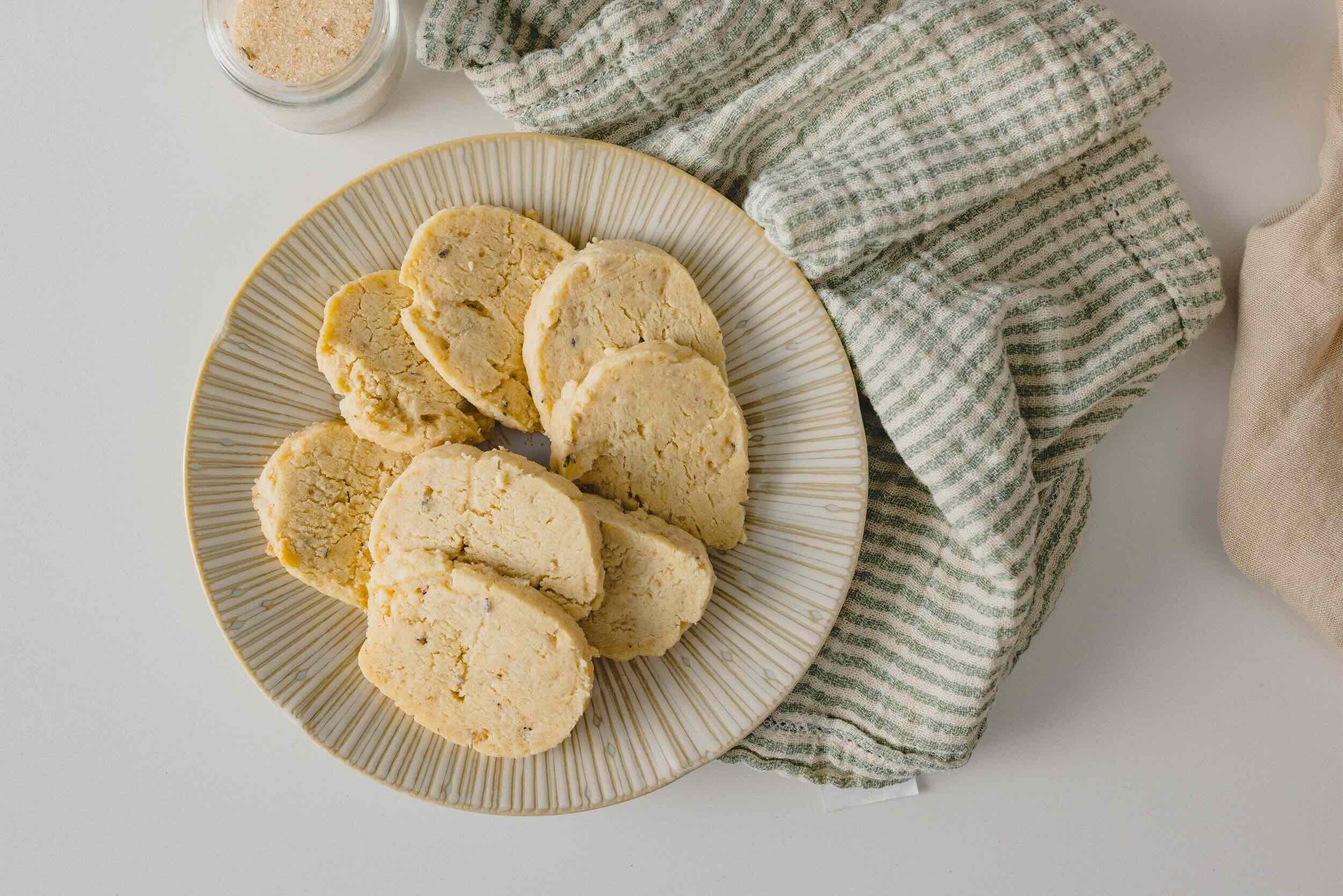
- Lemon Lavender Shortbread Cookies Recipe35 Minutes
- Mexican Sopes Recipe50 Minutes
- Elk Steak Marinade Recipe25 Minutes
- Brazilian Lemonade Recipe10 Minutes
- Shipwreck Dinner Recipe1 Hours






Leave a Reply