

Creating sourdough bread at home is a rewarding experience that combines the art of baking with the science of fermentation. This recipe yields a loaf with a crisp crust and a chewy, flavorful crumb, perfect for sandwiches or enjoying with a spread of butter.
One key ingredient in this recipe is the sourdough starter, which may not be commonly found in every home. A sourdough starter is a fermented mixture of flour and water that contains natural yeasts and bacteria. If you don't have one, you can either make your own by fermenting flour and water over several days or purchase one from a specialty store or online.
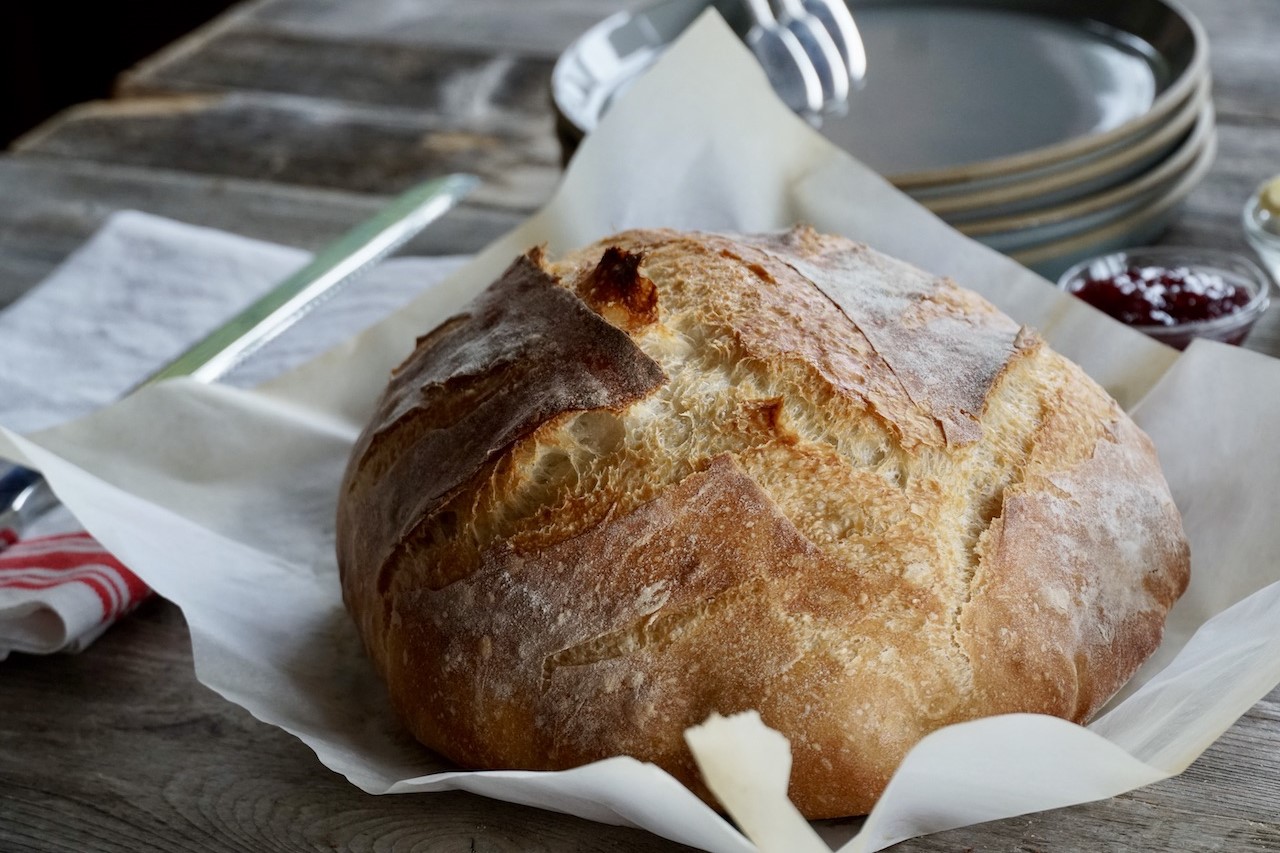
Ingredients For Sourdough Bread Recipe
Bread flour: A high-protein flour that gives the bread its structure and chewiness.
Water: Used to hydrate the dough and activate the sourdough starter.
Sourdough starter: A fermented mixture of flour and water that provides natural yeast for leavening the bread.
Salt: Enhances the flavor of the bread and strengthens the gluten structure.
Technique Tip for Sourdough Bread
When mixing the flour and water in the initial step, use a technique called autolyse. This allows the gluten to develop more effectively, resulting in a better texture for your sourdough bread. During the 30-minute rest period, the flour absorbs the water, making it easier to incorporate the sourdough starter and salt later on.
Suggested Side Dishes
Alternative Ingredients
bread flour - Substitute with all-purpose flour: All-purpose flour can be used in place of bread flour, though the texture may be slightly less chewy due to its lower protein content.
bread flour - Substitute with whole wheat flour: Whole wheat flour adds a nutty flavor and more nutrients, but it may require additional water due to its higher fiber content.
room temperature water - Substitute with warm water: Warm water can help activate the sourdough starter more quickly, especially in cooler environments.
active sourdough starter - Substitute with commercial yeast: Use 1 teaspoon of commercial yeast and adjust the fermentation time. The flavor will be less complex compared to using a sourdough starter.
active sourdough starter - Substitute with poolish: A poolish is a pre-ferment made from equal parts flour and water with a small amount of yeast. It can mimic the tangy flavor of a sourdough starter.
salt - Substitute with sea salt: Sea salt can be used in place of regular salt for a slightly different mineral content and flavor profile.
salt - Substitute with kosher salt: Kosher salt has larger crystals and can be used as a substitute, but you may need to adjust the quantity slightly due to its different density.
Alternative Recipes Similar to Sourdough Bread
How to Store / Freeze Your Sourdough
- Allow the sourdough bread to cool completely before storing. This prevents condensation, which can make the crust soggy.
- Store the bread in a bread box or a paper bag at room temperature for up to 3 days. This helps maintain the crust's crispness while keeping the interior moist.
- For longer storage, wrap the bread tightly in plastic wrap or aluminum foil. Place it in a resealable plastic bag to keep it fresh for up to a week.
- To freeze, slice the bread first. This allows you to take out only what you need without defrosting the entire loaf.
- Wrap each slice or portion in plastic wrap or aluminum foil. Place the wrapped slices in a resealable freezer bag to prevent freezer burn.
- Label the bag with the date to keep track of freshness. Sourdough bread can be frozen for up to 3 months.
- When ready to use, thaw the bread at room temperature. For a quick option, use a microwave on a low setting or a toaster oven.
- To refresh the crust, preheat your oven to 350°F (175°C). Place the thawed bread directly on the oven rack for about 10 minutes.
- For an extra crispy crust, lightly mist the bread with water before placing it in the oven. This will help recreate that freshly baked texture.
How to Reheat Leftovers
Preheat your oven to 350°F (175°C). Wrap the sourdough bread in aluminum foil to retain moisture. Place it directly on the oven rack and heat for about 10-15 minutes until it's warmed through.
For a crispier crust, unwrap the bread after the initial 10 minutes and let it bake for an additional 5 minutes.
If you prefer using a microwave, place a damp paper towel over the sourdough bread and heat on medium power for 30-60 seconds. This method is quicker but may result in a softer crust.
To use a stovetop, heat a skillet over medium heat. Place the bread in the skillet and cover it with a lid. Heat for about 2-3 minutes on each side, checking frequently to avoid burning.
For a toaster oven, set it to 350°F (175°C). Place the sourdough bread on the rack and heat for about 10 minutes. This method is great for smaller portions.
If you have an air fryer, set it to 320°F (160°C) and place the bread inside for 3-5 minutes. This will give you a nice, crispy crust.
For a steam oven, preheat it to 350°F (175°C) with steam. Place the sourdough bread inside for about 5-7 minutes. The steam will help keep the bread moist while reheating.
Essential Tools for Baking Sourdough
Mixing bowl: Use this to combine the flour and water initially, and later to mix in the sourdough starter and salt.
Wooden spoon: Ideal for mixing the dough ingredients together without overworking the dough.
Kitchen scale: Essential for accurately measuring the flour, water, sourdough starter, and salt.
Plastic wrap: Useful for covering the mixing bowl during the initial rest period and the long rise to prevent the dough from drying out.
Dutch oven: This heavy-duty pot is perfect for baking the bread, as it retains heat well and creates a steamy environment for a crispy crust.
Parchment paper: Helps to transfer the dough into the hot Dutch oven without sticking.
Bench scraper: Handy for shaping the dough and transferring it without deflating it.
Oven mitts: Essential for safely handling the hot Dutch oven.
Cooling rack: Allows the bread to cool evenly after baking, preventing a soggy bottom.
How to Save Time on Making Sourdough
Autolyse technique: Mix the flour and water and let it rest for 30 minutes. This reduces kneading time.
Bulk fermentation: Let the dough rise overnight in the fridge to develop flavor and save time in the morning.
Preheat dutch oven: Preheat your dutch oven while shaping the dough to save time.
Stretch and fold: Use the stretch and fold method instead of kneading to save time and effort.
Use a bench scraper: A bench scraper helps in handling sticky dough quickly and efficiently.
Room temperature water: Using room temperature water speeds up the mixing process.
Sourdough Bread Recipe
Ingredients
Main Ingredients
- 500 g Bread Flour
- 300 g Water Room temperature
- 100 g Sourdough Starter Active
- 10 g Salt
Instructions
- 1. Mix the flour and water in a bowl. Let it rest for 30 minutes.
- 2. Add the sourdough starter and salt. Mix until combined.
- 3. Let the dough rise for 24 hours at room temperature.
- 4. Preheat the oven to 450°F (230°C). Place a Dutch oven inside to heat up.
- 5. Shape the dough and place it in the preheated Dutch oven.
- 6. Bake for 30 minutes with the lid on, then remove the lid and bake for another 15 minutes.
- 7. Let the bread cool before slicing.
Nutritional Value
Keywords
More Amazing Recipes to Try 🙂
- Mexican Ceviche Recipe20 Minutes
- Overnight Blueberry French Toast Casserole Recipe1 Hours
- Spaghetti Italian Recipe35 Minutes
- T-Bone Steak Marinade Recipe25 Minutes
- Baked Mahi Mahi Recipe30 Minutes
- Meatballs Recipe45 Minutes
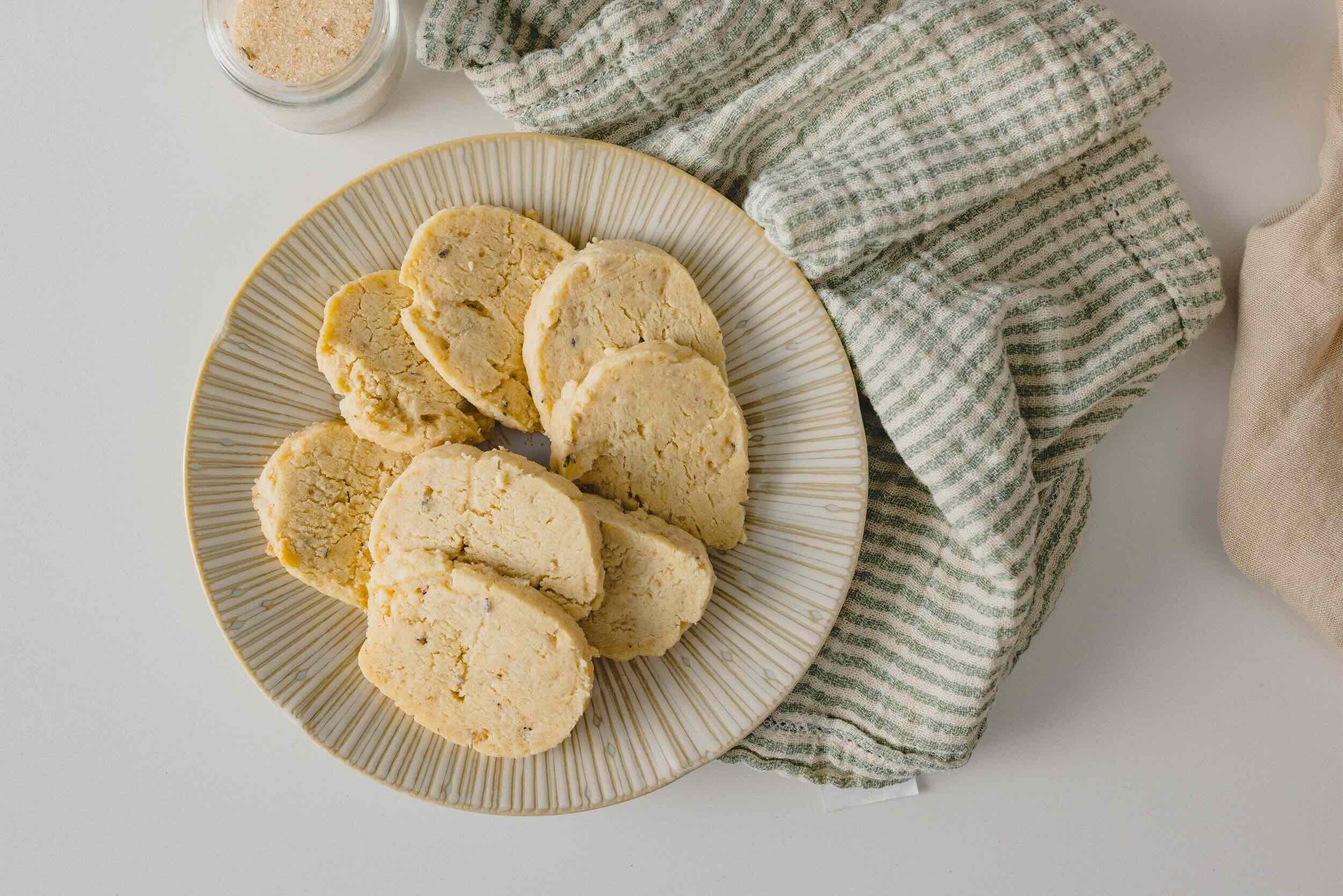
- Lemon Lavender Shortbread Cookies Recipe35 Minutes
- Mexican Sopes Recipe50 Minutes







Leave a Reply