

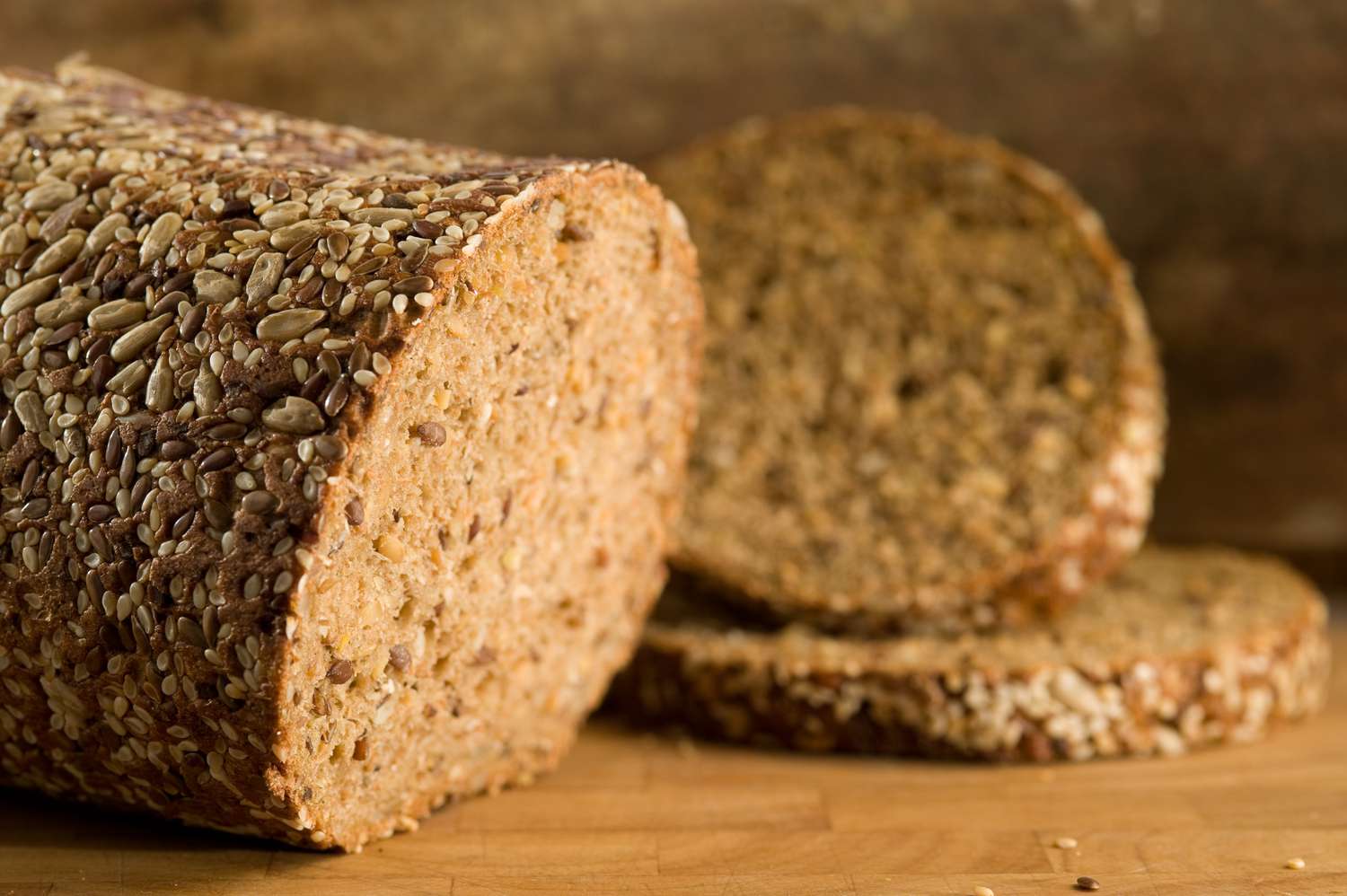
Rye bread is a hearty and flavorful bread that has been enjoyed for centuries. Its dense texture and rich taste make it a perfect accompaniment to soups, stews, and sandwiches. This recipe combines rye flour with all-purpose flour to create a balanced loaf that is both robust and tender.
If you don't typically bake bread at home, you might not have rye flour on hand. This flour is made from rye grains and has a distinct, slightly tangy flavor. You can find it in the baking aisle or health food section of most supermarkets. Additionally, make sure you have active dry yeast, which is essential for the bread to rise properly.
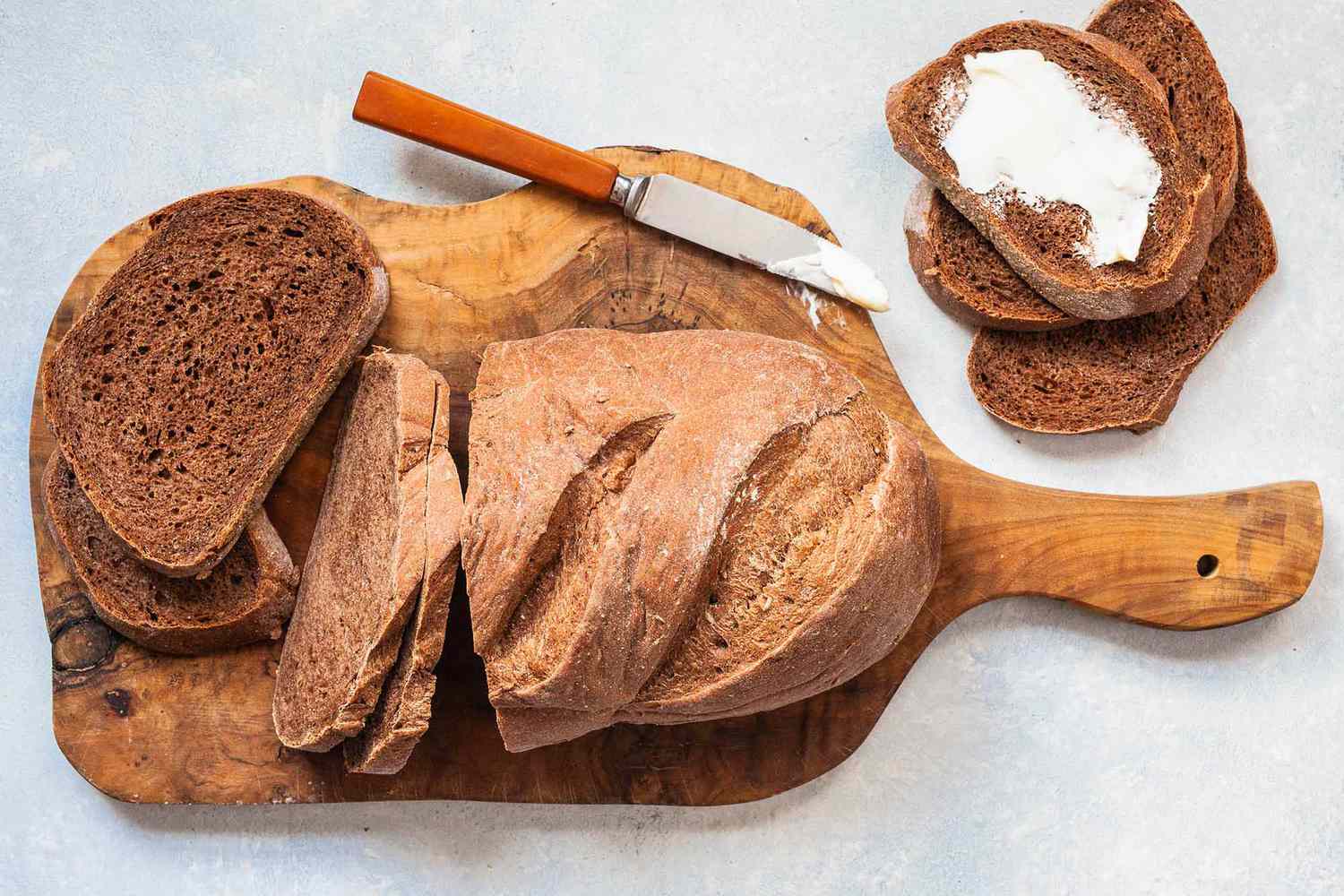
Ingredients For Rye Bread Recipe
Rye flour: This flour is made from rye grains and gives the bread its characteristic flavor and dense texture.
All-purpose flour: A versatile flour that helps balance the density of the rye flour, making the bread lighter.
Sugar: Adds a touch of sweetness and helps activate the yeast.
Salt: Enhances the flavor of the bread.
Olive oil: Adds moisture and richness to the dough.
Active dry yeast: A leavening agent that helps the bread rise and become fluffy.
Warm water: Activates the yeast and helps combine the ingredients into a dough.
Technique Tip for Rye Bread
When kneading the dough, use the heel of your hand to push it away from you, then fold it back over itself and give it a quarter turn. This helps develop the gluten in the all-purpose flour, giving the bread a better structure and texture. If the dough is too sticky, sprinkle a little more flour on the surface, but be careful not to add too much as it can make the bread dense.
Suggested Side Dishes
Alternative Ingredients
rye flour - Substitute with whole wheat flour: Whole wheat flour provides a similar density and earthy flavor, though it won't have the distinct taste of rye.
all-purpose flour - Substitute with bread flour: Bread flour has a higher protein content, which can help with the structure and chewiness of the bread.
sugar - Substitute with honey: Honey adds a touch of sweetness and moisture, though it will slightly alter the flavor profile.
salt - Substitute with sea salt: Sea salt can be used in the same quantity and will provide a similar taste.
olive oil - Substitute with vegetable oil: Vegetable oil can be used as a neutral-flavored alternative that will still provide the necessary fat content.
active dry yeast - Substitute with instant yeast: Instant yeast can be used in the same quantity and does not need to be dissolved in water before mixing with the dry ingredients.
warm water - Substitute with milk: Warm milk can be used to add a richer flavor and softer texture to the bread.
Alternative Recipes Similar to Rye Bread
How to Store or Freeze Your Rye Bread
- Allow the rye bread to cool completely at room temperature. This prevents condensation, which can make the bread soggy.
- Wrap the cooled loaf tightly in plastic wrap or aluminum foil. This helps to maintain its freshness and prevent it from drying out.
- For short-term storage, place the wrapped loaf in a bread box or a cool, dry place. It will stay fresh for up to 3 days.
- For longer storage, place the wrapped loaf in a resealable plastic bag and store it in the refrigerator. This can extend its freshness for up to a week.
- To freeze the rye bread, slice it first. This allows you to take out only the number of slices you need without thawing the entire loaf.
- Place the slices in a single layer on a baking sheet and freeze for about 1-2 hours. This prevents the slices from sticking together.
- Once the slices are frozen, transfer them to a resealable freezer bag or an airtight container. Label the bag with the date to keep track of its freshness.
- Store the frozen slices in the freezer for up to 3 months. When ready to use, thaw the slices at room temperature or toast them directly from the freezer.
- For the best texture and flavor, reheat the thawed slices in a preheated oven at 350°F (175°C) for about 5-10 minutes or until warm and slightly crispy.
How to Reheat Leftovers
Preheat your oven to 350°F (175°C). Wrap the rye bread in aluminum foil to prevent it from drying out. Place it directly on the oven rack and heat for about 10-15 minutes. This method will give you a warm, slightly crispy crust while keeping the inside soft.
For a quicker option, use a toaster oven. Set it to 350°F (175°C) and place the rye bread slices on the rack. Toast for 5-7 minutes until warmed through. This is perfect for making a quick sandwich or enjoying with a spread of butter.
If you prefer a softer texture, use the microwave. Wrap the rye bread in a damp paper towel and place it on a microwave-safe plate. Heat on medium power for 20-30 seconds. Be cautious not to overheat, as this can make the bread chewy.
For a stovetop method, heat a skillet over medium heat. Place the rye bread slices in the skillet and cover with a lid. Heat for 2-3 minutes on each side. This method is great for making grilled cheese sandwiches or toasting with a bit of olive oil.
If you have a steam oven, set it to 212°F (100°C) with 100% steam. Place the rye bread on a baking tray and steam for about 5 minutes. This will refresh the bread, making it soft and moist, as if it were freshly baked.
Essential Tools for Baking Rye Bread
Large mixing bowl: Used to combine the rye flour, all-purpose flour, sugar, and salt.
Separate bowl: Used to mix the warm water, olive oil, and yeast.
Measuring cups: Essential for accurately measuring the rye flour, all-purpose flour, and warm water.
Measuring spoons: Used to measure the sugar, salt, and olive oil.
Wooden spoon: Handy for stirring the yeast mixture into the flour mixture until a dough forms.
Floured surface: Provides a suitable area for kneading the dough.
Greased bowl: Used to let the dough rise after kneading.
Kitchen towel: Covers the dough while it rises to keep it warm and moist.
Baking sheet: Holds the shaped dough for baking.
Oven: Preheated to 375°F (190°C) for baking the bread.
Cooling rack: Allows the bread to cool evenly before slicing.
How to Save Time on Baking Rye Bread
Prepare ingredients in advance: Measure and mix dry ingredients the night before to save time.
Use a stand mixer: Let a stand mixer do the kneading for you, reducing manual effort and time.
Warm environment for rising: Place the dough in a warm spot to speed up the rising process.
Preheat oven early: Start preheating the oven while the dough is rising to save time.
Shape dough quickly: Practice shaping the dough efficiently to reduce preparation time.
Rye Bread Recipe
Ingredients
Main Ingredients
- 2 cups Rye Flour
- 1 cup All-purpose Flour
- 1 tablespoon Sugar
- 1 teaspoon Salt
- 1 tablespoon Olive Oil
- 1 packet Active Dry Yeast
- 1.5 cups Warm Water
Instructions
- 1. In a large mixing bowl, combine rye flour, all-purpose flour, sugar, and salt.
- 2. In a separate bowl, mix warm water, olive oil, and yeast. Let it sit for 5 minutes.
- 3. Pour the yeast mixture into the flour mixture. Stir until a dough forms.
- 4. Knead the dough on a floured surface for about 10 minutes.
- 5. Place the dough in a greased bowl, cover, and let it rise for 1 hour.
- 6. Preheat the oven to 375°F (190°C).
- 7. Shape the dough into a loaf and place it on a baking sheet.
- 8. Bake for 30 minutes or until the bread sounds hollow when tapped.
- 9. Let the bread cool before slicing.
Nutritional Value
Keywords
More Amazing Recipes to Try 🙂
- Almond Butter Recipe25 Minutes
- Slow Cooker Chicken Recipe4 Hours 10 Minutes
- Pumpkin Shells Recipe45 Minutes
- Air Fryer Chicken Fajitas Recipe25 Minutes
- Mexican Ceviche Recipe20 Minutes
- Overnight Blueberry French Toast Casserole Recipe1 Hours
- Spaghetti Italian Recipe35 Minutes
- T-Bone Steak Marinade Recipe25 Minutes






Leave a Reply