
This gochujang fried rice recipe is a delightful fusion of Korean flavors and classic fried rice. It's a quick and easy dish that transforms simple ingredients into a spicy, savory meal. Perfect for using up leftover rice and packed with vegetables, this dish is both nutritious and satisfying.
One key ingredient in this recipe is gochujang, a Korean fermented chili paste that adds a unique depth of flavor and a spicy kick. If you don't already have it in your pantry, you can find it in the international aisle of most supermarkets or at an Asian grocery store. It's worth seeking out for its distinctive taste.

Ingredients For Gochujang Fried Rice
Rice: Preferably day-old cooked rice, which helps achieve the perfect texture for fried rice.
Gochujang: A Korean fermented chili paste that adds spice and depth of flavor.
Soy sauce: Provides a salty, umami flavor that complements the other ingredients.
Sesame oil: Adds a nutty aroma and richness to the dish.
Garlic: Minced garlic brings a pungent, savory note to the fried rice.
Mixed vegetables: A blend of carrots, peas, and corn for color, texture, and nutrition.
Eggs: Beaten and scrambled to add protein and richness.
Green onions: Chopped and stirred in for a fresh, mild onion flavor.
Sesame seeds: Used as a garnish to add a bit of crunch and a subtle nutty flavor.
Technique Tip for This Dish
When preparing day-old cooked rice for fried rice, break up any clumps with your hands before adding it to the wok. This ensures that the rice cooks evenly and absorbs the flavors of the gochujang and soy sauce.
Suggested Side Dishes
Alternative Ingredients
day-old cooked rice - Substitute with freshly cooked rice: If you don't have day-old rice, you can use freshly cooked rice. Just spread it out on a baking sheet to cool and dry out a bit before using.
gochujang - Substitute with sriracha mixed with a bit of sugar and miso paste: This combination can mimic the spicy, sweet, and umami flavors of gochujang.
soy sauce - Substitute with tamari: Tamari is a gluten-free alternative that provides a similar salty and umami flavor.
sesame oil - Substitute with olive oil with a few drops of toasted sesame seeds: Olive oil can be used in a pinch, and adding toasted sesame seeds can help replicate the nutty flavor.
minced garlic - Substitute with garlic powder: If fresh garlic is not available, garlic powder can be used. Use about ¼ teaspoon of garlic powder per clove.
carrots, peas, corn mixed vegetables - Substitute with any mixed vegetables you have on hand: You can use any combination of vegetables like bell peppers, broccoli, or green beans.
beaten eggs - Substitute with tofu scramble: For a vegan option, crumbled tofu seasoned with turmeric and black salt can mimic the texture and flavor of scrambled eggs.
chopped green onions - Substitute with chives or shallots: Chives or finely chopped shallots can provide a similar mild onion flavor.
sesame seeds - Substitute with crushed peanuts or sunflower seeds: These can add a similar crunch and nutty flavor for garnish.
Alternative Recipes Similar to This Dish
How to Store or Freeze This Dish
- Allow the fried rice to cool completely before storing. This helps prevent condensation, which can make the rice soggy.
- Transfer the cooled gochujang fried rice into airtight containers or resealable plastic bags. Make sure to remove as much air as possible to maintain freshness.
- Label the containers or bags with the date to keep track of storage time.
- Store the fried rice in the refrigerator for up to 4 days. For longer storage, place it in the freezer.
- When freezing, spread the fried rice in a thin, even layer in the container or bag. This helps it freeze more quickly and evenly.
- To reheat refrigerated fried rice, transfer it to a microwave-safe dish and cover with a damp paper towel. Microwave on high for 1-2 minutes, stirring halfway through to ensure even heating.
- For frozen fried rice, thaw it overnight in the refrigerator before reheating. Alternatively, you can reheat directly from frozen by microwaving on medium power, stirring occasionally, until heated through.
- If reheating on the stovetop, add a splash of water or broth to the pan to prevent the rice from drying out. Stir frequently over medium heat until warmed through.
- Avoid reheating fried rice multiple times, as this can affect the texture and flavor. Reheat only the portion you plan to consume.
How to Reheat Leftovers
Stovetop Method: Heat a non-stick skillet over medium heat. Add a small amount of sesame oil or vegetable oil. Once hot, add the leftover gochujang fried rice. Stir occasionally to ensure even heating. Cook for about 5-7 minutes until the rice is hot and slightly crispy.
Microwave Method: Place the fried rice in a microwave-safe dish. Add a splash of water or broth to keep it moist. Cover the dish with a microwave-safe lid or plastic wrap. Heat on high for 2-3 minutes, stirring halfway through to ensure even heating.
Oven Method: Preheat your oven to 350°F (175°C). Spread the leftover rice evenly in an oven-safe dish. Cover with aluminum foil to prevent drying out. Bake for about 15-20 minutes, stirring halfway through to ensure even heating.
Steamer Method: Place the fried rice in a heatproof dish that fits into your steamer. Steam over boiling water for about 10 minutes or until the rice is heated through. This method helps retain moisture and keeps the rice fluffy.
Air Fryer Method: Preheat your air fryer to 350°F (175°C). Place the fried rice in the air fryer basket in an even layer. Heat for about 5-7 minutes, shaking the basket halfway through to ensure even heating and a slightly crispy texture.
Essential Tools for This Recipe
Wok: A large, round-bottomed cooking vessel ideal for stir-frying ingredients quickly and evenly.
Spatula: A flat, broad tool used for flipping and stirring ingredients in the wok.
Knife: Essential for chopping vegetables, garlic, and green onions.
Cutting board: A surface on which to safely chop and prepare ingredients.
Measuring spoons: Used to measure out precise amounts of gochujang, soy sauce, and sesame oil.
Mixing bowl: Useful for beating the eggs before adding them to the wok.
Garlic press: Handy for mincing garlic quickly and efficiently.
Serving spoon: Used to serve the finished fried rice onto plates.
Small bowl: For holding the sesame seeds until they are ready to be used as a garnish.
How to Save Time on This Recipe
Use day-old rice: Day-old cooked rice is less sticky, making it easier to stir-fry and saving you time.
Pre-chop vegetables: Prepare and chop your carrots, peas, and corn in advance to streamline the cooking process.
Ready-to-use garlic: Use pre-minced garlic to cut down on prep time.
Cook eggs separately: Scramble the eggs in a separate pan while the vegetables are cooking to save time.
Batch cooking: Make a larger batch of fried rice and store portions for quick meals throughout the week.
Gochujang Fried Rice
Ingredients
Main Ingredients
- 2 cups Cooked rice preferably day-old
- 2 tablespoon Gochujang
- 1 tablespoon Soy sauce
- 1 tablespoon Sesame oil
- 2 cloves Garlic minced
- 1 cup Mixed vegetables carrots, peas, corn
- 2 pcs Eggs beaten
- 2 pcs Green onions chopped
- 1 tablespoon Sesame seeds for garnish
Instructions
- Heat the wok over medium-high heat and add sesame oil.
- Add minced garlic and stir-fry until fragrant.
- Add mixed vegetables and cook until tender.
- Push the vegetables to one side and pour in the beaten eggs. Scramble until fully cooked.
- Add the cooked rice, gochujang, and soy sauce. Stir-fry until everything is well combined and heated through.
- Stir in chopped green onions and cook for another minute.
- Garnish with sesame seeds before serving.
Nutritional Value
Keywords
Suggested Appetizers and Desserts
More Amazing Recipes to Try 🙂
- Spaghetti Italian Recipe35 Minutes
- T-Bone Steak Marinade Recipe25 Minutes
- Baked Mahi Mahi Recipe30 Minutes
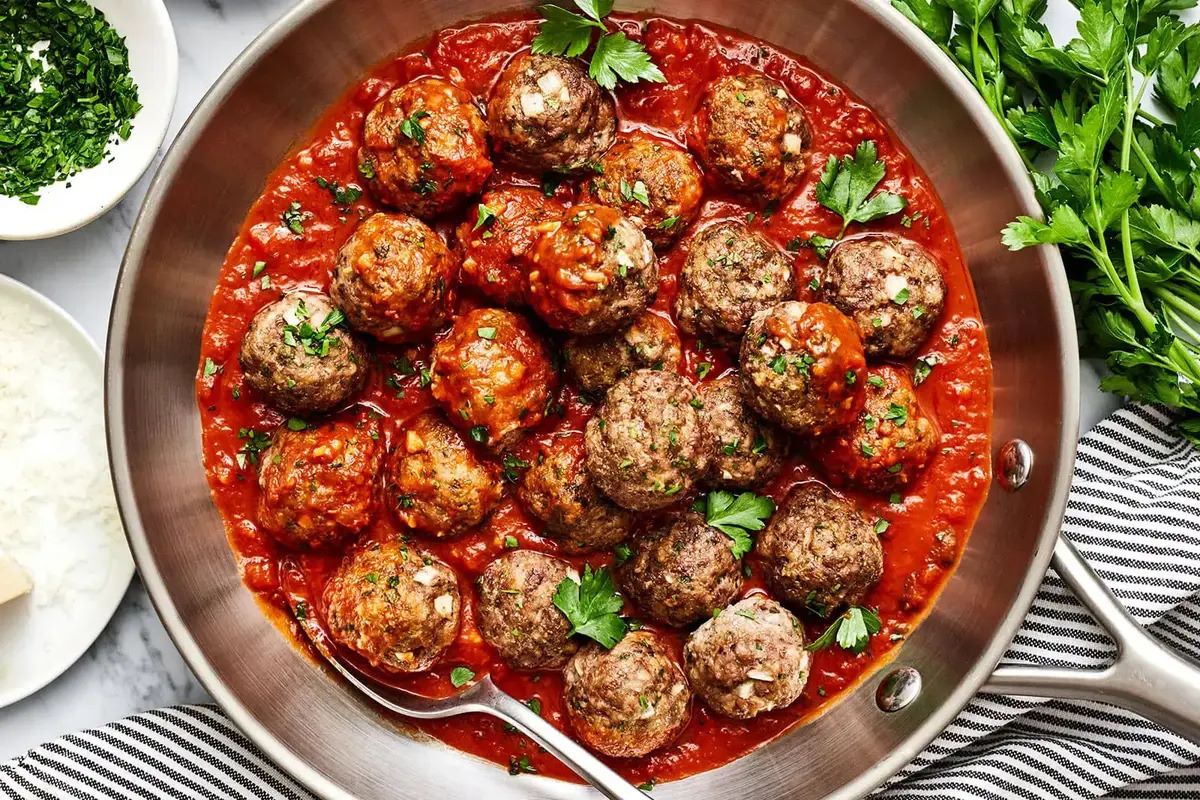
- Meatballs Recipe45 Minutes
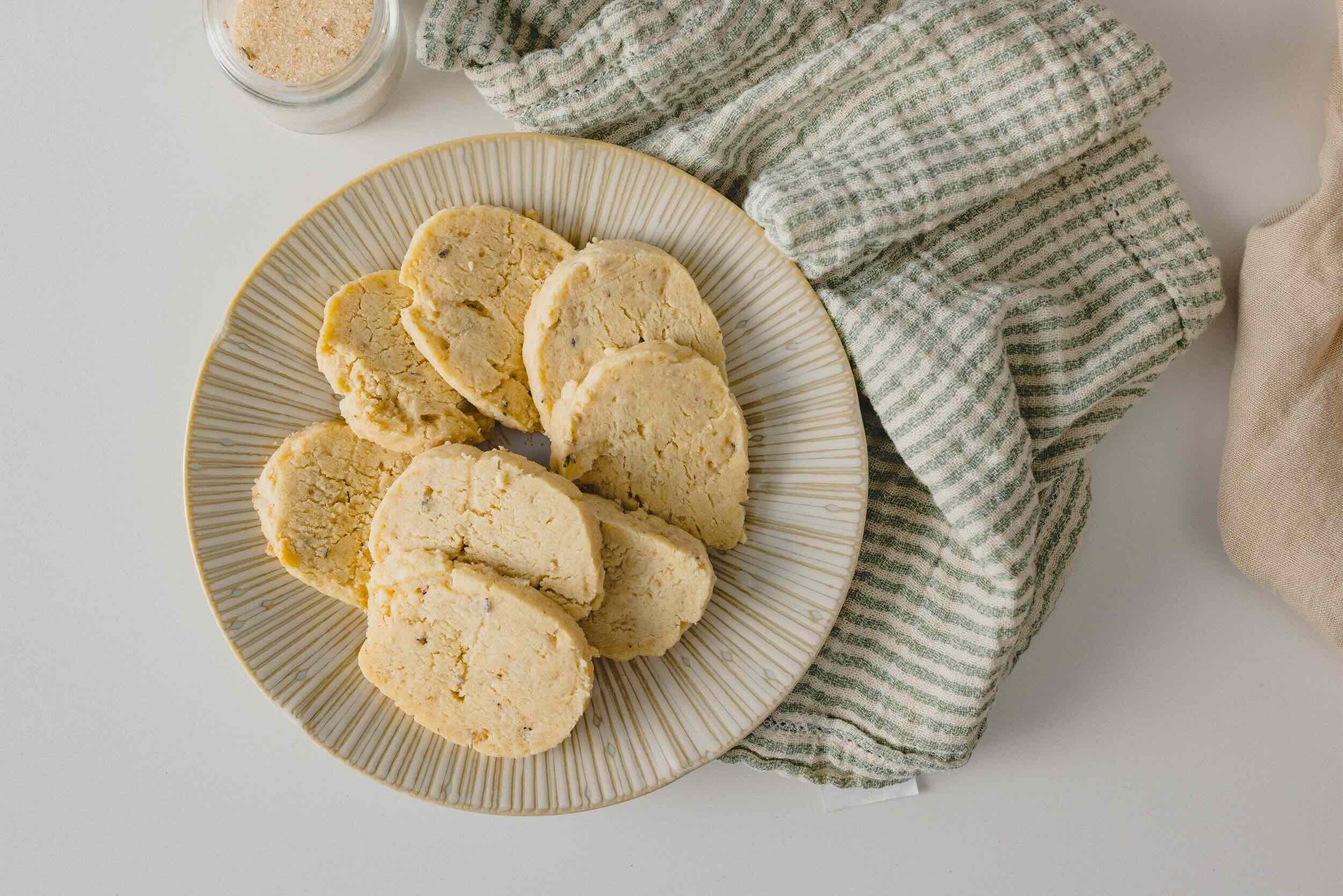
- Lemon Lavender Shortbread Cookies Recipe35 Minutes
- Mexican Sopes Recipe50 Minutes
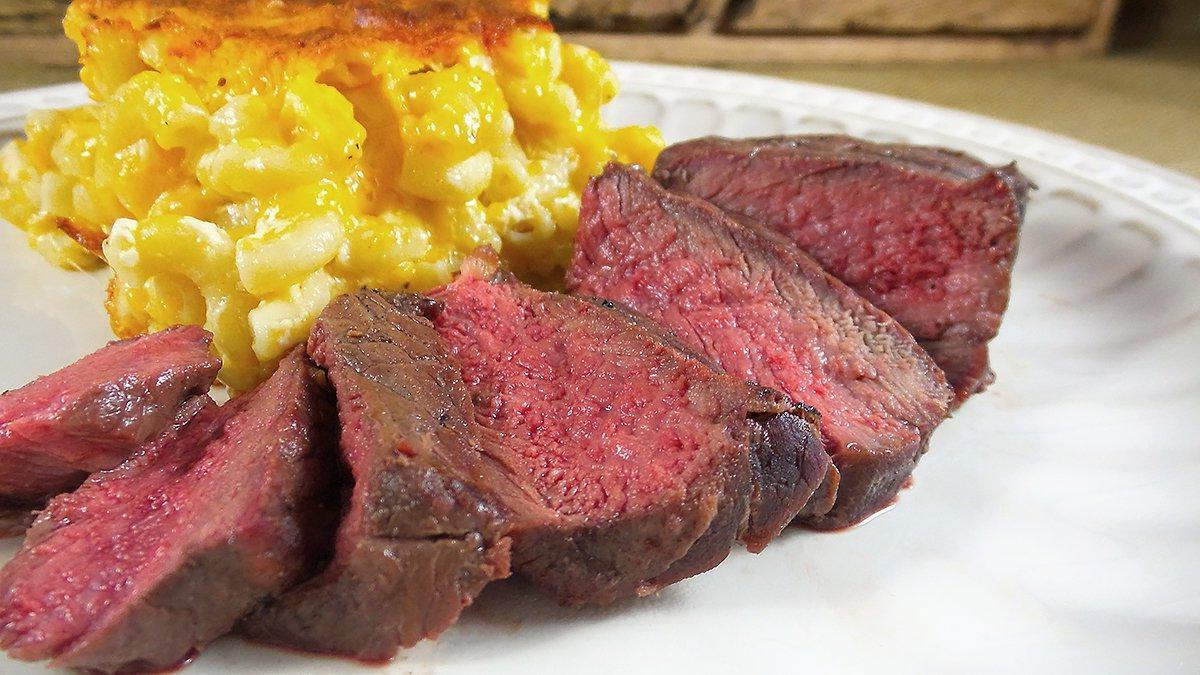
- Elk Steak Marinade Recipe25 Minutes
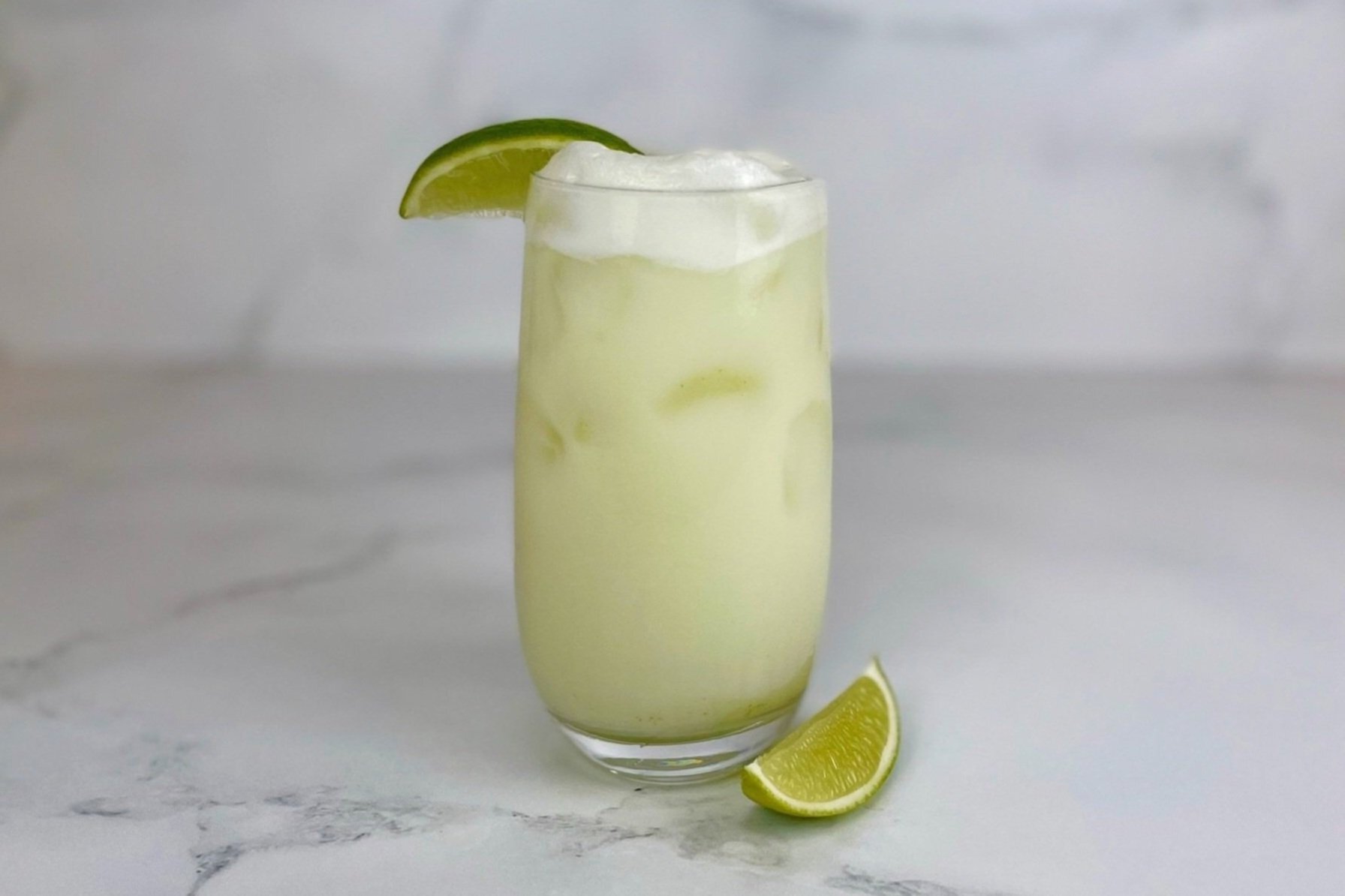
- Brazilian Lemonade Recipe10 Minutes



Leave a Reply