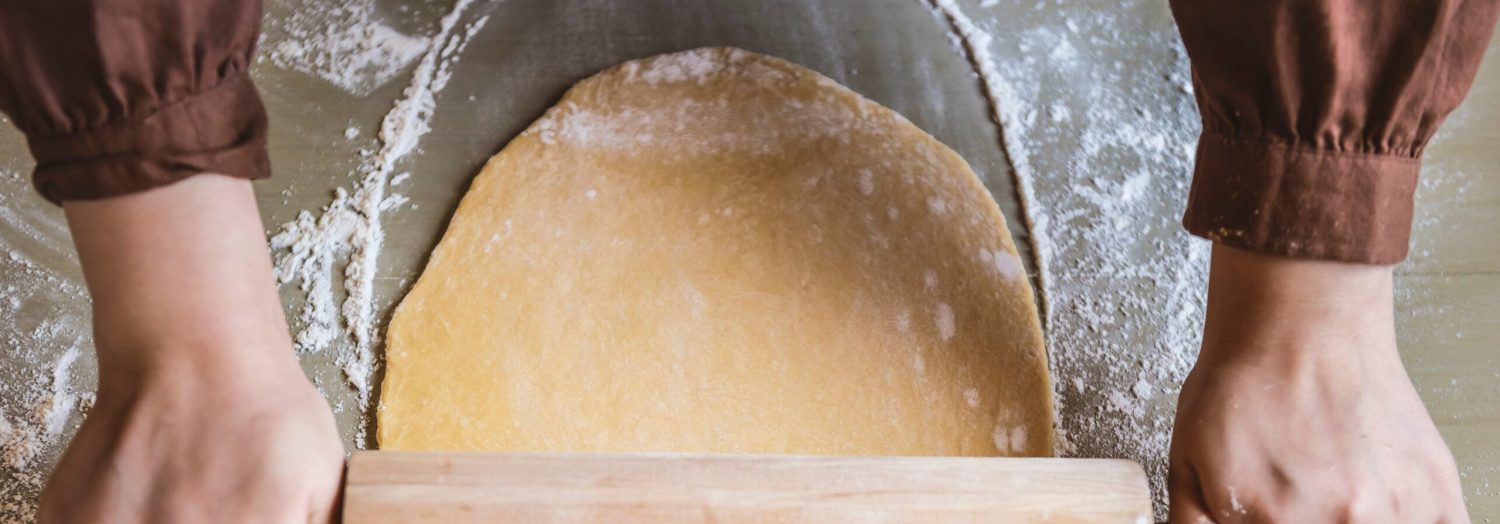

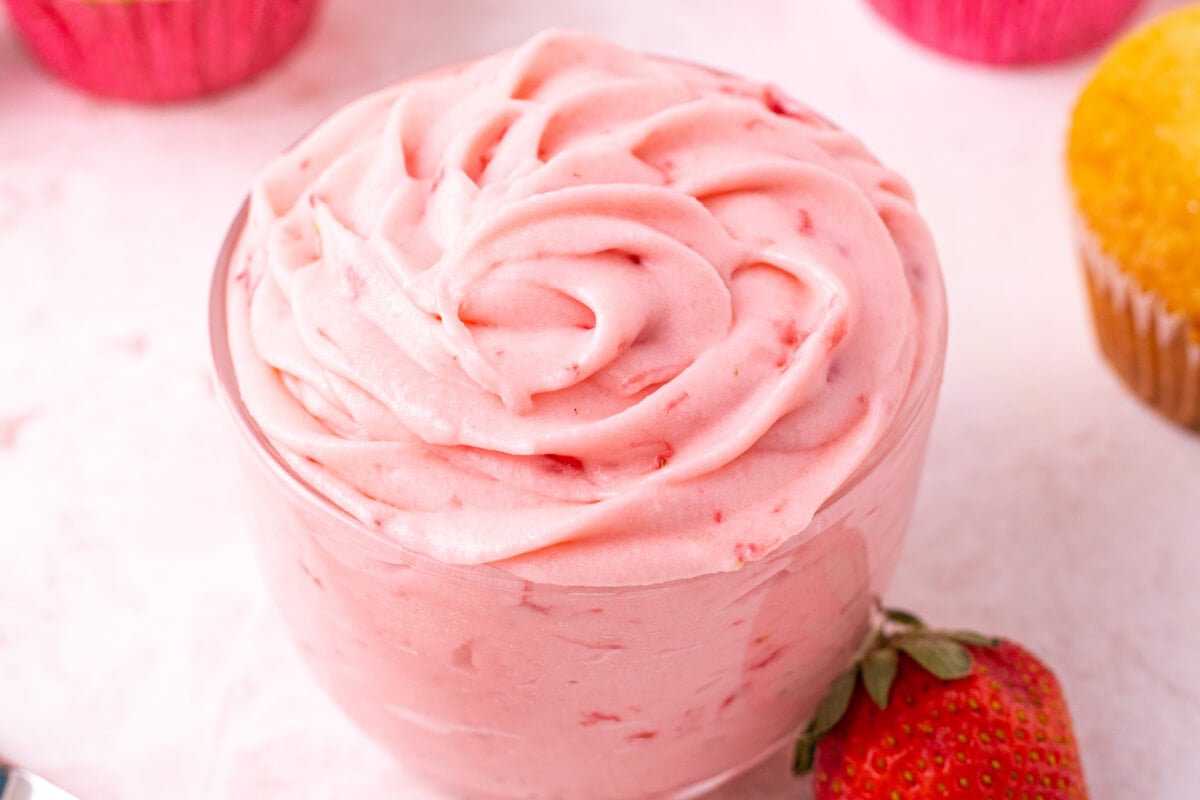
Indulge in the creamy, dreamy delight of homemade buttercream frosting. Perfect for topping cakes, cupcakes, or even cookies, this frosting is a versatile staple in any baker's repertoire. With its rich, buttery flavor and smooth texture, it transforms any dessert into a decadent treat. Whether you're celebrating a special occasion or simply satisfying a sweet tooth, this buttercream frosting is sure to impress.
While most of the ingredients for this buttercream frosting are likely already in your pantry, you might need to pick up some heavy cream. It's essential for achieving the perfect consistency and richness in the frosting. Make sure to choose unsalted butter to control the sweetness and flavor balance. If you're out of vanilla extract, it's a must-have for adding depth and aroma to the frosting.

Ingredients For Buttercream Frosting Recipe
Butter: The base of the frosting, providing a rich and creamy texture.
Powdered sugar: Adds sweetness and helps achieve the desired consistency.
Vanilla extract: Enhances the flavor with a warm, aromatic note.
Heavy cream: Used to adjust the frosting's consistency, making it smooth and spreadable.
Technique Tip for Perfect Frosting
When making buttercream frosting, ensure your butter is at the right temperature. Softened butter should be pliable but not melting. If it's too soft, the frosting may become too loose and difficult to work with. To achieve a perfectly creamy texture, beat the butter until it's light and fluffy before adding the powdered sugar. This step is crucial for incorporating air into the frosting, giving it a light and airy consistency. Additionally, when adding the heavy cream, do so gradually. This allows you to control the consistency, ensuring the frosting is neither too thick nor too runny.
Suggested Side Dishes
Alternative Ingredients
softened unsalted butter - Substitute with margarine: Margarine has a similar fat content and texture, making it a suitable alternative for buttercream frosting.
softened unsalted butter - Substitute with vegetable shortening: Vegetable shortening provides a stable and creamy texture, though it may lack the rich flavor of butter.
sifted powdered sugar - Substitute with granulated sugar: Blend granulated sugar in a blender until it reaches a powdery consistency to mimic powdered sugar.
sifted powdered sugar - Substitute with coconut sugar: Process coconut sugar in a blender to achieve a fine texture, offering a unique flavor profile to the frosting.
vanilla extract - Substitute with almond extract: Almond extract provides a distinct nutty flavor that can enhance the taste of the frosting.
vanilla extract - Substitute with maple syrup: Maple syrup adds a sweet and slightly caramelized flavor, offering a different twist to the frosting.
heavy cream - Substitute with milk: Milk can be used to adjust the consistency of the frosting, though it may be less rich than heavy cream.
heavy cream - Substitute with coconut cream: Coconut cream provides a creamy texture and a hint of coconut flavor, making it a suitable alternative for heavy cream.
Alternative Recipes Similar to This Frosting
How to Store or Freeze This Frosting
To keep your buttercream frosting fresh and delightful, store it in an airtight container. This prevents it from absorbing any unwanted odors from the fridge.
Place the container in the refrigerator if you plan to use the frosting within a week. The cool environment will help maintain its creamy texture and rich flavor.
Before using refrigerated buttercream frosting, let it sit at room temperature for about 30 minutes. This will make it easier to spread or pipe onto your desserts.
If you need to store the frosting for a longer period, freezing is your best bet. Transfer the buttercream frosting into a freezer-safe container or a resealable plastic bag. Make sure to remove as much air as possible to prevent freezer burn.
Label the container with the date, so you know how long it has been stored. Buttercream frosting can be frozen for up to three months without losing its delightful taste and texture.
When you're ready to use the frozen frosting, transfer it to the refrigerator and let it thaw overnight. This gradual thawing process helps maintain its consistency.
Once thawed, give the buttercream frosting a good stir or a quick whip with a mixer to restore its smoothness and fluffiness.
If the frosting seems a bit too thick after thawing, add a splash of heavy cream and mix until you achieve the desired consistency.
How to Reheat Leftovers
Gently bring your buttercream frosting to room temperature by leaving it out on the counter for about 30 minutes to an hour. This allows the butter to soften naturally, making it easier to work with.
If you're in a hurry, place the frosting in a microwave-safe bowl and heat it in the microwave for short bursts of 5-10 seconds. Stir well after each burst to ensure even warming. Be cautious not to overheat, as you want to avoid melting the butter completely.
For a more controlled approach, use a double boiler. Place the frosting in a heatproof bowl over a pot of simmering water. Stir continuously until it reaches the desired consistency. This method prevents direct heat from altering the texture too much.
If the frosting becomes too soft after reheating, pop it back in the fridge for a few minutes to firm up slightly before using it on your desserts.
To restore any lost creaminess, whip the frosting with a hand mixer or stand mixer for a minute or two. This will help reincorporate air and give it a fluffy texture once again.
Essential Tools for Making Frosting
Large mixing bowl: A spacious container to hold and mix the butter and sugar, allowing for easy incorporation of ingredients.
Electric mixer: A handheld or stand mixer used to beat the butter and sugar together, ensuring a smooth and creamy texture.
Measuring cups: Essential for accurately measuring the powdered sugar and heavy cream to achieve the right consistency.
Spatula: A flexible tool used to scrape down the sides of the bowl, ensuring all ingredients are well mixed.
Sifter: Used to sift the powdered sugar, removing any lumps and ensuring a smooth frosting.
Teaspoon: For measuring the vanilla extract precisely, adding the perfect amount of flavor.
Tablespoon: Used to measure the heavy cream, allowing for adjustments to the frosting's consistency.
Time-Saving Tips for Making Frosting
Soften butter quickly: Cut butter into small cubes and let it sit at room temperature for faster softening. Alternatively, microwave it in short bursts on low power.
Sift in advance: Pre-sift powdered sugar and store it in an airtight container to save time during preparation.
Use a stand mixer: A stand mixer can speed up the process of beating butter and sugar, freeing your hands for other tasks.
Batch make frosting: Double or triple the frosting recipe and freeze portions for future use, reducing prep time for future baking projects.
Buttercream Frosting Recipe
Ingredients
Main Ingredients
- 1 cup unsalted butter softened
- 4 cups powdered sugar sifted
- 2 teaspoons vanilla extract
- 2-4 tablespoons heavy cream as needed
Instructions
- 1. In a large bowl, beat the softened butter until creamy.
- 2. Gradually add the powdered sugar, one cup at a time, beating well after each addition.
- 3. Add the vanilla extract and 2 tablespoons of heavy cream. Beat on high for 3 minutes.
- 4. If the frosting is too thick, add more heavy cream, one tablespoon at a time, until the desired consistency is reached.
Nutritional Value
Keywords
Appetizers and Main Courses to Pair With Frosting
More Amazing Recipes to Try 🙂
- Baked Fresh Rainbow Trout Recipe30 Minutes
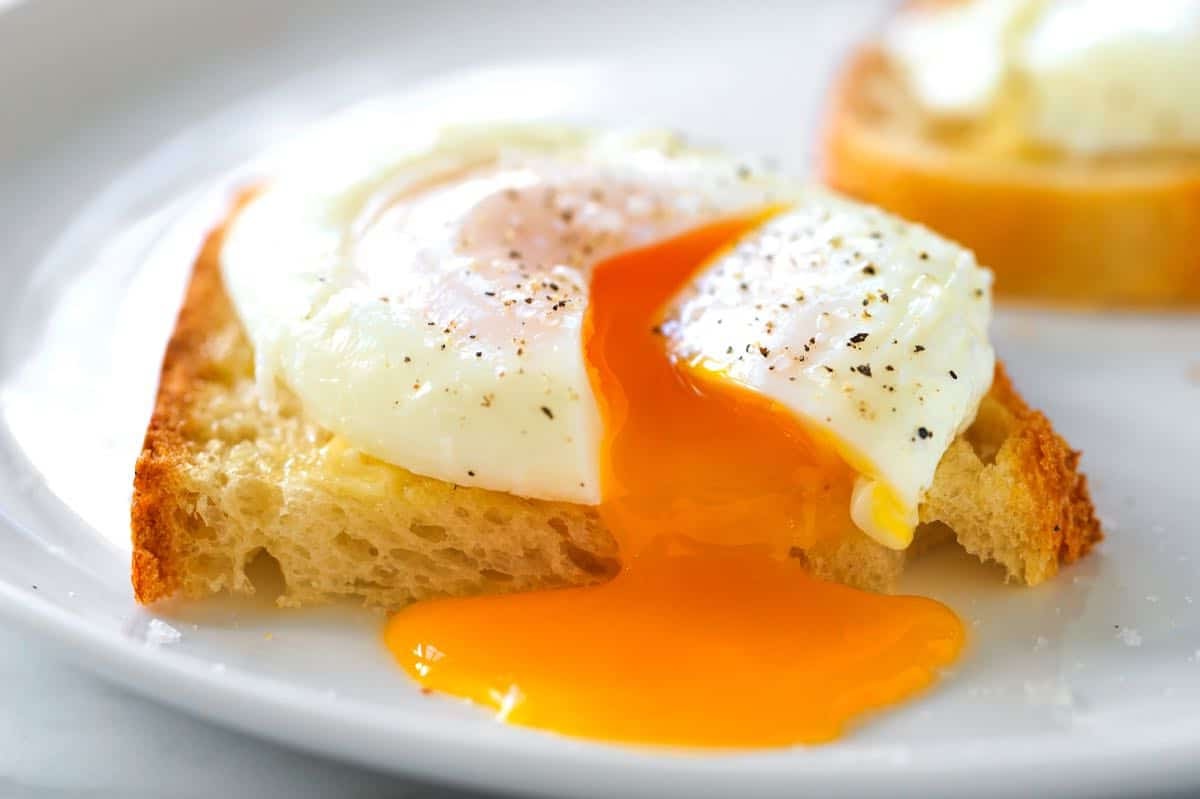
- Poached Egg Recipe8 Minutes
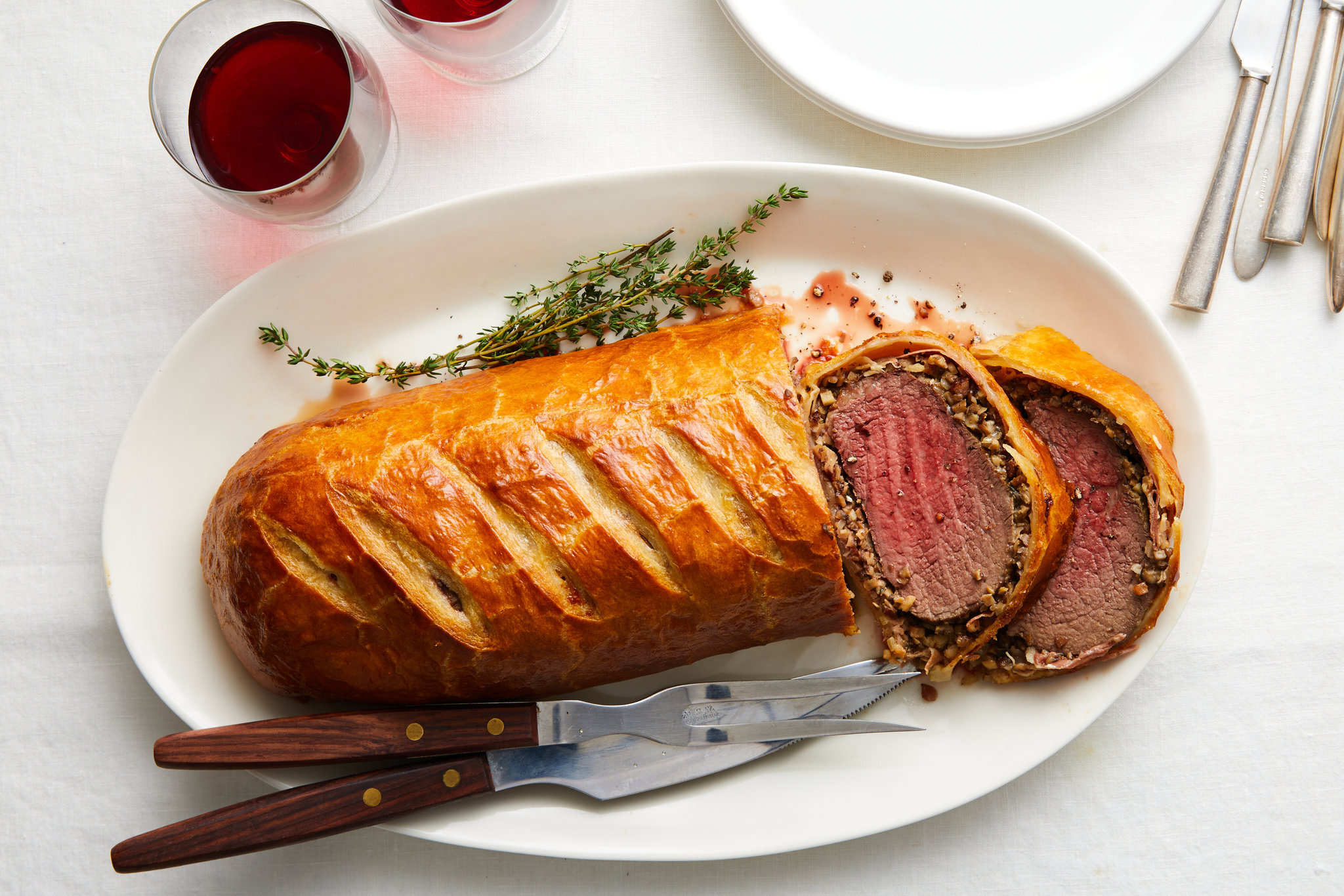
- Beef Wellingtons Recipe1 Hours 15 Minutes
- Italian Sausage Recipe30 Minutes
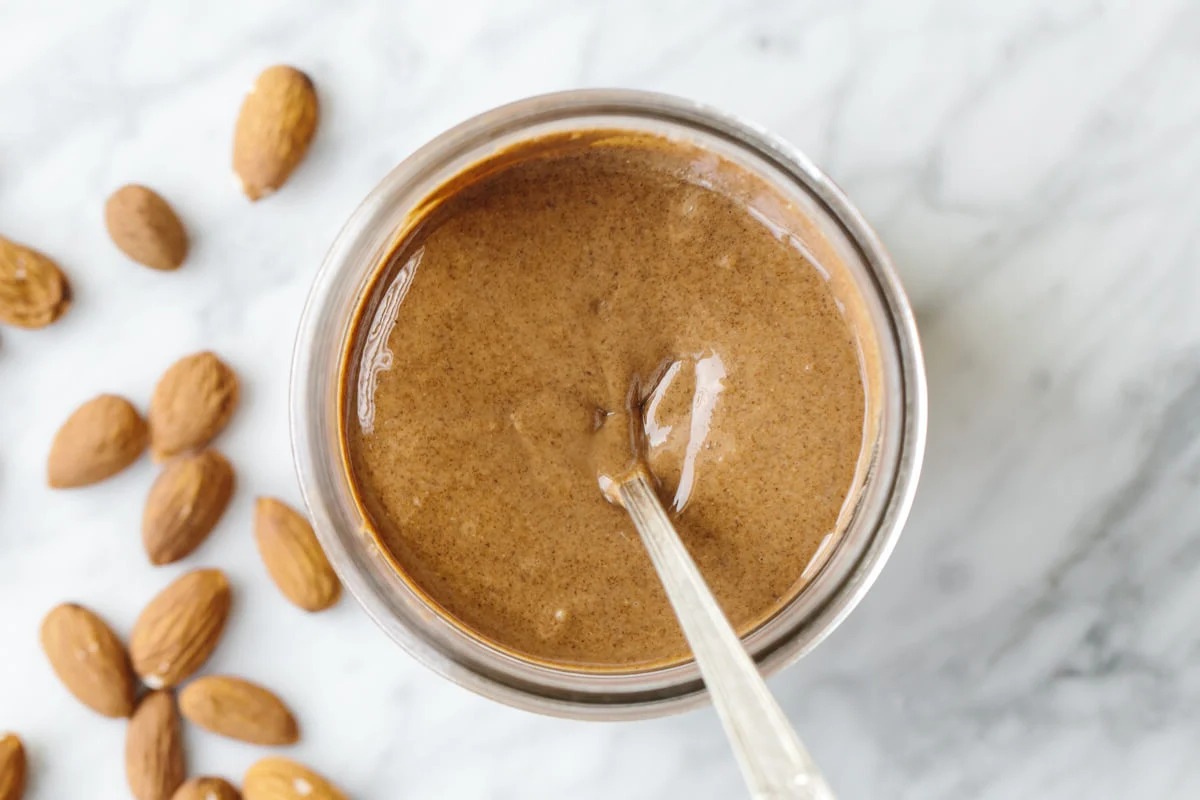
- Almond Butter Recipe25 Minutes
- Slow Cooker Chicken Recipe4 Hours 10 Minutes
- Pumpkin Shells Recipe45 Minutes
- Air Fryer Chicken Fajitas Recipe25 Minutes





Leave a Reply