

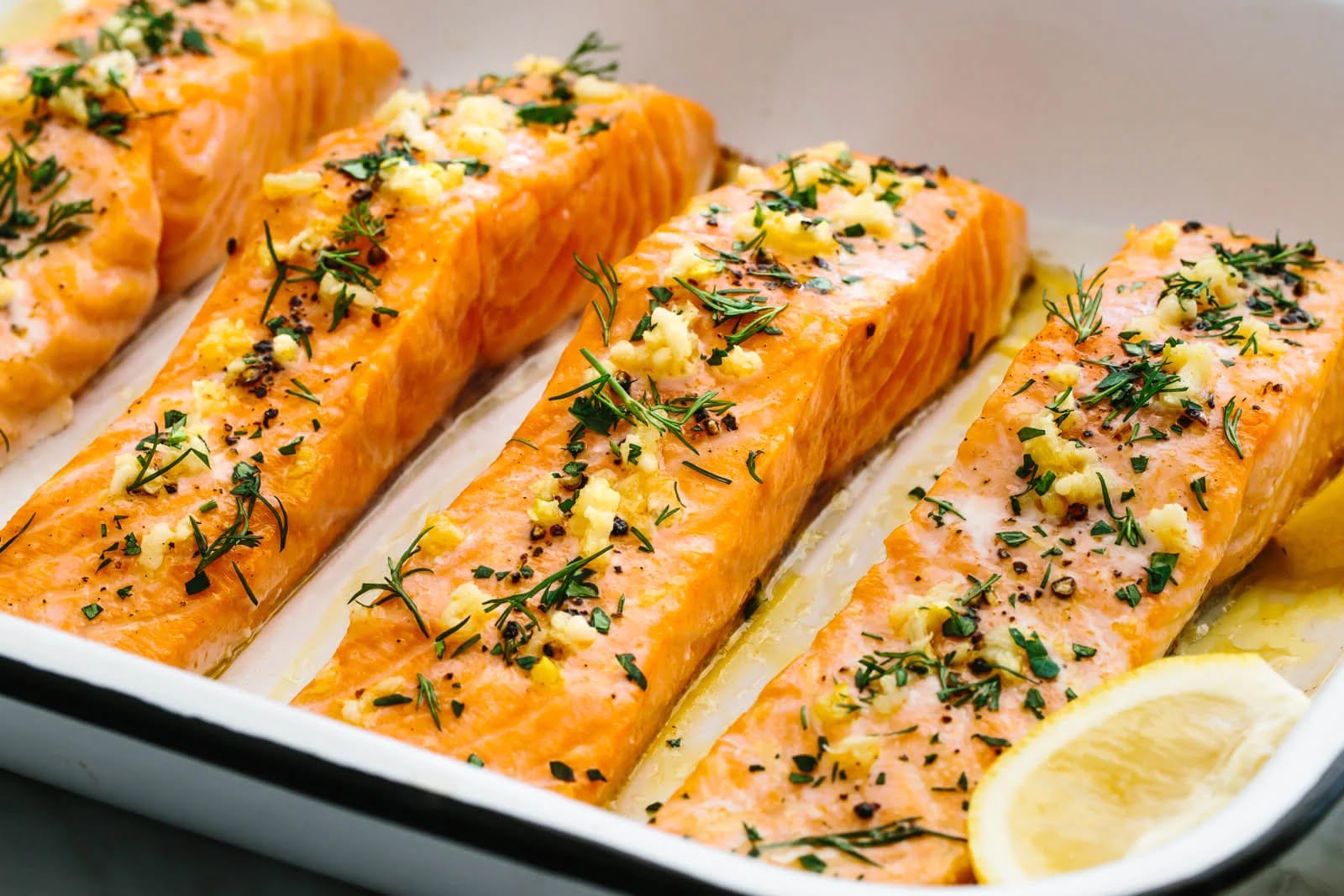
Broiled haddock is a simple yet delicious dish that highlights the delicate flavor of the fish. This recipe is perfect for a quick weeknight dinner or a light lunch, offering a healthy and flavorful option that is easy to prepare.
Most of the ingredients in this recipe are common pantry staples, but if you don't usually cook fish, you might need to pick up fresh haddock fillets from the seafood section of your supermarket. Freshly squeezed lemon juice is recommended for the best flavor, so be sure to grab a lemon if you don't have one at home.

Ingredients for Broiled Haddock Recipe
Haddock: A mild-flavored white fish that is perfect for broiling.
Olive oil: Used to brush the fish, adding moisture and a subtle flavor.
Salt: Enhances the natural flavors of the fish.
Freshly ground black pepper: Adds a touch of heat and depth to the dish.
Freshly squeezed lemon juice: Provides a bright, tangy finish to the broiled fish.
Technique Tip for This Recipe
To ensure your haddock fillets cook evenly, make sure they are of uniform thickness. If some fillets are thicker than others, you can use a sharp knife to carefully slice them to a more consistent size. This will help them cook at the same rate under the broiler and prevent any pieces from being undercooked or overcooked.
Suggested Side Dishes
Alternative Ingredients
haddock - Substitute with cod: Cod has a similar mild flavor and flaky texture, making it a great alternative to haddock.
haddock - Substitute with tilapia: Tilapia is another mild-flavored fish that can be used in place of haddock, though it has a slightly firmer texture.
olive oil - Substitute with grapeseed oil: Grapeseed oil has a neutral flavor and a high smoke point, making it suitable for broiling.
olive oil - Substitute with avocado oil: Avocado oil is also neutral in flavor and has a high smoke point, making it a good alternative for broiling fish.
salt - Substitute with sea salt: Sea salt can be used in the same quantity and provides a similar level of seasoning.
salt - Substitute with kosher salt: Kosher salt has larger crystals but can be used in the same amount to season the fish.
freshly ground black pepper - Substitute with white pepper: White pepper has a milder flavor and can be used if you prefer a less pungent taste.
freshly ground black pepper - Substitute with lemon pepper: Lemon pepper adds a citrusy note along with the peppery flavor, complementing the fish well.
freshly squeezed lemon juice - Substitute with lime juice: Lime juice provides a similar acidic and citrusy flavor, making it a good alternative to lemon juice.
freshly squeezed lemon juice - Substitute with white wine vinegar: White wine vinegar offers a similar acidity and can be used in the same quantity to add brightness to the dish.
Alternative Recipes to Try
How to Store or Freeze Your Dish
- Allow the haddock fillets to cool to room temperature before storing. This helps prevent condensation, which can make the fish soggy.
- Place the cooled fillets in an airtight container or wrap them tightly in plastic wrap. For added protection, you can also wrap them in aluminum foil.
- Store the broiled haddock in the refrigerator if you plan to consume it within 2-3 days. This keeps the fish fresh and maintains its flavor.
- For longer storage, freeze the fillets. Lay them flat on a baking sheet lined with parchment paper and place them in the freezer for about 1-2 hours, or until they are firm. This prevents them from sticking together.
- Once the fillets are firm, transfer them to a freezer-safe bag or container. Label the container with the date to keep track of freshness.
- When ready to eat, thaw the haddock in the refrigerator overnight. Avoid thawing at room temperature to prevent bacterial growth.
- Reheat the fillets gently in a preheated oven at 350°F (175°C) for about 10-15 minutes, or until warmed through. You can also reheat them in a skillet over medium heat, adding a touch of olive oil to prevent sticking.
- To enhance the flavor, drizzle with fresh lemon juice and a sprinkle of salt and pepper before serving.
How to Reheat Leftovers
Oven Method:
- Preheat your oven to 275°F (135°C).
- Place the leftover haddock fillets on a baking sheet lined with parchment paper or lightly greased with olive oil.
- Cover the fillets with aluminum foil to prevent them from drying out.
- Heat in the oven for about 10-15 minutes, or until the fish is warmed through.
Stovetop Method:
- Heat a non-stick skillet over medium-low heat.
- Add a small amount of olive oil or butter to the skillet.
- Place the haddock fillets in the skillet and cover with a lid.
- Cook for about 3-5 minutes on each side, or until the fish is heated through.
Microwave Method:
- Place the haddock fillets on a microwave-safe plate.
- Cover the plate with a microwave-safe lid or another microwave-safe plate to trap moisture.
- Heat on medium power for 1-2 minutes, checking frequently to avoid overcooking.
- If needed, continue heating in 30-second intervals until the fish is warmed through.
Steaming Method:
- Fill a pot with a small amount of water and bring it to a simmer.
- Place a steamer basket over the pot, ensuring the water does not touch the basket.
- Place the haddock fillets in the steamer basket and cover with a lid.
- Steam for about 5-7 minutes, or until the fish is heated through.
Air Fryer Method:
- Preheat your air fryer to 300°F (150°C).
- Lightly grease the air fryer basket with olive oil.
- Place the haddock fillets in the basket in a single layer.
- Heat for about 5-7 minutes, or until the fish is warmed through, shaking the basket halfway through to ensure even heating.
Best Tools for This Recipe
Broiler: A high-heat cooking element in your oven that will cook the haddock fillets quickly from above.
Baking sheet: A flat metal tray used to hold the haddock fillets while they broil.
Aluminum foil: Used to line the baking sheet for easy cleanup and to prevent the fish from sticking.
Olive oil brush: A brush used to apply olive oil evenly on the fillets.
Measuring spoons: Used to measure the olive oil, salt, and pepper accurately.
Fork: Used to check if the fish is done by seeing if it flakes easily.
Lemon squeezer: A tool to extract fresh lemon juice to drizzle over the cooked haddock.
Oven mitts: Protective gloves to safely handle the hot baking sheet when removing it from the oven.
How to Save Time on This Recipe
Preheat in advance: Preheat your broiler while you prepare the haddock fillets to save time.
Use foil: Lining the baking sheet with aluminum foil makes cleanup quicker.
Brush efficiently: Use a silicone brush to apply olive oil evenly and quickly.
Season ahead: Mix salt and black pepper in a small bowl before seasoning the fillets.
Lemon juice prep: Squeeze lemon juice into a small bowl before cooking to drizzle immediately after broiling.
Check doneness: Use a fork to check if the fish flakes easily, ensuring it's cooked perfectly without overcooking.
Broiled Haddock Recipe
Ingredients
Main Ingredients
- 4 fillets Haddock about 6 oz each
- 2 tablespoon Olive Oil
- 1 teaspoon Salt
- 1 teaspoon Black Pepper freshly ground
- 1 tablespoon Lemon Juice freshly squeezed
Instructions
- Preheat your broiler to high.
- Line a baking sheet with aluminum foil and lightly grease it with olive oil.
- Place the haddock fillets on the prepared baking sheet.
- Brush the fillets with olive oil and season with salt and freshly ground black pepper.
- Broil the fillets for about 8-10 minutes, or until the fish is opaque and flakes easily with a fork.
- Remove from the oven and drizzle with fresh lemon juice before serving.
Nutritional Value
Keywords
Suggested Appetizers and Desserts
More Amazing Recipes to Try 🙂
- Baked Mahi Mahi Recipe30 Minutes
- Meatballs Recipe45 Minutes
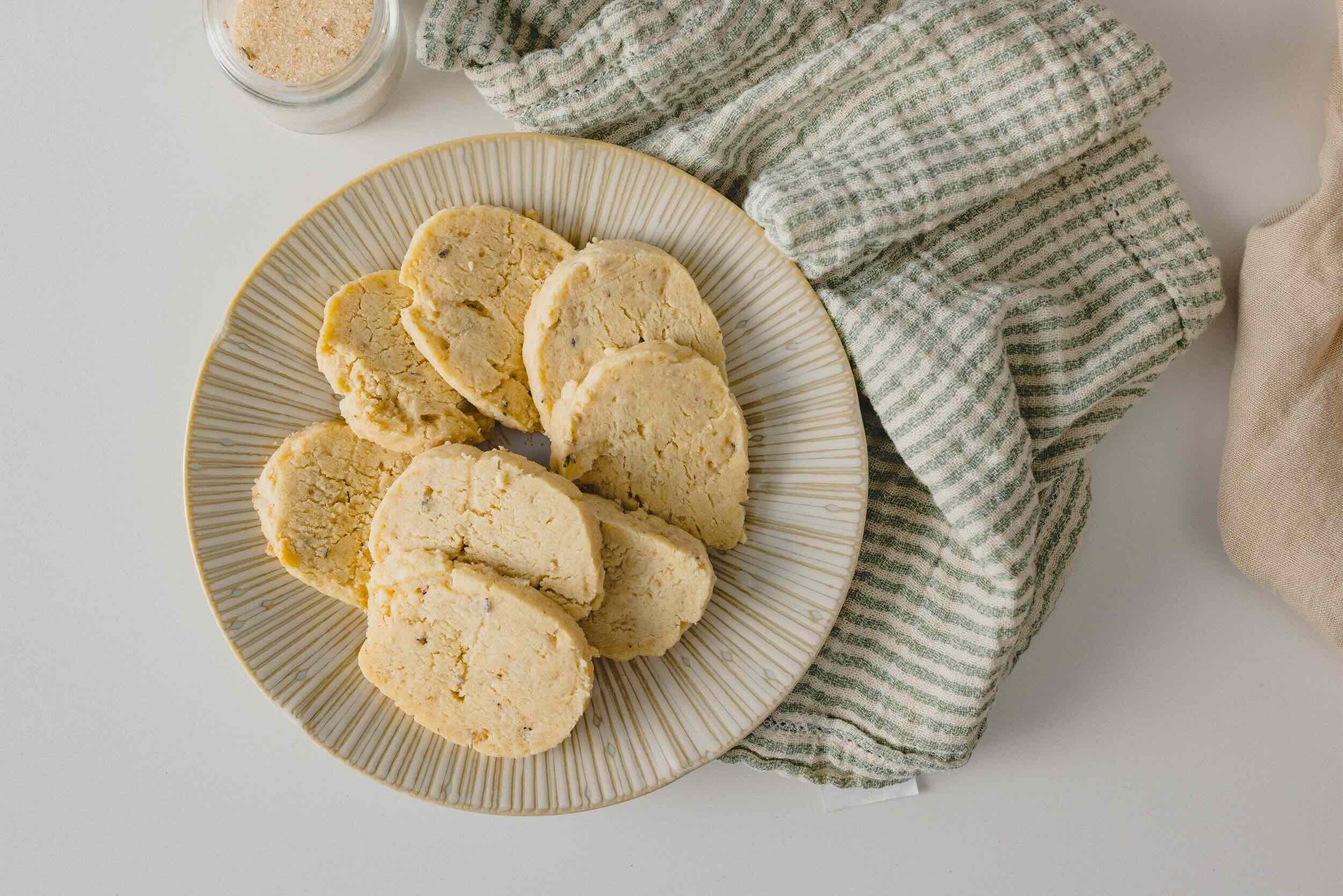
- Lemon Lavender Shortbread Cookies Recipe35 Minutes
- Mexican Sopes Recipe50 Minutes
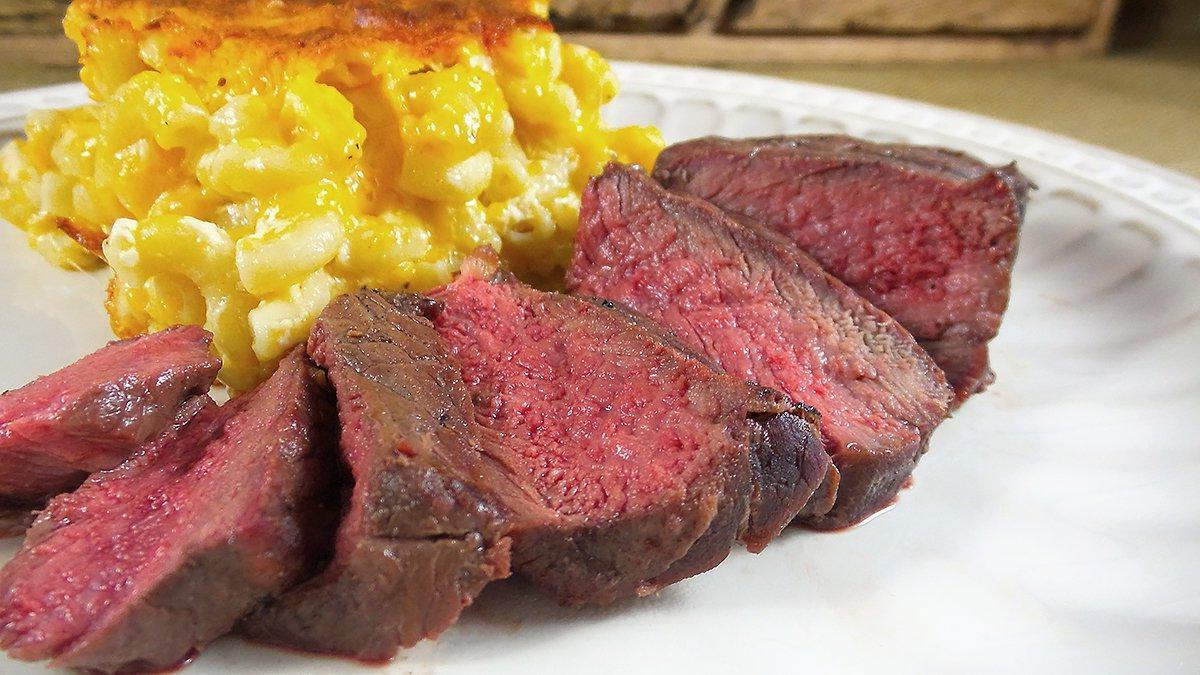
- Elk Steak Marinade Recipe25 Minutes
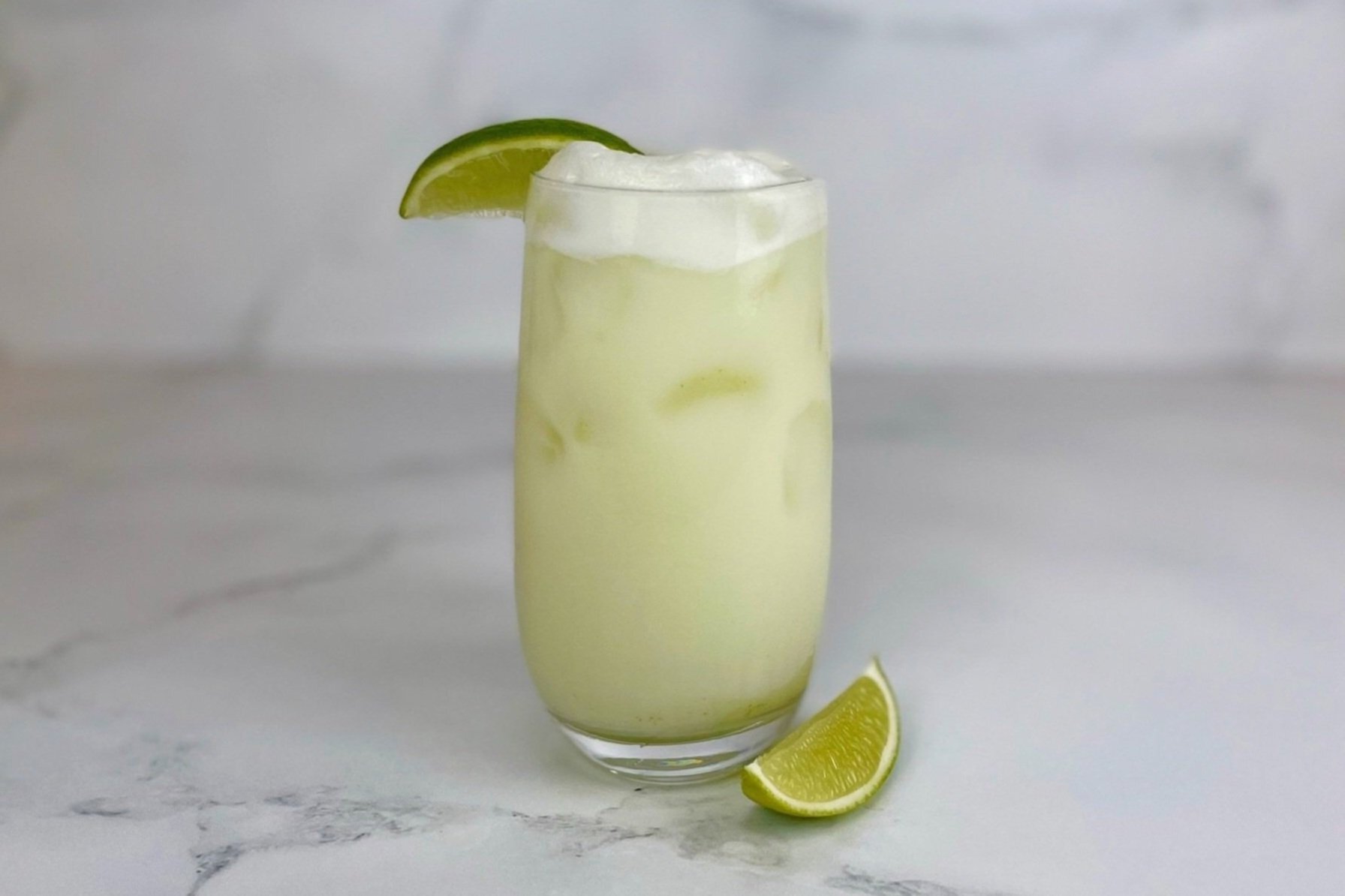
- Brazilian Lemonade Recipe10 Minutes
- Shipwreck Dinner Recipe1 Hours
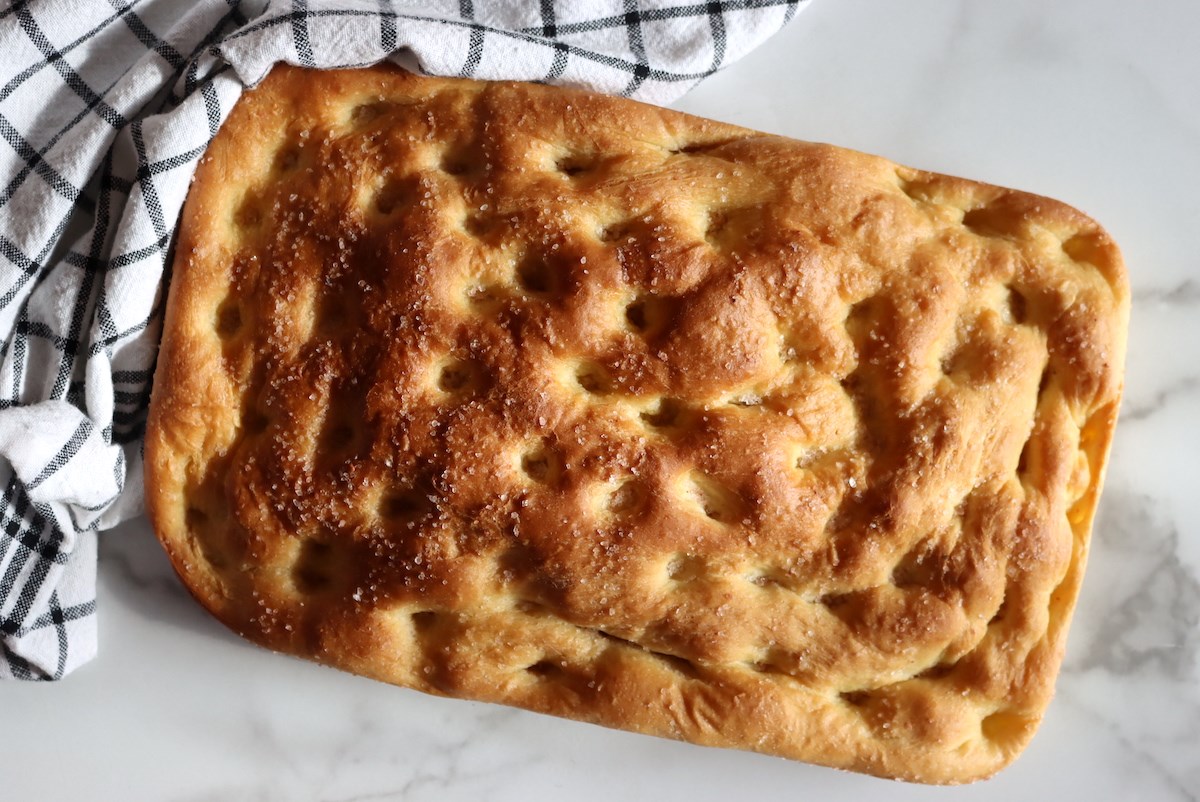
- Bread Machine Focaccia Recipe35 Minutes







Leave a Reply