

Experience the delightful combination of flavors and textures with this tuna roll recipe. Perfect for sushi enthusiasts and beginners alike, this dish brings together the creamy richness of tuna with the subtle tang of soy sauce and mayonnaise. Wrapped in nori and paired with perfectly cooked sushi rice, these rolls are a delicious treat for any occasion. Whether you're hosting a dinner party or simply craving a homemade sushi experience, these tuna rolls are sure to impress.
When preparing this recipe, you might find that nori and sushi rice are not common pantry staples. Nori is a type of seaweed used for wrapping sushi, and it can usually be found in the international or Asian food aisle of your supermarket. Sushi rice is a short-grain rice that becomes sticky when cooked, essential for holding the roll together. If you don't have these ingredients at home, make sure to add them to your shopping list.
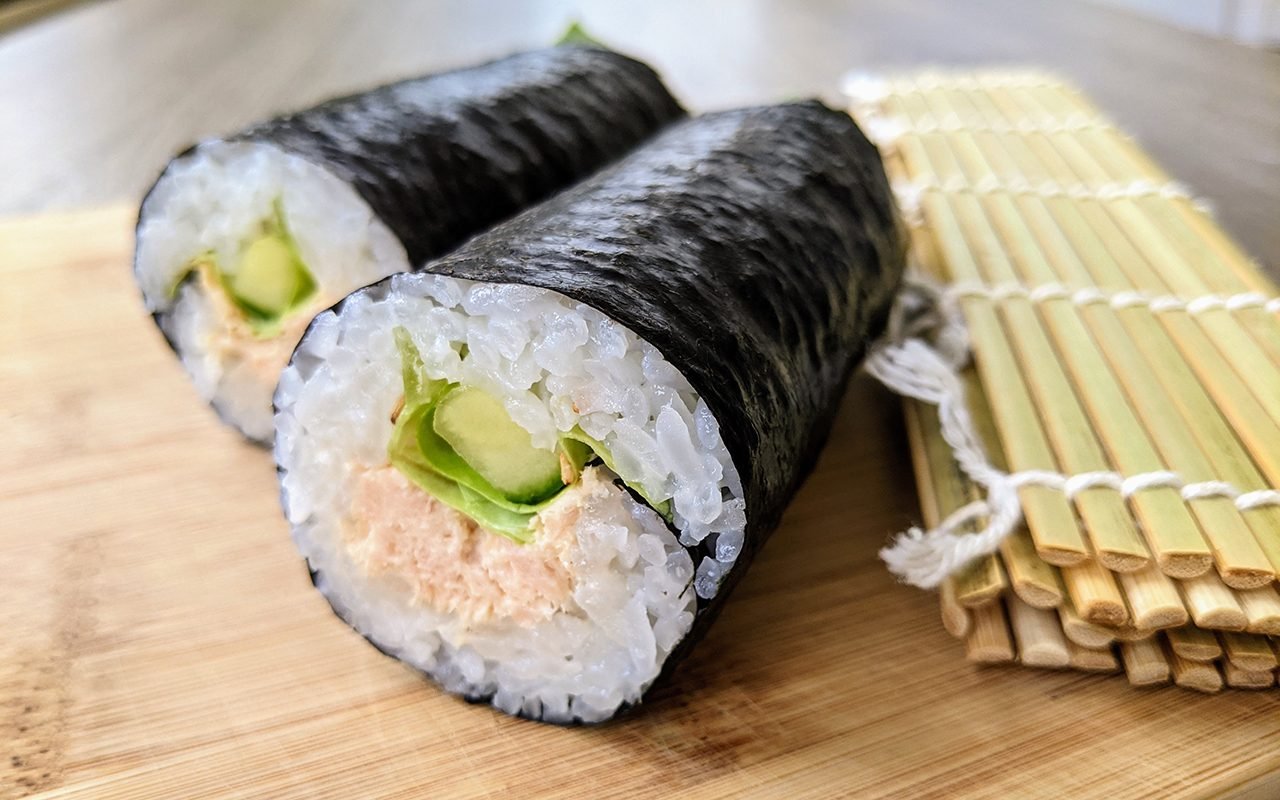
Ingredients For Tuna Roll Recipe
Sushi rice: A short-grain rice that becomes sticky when cooked, perfect for making sushi rolls.
Tuna: Canned tuna, which is mixed with other ingredients to create a flavorful filling.
Nori: Dried seaweed sheets used to wrap the sushi rolls, providing a distinct umami flavor.
Mayonnaise: Adds creaminess and richness to the tuna filling.
Soy sauce: Provides a salty, savory flavor that enhances the taste of the tuna.
Rice vinegar: Used to season the sushi rice, giving it a slightly tangy taste.
Technique Tip for This Recipe
When preparing sushi rice, ensure it is seasoned properly with rice vinegar to enhance its flavor and stickiness, which is crucial for rolling. After cooking, gently fold the vinegar into the rice while it's still warm, using a wooden spatula to avoid crushing the grains. Allow the rice to cool to room temperature before assembling the tuna roll to prevent the nori from becoming soggy.
Suggested Side Dishes
Alternative Ingredients
sushi rice - Substitute with short-grain white rice: Short-grain white rice has a similar sticky texture when cooked, making it a suitable alternative for sushi rice.
sushi rice - Substitute with quinoa: For a healthier option, quinoa can be used as it has a similar texture and can absorb flavors well.
tuna - Substitute with salmon: Canned salmon provides a similar texture and flavor profile, making it a good substitute for tuna.
tuna - Substitute with chickpeas: Mashed chickpeas can mimic the texture of tuna and offer a plant-based alternative.
nori - Substitute with rice paper: Rice paper can be used to wrap the roll, providing a different texture while still holding the ingredients together.
nori - Substitute with lettuce leaves: Lettuce leaves can be used for a fresh and crunchy alternative to nori.
mayonnaise - Substitute with Greek yogurt: Greek yogurt offers a creamy texture similar to mayonnaise with fewer calories and added protein.
mayonnaise - Substitute with avocado: Mashed avocado provides creaminess and healthy fats, making it a nutritious alternative to mayonnaise.
soy sauce - Substitute with tamari: Tamari is a gluten-free alternative to soy sauce with a similar flavor profile.
soy sauce - Substitute with coconut aminos: Coconut aminos offer a slightly sweeter taste and are a soy-free alternative to soy sauce.
rice vinegar - Substitute with apple cider vinegar: Apple cider vinegar provides a similar acidity and tanginess, making it a suitable substitute for rice vinegar.
rice vinegar - Substitute with white wine vinegar: White wine vinegar can be used as it has a comparable acidity level to rice vinegar.
Alternative Recipes Similar to This Dish
How to Store or Freeze This Dish
Allow the freshly made tuna rolls to cool to room temperature before storing. This prevents condensation from forming, which can make the nori soggy.
Wrap each tuna roll tightly in plastic wrap. This helps maintain the shape and keeps the sushi rice from drying out.
Place the wrapped rolls in an airtight container. This adds an extra layer of protection against moisture and odors from other foods in the refrigerator.
Store the container in the refrigerator if you plan to consume the tuna rolls within 24 hours. For best taste and texture, enjoy them as soon as possible.
If you wish to freeze the tuna rolls, wrap them in an additional layer of aluminum foil after the plastic wrap. This helps prevent freezer burn.
Label the container with the date of freezing. This ensures you keep track of how long the tuna rolls have been stored.
Place the container in the coldest part of the freezer. The tuna rolls can be stored for up to one month.
When ready to enjoy, thaw the tuna rolls in the refrigerator overnight. Avoid using a microwave, as it can alter the texture of the sushi rice and nori.
Once thawed, consume the tuna rolls within 24 hours for optimal freshness and flavor.
How to Reheat Leftovers
Gently steam: Place your leftover tuna roll pieces in a bamboo steamer lined with parchment paper. Steam over simmering water for about 3-5 minutes. This method helps maintain the moisture of the sushi rice and keeps the tuna filling tender.
Microwave with care: Wrap each piece of tuna roll in a damp paper towel and place them on a microwave-safe plate. Heat on low power for 10-15 seconds. This prevents the nori from becoming too chewy while gently warming the tuna.
Oven refresh: Preheat your oven to 275°F (135°C). Arrange the tuna roll pieces on a baking sheet lined with parchment paper. Cover them loosely with aluminum foil to prevent drying out, and warm for about 5-7 minutes.
Skillet sear: Heat a non-stick skillet over medium heat. Lightly coat the pan with a bit of olive oil. Place the tuna roll pieces in the skillet and sear each side for about 1-2 minutes. This method adds a slight crispiness to the nori while warming the inside.
Sous vide precision: Seal the tuna roll pieces in a vacuum-sealed bag. Submerge them in a water bath set to 140°F (60°C) for about 15 minutes. This technique ensures even heating without compromising the texture of the sushi rice or tuna.
Essential Tools for This Recipe
Sushi mat: A bamboo mat used to roll the sushi tightly, ensuring the ingredients are compact and the roll holds its shape.
Sharp knife: Essential for slicing the sushi roll into bite-sized pieces without crushing it, providing clean and precise cuts.
Mixing bowl: Used to combine the drained tuna with mayonnaise and soy sauce, ensuring an even mixture.
Rice cooker: Ideal for cooking sushi rice to the perfect consistency, following the package instructions.
Measuring cups: Useful for accurately measuring the sushi rice to ensure the right amount is cooked.
Spoon: Handy for spreading the sushi rice evenly over the nori sheet and for mixing the tuna filling.
Cutting board: Provides a stable surface for slicing the sushi roll into pieces.
Tuna Roll Recipe
Ingredients
Main Ingredients
- 2 cups Sushi Rice
- 1 can Tuna drained
- 4 sheets Nori
- 1 tablespoon Mayonnaise
- 1 teaspoon Soy Sauce
- 1 teaspoon Rice Vinegar
Instructions
- 1. Cook the sushi rice according to the package instructions.
- 2. In a bowl, mix the drained tuna with mayonnaise and soy sauce.
- 3. Lay a sheet of nori on the sushi mat. Spread an even layer of sushi rice over the nori, leaving a small border at the top.
- 4. Place a line of the tuna mixture along the bottom edge of the rice.
- 5. Roll the sushi tightly using the mat, then slice into bite-sized pieces with a sharp knife.
Nutritional Value
Keywords
Suggested Appetizers and Desserts
More Amazing Recipes to Try 🙂
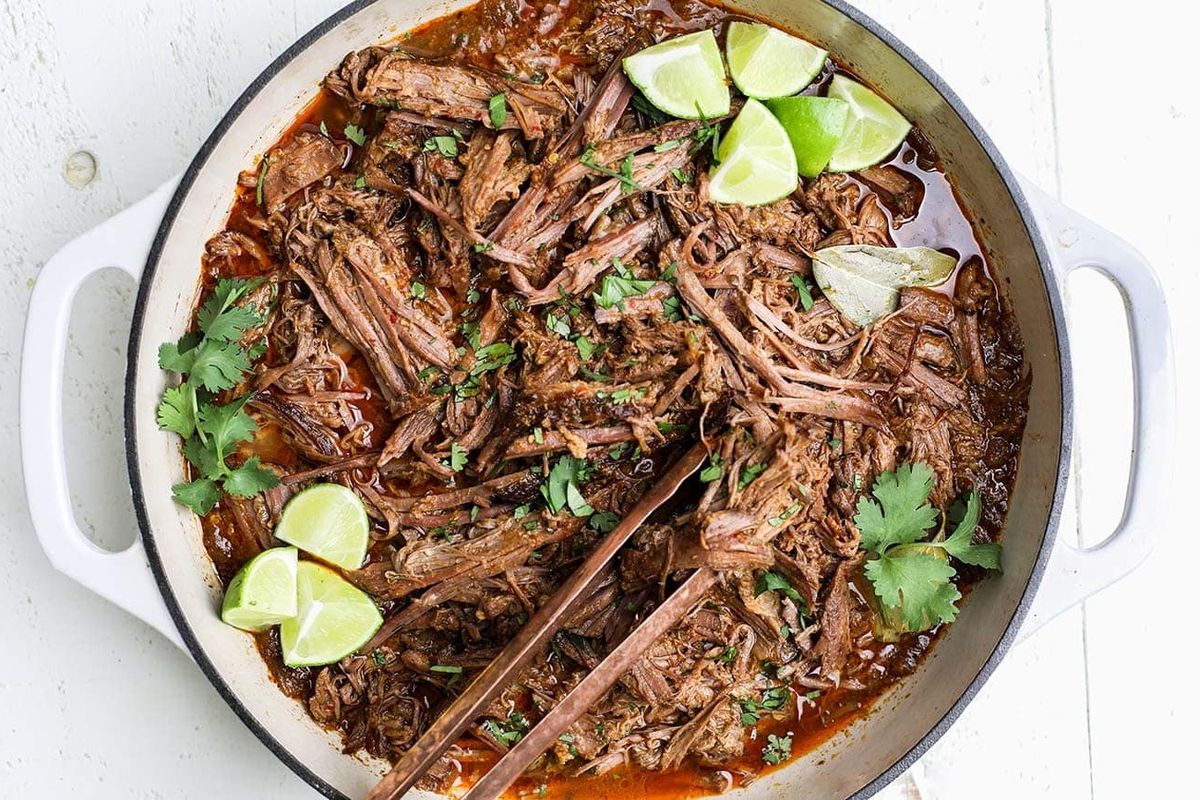
- Barbacoa Meat Recipe8 Hours 20 Minutes
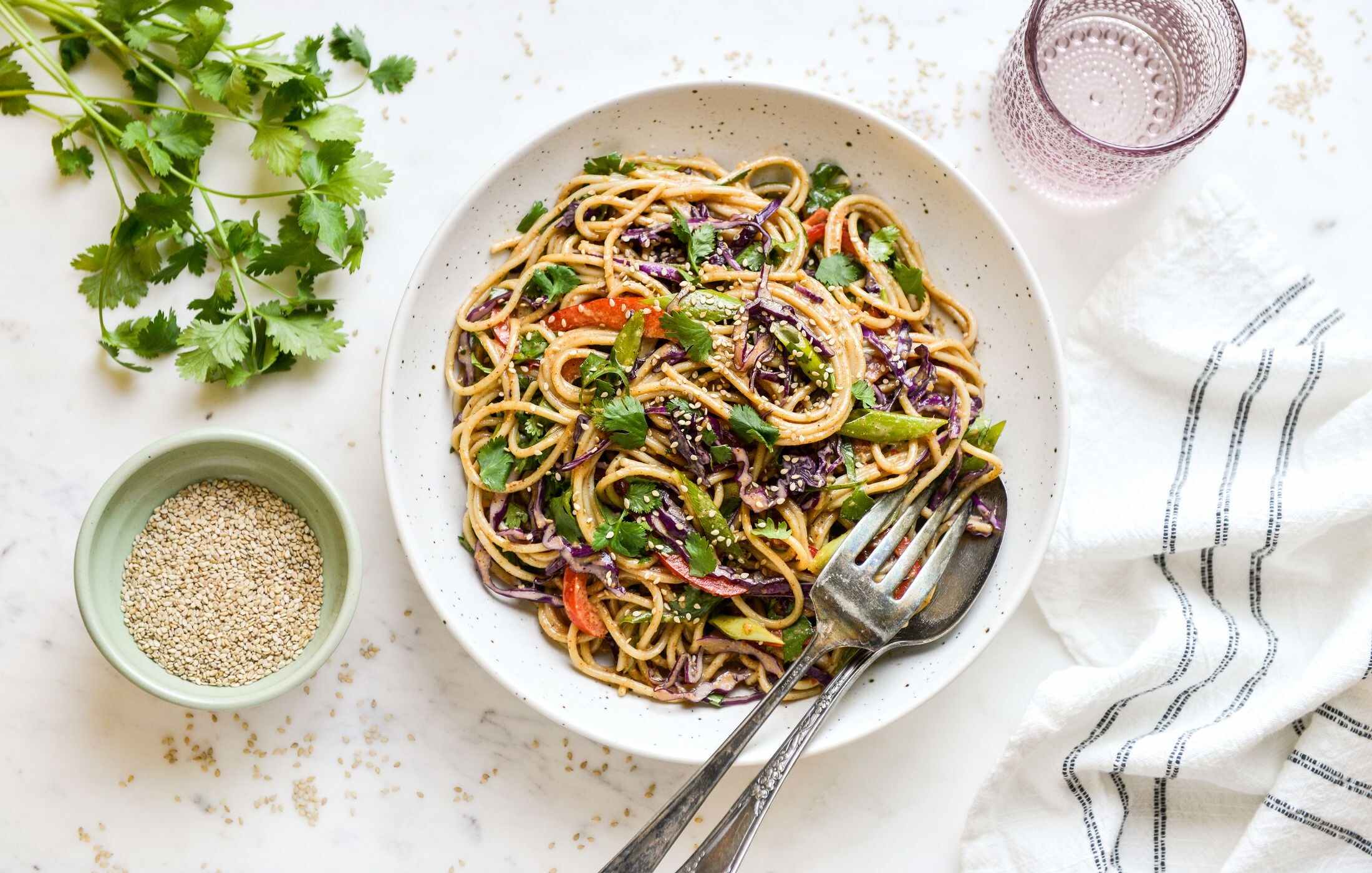
- Sesame Ginger Noodle Recipe25 Minutes
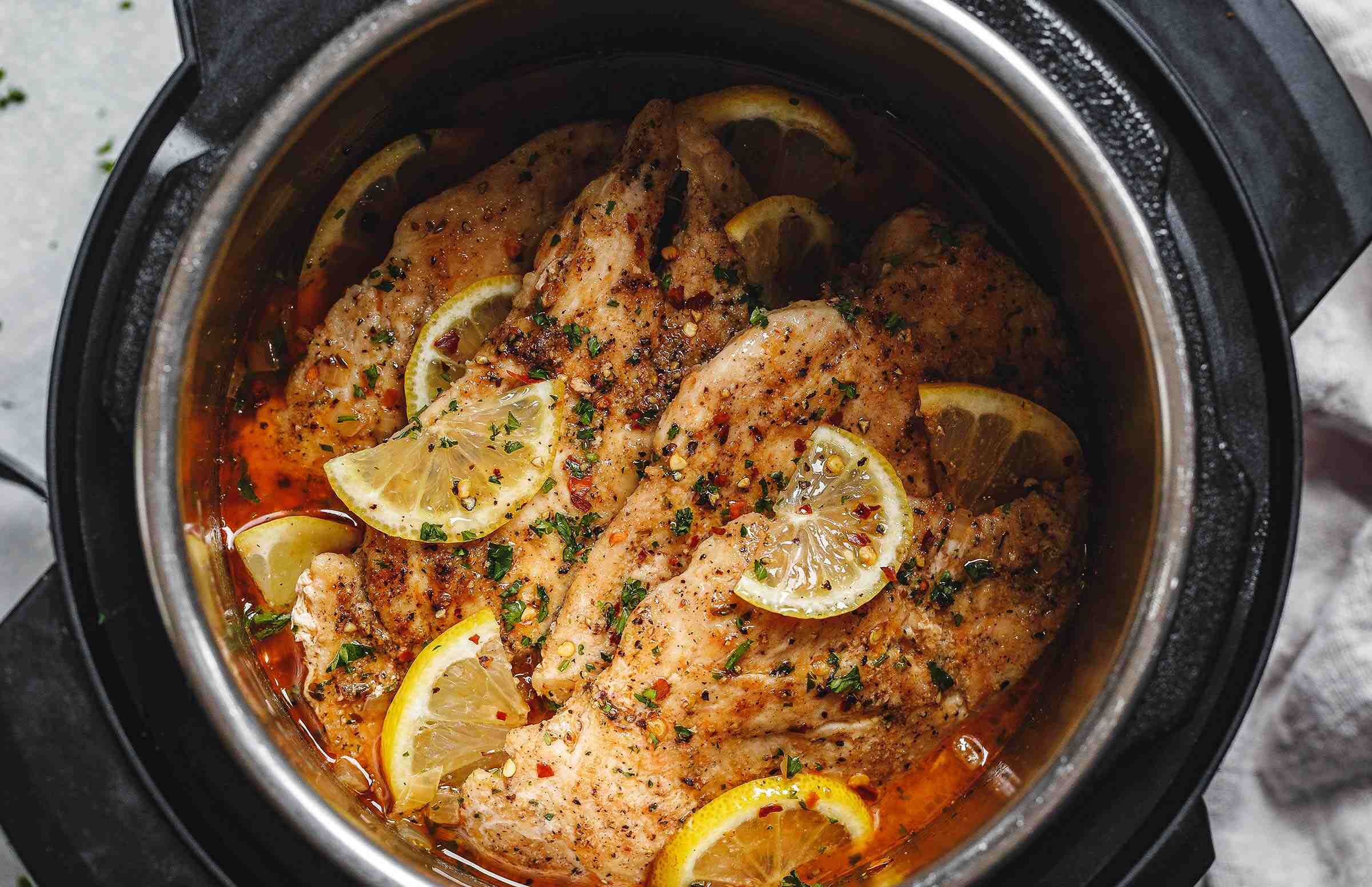
- Instant Pot Chicken Breast Recipe30 Minutes
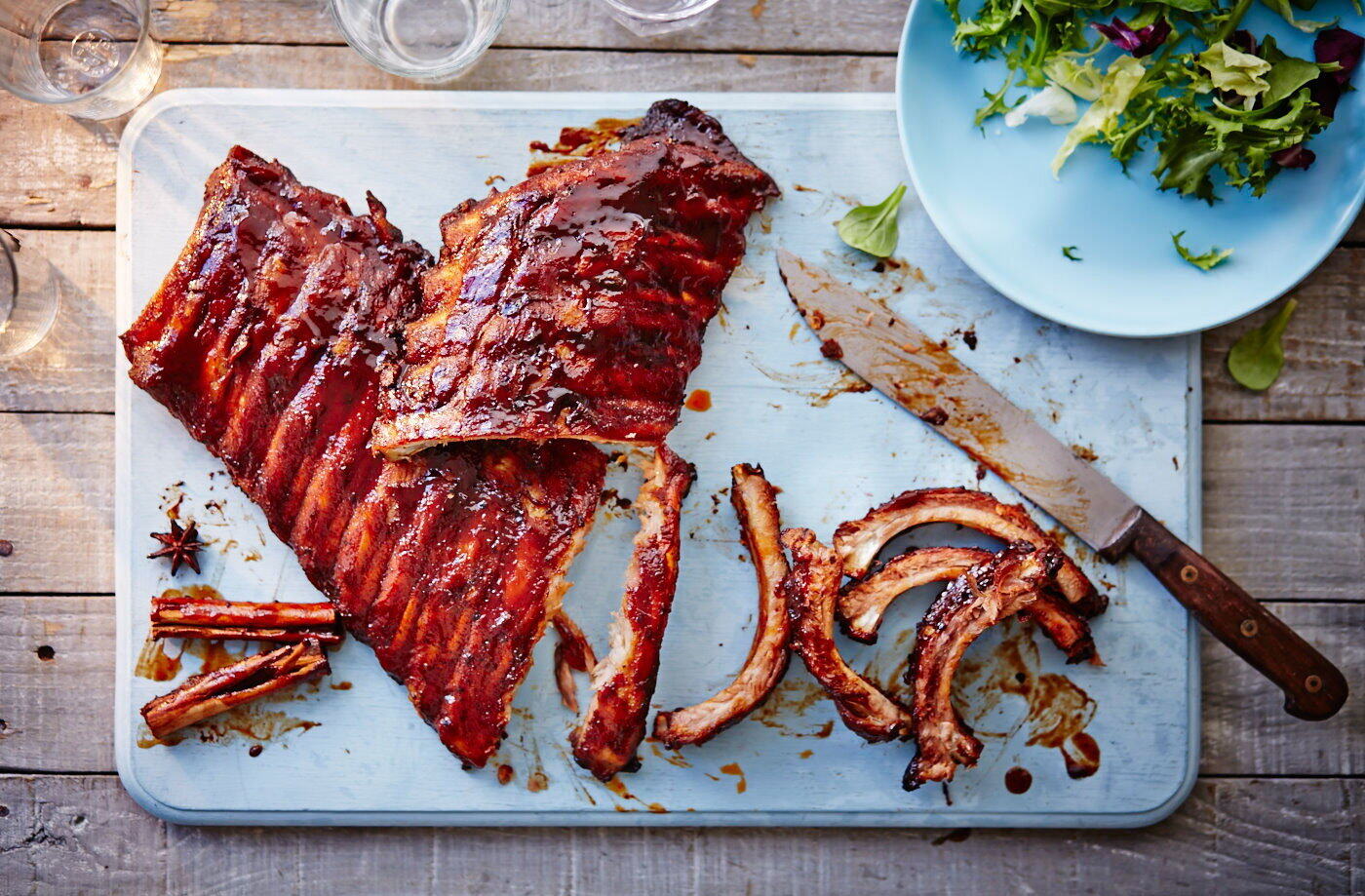
- Baby Back Ribs Recipe3 Hours 15 Minutes
- Copycat Burger and Fries Recipe50 Minutes
- Coffee Liqueur Recipe20 Minutes
- Pasta Pomodoro Recipe30 Minutes
- Mushroom Thyme Crostini Recipe25 Minutes






Leave a Reply