
The reverse sear method is a game-changer for achieving a perfectly cooked prime rib roast. This technique ensures that the meat is evenly cooked from edge to edge, with a beautifully browned and crispy exterior. Whether you're hosting a holiday feast or a special dinner, this recipe will impress your guests with its flavor and tenderness.
When preparing this recipe, you may need to visit the supermarket for a few key ingredients. Prime rib roast is not always a staple in every household, so be sure to ask your butcher for a high-quality cut. Additionally, kosher salt and freshly ground black pepper are essential for seasoning, while minced garlic and olive oil add depth and richness to the flavor profile.
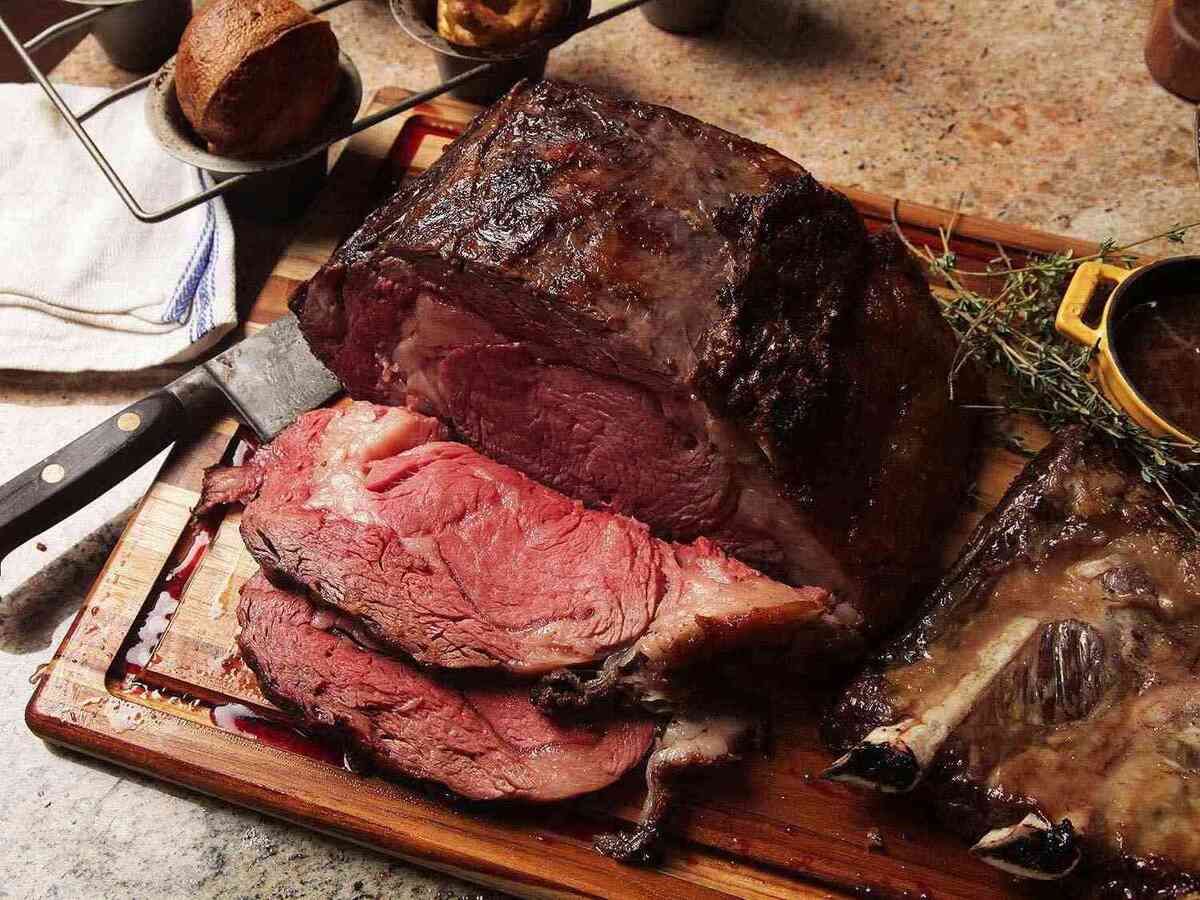
Ingredients for Reverse Sear Prime Rib Roast Recipe
Prime rib roast: A high-quality cut of beef that is perfect for roasting, known for its tenderness and rich flavor.
Kosher salt: A coarse-grained salt that is excellent for seasoning meat, helping to enhance the natural flavors.
Freshly ground black pepper: Adds a sharp, pungent flavor that complements the richness of the beef.
Minced garlic: Provides a robust, aromatic flavor that infuses the meat with a savory taste.
Olive oil: Used to coat the roast, helping to create a crispy, browned exterior.
Technique Tip for This Recipe
When seasoning the prime rib roast, ensure that you apply the kosher salt and freshly ground black pepper evenly across the entire surface. This not only enhances the flavor but also helps to create a beautiful crust. Additionally, when you rub the minced garlic and olive oil into the meat, make sure to massage it thoroughly. This allows the flavors to penetrate deeper into the roast, resulting in a more flavorful and aromatic dish.
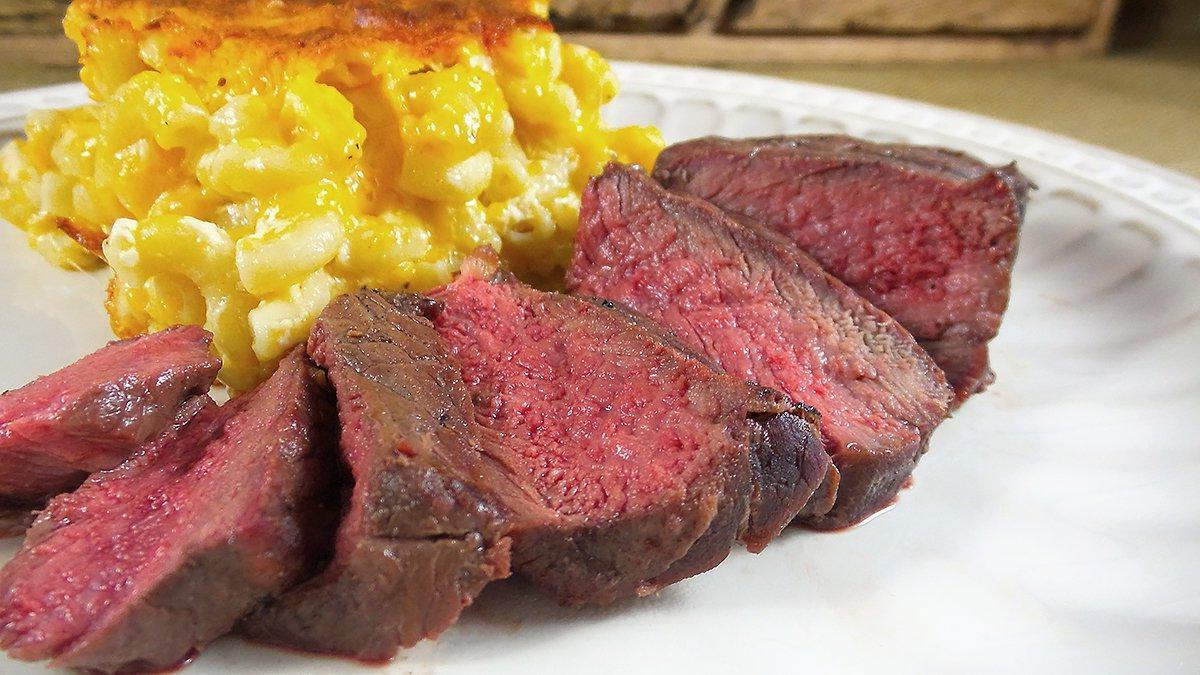
Suggested Side Dishes
Alternative Ingredients
prime rib roast - Substitute with ribeye roast: Ribeye roast has a similar marbling and flavor profile, making it a suitable alternative for a prime rib roast.
prime rib roast - Substitute with top sirloin roast: Top sirloin roast is leaner but still flavorful, offering a more economical option while maintaining a good texture.
kosher salt - Substitute with sea salt: Sea salt has a similar coarse texture and salinity, making it a good substitute for kosher salt.
kosher salt - Substitute with table salt: Use slightly less table salt as it is finer and more concentrated in flavor compared to kosher salt.
freshly ground black pepper - Substitute with white pepper: White pepper provides a similar heat and flavor, though it is slightly milder and less pungent.
freshly ground black pepper - Substitute with cayenne pepper: Cayenne pepper adds a different kind of heat and a bit of color, but use it sparingly as it is much spicier.
minced garlic - Substitute with garlic powder: Garlic powder can provide a similar flavor, though it is less intense and lacks the texture of fresh garlic.
minced garlic - Substitute with shallots: Shallots offer a milder, sweeter flavor that can complement the roast well, though it will be less garlicky.
olive oil - Substitute with canola oil: Canola oil has a neutral flavor and a high smoke point, making it a good alternative for roasting.
olive oil - Substitute with grapeseed oil: Grapeseed oil is another neutral-flavored oil with a high smoke point, suitable for high-heat cooking like roasting.
Other Alternative Recipes Similar to This Dish
How to Store or Freeze This Dish
Allow the prime rib roast to cool completely at room temperature before storing. This helps prevent condensation, which can make the meat soggy.
Wrap the roast tightly in aluminum foil or plastic wrap. Ensure there are no gaps to keep the meat fresh and prevent it from absorbing any odors from the refrigerator.
Place the wrapped roast in an airtight container or a resealable plastic bag. This adds an extra layer of protection against moisture and odors.
Store the roast in the refrigerator if you plan to consume it within 3-4 days. For longer storage, place it in the freezer.
To freeze, label the container or bag with the date to keep track of its freshness. The prime rib roast can be frozen for up to 3 months without significant loss of quality.
When ready to reheat, thaw the roast in the refrigerator for 24-48 hours. This slow thawing process helps maintain the meat's texture and flavor.
For reheating, preheat your oven to 250°F (121°C). Place the roast on a rack in a roasting pan and cover it loosely with aluminum foil.
Heat the roast until it reaches an internal temperature of 120°F (49°C) for medium-rare. This should take about 20-30 minutes, depending on the size of the roast.
For a crispy exterior, increase the oven temperature to 500°F (260°C) and cook for an additional 5-10 minutes, keeping a close eye to avoid burning.
Let the reheated roast rest for 10 minutes before slicing. This allows the juices to redistribute, ensuring each slice is juicy and flavorful.
How to Reheat Leftovers
Oven Method:
- Preheat your oven to 250°F (120°C).
- Place the prime rib roast on a baking sheet and cover it loosely with aluminum foil.
- Heat in the oven until the internal temperature reaches 120°F (49°C) for medium-rare, about 20-30 minutes.
- For a crispy exterior, you can finish by broiling for 2-3 minutes, keeping a close eye to avoid burning.
Sous Vide Method:
- Set your sous vide machine to 130°F (54°C) for medium-rare.
- Place the leftover prime rib in a vacuum-sealed bag or a ziplock bag using the water displacement method.
- Submerge the bag in the water bath and heat for about 1 hour.
- For a crispy exterior, sear the roast in a hot cast iron skillet with a bit of olive oil for 1-2 minutes per side.
Stovetop Method:
- Slice the prime rib roast into 1-inch thick slices.
- Heat a non-stick skillet over medium heat and add a bit of butter or olive oil.
- Place the slices in the skillet and heat for about 2-3 minutes per side, or until warmed through.
- For added flavor, you can add a sprig of rosemary or a clove of garlic to the skillet while reheating.
Microwave Method:
- Slice the prime rib roast into thin slices.
- Place the slices on a microwave-safe plate and cover with a damp paper towel.
- Microwave on medium power for 1-2 minutes, checking frequently to avoid overcooking.
- Let it rest for a minute before serving to allow the juices to redistribute.
Gravy Method:
- Slice the prime rib roast into thin slices.
- Heat beef gravy or au jus in a saucepan over medium heat until simmering.
- Add the slices to the gravy and heat for 2-3 minutes, or until warmed through.
- Serve the slices with the gravy for added moisture and flavor.
Best Tools for This Recipe
Oven: The primary appliance used to cook the prime rib roast at both low and high temperatures.
Roasting pan: A large, sturdy pan used to hold the prime rib roast while it cooks in the oven.
Rack: A metal rack placed inside the roasting pan to elevate the roast, allowing for even heat circulation.
Meat thermometer: An essential tool to monitor the internal temperature of the roast to ensure it reaches the desired doneness.
Cutting board: A sturdy surface used to rest the roast after cooking and for slicing it before serving.
Chef's knife: A sharp knife used to slice the prime rib roast into servings.
Measuring spoons: Used to measure out the kosher salt, black pepper, and olive oil accurately.
Garlic press: A tool to mince the garlic cloves efficiently.
Mixing bowl: A bowl used to combine the minced garlic and olive oil before rubbing it onto the roast.
Tongs: Used to handle the roast when moving it in and out of the oven.
Aluminum foil: Used to tent the roast while it rests, helping to retain heat and juices.
How to Save Time on Making This Recipe
Season in advance: Season the prime rib roast the night before and let it sit in the fridge. This enhances flavor and saves time on the day of cooking.
Use a meat thermometer: Invest in a good meat thermometer to monitor the internal temperature without opening the oven frequently.
Pre-mince garlic: Mince the garlic ahead of time and store it in an airtight container to save prep time.
Preheat efficiently: Preheat your oven to both 225°F and 500°F while the roast rests to streamline the cooking process.
Reverse Sear Prime Rib Roast Recipe
Ingredients
Main Ingredients
- 1 whole Prime Rib Roast (about 6-8 pounds)
- 2 tablespoon Kosher Salt
- 1 tablespoon Black Pepper freshly ground
- 4 cloves Garlic minced
- 2 tablespoon Olive Oil
Instructions
- 1. Preheat your oven to 225°F (107°C).
- 2. Season the prime rib roast generously with kosher salt and freshly ground black pepper. Rub minced garlic and olive oil all over the roast.
- 3. Place the roast on a rack in a roasting pan, fat side up.
- 4. Roast in the preheated oven until the internal temperature reaches 120°F (49°C) for medium-rare, about 3 hours.
- 5. Remove the roast from the oven and let it rest for 30 minutes.
- 6. Preheat your oven to 500°F (260°C).
- 7. Return the roast to the oven and cook until the exterior is browned and crispy, about 10 minutes.
- 8. Let the roast rest for another 10 minutes before slicing and serving.
Nutritional Value
Keywords
Suggested Appetizers and Desserts
More Amazing Recipes to Try 🙂
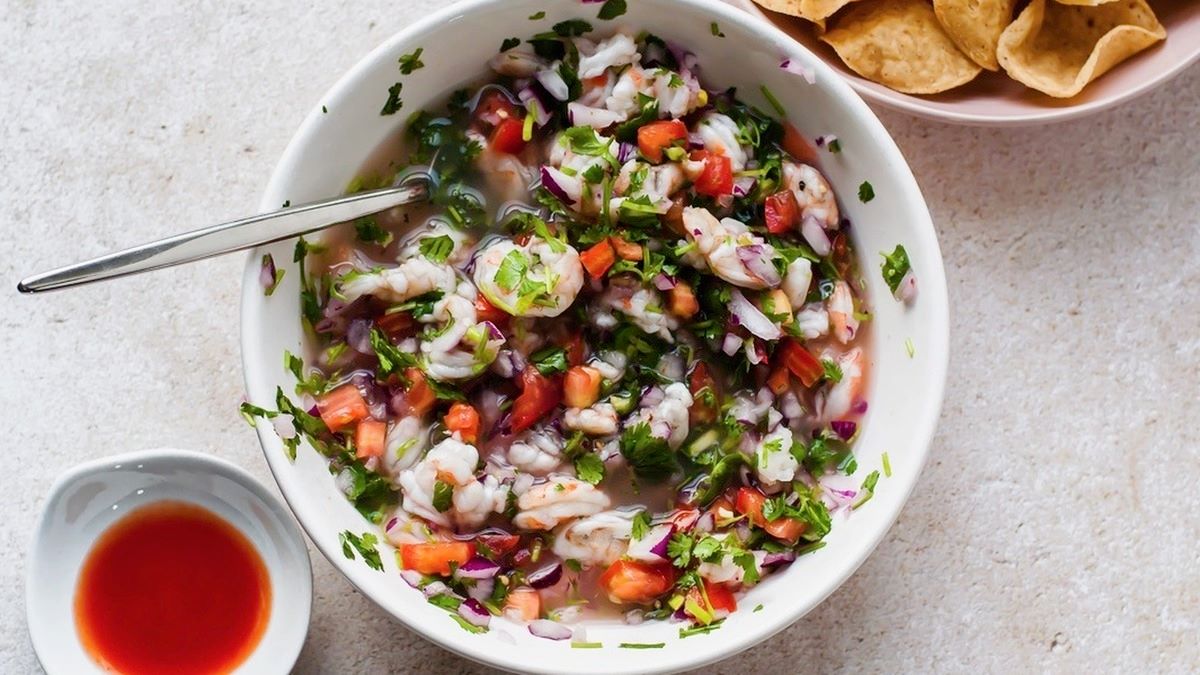
- Mexican Ceviche Recipe20 Minutes
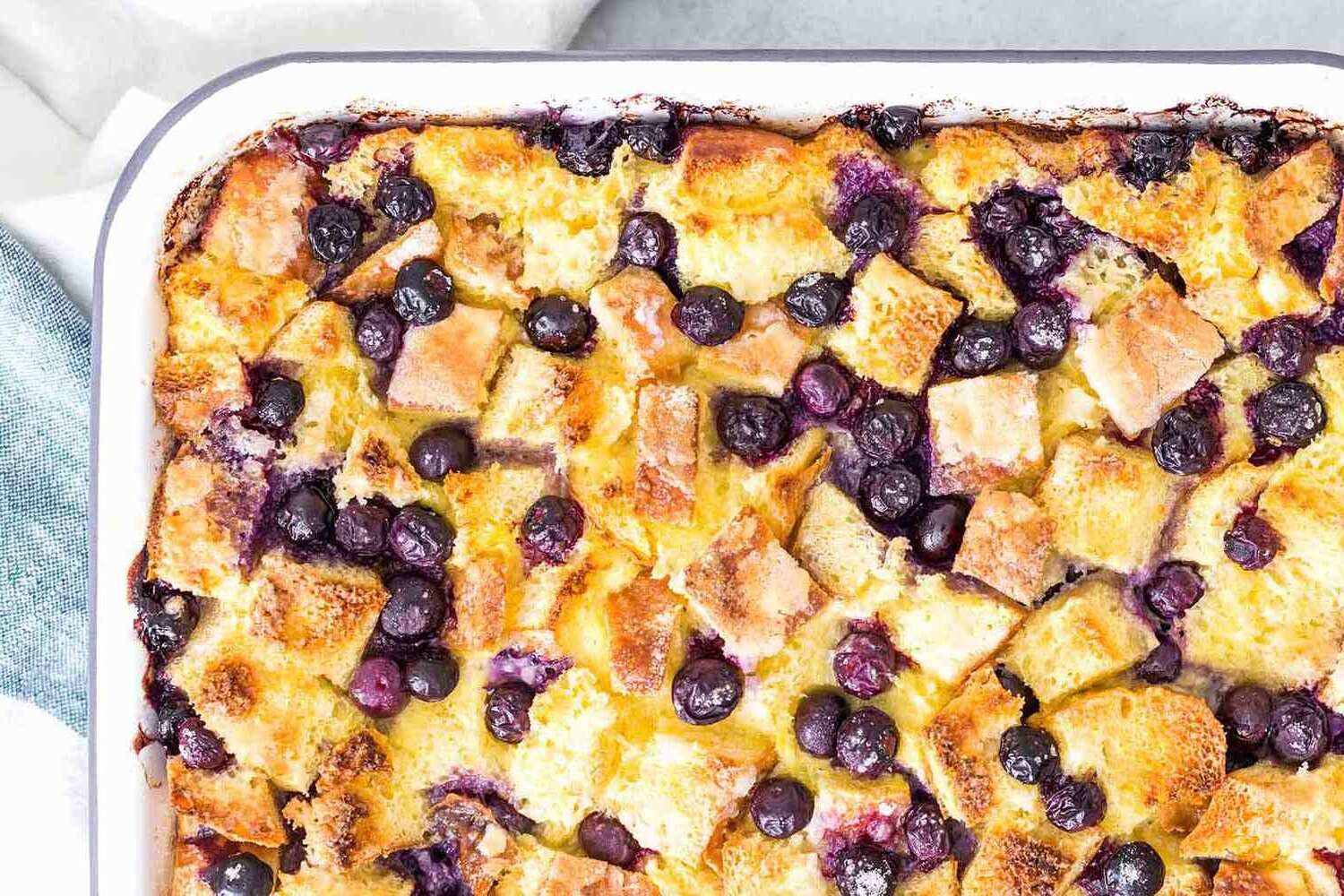
- Overnight Blueberry French Toast Casserole Recipe1 Hours
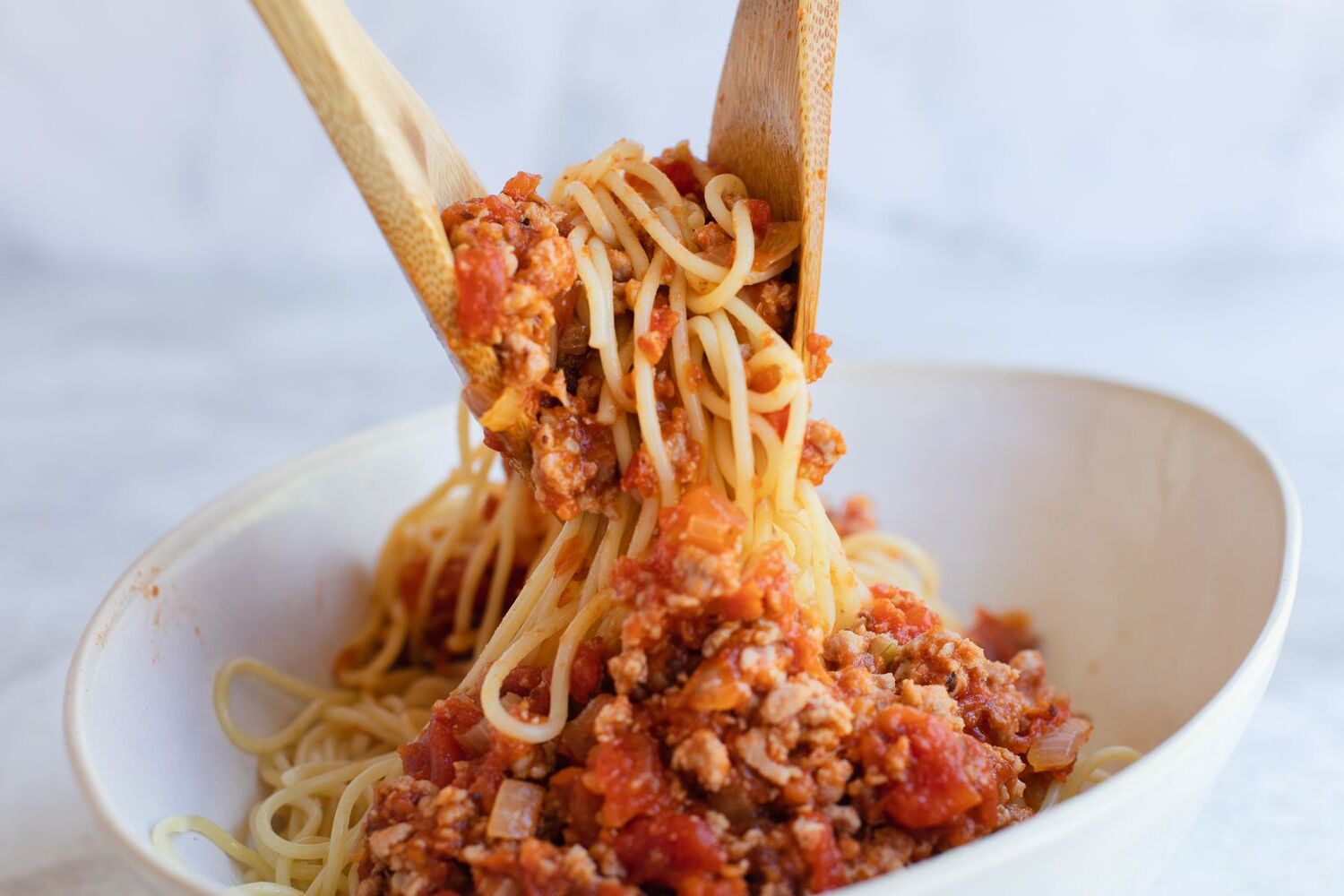
- Spaghetti Italian Recipe35 Minutes
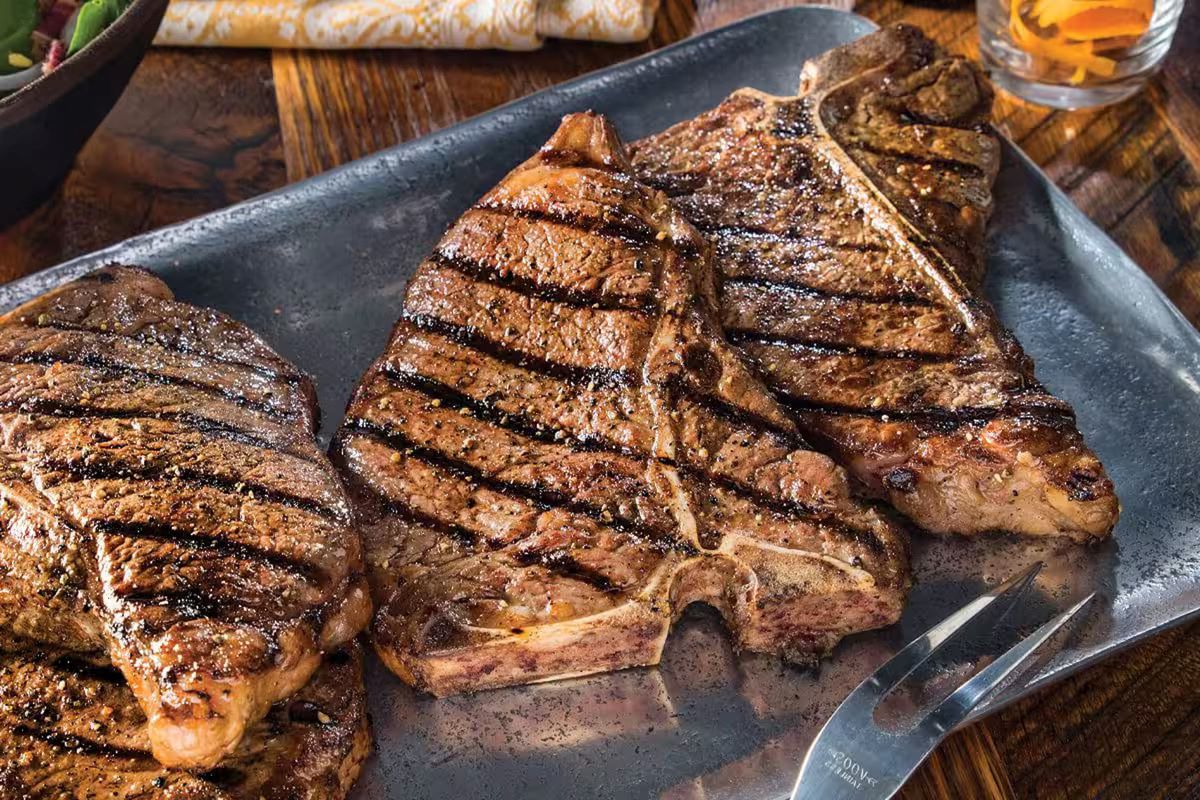
- T-Bone Steak Marinade Recipe25 Minutes
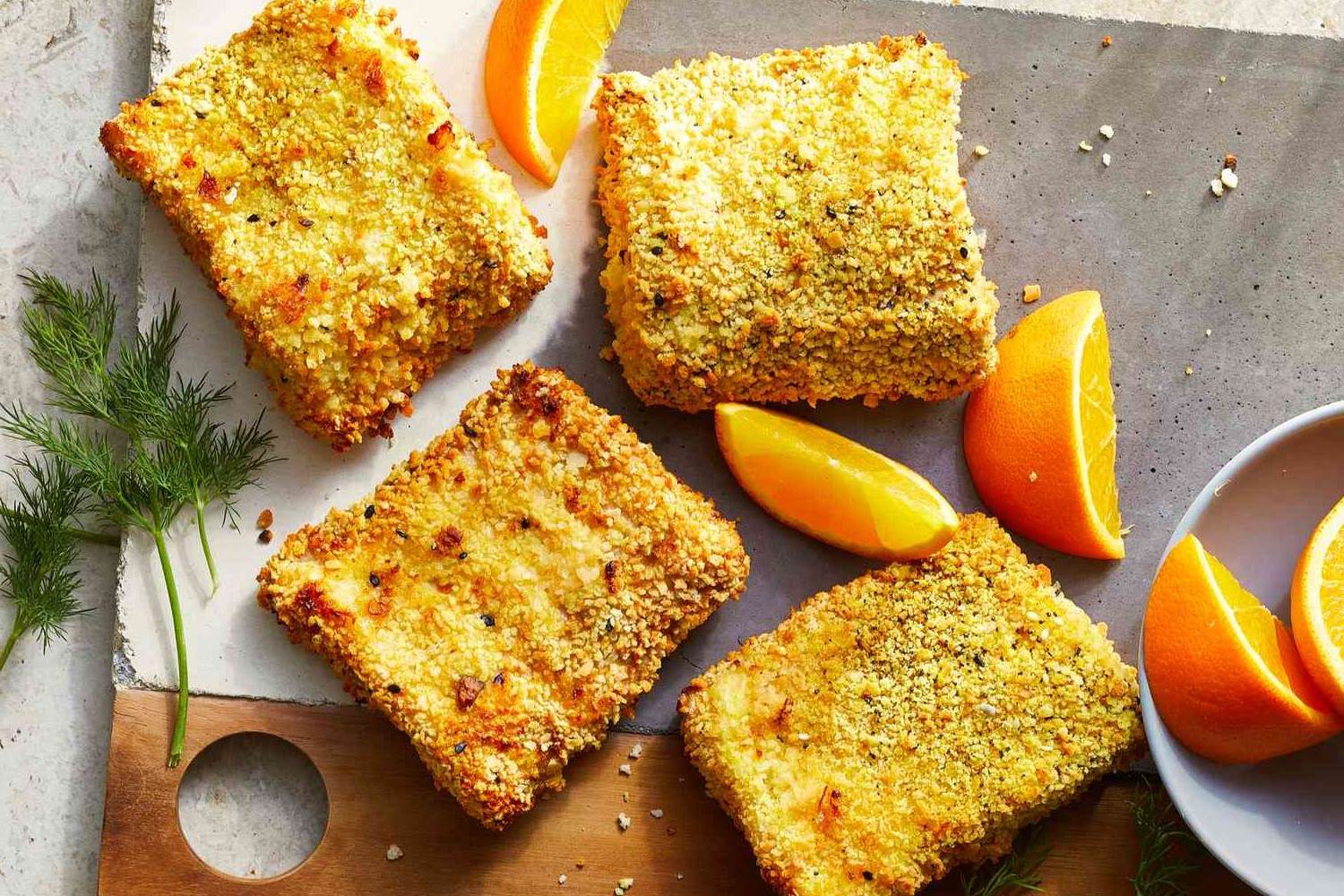
- Baked Mahi Mahi Recipe30 Minutes
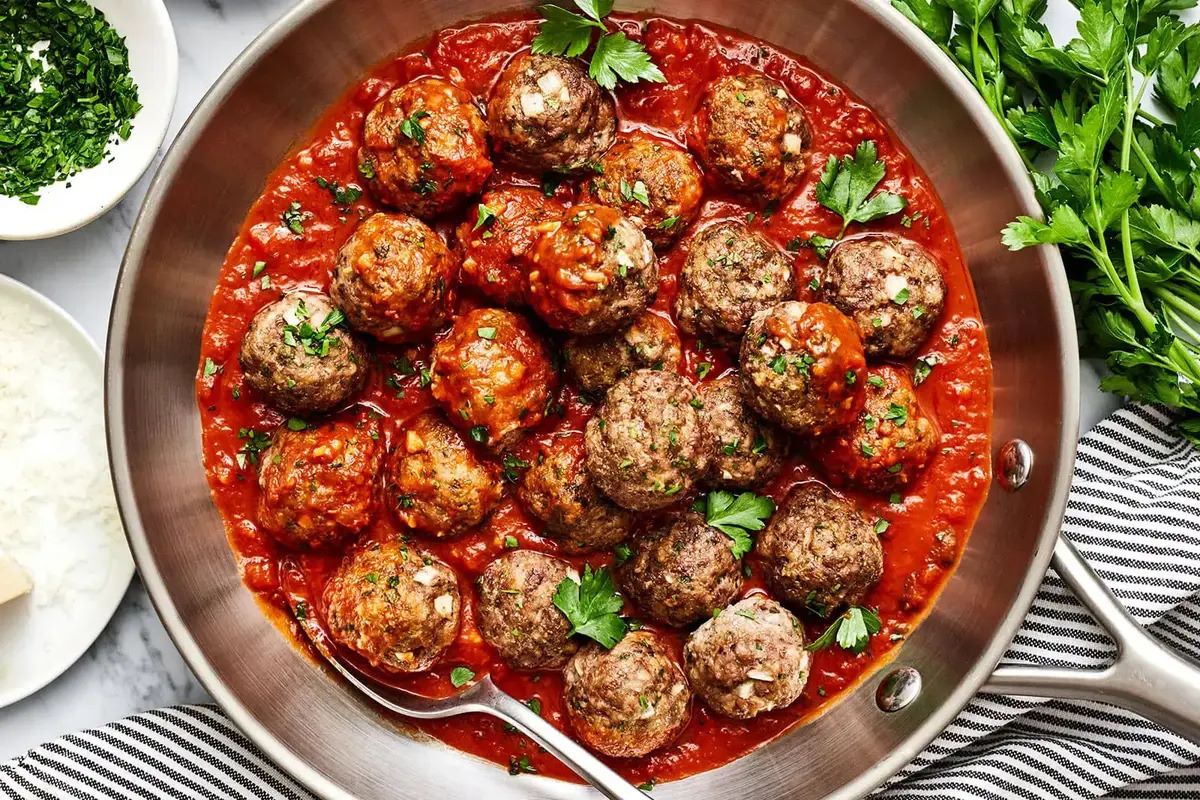
- Meatballs Recipe45 Minutes
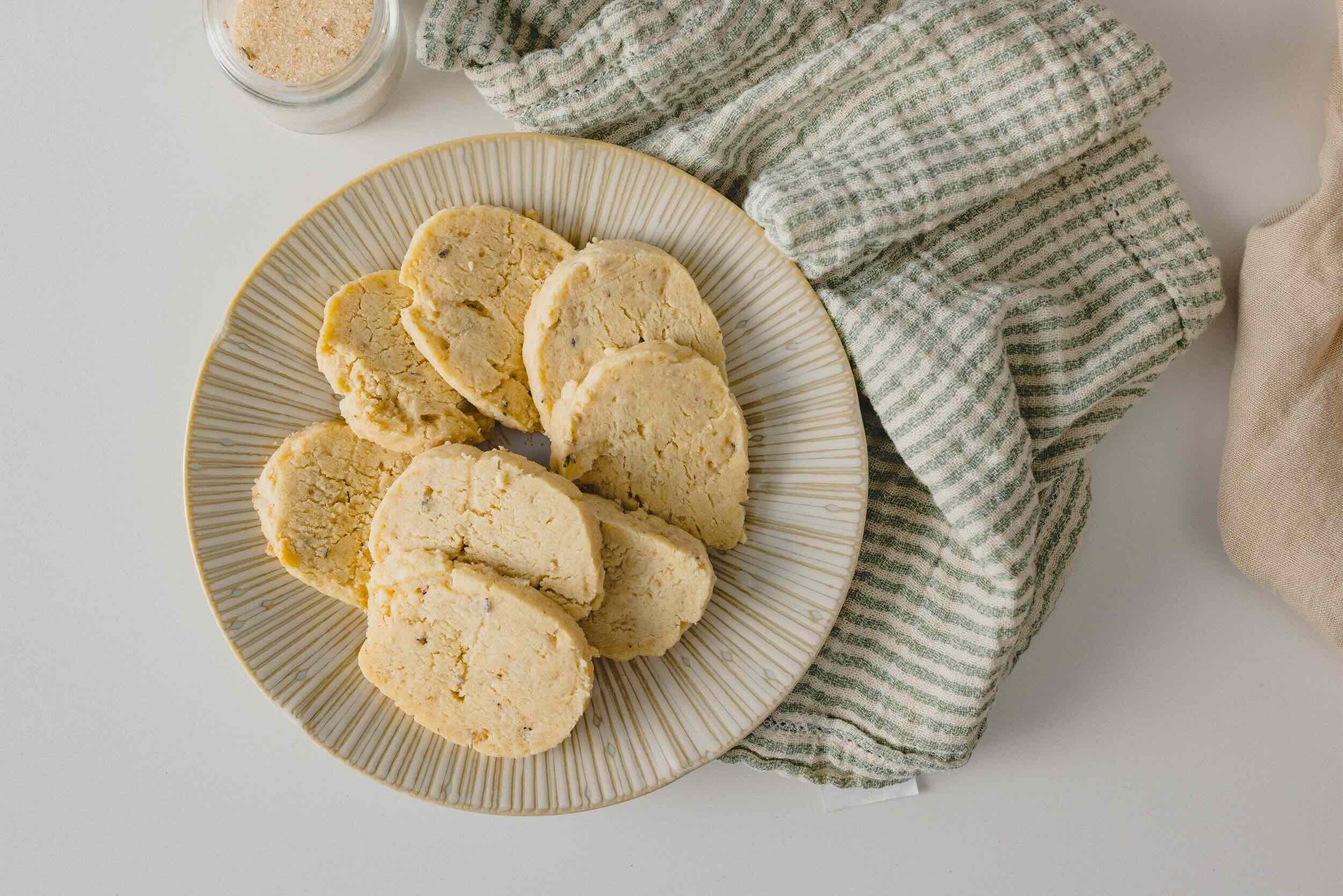
- Lemon Lavender Shortbread Cookies Recipe35 Minutes
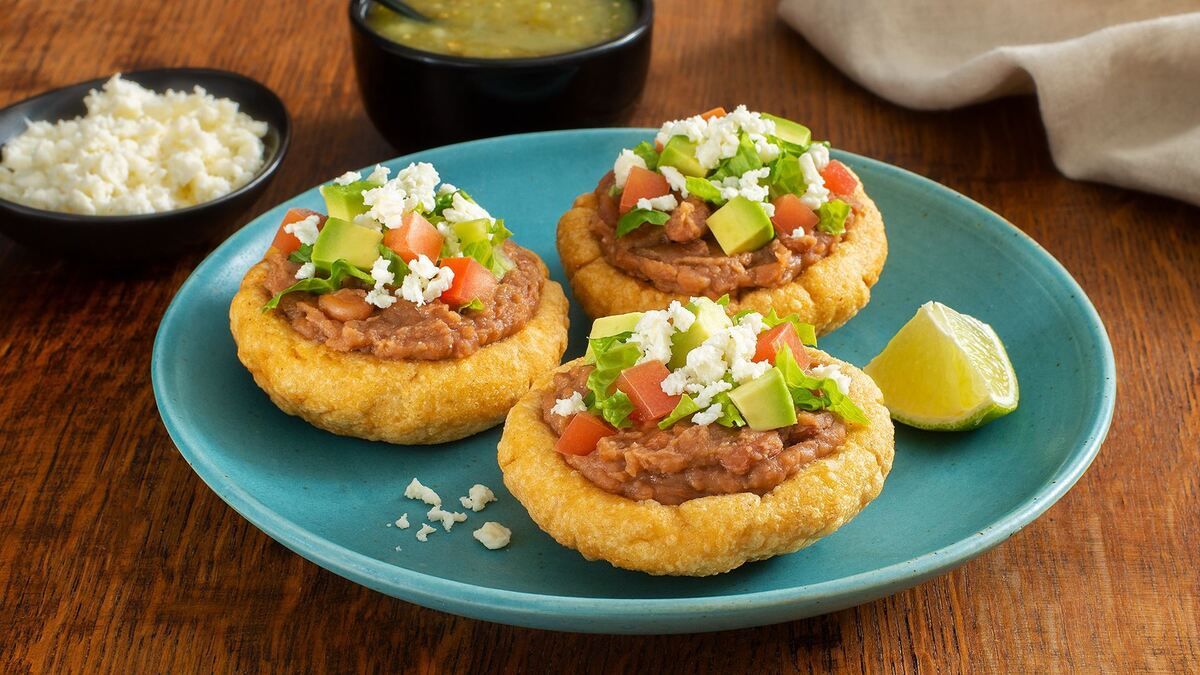
- Mexican Sopes Recipe50 Minutes
Leave a Reply