

Pickled eggs are a delightful and tangy snack that can be enjoyed on their own or as a flavorful addition to salads and sandwiches. This recipe combines the classic taste of eggs with a zesty brine made from vinegar, sugar, and a blend of aromatic spices. Perfect for those who love a bit of zing in their food, these pickled eggs are easy to make and even easier to enjoy.
Some of the ingredients in this recipe might not be staples in every kitchen. Mustard seeds, whole black peppercorns, and dill seeds are spices that add a unique flavor to the brine but may require a trip to the supermarket. These spices are usually found in the spice aisle. Additionally, white vinegar is a common household item, but make sure you have enough on hand for this recipe.
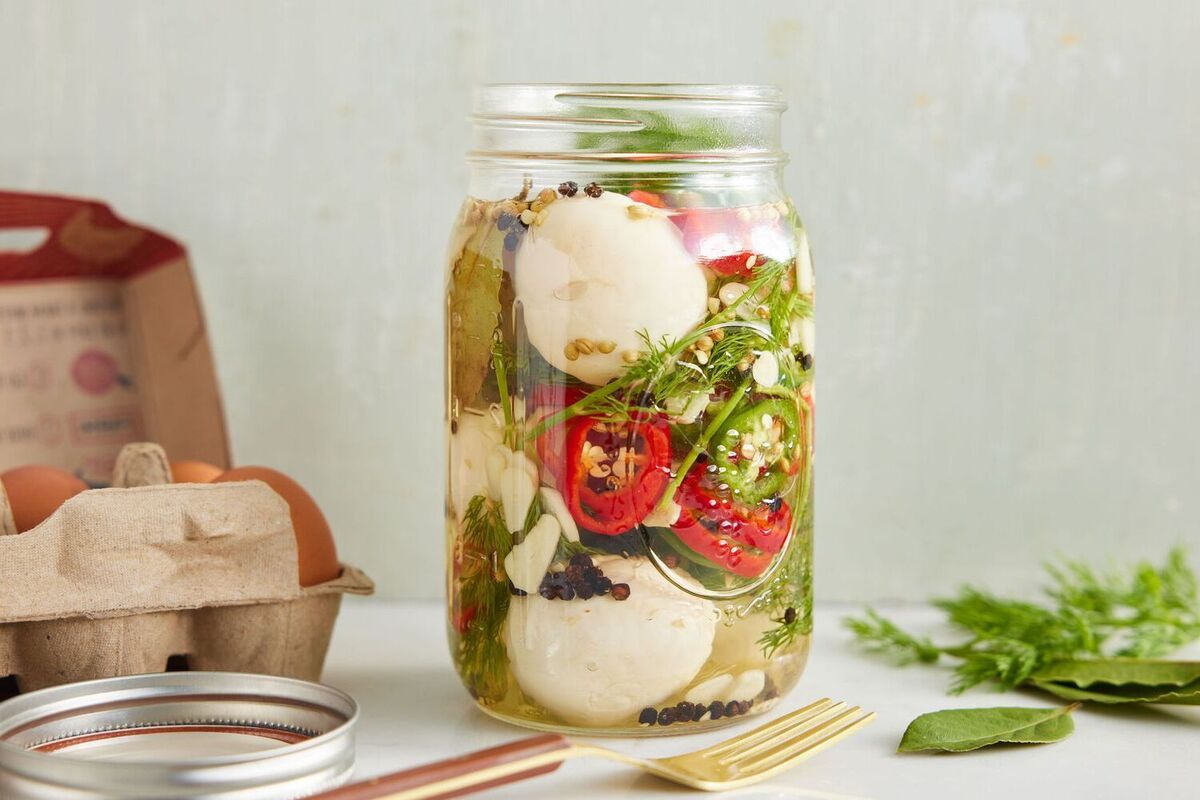
Ingredients For Pickled Eggs Recipe
Eggs: The main ingredient, providing a rich and creamy texture once pickled.
White vinegar: Adds acidity and tanginess to the brine, essential for the pickling process.
Water: Used to dilute the vinegar and balance the brine.
Sugar: Adds a touch of sweetness to the brine, balancing the acidity of the vinegar.
Salt: Enhances the overall flavor of the pickled eggs.
Mustard seeds: Adds a subtle, spicy flavor to the brine.
Whole black peppercorns: Infuses the brine with a mild peppery heat.
Dill seeds: Contributes a fresh, herbal note to the pickling liquid.
Bay leaf: Adds a layer of aromatic flavor to the brine.
Technique Tip for This Recipe
When boiling the eggs, make sure to start with cold water and bring it to a gentle boil. This helps prevent the eggs from cracking and ensures even cooking. After boiling, immediately transfer the eggs to an ice water bath to stop the cooking process and make peeling easier.
Suggested Side Dishes
Alternative Ingredients
eggs - Substitute with quail eggs: Quail eggs are smaller but have a similar taste and texture, making them a good alternative.
white vinegar - Substitute with apple cider vinegar: Apple cider vinegar has a slightly sweeter and fruitier taste, which can add a unique flavor to the pickling process.
water - Substitute with vegetable broth: Vegetable broth can add an extra layer of flavor to the pickling liquid.
sugar - Substitute with honey: Honey provides a natural sweetness and a slightly different flavor profile.
salt - Substitute with sea salt: Sea salt has a more complex flavor and can enhance the overall taste of the pickled eggs.
mustard seeds - Substitute with ground mustard: Ground mustard can provide a similar flavor, though it will disperse more evenly throughout the liquid.
whole black peppercorns - Substitute with crushed black pepper: Crushed black pepper will provide a more intense and immediate peppery flavor.
dill seeds - Substitute with fresh dill: Fresh dill can provide a more vibrant and aromatic flavor compared to dill seeds.
bay leaf - Substitute with thyme: Thyme offers a different but complementary herbal note that can enhance the pickling liquid.
Other Alternative Recipes Similar to This
How to Store / Freeze This Recipe
- Ensure the pickled eggs have cooled completely before storing them. This helps maintain their texture and flavor.
- Use a clean, airtight glass jar to store the pickled eggs. This prevents contamination and keeps the eggs fresh.
- Place the jar in the refrigerator. The pickled eggs should be kept at a consistent, cool temperature to ensure they remain safe to eat.
- Allow the pickled eggs to marinate for at least 3 days before consuming. This gives the flavors time to meld and penetrate the eggs.
- For best results, consume the pickled eggs within 1 to 2 months. While they can last longer, the quality and flavor are optimal within this timeframe.
- Avoid freezing pickled eggs. Freezing can alter the texture, making the eggs rubbery and less enjoyable to eat.
- If you need to transport the pickled eggs, ensure they remain refrigerated. Use a cooler with ice packs to maintain a safe temperature.
- Always use clean utensils when handling the pickled eggs to avoid introducing bacteria into the jar.
- If you notice any off smells, discoloration, or mold, discard the pickled eggs immediately. This indicates spoilage and potential food safety issues.
- Label the jar with the date of preparation. This helps you keep track of how long the pickled eggs have been stored and ensures you consume them within the safe period.
How to Reheat Leftovers
- Place the pickled eggs in a microwave-safe dish. Cover with a microwave-safe lid or a damp paper towel. Heat on medium power for 30-second intervals until warmed through, being careful not to overheat as it can cause the eggs to become rubbery.
- For a more gentle reheating method, place the pickled eggs in a heatproof bowl. Pour hot (not boiling) water over the eggs and let them sit for about 5 minutes. This method helps maintain their texture and flavor.
- If you prefer a stovetop method, fill a saucepan with water and heat until it reaches a gentle simmer. Place the pickled eggs in a heatproof bag or a sealed container, then submerge in the simmering water for about 5 minutes, ensuring they are evenly warmed.
- For a unique twist, slice the pickled eggs and lightly sauté them in a pan with a bit of olive oil or butter over medium heat for 1-2 minutes on each side. This adds a slight crispness and enhances their flavor.
- If you have an air fryer, preheat it to 300°F (150°C). Place the pickled eggs in the basket and heat for about 3-4 minutes. This method provides a quick and even reheating without compromising the texture.
Best Tools for This Recipe
Saucepan: Used to combine and heat the vinegar, water, sugar, salt, mustard seeds, peppercorns, dill seeds, and bay leaf.
Large pot: Necessary for boiling the eggs.
Slotted spoon: Helps to remove the eggs from the boiling water and transfer them to the ice water.
Bowl of ice water: Used to cool the eggs quickly after boiling to make them easier to peel.
Peeler: Not typically needed for eggs, but you might use it if you have difficulty peeling them by hand.
Measuring cups: Essential for measuring the vinegar, water, and sugar accurately.
Measuring spoons: Used to measure the salt, mustard seeds, peppercorns, and dill seeds.
Jar with lid: Used to store the peeled eggs and the vinegar mixture for pickling.
Stove: Needed to boil the eggs and to heat the vinegar mixture.
Tongs: Useful for handling the hot eggs and placing them into the jar.
Knife: Handy for any additional preparations, such as cutting the bay leaf if needed.
Timer: Helps to keep track of the boiling and simmering times.
Mixing spoon: Used to stir the vinegar mixture while it simmers.
How to Save Time on This Recipe
Pre-boil the eggs: Boil the eggs in advance and store them in the fridge. This way, they are ready to peel when you need them.
Use pre-measured spices: Measure out the mustard seeds, peppercorns, and dill seeds ahead of time and store them in small containers.
Quick cooling: After boiling, immediately transfer the eggs to an ice water bath to cool them quickly, making peeling easier.
Batch preparation: Make a larger batch of the vinegar mixture and store it in the fridge for future use.
Pickled Eggs Recipe
Ingredients
Main Ingredients
- 12 eggs
- 1 cup white vinegar
- 1 cup water
- ½ cup sugar
- 1 tablespoon salt
- 1 teaspoon mustard seeds
- 1 teaspoon whole black peppercorns
- 1 teaspoon dill seeds
- 1 bay leaf
Instructions
- 1. Boil the eggs for 10 minutes, then cool them in ice water and peel.
- 2. In a saucepan, combine vinegar, water, sugar, salt, mustard seeds, peppercorns, dill seeds, and bay leaf. Bring to a boil, then simmer for 5 minutes.
- 3. Place the peeled eggs in a jar and pour the hot vinegar mixture over them.
- 4. Seal the jar and refrigerate for at least 3 days before eating.
Nutritional Value
Keywords
More Amazing Recipes to Try 🙂
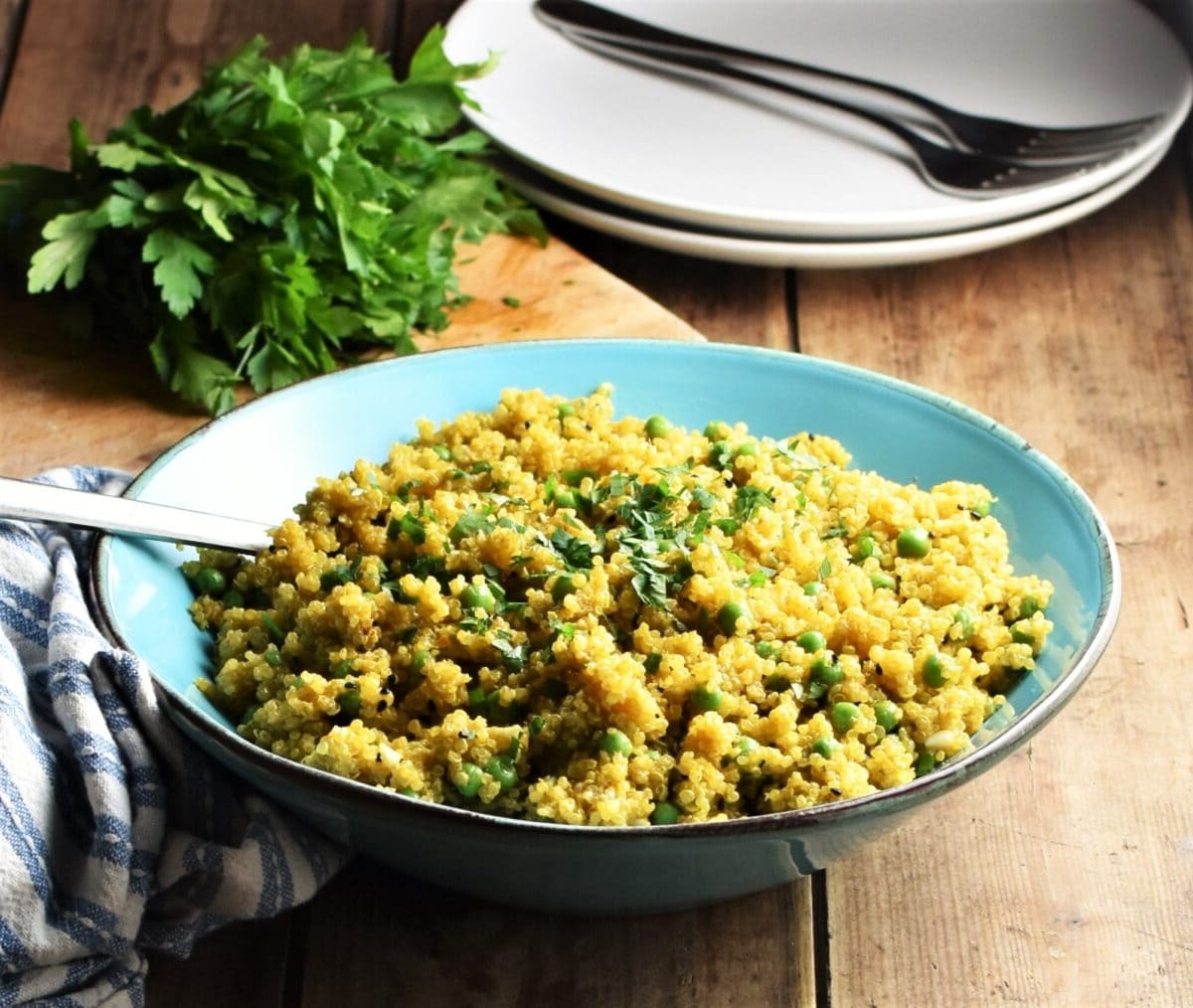
- Curried Quinoa Recipe30 Minutes
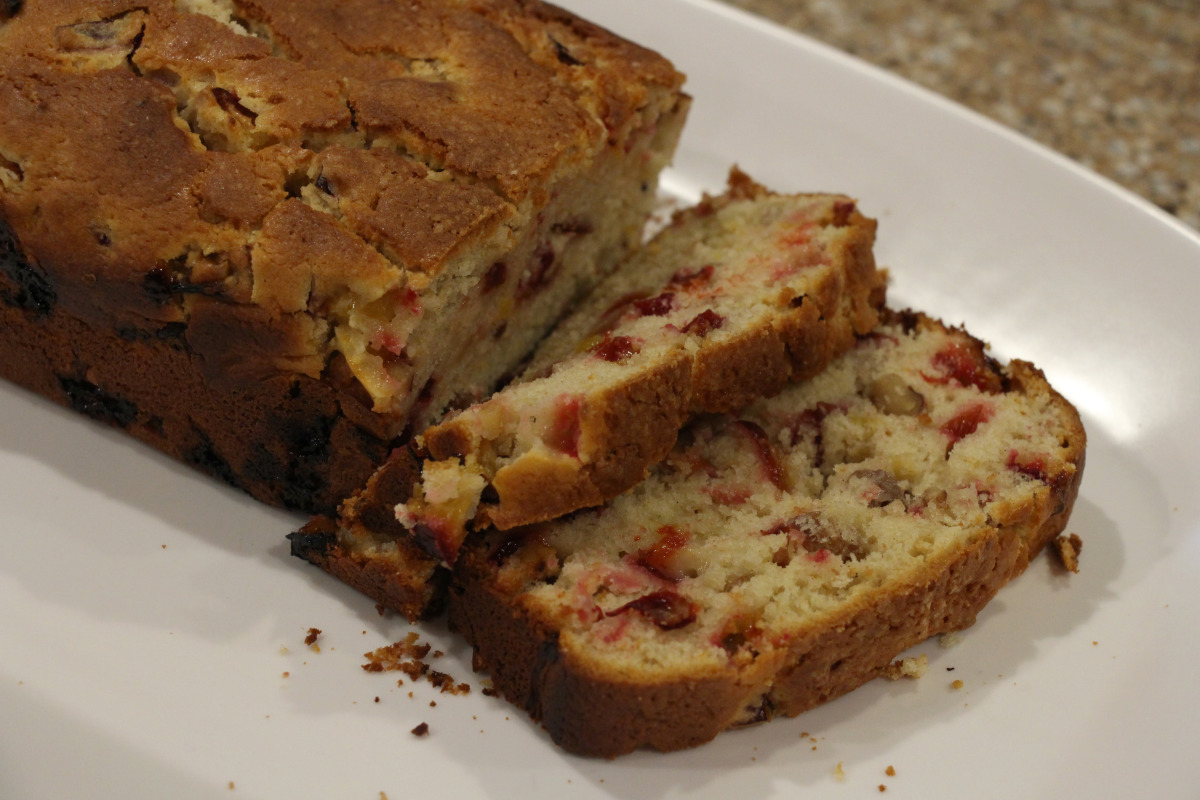
- Plum Bread Recipe1 Hours 15 Minutes
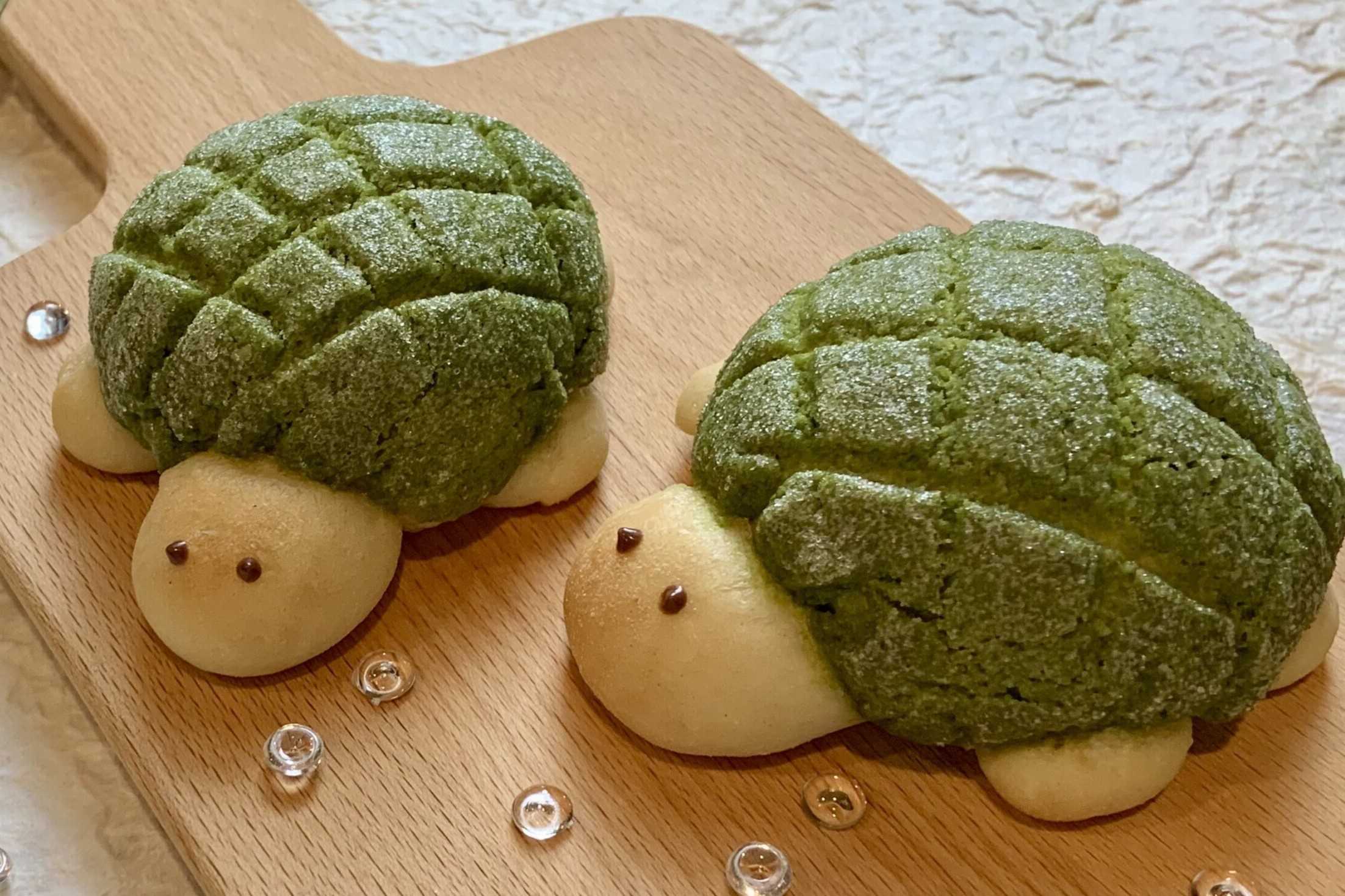
- Turtle Bread Recipe55 Minutes
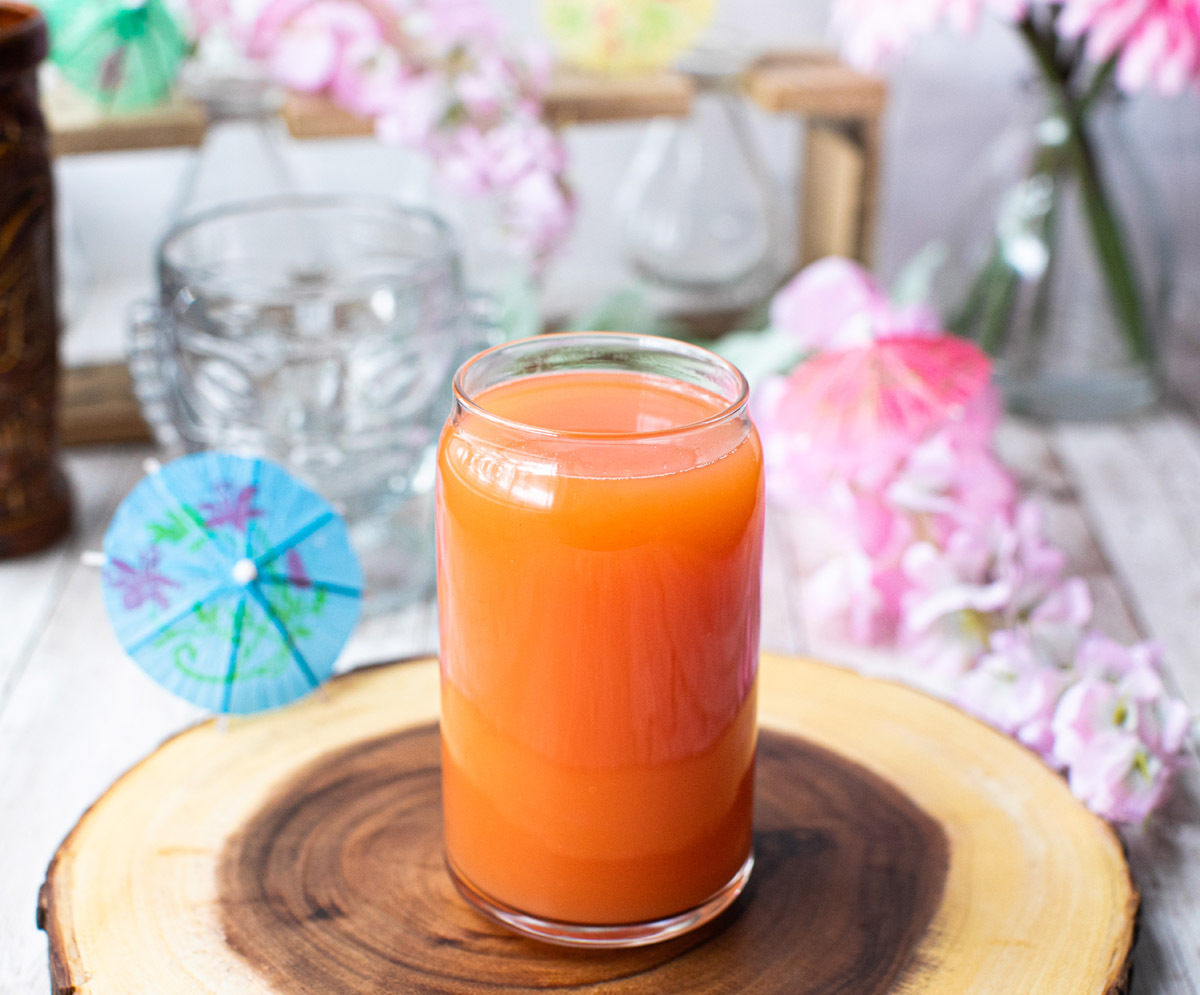
- POG Juice Recipe10 Minutes
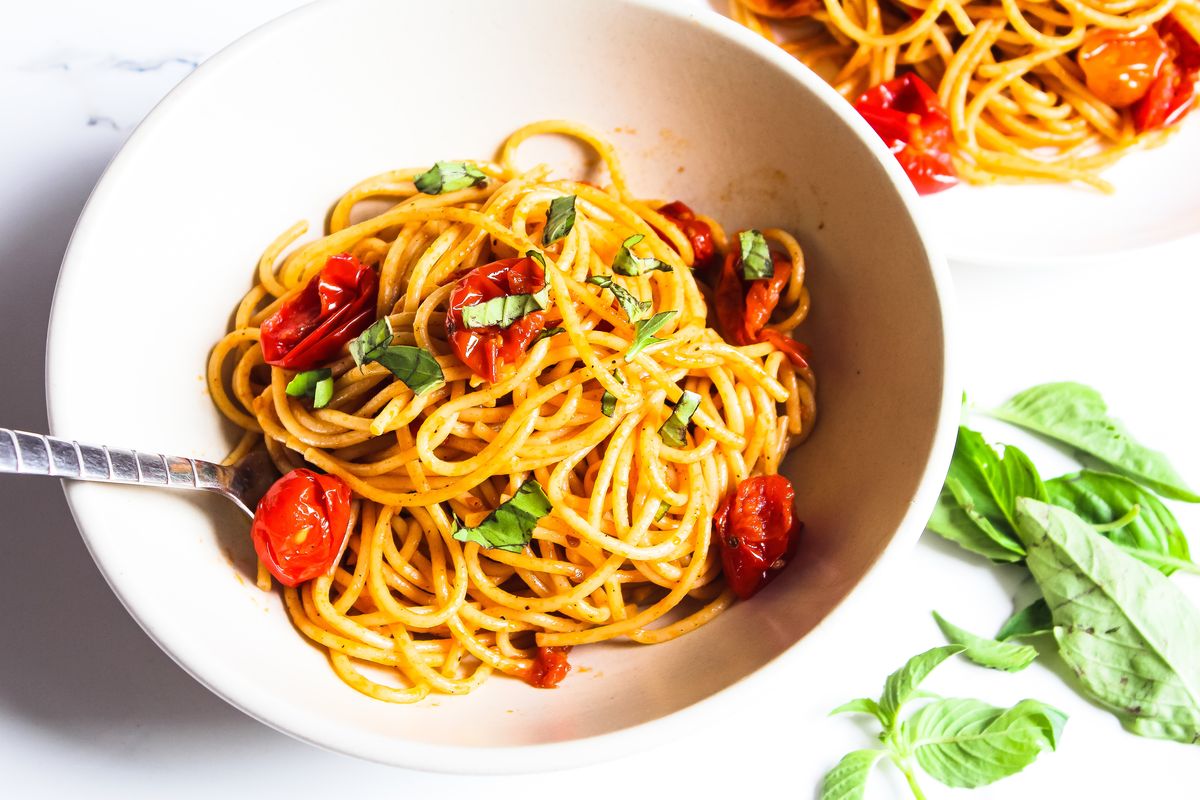
- Tomato and Garlic Pasta Recipe30 Minutes
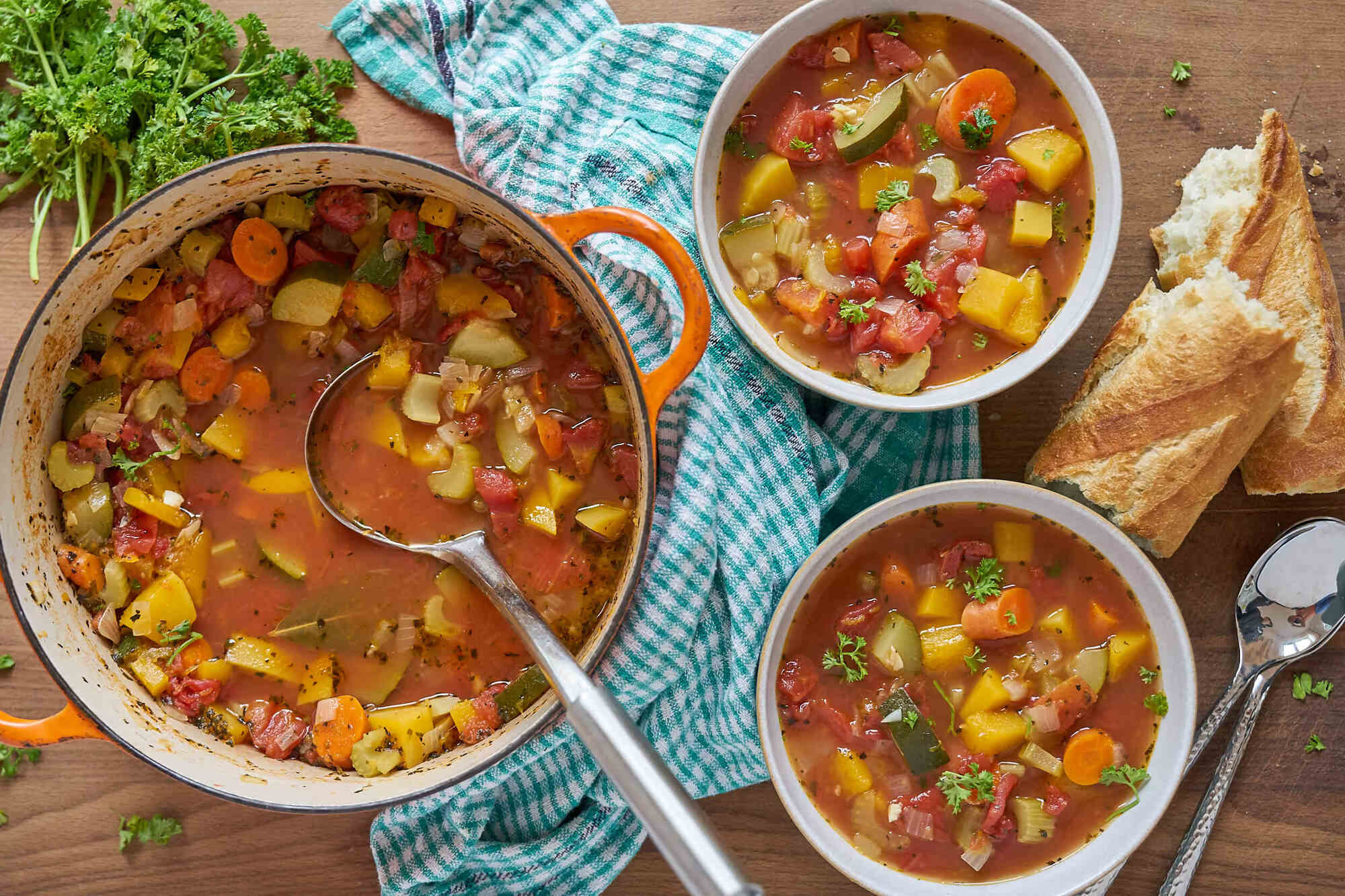
- Healthy Harvest Soup Recipe45 Minutes
- Chicago Chicken Vesuvio Recipe1 Hours 15 Minutes
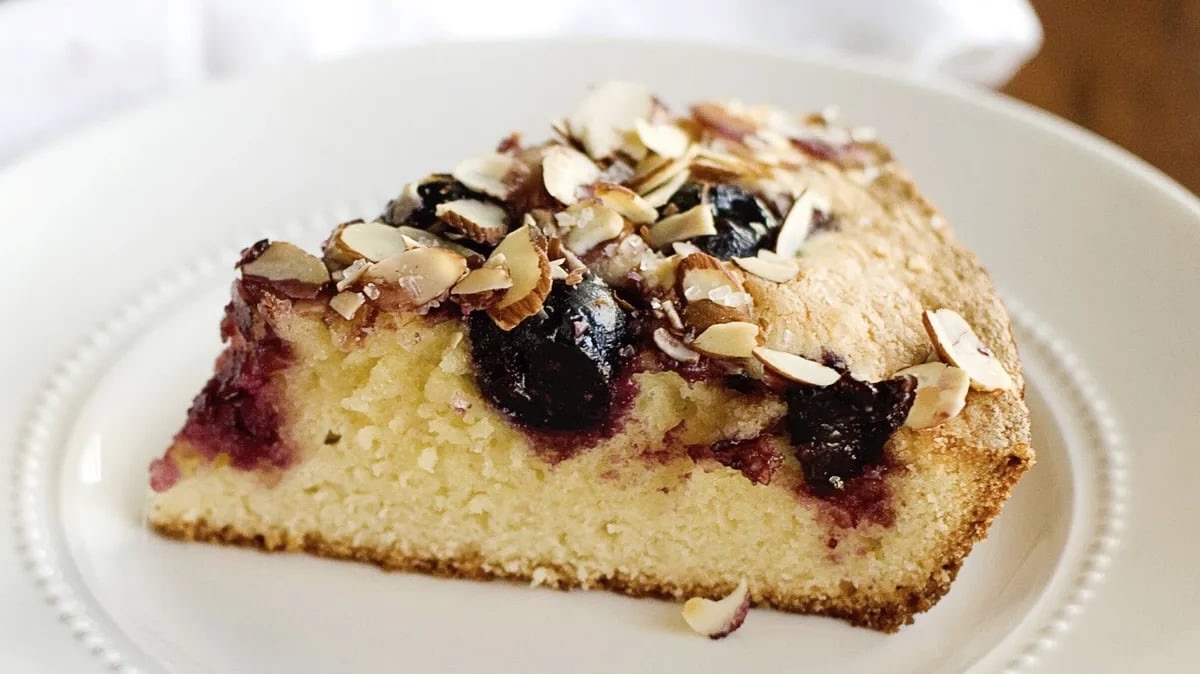
- Cherry Almond Cake Recipe1 Hours 5 Minutes



Leave a Reply