
Satay sauce is a rich and flavorful condiment that pairs perfectly with grilled meats, vegetables, or even as a dip for appetizers. This creamy and slightly spicy sauce brings a delightful balance of sweetness, tanginess, and umami to your dishes, making it a versatile addition to your culinary repertoire.
Some ingredients in this recipe might not be commonly found in every household. For instance, coconut milk is a key component that adds a creamy texture and subtle sweetness. Additionally, lime juice provides a fresh, tangy flavor that balances the richness of the sauce. Chili sauce adds a bit of heat, so choose one that matches your preferred spice level. These items can typically be found in the international or Asian foods section of your supermarket.
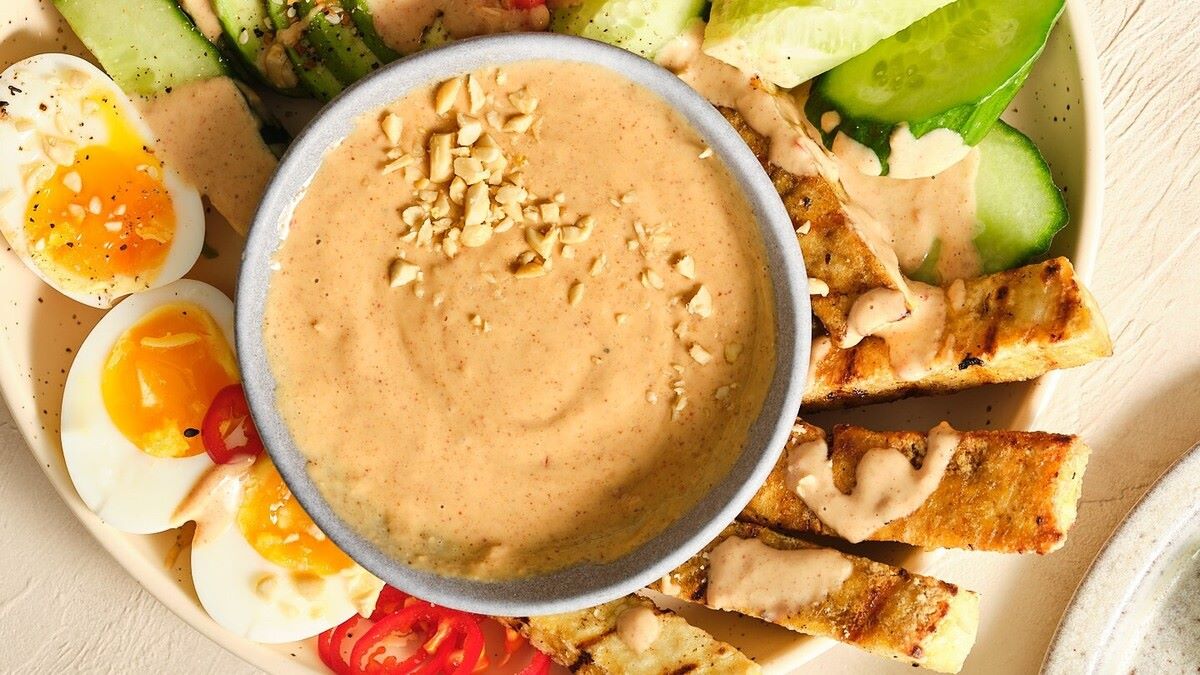
Ingredients For Satay Sauce Recipe
Peanut butter: The base of the sauce, providing a creamy and nutty flavor.
Coconut milk: Adds a rich, creamy texture and a hint of sweetness.
Soy sauce: Brings umami and saltiness to balance the sweetness.
Brown sugar: Adds sweetness and depth of flavor.
Lime juice: Provides a fresh, tangy contrast to the rich ingredients.
Garlic: Adds a pungent, savory note.
Ginger: Contributes a warm, spicy undertone.
Chili sauce: Adds heat and a touch of sweetness.
Technique Tip for This Recipe
When preparing the garlic and ginger, ensure they are finely minced and grated, respectively, to allow their flavors to meld seamlessly into the satay sauce. This will prevent any large chunks from disrupting the smooth texture of the sauce.
Suggested Side Dishes
Alternative Ingredients
peanut butter - Substitute with almond butter: Almond butter provides a similar creamy texture and nutty flavor, making it a good alternative for those with peanut allergies.
coconut milk - Substitute with almond milk: Almond milk can be used for a lighter, less rich version of the sauce, though it may be less creamy.
soy sauce - Substitute with tamari: Tamari is a gluten-free alternative to soy sauce and offers a similar umami flavor.
brown sugar - Substitute with honey: Honey adds sweetness and a slight floral note, making it a natural sweetener alternative.
lime juice - Substitute with lemon juice: Lemon juice provides a similar acidity and citrus flavor, though it is slightly more tart.
garlic - Substitute with garlic powder: Garlic powder can be used in place of fresh garlic, though it may lack the same intensity and freshness.
ginger - Substitute with ground ginger: Ground ginger can be used as a substitute, though it is more concentrated and less fresh-tasting.
chili sauce - Substitute with sriracha: Sriracha offers a similar heat and tangy flavor, making it a good alternative for chili sauce.
Other Alternative Recipes Similar to This Sauce
How to Store / Freeze This Sauce
Allow the satay sauce to cool completely at room temperature before storing. This helps prevent condensation, which can affect the texture and flavor.
Transfer the satay sauce into an airtight container. Glass jars or BPA-free plastic containers work best to maintain freshness.
Label the container with the date of preparation. This ensures you keep track of its freshness and use it within the optimal time frame.
Store the satay sauce in the refrigerator. It will stay fresh for up to one week. Make sure the lid is tightly sealed to prevent any odors from the fridge from seeping in.
For longer storage, consider freezing the satay sauce. Portion it into smaller amounts using ice cube trays or small freezer-safe containers. This makes it easy to thaw only what you need.
Once frozen, transfer the satay sauce cubes or portions into a freezer bag. Squeeze out as much air as possible before sealing to prevent freezer burn.
Label the freezer bag with the date and contents. Frozen satay sauce can be stored for up to three months without losing its flavor.
When ready to use, thaw the satay sauce in the refrigerator overnight. For a quicker option, place the sealed container in a bowl of warm water until it reaches the desired consistency.
Reheat the satay sauce gently on the stovetop over low heat, stirring occasionally. Avoid using high heat as it can cause the sauce to separate or burn.
If the satay sauce appears too thick after reheating, add a splash of coconut milk or water to achieve the desired consistency. Stir well to combine.
How to Reheat Leftovers
Stovetop Method: Place the leftover satay sauce in a small saucepan. Heat over low to medium heat, stirring frequently to ensure it doesn't stick or burn. Add a splash of coconut milk or water if the sauce appears too thick. Heat until warmed through, about 3-5 minutes.
Microwave Method: Transfer the satay sauce to a microwave-safe bowl. Cover with a microwave-safe lid or plastic wrap with a small vent. Heat on medium power in 30-second intervals, stirring in between, until the sauce is heated evenly. If the sauce is too thick, mix in a bit of coconut milk or water.
Double Boiler Method: Fill a pot with a couple of inches of water and bring to a simmer. Place the satay sauce in a heatproof bowl and set it over the simmering water, ensuring the bottom of the bowl doesn't touch the water. Stir occasionally until the sauce is warmed through. This method helps prevent the sauce from burning.
Slow Cooker Method: If you have a larger batch of satay sauce to reheat, use a slow cooker. Set it to the low setting and stir occasionally. This method is great for keeping the sauce warm over a longer period, especially for parties or gatherings.
Oven Method: Preheat your oven to 300°F (150°C). Place the satay sauce in an oven-safe dish and cover with foil. Heat for about 10-15 minutes, stirring halfway through. This method is useful if you're already using the oven for other dishes.
Best Tools for This Recipe
Saucepan: A medium-sized saucepan is essential for combining and heating the ingredients evenly.
Whisk: A whisk is needed to mix the ingredients thoroughly and ensure a smooth consistency.
Measuring cups: Use measuring cups to accurately measure the peanut butter and coconut milk.
Measuring spoons: Measuring spoons are necessary for precise measurements of soy sauce, brown sugar, lime juice, and chili sauce.
Garlic press: A garlic press will help you mince the garlic quickly and efficiently.
Grater: A grater is used to grate the ginger finely.
Spatula: A spatula can be useful for scraping down the sides of the saucepan to ensure all ingredients are incorporated.
Serving bowl: Once the sauce is ready, transfer it to a serving bowl for easy access when serving.
How to Save Time on This Recipe
Prepare ingredients in advance: Measure out peanut butter, coconut milk, and other ingredients before starting to cook.
Use pre-minced garlic and ginger: Save time by using store-bought minced garlic and ginger.
Combine ingredients in a blender: Blend all ingredients together for a smoother satay sauce before heating.
Cook in batches: If making a large quantity, cook the satay sauce in smaller batches to ensure even heating and quicker cooking time.
Satay Sauce Recipe
Ingredients
Main Ingredients
- 1 cup Peanut Butter
- 1 cup Coconut Milk
- 2 tablespoon Soy Sauce
- 2 tablespoon Brown Sugar
- 1 tablespoon Lime Juice
- 1 clove Garlic, minced
- 1 teaspoon Ginger, grated
- 1 teaspoon Chili Sauce
Instructions
- 1. In a saucepan, combine all ingredients.
- 2. Cook over medium heat, whisking constantly until smooth and slightly thickened, about 5-7 minutes.
- 3. Remove from heat and let cool slightly before serving.
Nutritional Value
Keywords
More Amazing Recipes to Try 🙂
- Coffee Liqueur Recipe20 Minutes
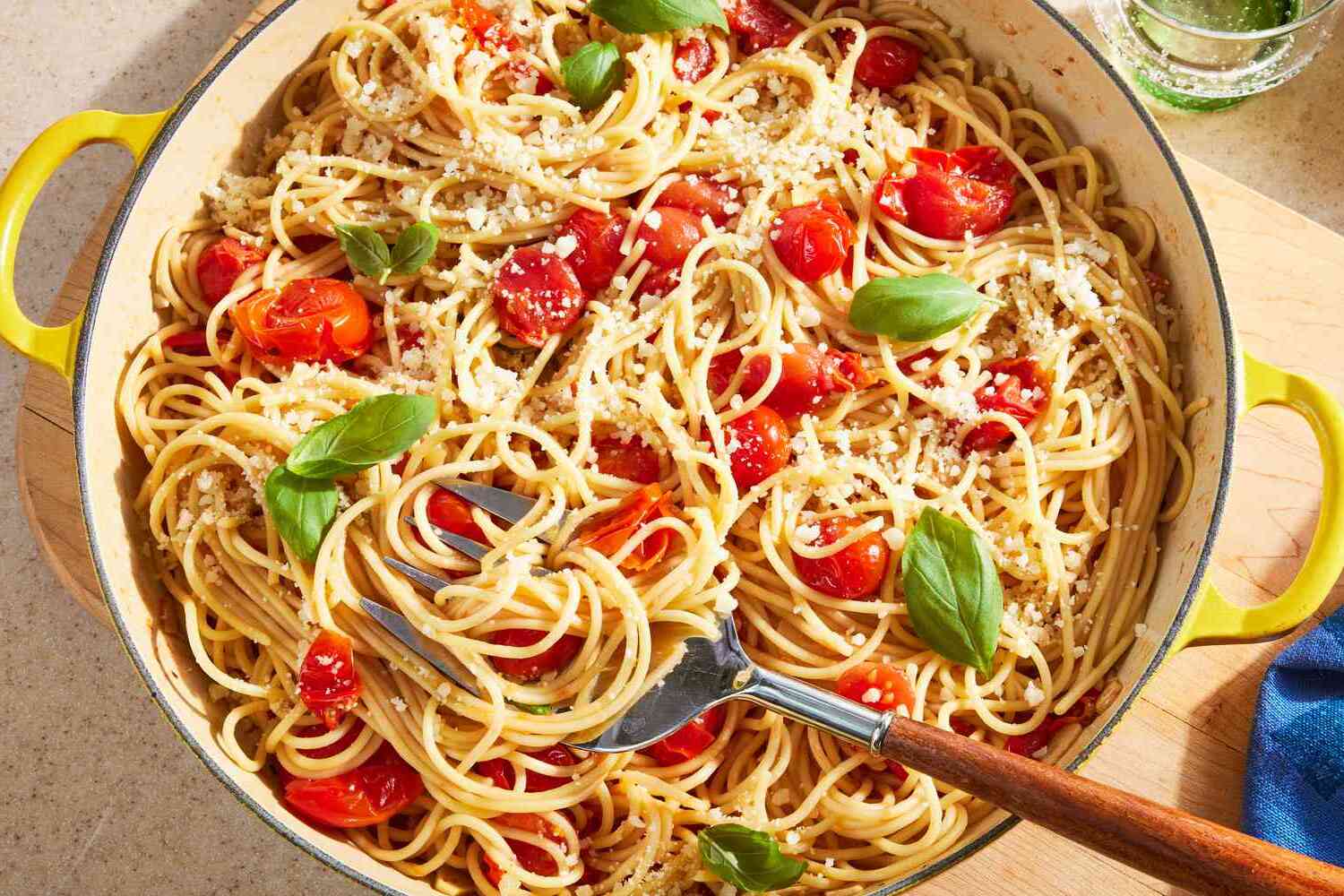
- Pasta Pomodoro Recipe30 Minutes
- Mushroom Thyme Crostini Recipe25 Minutes
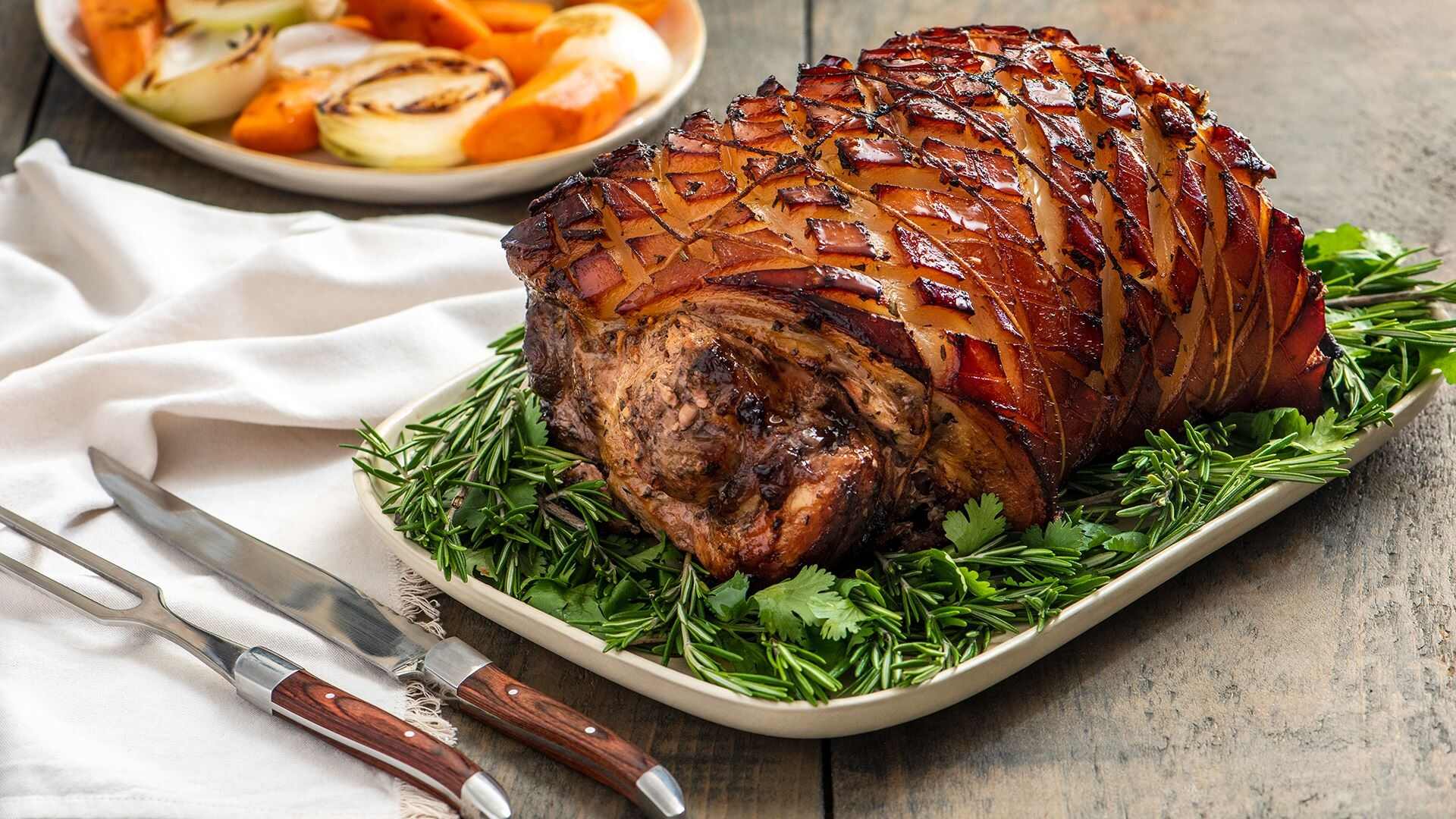
- Roast Pork Pernil Recipe4 Hours 30 Minutes
- Horchata Recipe4 Minutes
- Indian Lassi Recipe10 Minutes
- Fried Okra Recipe25 Minutes
- Cranberry Orange Loaf Recipe1 Hours 10 Minutes




Leave a Reply