
This Thai Peanut Chicken recipe is a delightful blend of savory and sweet flavors, perfect for a quick weeknight dinner. The creamy peanut sauce, combined with tender chicken and fresh vegetables, creates a dish that's both satisfying and nutritious. Serve it over rice or noodles for a complete meal that will transport your taste buds to Thailand.
Some ingredients in this recipe might not be commonly found in every household. Coconut milk adds a rich, creamy texture and a subtle sweetness to the dish. Grated ginger and lime juice provide a fresh, zesty flavor that complements the peanut sauce. Make sure to pick up these items at the supermarket if you don't already have them in your pantry.
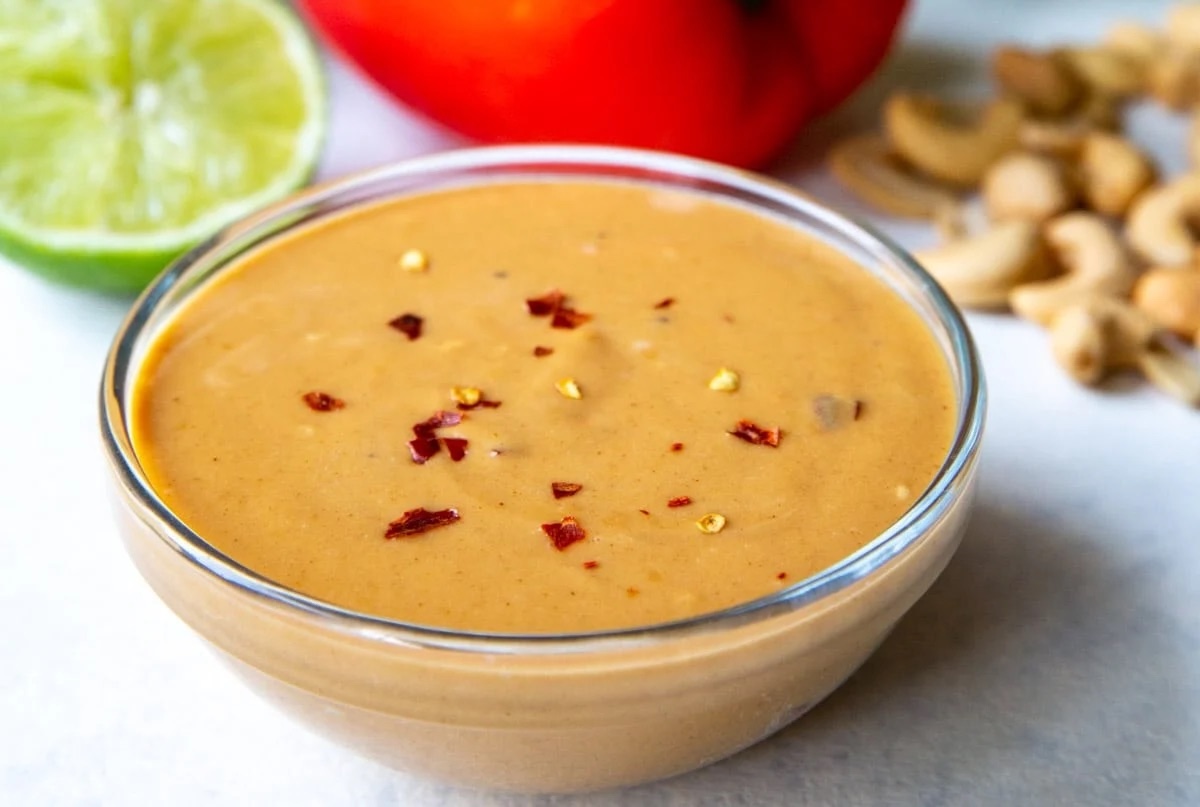
Ingredients For Thai Peanut Chicken Recipe
Chicken breast: Cut into bite-sized pieces, this is the main protein in the dish.
Peanut butter: Adds a rich, nutty flavor to the sauce.
Soy sauce: Provides a salty, umami taste that balances the sweetness.
Lime juice: Adds a fresh, tangy flavor to the sauce.
Honey: Sweetens the sauce and balances the other flavors.
Garlic: Adds a pungent, aromatic flavor to the dish.
Ginger: Provides a warm, spicy note that enhances the overall flavor.
Coconut milk: Creates a creamy, rich base for the sauce.
Vegetable oil: Used for cooking the chicken and vegetables.
Bell pepper: Adds a sweet, crunchy texture to the dish.
Carrot: Provides a slightly sweet, earthy flavor and a bit of crunch.
Broccoli: Adds a fresh, slightly bitter taste and a nice texture.
Technique Tip for This Recipe
When preparing the chicken breast, ensure it is cut into uniform, bite-sized pieces to promote even cooking. To enhance the flavor of the peanut sauce, toast the peanut butter lightly in a dry pan before mixing it with other ingredients. This will bring out a deeper, nuttier flavor. When adding the vegetables to the skillet, start with the carrots and broccoli as they take longer to cook, then add the bell pepper last to maintain its crispness.
Suggested Side Dishes
Alternative Ingredients
Chicken breast - Substitute with turkey breast: Turkey breast has a similar texture and flavor profile, making it a good alternative for chicken breast in this recipe.
Peanut butter - Substitute with almond butter: Almond butter provides a similar creamy texture and nutty flavor, though it will slightly alter the taste.
Soy sauce - Substitute with tamari: Tamari is a gluten-free alternative to soy sauce and offers a similar umami flavor.
Lime juice - Substitute with lemon juice: Lemon juice can provide a similar acidity and citrus flavor, though it is slightly less sweet than lime juice.
Honey - Substitute with maple syrup: Maple syrup offers a similar sweetness and viscosity, though it will add a slightly different flavor.
Garlic - Substitute with shallots: Shallots can provide a milder, sweeter flavor that complements the dish well.
Ginger - Substitute with galangal: Galangal has a similar spicy and aromatic profile, though it is slightly more citrusy and piney.
Coconut milk - Substitute with almond milk: Almond milk can provide a similar creamy texture, though it lacks the coconut flavor.
Vegetable oil - Substitute with olive oil: Olive oil is a versatile cooking oil that can be used in place of vegetable oil, though it has a stronger flavor.
Bell pepper - Substitute with zucchini: Zucchini offers a similar texture and mild flavor, making it a good alternative to bell pepper.
Carrot - Substitute with parsnip: Parsnip has a similar texture and sweetness, though it has a slightly earthier flavor.
Broccoli - Substitute with cauliflower: Cauliflower has a similar texture and can be used in place of broccoli, though it has a milder flavor.
Other Alternative Recipes
How to Store / Freeze This Dish
- Allow the Thai Peanut Chicken to cool completely before storing. This helps prevent condensation, which can make the dish soggy.
- Transfer the cooled chicken and vegetables into airtight containers. For best results, use containers that are the right size to minimize air space.
- Store the containers in the refrigerator if you plan to consume the dish within 3-4 days. The flavors will meld together beautifully, making the dish even more delicious.
- For longer storage, place the airtight containers in the freezer. The Thai Peanut Chicken can be frozen for up to 3 months without losing its rich flavors.
- When ready to eat, thaw the frozen Thai Peanut Chicken in the refrigerator overnight. This slow thawing process helps maintain the texture and taste.
- Reheat the dish gently on the stovetop over medium heat, stirring occasionally to ensure even heating. You can add a splash of coconut milk or water if the sauce has thickened too much.
- Alternatively, you can reheat individual portions in the microwave. Cover the dish with a microwave-safe lid or wrap to retain moisture, and heat in 1-minute intervals, stirring in between.
- If you find the sauce has separated slightly after freezing, whisk it together while reheating to restore its creamy consistency.
- For an added burst of freshness, garnish with freshly chopped cilantro, a squeeze of lime juice, or a sprinkle of crushed peanuts just before serving.
How to Reheat Leftovers
- For the stovetop method, heat a non-stick skillet over medium heat. Add a splash of coconut milk or vegetable oil to keep the Thai Peanut Chicken moist. Stir occasionally until heated through, about 5-7 minutes.
- In the microwave, place the leftover Thai Peanut Chicken in a microwave-safe dish. Cover with a microwave-safe lid or plastic wrap, leaving a small vent. Heat on medium power for 2-3 minutes, stirring halfway through to ensure even heating.
- For the oven method, preheat your oven to 350°F (175°C). Place the leftover chicken in an oven-safe dish and cover with aluminum foil to prevent drying out. Bake for 15-20 minutes or until heated through.
- If you have a steamer, place the leftovers in a heatproof dish and steam for about 10 minutes. This method helps retain the moisture and flavors of the vegetables and chicken.
- For an air fryer, preheat to 350°F (175°C). Place the leftover Thai Peanut Chicken in the basket and heat for 5-7 minutes, shaking the basket halfway through to ensure even heating.
Best Tools for This Recipe
Skillet: A flat-bottomed pan used for frying, searing, and browning foods. Essential for cooking the chicken and vegetables.
Mixing bowl: A bowl used to combine ingredients. Necessary for mixing the peanut sauce.
Spatula: A broad, flat, flexible blade used to mix, spread, and lift food. Useful for stirring the ingredients in the skillet.
Measuring cups: Tools used to measure the volume of liquid or bulk solid cooking ingredients. Needed for measuring peanut butter, soy sauce, lime juice, honey, and coconut milk.
Measuring spoons: Utensils used to measure small amounts of ingredients, both liquid and dry. Required for measuring soy sauce, lime juice, honey, and grated ginger.
Knife: A tool with a sharp blade used for cutting. Essential for slicing the chicken, bell pepper, and carrot.
Cutting board: A durable board on which to place material for cutting. Necessary for preparing the chicken and vegetables.
Garlic press: A kitchen tool used to crush garlic cloves efficiently. Useful for mincing the garlic.
Grater: A device with sharp-edged holes against which food is rubbed to reduce it to shreds. Needed for grating the ginger.
Wooden spoon: A utensil used for stirring and mixing. Ideal for stirring the peanut sauce and the ingredients in the skillet.
Serving spoon: A large spoon used for serving food. Useful for serving the finished dish over rice or noodles.
Rice cooker: An electric appliance used to cook rice. Optional but useful if you choose to serve the dish over rice.
Pot: A deep, round container used for cooking. Optional but useful if you choose to cook noodles to serve with the dish.
How to Save Time on This Recipe
Prep ingredients ahead: Chop chicken and vegetables the night before to save time during cooking.
Use pre-minced garlic and ginger: Opt for store-bought minced garlic and ginger to cut down on prep time.
One-pan cooking: Cook the chicken and vegetables in the same skillet to minimize cleanup.
Microwave peanut butter: Warm peanut butter in the microwave for easier mixing with other sauce ingredients.
Batch cooking: Double the recipe and freeze half for a quick meal later.
Thai Peanut Chicken Recipe
Ingredients
Main Ingredients
- 1 lb chicken breast cut into bite-sized pieces
- 1 cup peanut butter
- 2 tablespoon soy sauce
- 1 tablespoon lime juice
- 1 tablespoon honey
- 2 cloves garlic minced
- 1 teaspoon ginger grated
- 1 cup coconut milk
- 1 tablespoon vegetable oil
- 1 cup bell pepper sliced
- 1 cup carrot sliced
- 1 cup broccoli florets
Instructions
- 1. Heat oil in a skillet over medium heat. Add chicken and cook until browned.
- 2. In a mixing bowl, combine peanut butter, soy sauce, lime juice, honey, garlic, ginger, and coconut milk. Stir until smooth.
- 3. Add bell pepper, carrot, and broccoli to the skillet. Cook for 5 minutes.
- 4. Pour the peanut sauce over the chicken and vegetables. Simmer for 10 minutes.
- 5. Serve hot over rice or noodles.
Nutritional Value
Keywords
Suggested Appetizers and Desserts
More Amazing Recipes to Try 🙂
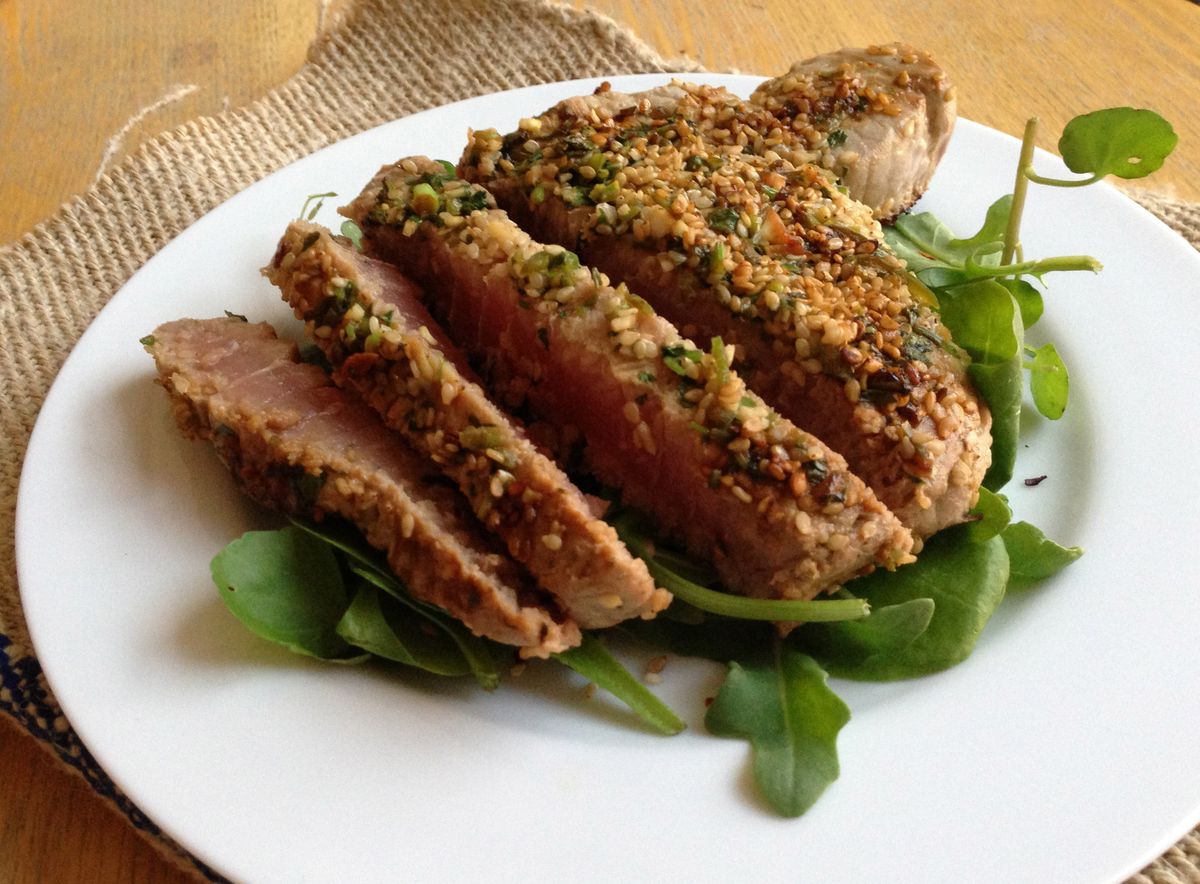
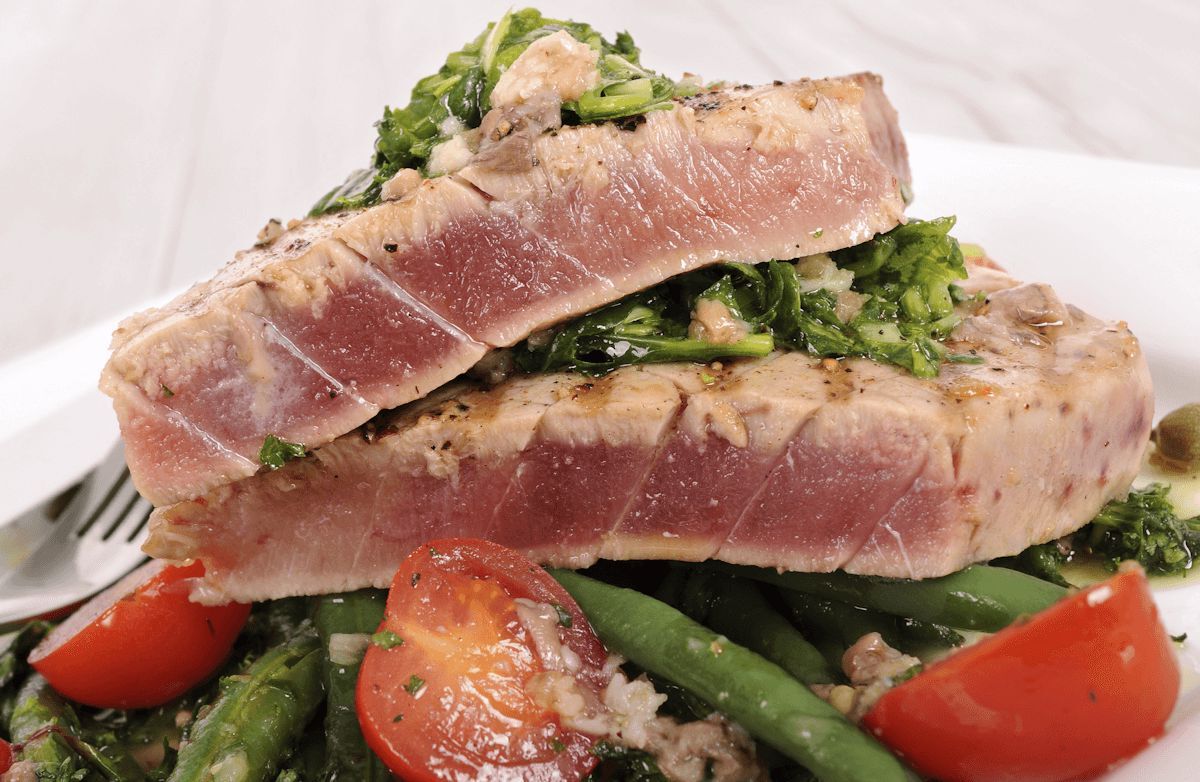
- Marinated Tuna Steak Recipe20 Minutes
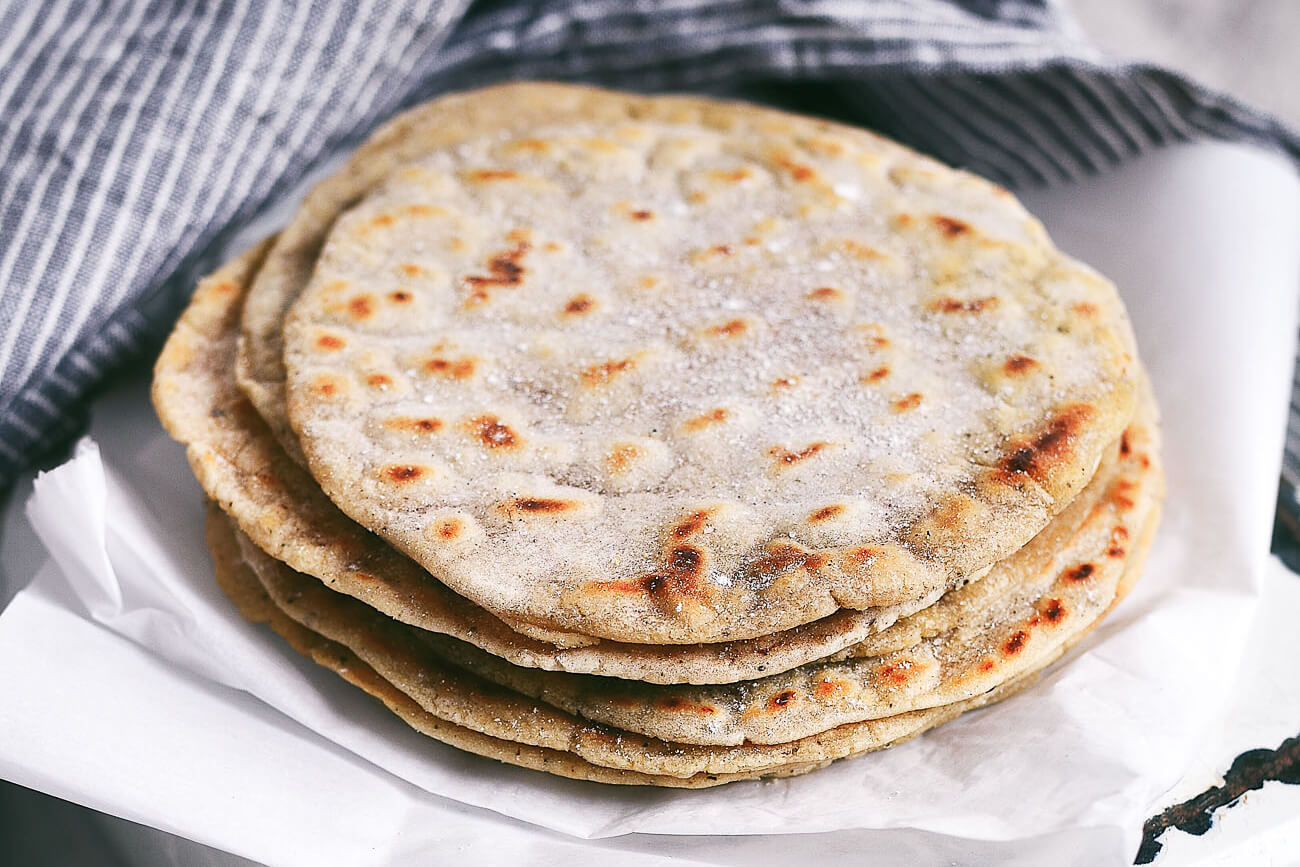
- Cassava Flour Tortillas Recipe20 Minutes
- Grilled Yellowfin Tuna Recipe18 Minutes
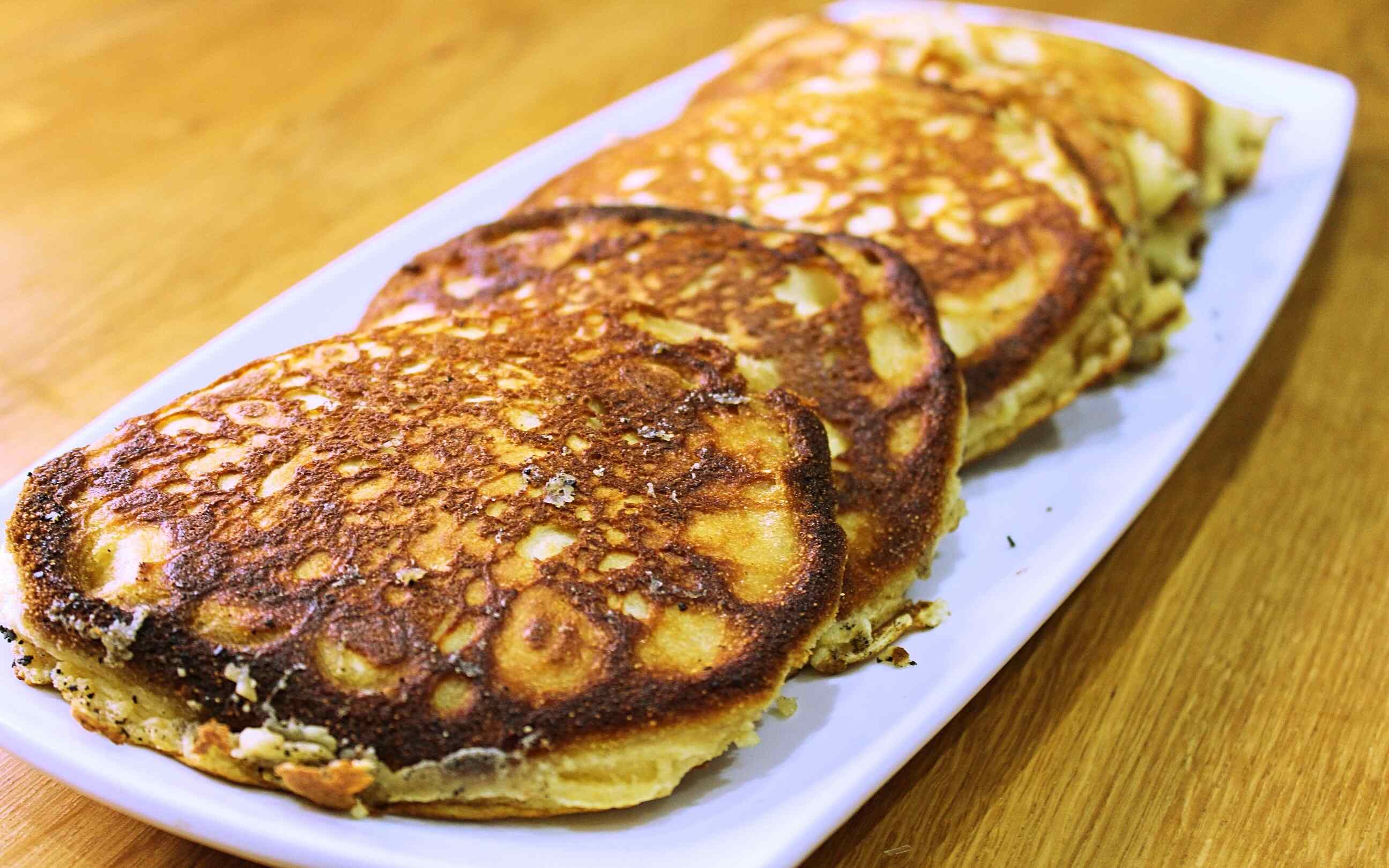
- Hoe Cake Recipe25 Minutes
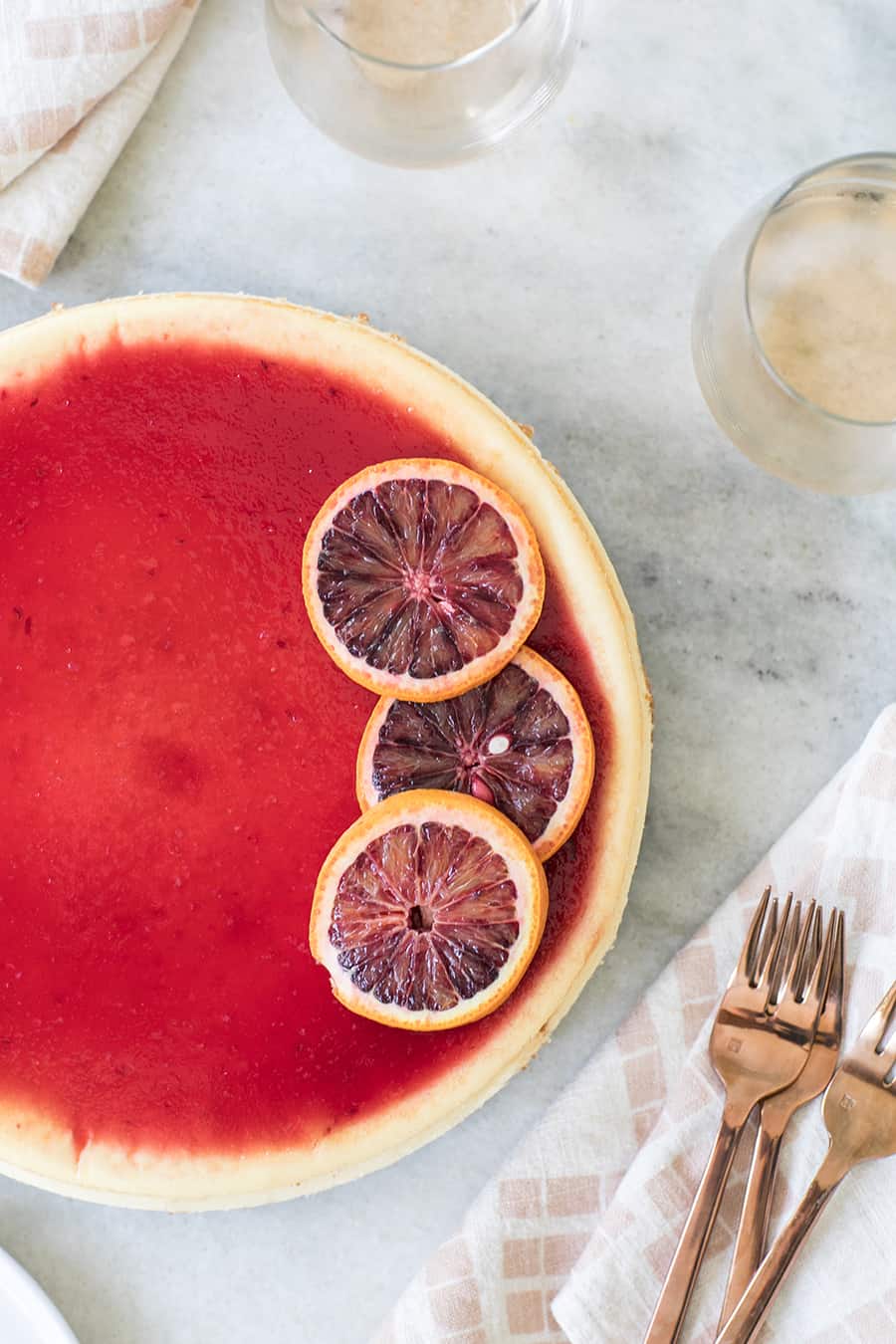
- Blood Orange Cheesecake Recipe1 Hours 20 Minutes
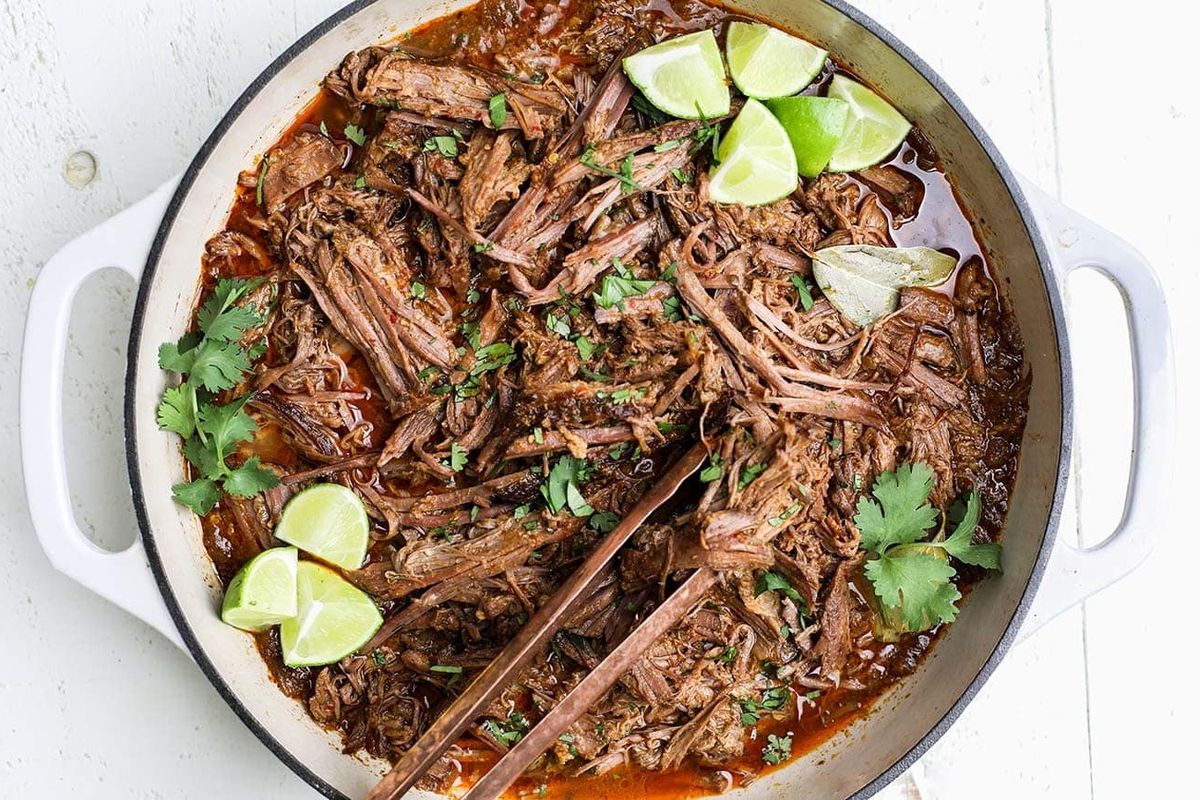
- Barbacoa Meat Recipe8 Hours 20 Minutes
- Sesame Ginger Noodle Recipe25 Minutes
- Instant Pot Chicken Breast Recipe30 Minutes
Leave a Reply