
Sous vide eggs are a delightful way to enjoy perfectly cooked eggs with minimal effort. This method ensures that the eggs are cooked evenly, resulting in a creamy and velvety texture. Whether you're preparing a luxurious breakfast or adding a gourmet touch to your dishes, sous vide eggs are a versatile and delicious option.
The ingredients for this recipe are quite simple and commonly found in most households. However, if you don't have a sous vide precision cooker, you will need to purchase one from a kitchen appliance store or online. This specialized equipment is essential for achieving the precise temperature control required for sous vide cooking.

Ingredients For Sous Vide Eggs Recipe
Eggs: The main ingredient, providing a rich and creamy texture when cooked sous vide.
Salt: Enhances the natural flavor of the eggs.
Pepper: Adds a touch of spice and depth to the seasoning.
Technique Tip for Perfect Sous Vide Eggs
For perfectly cooked eggs with a creamy texture, make sure to use the water displacement method to remove as much air as possible from the plastic bag. This ensures even cooking and prevents the bag from floating.
Suggested Side Dishes
Alternative Ingredients
eggs - Substitute with tofu: Tofu can be used as a plant-based alternative to eggs. It can be seasoned and cooked to mimic the texture and flavor of sous vide eggs.
salt - Substitute with soy sauce: Soy sauce can provide the salty flavor needed for the dish while also adding a bit of umami.
pepper - Substitute with paprika: Paprika can add a different kind of spice and a bit of smokiness to the dish, offering a unique twist on the traditional seasoning.
Alternative Recipes Similar to This One
How to Store or Freeze Your Sous Vide Eggs
- Allow the eggs to cool completely after cooking. This can be done by placing them in an ice bath for about 10 minutes.
- Once cooled, gently dry the eggs with a paper towel to remove any excess moisture.
- Store the eggs in an airtight container or a resealable plastic bag. Ensure that the container is clean and dry to prevent any contamination.
- Label the container with the date of cooking to keep track of freshness.
- Place the container in the refrigerator. The eggs can be stored in the fridge for up to one week.
- For freezing, wrap each egg individually in plastic wrap to prevent them from sticking together.
- Place the wrapped eggs in a freezer-safe bag or container. Remove as much air as possible before sealing to prevent freezer burn.
- Label the bag or container with the date of freezing.
- Store the eggs in the freezer for up to two months.
- To reheat, thaw the eggs in the refrigerator overnight if frozen. Then, reheat them in a sous vide bath at 60°C (140°F) for about 10 minutes to warm them through without overcooking.
How to Reheat Leftovers
Stovetop Method:
- Fill a saucepan with water and heat it to 75°C (167°F).
- Place the eggs in a plastic bag, seal it, and submerge in the water for about 10 minutes.
- Remove the eggs, crack them open, and season with salt and pepper.
Microwave Method:
- Crack the eggs into a microwave-safe bowl.
- Add a splash of water or milk to keep them moist.
- Cover the bowl with a microwave-safe lid or plate.
- Heat on medium power for 30-second intervals, stirring gently between each interval, until warmed through.
Oven Method:
- Preheat your oven to 75°C (167°F).
- Place the eggs in an oven-safe dish and cover with aluminum foil.
- Heat in the oven for about 10-15 minutes or until warmed through.
- Remove, crack open, and season with salt and pepper.
Sous Vide Method:
- Preheat your sous vide precision cooker to 75°C (167°F).
- Place the eggs back in a plastic bag and seal it using the water displacement method.
- Submerge the bag in the water bath and heat for about 10 minutes.
- Remove, crack open, and season with salt and pepper.
Essential Tools for Perfect Sous Vide Eggs
Sous vide precision cooker: A device that allows you to precisely control the temperature of the water bath for cooking the eggs.
Plastic bag: Used to hold the eggs while they cook in the water bath, ensuring they are fully submerged and protected.
Water bath: A container filled with water that is heated by the sous vide precision cooker to cook the eggs evenly.
Sealing method (water displacement): A technique to remove air from the plastic bag by submerging it in water before sealing, ensuring the bag doesn't float.
Timer: Used to keep track of the 60-minute cooking time.
Tongs: Useful for safely removing the hot plastic bag from the water bath once cooking is complete.
Cracking tool: Any tool or method you prefer to crack open the eggs after cooking.
Salt: For seasoning the eggs to taste.
Pepper: For seasoning the eggs to taste.
How to Save Time on Making This Recipe
Preheat in advance: Set your sous vide precision cooker to 75°C (167°F) ahead of time to ensure it's ready when you are.
Batch cooking: Cook multiple eggs at once to save time for future meals.
Use an immersion circulator: This helps maintain a consistent temperature, ensuring even cooking.
Quick seasoning: Have salt and pepper ready to season immediately after cooking.
Easy peeling: Submerge cooked eggs in ice water for a few minutes to make peeling easier.
Meal prep: Cook eggs in advance and store them in the fridge for quick breakfasts or snacks.
Sous Vide Eggs Recipe
Ingredients
Main Ingredients
- 4 large Eggs
- to taste Salt
- to taste Pepper
Instructions
- 1. Preheat your sous vide precision cooker to 75°C (167°F).
- 2. Place the eggs in a plastic bag and seal it using the water displacement method.
- 3. Submerge the bag in the water bath and cook for 60 minutes.
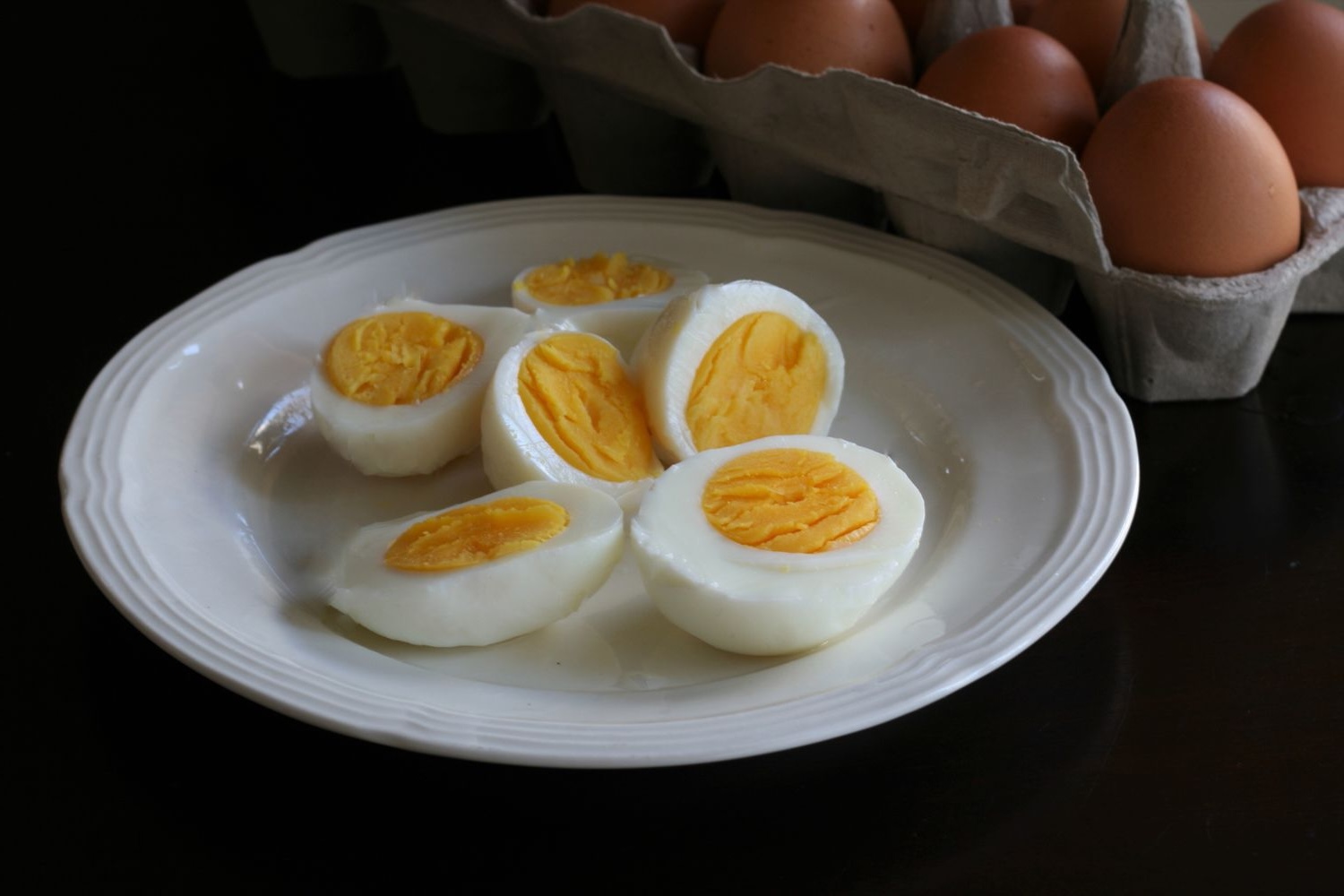
- 4. Once done, remove the eggs from the bag, crack them open, and season with salt and pepper to taste.
Nutritional Value
Keywords
More Amazing Recipes to Try 🙂
- Sidecar Cocktail Recipe5 Minutes
- Fuzzy Navel Cocktail Recipe5 Minutes
- Basic Fruit Smoothie Recipe5 Minutes
- Shrimp Egg Foo Young Recipe35 Minutes
- Tater Tot Breakfast Casserole Recipe1 Hours
- Finnish Pannu Kakku Recipe40 Minutes
- Sous Vide Hard Boiled Eggs Recipe1 Hours 5 Minutes
- Moong Dal Recipe40 Minutes










Leave a Reply