

Portuguese sweet bread, also known as Pão Doce, is a delightful, slightly sweet bread that is perfect for breakfast or as a snack. Its soft, fluffy texture and rich flavor make it a favorite among those who enjoy homemade baked goods. This traditional bread is often enjoyed during holidays and special occasions, but it's simple enough to make any time you're craving something sweet and comforting.
Most of the ingredients for Portuguese sweet bread are common pantry staples. However, you may need to ensure you have active dry yeast on hand, as it is essential for the bread's rise. Additionally, melted butter and warmed milk are crucial for achieving the right texture and flavor. If you don't usually keep these items at home, be sure to pick them up during your trip to the supermarket.

Ingredients For Portuguese Sweet Bread
All-purpose flour: The base of the bread, providing structure and texture.
Sugar: Adds sweetness to the bread, enhancing its flavor.
Active dry yeast: Helps the bread rise, creating a light and fluffy texture.
Salt: Balances the sweetness and enhances the overall flavor.
Warmed milk: Adds moisture and richness to the dough.
Melted butter: Contributes to the bread's tender crumb and rich flavor.
Beaten eggs: Adds richness, color, and structure to the bread.
Technique Tip for This Sweet Bread
When kneading the dough, ensure you use the heel of your hand to push it away from you, then fold it back over itself. This technique helps develop the gluten structure, making the bread light and airy. If the dough feels too sticky, sprinkle a little more flour on the surface, but be careful not to add too much, as it can make the bread dense.
Suggested Side Dishes
Alternative Ingredients
all-purpose flour - Substitute with bread flour: Bread flour has a higher protein content, which can give the bread a slightly chewier texture.
all-purpose flour - Substitute with whole wheat flour: Whole wheat flour adds a nutty flavor and more fiber, though it may make the bread denser.
sugar - Substitute with honey: Honey adds a different sweetness and moisture, but you may need to reduce the liquid in the recipe slightly.
sugar - Substitute with maple syrup: Maple syrup provides a unique flavor and sweetness, but like honey, you may need to adjust the liquid content.
active dry yeast - Substitute with instant yeast: Instant yeast can be mixed directly with the dry ingredients and often rises faster.
active dry yeast - Substitute with fresh yeast: Fresh yeast can give a more robust flavor but needs to be dissolved in liquid before use.
salt - Substitute with sea salt: Sea salt can add a slightly different mineral flavor.
warmed milk - Substitute with almond milk: Almond milk is a good non-dairy alternative that can provide a slightly nutty flavor.
warmed milk - Substitute with coconut milk: Coconut milk adds a rich, creamy texture and a hint of coconut flavor.
melted butter - Substitute with coconut oil: Coconut oil can provide a similar fat content and a slight coconut flavor.
melted butter - Substitute with olive oil: Olive oil can add a different flavor profile and is a healthier fat option.
beaten eggs - Substitute with flax eggs: Flax eggs (1 tablespoon ground flaxseed + 3 tablespoon water per egg) are a good vegan alternative that helps bind the ingredients.
beaten eggs - Substitute with applesauce: Applesauce can add moisture and a slight sweetness, making it a good egg substitute in baking.
Other Alternative Recipes Similar to This Sweet Bread
How to Store or Freeze This Sweet Bread
- Allow the Portuguese sweet bread to cool completely on a wire rack before storing. This prevents condensation from forming inside the storage container, which can make the bread soggy.
- Wrap the cooled bread tightly in plastic wrap or aluminum foil to maintain its freshness. Ensure there are no gaps or openings.
- For short-term storage, place the wrapped bread in an airtight container or a resealable plastic bag. Store at room temperature for up to 3 days.
- If you plan to keep the bread for longer, consider freezing it. Wrap the bread in a layer of plastic wrap followed by a layer of aluminum foil to prevent freezer burn.
- Label the wrapped bread with the date before placing it in the freezer. This helps you keep track of how long it has been stored.
- When ready to enjoy, thaw the bread at room temperature while still wrapped. This helps retain moisture and prevents the bread from drying out.
- For a freshly baked taste, reheat the thawed bread in a preheated oven at 350°F (175°C) for about 10 minutes or until warm. This step is optional but enhances the texture and flavor.
- Avoid storing the bread in the refrigerator, as this can cause it to dry out and become stale more quickly.
- If you have leftover slices, consider toasting them for a delightful breakfast or snack. Top with butter, jam, or even a drizzle of honey for added flavor.
How to Reheat Leftovers
Oven Method: Preheat your oven to 325°F (165°C). Wrap the Portuguese sweet bread in aluminum foil to prevent it from drying out. Place it on a baking sheet and heat for about 10-15 minutes, or until warmed through. This method helps retain the bread's moisture and texture.
Microwave Method: Place a slice of Portuguese sweet bread on a microwave-safe plate. Cover it with a damp paper towel to keep it from drying out. Microwave on medium power for 20-30 seconds. This method is quick but be cautious not to overheat, as it can make the bread chewy.
Toaster Oven Method: Preheat your toaster oven to 325°F (165°C). Place the Portuguese sweet bread directly on the rack or on a small baking sheet. Heat for about 5-7 minutes. This method gives a slightly crisp exterior while keeping the inside soft.
Stovetop Method: Heat a non-stick skillet over medium-low heat. Place a slice of Portuguese sweet bread in the skillet and cover with a lid. Heat for about 2-3 minutes on each side. This method is great for achieving a lightly toasted surface.
Steaming Method: If you have a steamer, place the Portuguese sweet bread in the steamer basket. Steam for about 5 minutes. This method is excellent for retaining the bread's softness and moisture without making it soggy.
Best Tools for This Recipe
Mixing bowl: A large container used to combine the initial ingredients and mix them thoroughly.
Measuring cups: Essential for accurately measuring the flour, sugar, and milk.
Measuring spoons: Used to measure smaller quantities like yeast and salt.
Whisk: Useful for beating the eggs and ensuring they are well incorporated into the mixture.
Wooden spoon: Ideal for mixing the dough before it becomes too stiff.
Dough scraper: Helps in handling and kneading the dough on a floured surface.
Floured surface: A clean, flat area dusted with flour to prevent the dough from sticking while kneading.
Greased bowl: Used to place the dough in for its first rise, preventing it from sticking.
Plastic wrap or clean kitchen towel: To cover the dough while it rises, keeping it warm and moist.
Baking pan: A greased pan where the dough will be placed for its final rise and baking.
Oven: Preheated to 350°F (175°C) for baking the bread to a golden brown.
Wire rack: Used to cool the bread after it has been baked, allowing air to circulate and prevent sogginess.
How to Save Time on Making This Sweet Bread
Prepare ingredients in advance: Measure and set out all ingredients before starting. This reduces prep time and ensures you have everything ready.
Use a stand mixer: A stand mixer can save time and effort when mixing and kneading the dough.
Warm environment for rising: Place the dough in a slightly warm oven (turned off) to speed up the rising process.
Double batch: Make a double batch and freeze one loaf for later. This way, you only need to bake once but get two loaves.
Preheat oven early: Start preheating your oven while the dough is rising to save time.
Portuguese Sweet Bread Recipe
Ingredients
Main Ingredients
- 4 cups All-purpose flour
- 1 cup Sugar
- 1 tablespoon Active dry yeast
- 1 teaspoon Salt
- 1 cup Milk warmed
- ½ cup Butter melted
- 3 Eggs beaten
Instructions
- 1. In a large mixing bowl, combine 1 cup of flour, sugar, yeast, and salt.
- 2. Add the warm milk and melted butter. Mix well.
- 3. Beat in the eggs until the mixture is smooth.
- 4. Gradually add the remaining flour to form a soft dough.
- 5. Knead the dough on a floured surface until smooth and elastic, about 6-8 minutes.
- 6. Place the dough in a greased bowl, cover, and let rise in a warm place until doubled, about 1 hour.
- 7. Punch down the dough and shape it into a loaf. Place in a greased baking pan.
- 8. Cover and let rise until doubled, about 30 minutes.
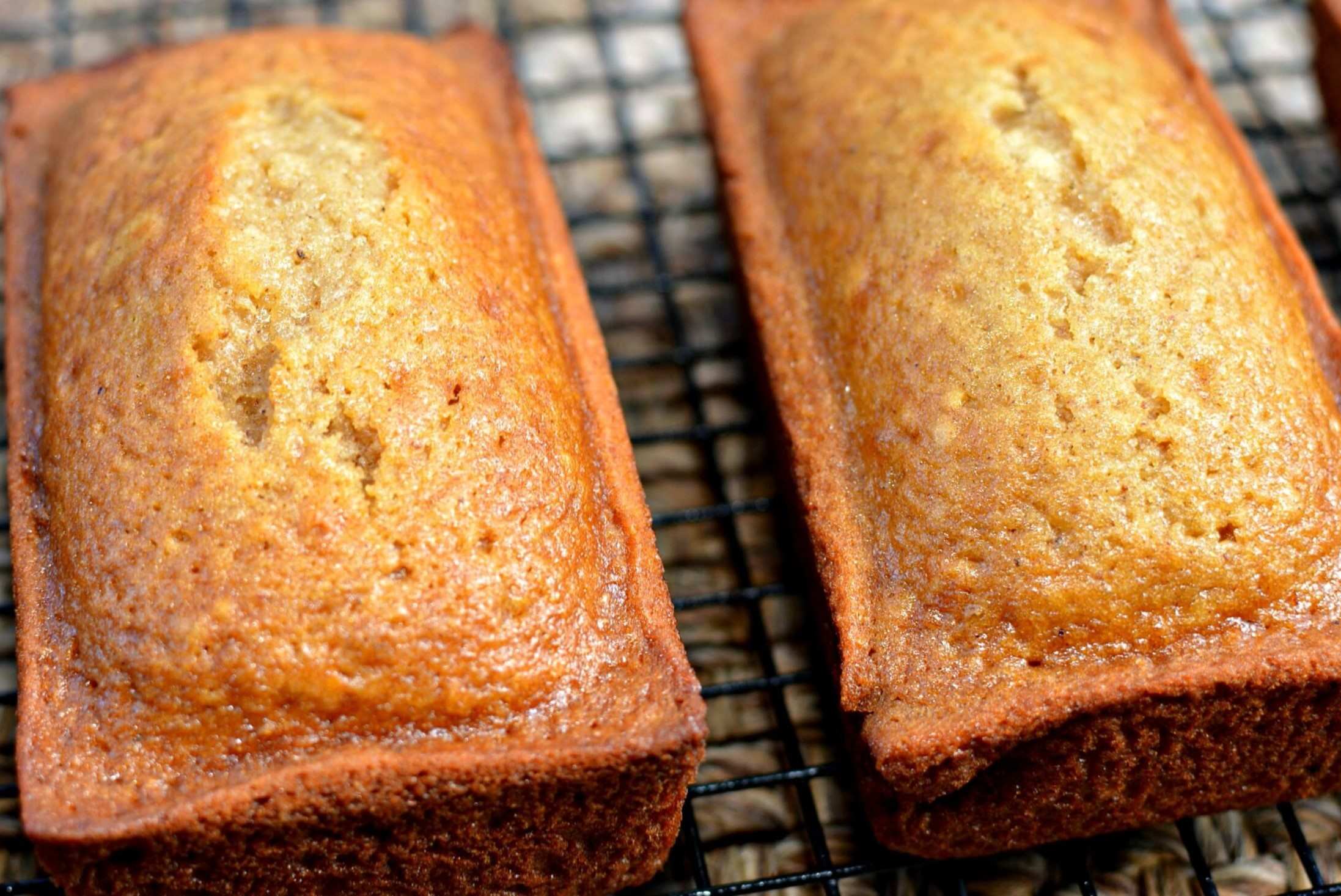
- 9. Preheat oven to 350°F (175°C). Bake for 30 minutes or until golden brown.
- 10. Remove from pan to a wire rack to cool.
Nutritional Value
Keywords
More Amazing Recipes to Try 🙂
- Pinto Bean Chili Recipe1 Hours
- Grilled Salmon Avocado Salsa Recipe25 Minutes
- Electric Lemonade Recipe10 Minutes
- Enchiladas Verdes Recipe50 Minutes
- Quinoa and Beet Salad Recipe35 Minutes
- Sushi Roll Recipe50 Minutes
- Avocado Cilantro Lime Dip Recipe10 Minutes
- Orange Creamsicle Salad Recipe10 Minutes









Leave a Reply