

Indulge in the rich and aromatic flavors of this vegetarian korma, a delightful dish that combines a medley of vegetables with a creamy coconut milk base. Perfect for a comforting meal, this recipe brings together a blend of spices that will tantalize your taste buds and leave you craving for more.
When preparing this recipe, you might need to pick up a few ingredients that aren't always stocked in every kitchen. Garam masala, a fragrant spice blend, and coconut milk are essential for achieving the authentic flavor and creamy texture of the korma. Additionally, tomato puree provides a rich base for the sauce. Make sure to check your pantry before heading to the supermarket.

Ingredients for Vegetarian Korma Recipe
Vegetable oil: Used for sautéing the onions, garlic, and ginger, providing a base for the dish.
Onion: Adds sweetness and depth of flavor when cooked until translucent.
Garlic: Provides a pungent, aromatic flavor that enhances the overall taste.
Ginger: Adds a warm, spicy note that complements the other spices.
Mixed vegetables: A combination of carrots, peas, and potatoes adds texture and nutrition.
Coconut milk: Creates a creamy, rich base for the korma sauce.
Tomato puree: Adds acidity and depth to the sauce, balancing the flavors.
Garam masala: A blend of spices that gives the korma its distinctive, aromatic flavor.
Turmeric: Adds a warm, earthy flavor and a vibrant yellow color.
Cumin: Provides a nutty, slightly peppery flavor that enhances the overall taste.
Salt: Enhances the flavors of all the ingredients.
Black pepper: Adds a mild heat and depth of flavor to the dish.
Technique Tip for This Recipe
When sautéing the onions, make sure to cook them until they are fully translucent and slightly golden. This process, known as caramelization, enhances the sweetness and depth of flavor in your korma. Additionally, when adding the garlic and ginger, be cautious not to burn them; they should be cooked just until fragrant to avoid any bitter taste.
Suggested Side Dishes
Alternative Ingredients
vegetable oil - Substitute with olive oil: Olive oil provides a rich flavor and is a healthier fat option.
onion - Substitute with shallots: Shallots have a milder and sweeter taste, which can add a different depth of flavor.
garlic - Substitute with garlic powder: Garlic powder can be used if fresh garlic is not available, though it has a less intense flavor.
ginger - Substitute with ground ginger: Ground ginger can be used in place of fresh ginger, but use less as it is more concentrated.
mixed vegetables (carrots, peas, potatoes) - Substitute with cauliflower, green beans, and sweet potatoes: These vegetables provide a similar texture and nutritional profile.
coconut milk - Substitute with almond milk with a splash of coconut extract: This combination can mimic the creamy texture and subtle coconut flavor.
tomato puree - Substitute with crushed tomatoes: Crushed tomatoes can provide a similar consistency and flavor, though they may be slightly chunkier.
garam masala - Substitute with curry powder: Curry powder can offer a similar blend of spices, though it may have a different flavor profile.
turmeric - Substitute with saffron: Saffron can provide a similar color and a unique flavor, though it is more expensive.
cumin - Substitute with coriander: Coriander has a slightly different flavor but can complement the other spices well.
salt - Substitute with soy sauce: Soy sauce can add a salty and umami flavor, but use it sparingly to avoid overpowering the dish.
black pepper - Substitute with white pepper: White pepper has a similar heat but a slightly different flavor, which can add a unique twist.
Other Alternative Recipes Similar to Korma
How To Store / Freeze This Dish
Allow the vegetarian korma to cool completely before storing. This prevents condensation, which can lead to soggy vegetables and spoilage.
Transfer the cooled korma into airtight containers. Glass containers are preferred as they do not retain odors and are microwave-safe.
Label the containers with the date of preparation. This helps keep track of freshness and ensures you consume it within a safe timeframe.
Store the containers in the refrigerator if you plan to consume the korma within 3-4 days. The flavors often meld together beautifully over time, making it even more delicious.
For longer storage, place the korma in the freezer. Use freezer-safe containers or heavy-duty freezer bags to prevent freezer burn. Lay the bags flat to save space and for quicker thawing.
When ready to enjoy, thaw the frozen korma in the refrigerator overnight. This gradual thawing helps maintain the texture of the vegetables.
Reheat the korma gently on the stovetop over medium heat, stirring occasionally. Add a splash of coconut milk or vegetable broth if it appears too thick.
Alternatively, you can reheat individual portions in the microwave. Use a microwave-safe dish, cover it loosely, and heat in 1-minute intervals, stirring in between to ensure even heating.
If you notice any off smells, discoloration, or mold, discard the korma immediately. Food safety is paramount.
Enjoy your vegetarian korma with fresh naan, rice, or even as a topping for quinoa for a delightful meal.
How To Reheat Leftovers
For stovetop reheating, place the leftover vegetarian korma in a saucepan over medium heat. Add a splash of water or vegetable broth to prevent sticking. Stir occasionally until heated through, about 5-7 minutes.
To reheat in the microwave, transfer the korma to a microwave-safe bowl. Cover with a microwave-safe lid or plastic wrap with a small vent. Heat on high for 2-3 minutes, stirring halfway through to ensure even heating.
For oven reheating, preheat your oven to 350°F (175°C). Place the korma in an oven-safe dish and cover with aluminum foil. Heat for 15-20 minutes or until warmed through, stirring halfway for even heating.
If you have an instant pot or pressure cooker, use the sauté function. Add the korma and a bit of water or coconut milk to maintain its creamy texture. Stir occasionally until hot, which should take about 5 minutes.
For a quick and easy method, use a double boiler. Place the korma in the top part of the double boiler and simmer water in the bottom part. Stir occasionally until the korma is heated through, which should take about 10 minutes.
Essential Tools for Making Korma
Large pot: A large pot is essential for cooking the korma, allowing enough space for all the ingredients to simmer together.
Wooden spoon: A wooden spoon is ideal for stirring the ingredients without scratching the pot.
Knife: A sharp knife is necessary for chopping the onions, garlic, ginger, and mixed vegetables.
Cutting board: A cutting board provides a safe and stable surface for chopping all the vegetables and aromatics.
Measuring spoons: Measuring spoons ensure you add the correct amounts of spices and oil.
Measuring cup: A measuring cup is used to measure the coconut milk and tomato puree accurately.
Garlic press: A garlic press can be used to mince the garlic quickly and efficiently.
Grater: A grater is useful for mincing the ginger finely.
Can opener: A can opener might be needed if your coconut milk or tomato puree comes in a can.
Serving spoon: A serving spoon is used to dish out the korma once it's ready to be served.
How to Save Time on This Recipe
Prep ingredients ahead: Chop onions, garlic, ginger, and mixed vegetables in advance and store them in airtight containers.
Use frozen vegetables: Opt for pre-chopped frozen mixed vegetables to cut down on prep time.
One-pot cooking: Cook everything in a single pot to minimize cleanup.
Measure spices beforehand: Pre-measure garam masala, turmeric, and cumin and keep them ready to add.
Quick simmer: Use a pressure cooker to reduce the simmering time for the vegetables.
Vegetarian Korma Recipe
Ingredients
Main Ingredients
- 2 tablespoon Vegetable Oil
- 1 cup Onion, chopped
- 2 cloves Garlic, minced
- 1 tablespoon Ginger, minced
- 2 cups Mixed Vegetables (carrots, peas, potatoes), chopped
- 1 cup Coconut Milk
- 1 cup Tomato Puree
- 1 teaspoon Garam Masala
- 1 teaspoon Turmeric
- 1 teaspoon Cumin
- to taste Salt
- to taste Black Pepper
Instructions
- Heat the oil in a large pot over medium heat. Add the chopped onions and cook until translucent.
- Add the minced garlic and ginger. Cook for another 2 minutes.
- Add the mixed vegetables and cook for 5 minutes.
- Stir in the coconut milk, tomato puree, garam masala, turmeric, and cumin. Bring to a simmer.
- Reduce the heat and let it cook for 20 minutes, or until the vegetables are tender.
- Season with salt and black pepper to taste. Serve hot.
Nutritional Value
Keywords
Suggested Appetizers and Desserts
More Amazing Recipes to Try 🙂
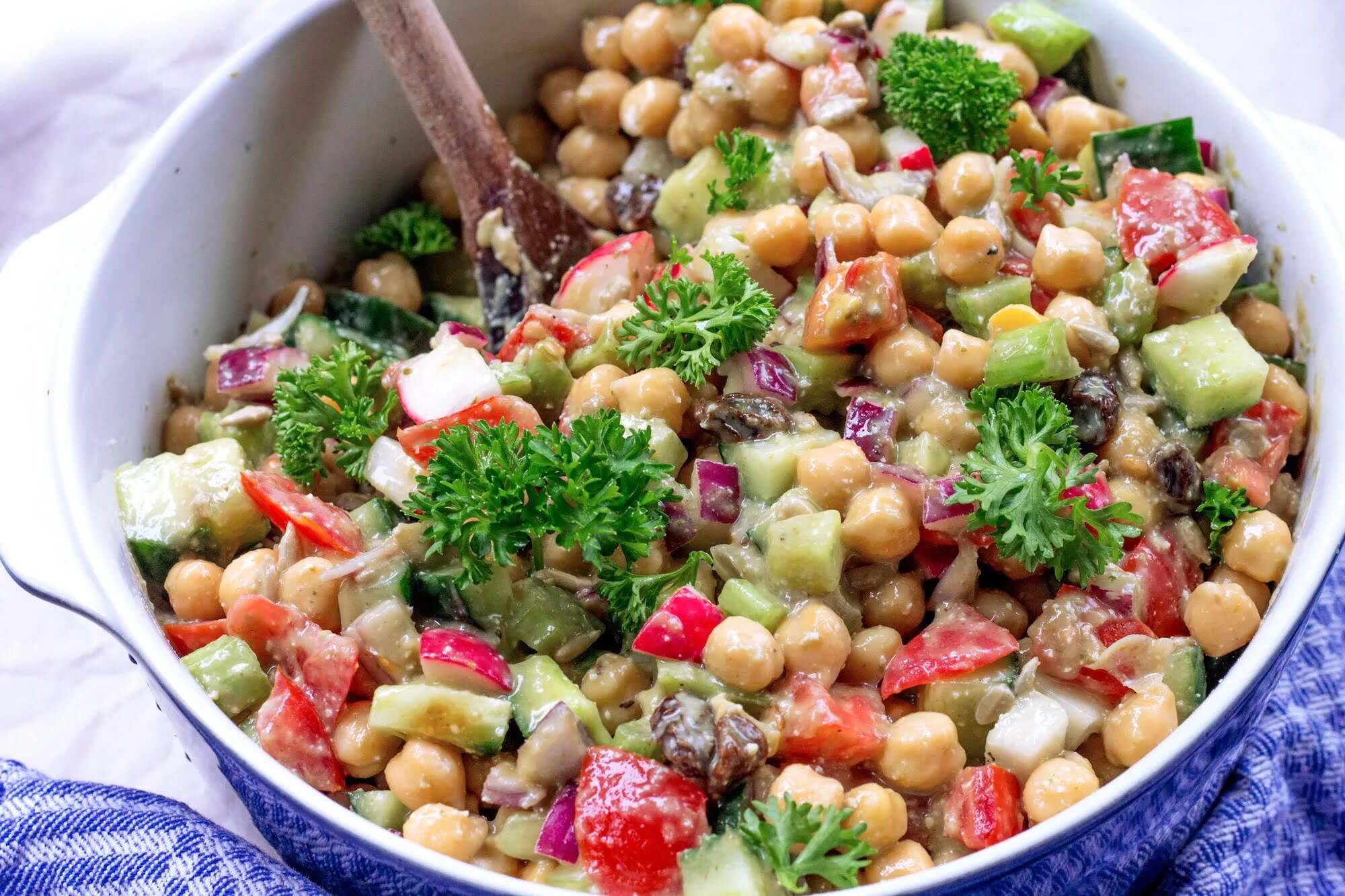
- Avocado Chickpea Salad Recipe10 Minutes
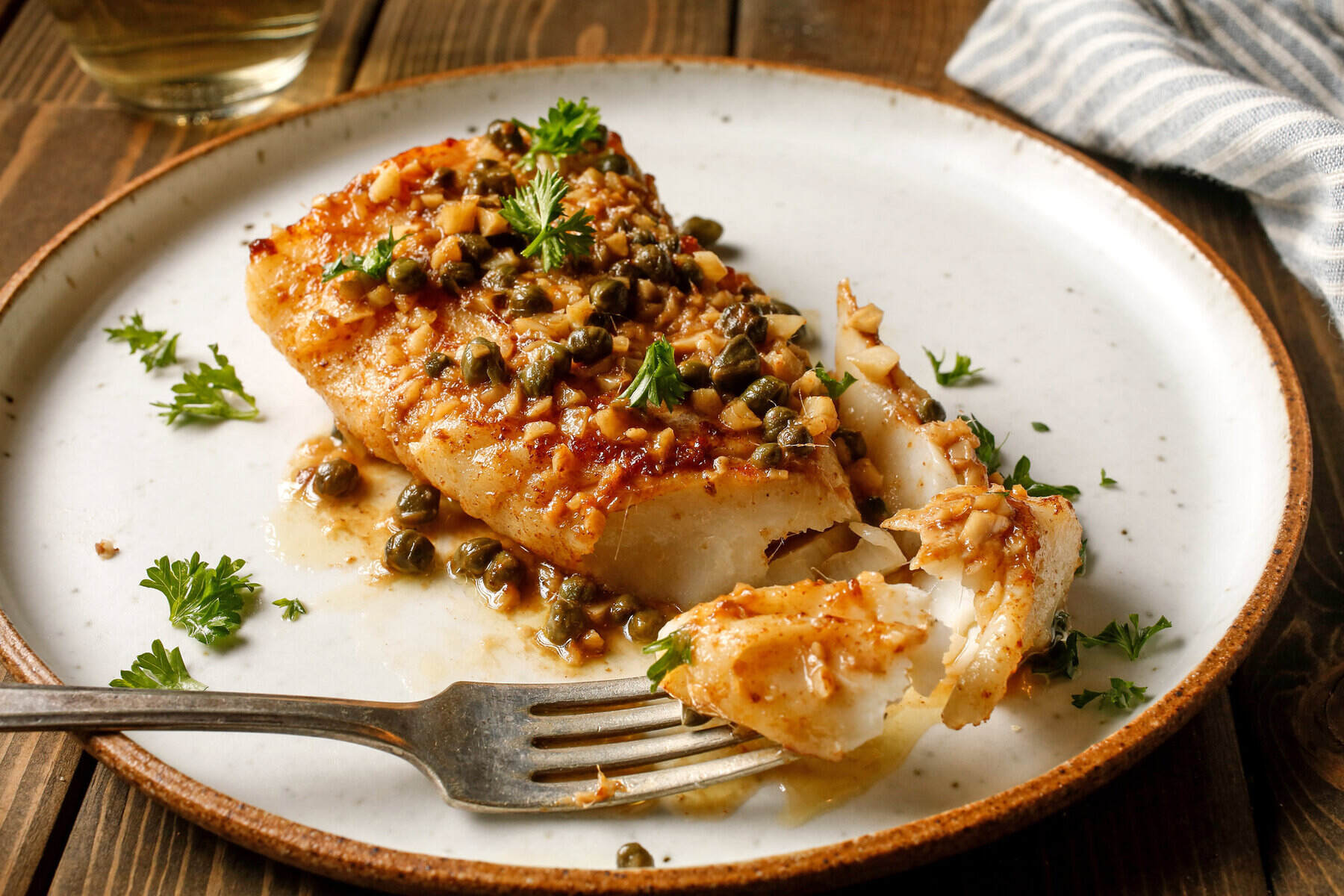
- Halibut Recipe25 Minutes
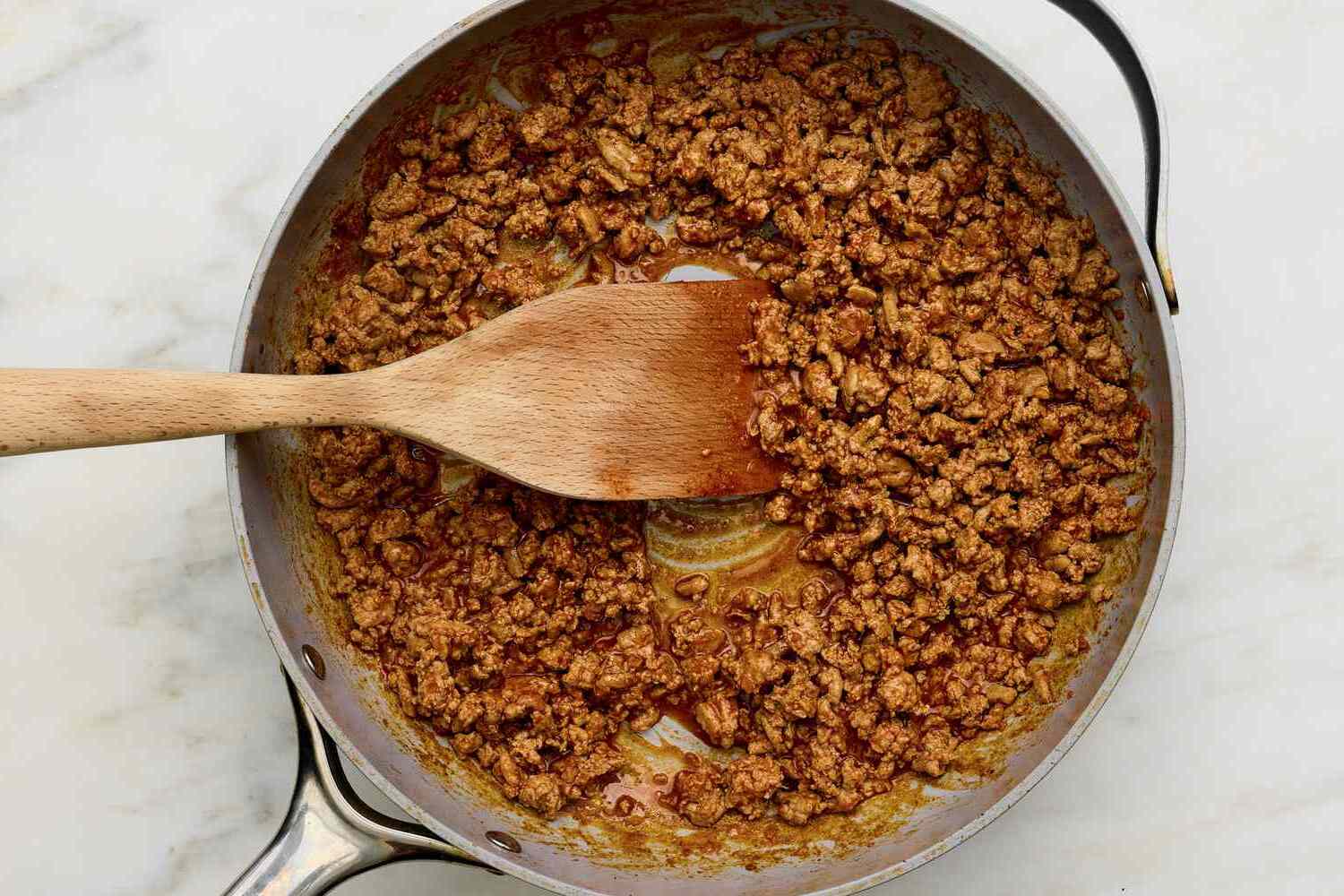
- Ground Turkey Taco Meat Recipe25 Minutes
- Lemon Curd Roulade Recipe35 Minutes
- Potato and Egg Casserole Recipe1 Hours
- Thin Crust Pizza Dough Recipe25 Minutes
- Sheet Pan Hash Browns Recipe40 Minutes
- Curry Coconut Shrimp Recipe35 Minutes






Leave a Reply