

This spicy pork curry is a delightful blend of flavors and spices that will tantalize your taste buds. The rich and creamy coconut milk combined with the heat from chili powder and curry powder creates a perfect balance, making it an ideal dish for those who love a bit of spice in their meals.
When preparing this recipe, you might need to look out for coconut milk and curry powder if they are not commonly found in your pantry. These ingredients are essential for achieving the authentic flavor of the dish. You can find them in the international or Asian section of most supermarkets.
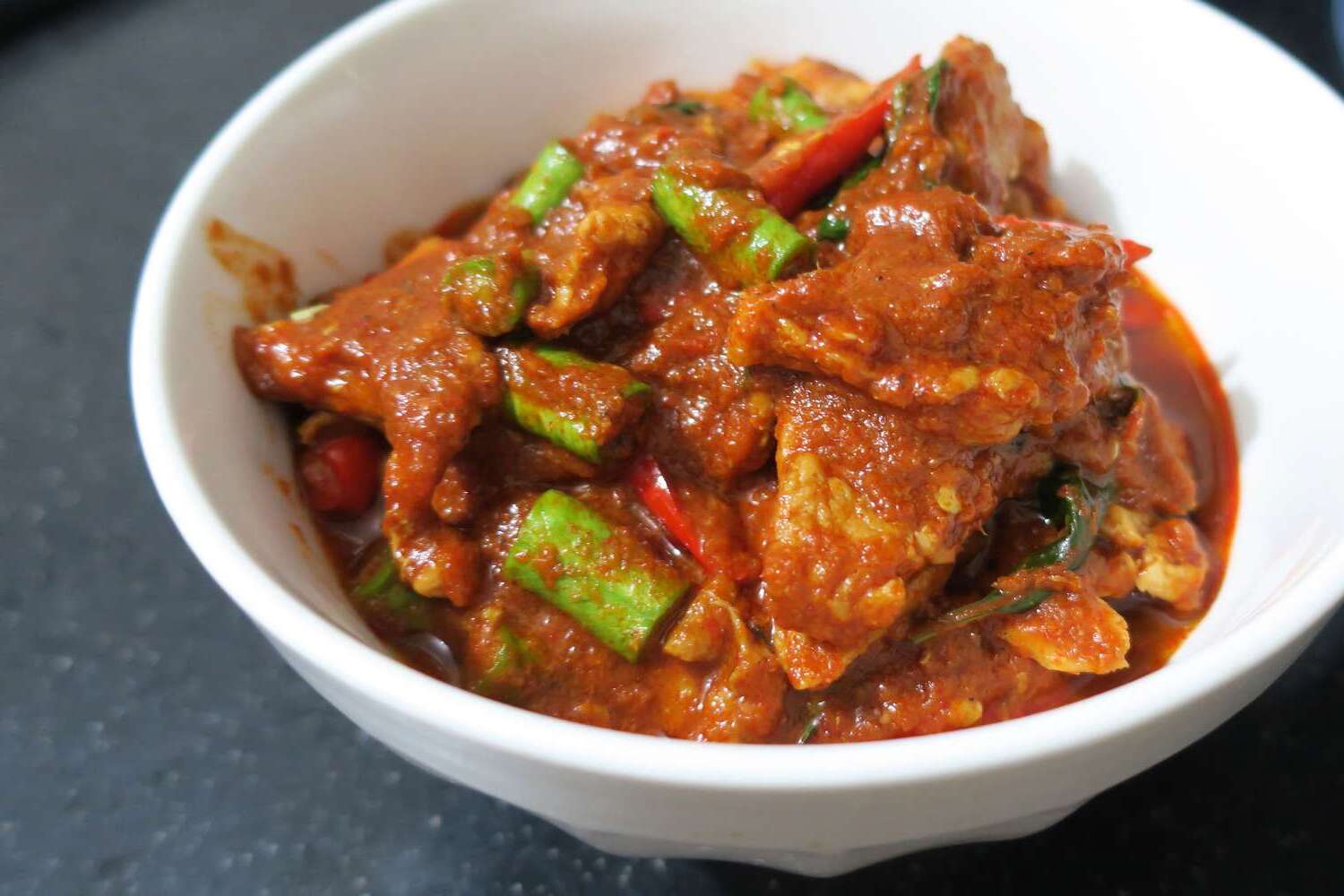
Ingredients For Spicy Pork Curry Recipe
Pork shoulder: This cut of meat is ideal for slow cooking and becomes tender and flavorful in the curry.
Vegetable oil: Used for sautéing the onions, garlic, and ginger, providing a neutral base for the spices.
Onion: Adds sweetness and depth to the curry when cooked until soft and translucent.
Garlic: Provides a pungent and aromatic flavor that enhances the overall taste of the dish.
Ginger: Adds a warm, spicy note that complements the other spices in the curry.
Curry powder: A blend of spices that gives the curry its distinctive flavor and color.
Chili powder: Adds heat and a spicy kick to the curry.
Coconut milk: Creates a rich and creamy base for the curry, balancing the heat from the spices.
Chicken broth: Adds depth and enhances the overall flavor of the curry.
Salt: Enhances the flavors of the other ingredients.
Black pepper: Adds a mild heat and enhances the overall flavor profile.
Lime juice: Adds a fresh, tangy note that brightens up the dish.
Cilantro: Provides a fresh, herbaceous finish to the curry.
Technique Tip for This Recipe
When browning the pork, ensure the pieces are not overcrowded in the pot. Overcrowding can cause the meat to steam rather than brown, which will affect the depth of flavor in your curry. If necessary, brown the pork in batches to achieve a nice, even sear on all sides. This step is crucial for developing a rich, complex base for your spicy pork curry.
Suggested Side Dishes
Alternative Ingredients
Pork shoulder - Substitute with chicken thighs: Chicken thighs have a similar texture and fat content, making them a good alternative for maintaining the richness of the curry.
Vegetable oil - Substitute with coconut oil: Coconut oil adds a complementary flavor to the curry and works well with the coconut milk.
Onion - Substitute with shallots: Shallots have a milder and sweeter taste, which can add a subtle depth to the curry.
Garlic - Substitute with garlic powder: If fresh garlic is unavailable, garlic powder can provide a similar flavor, though it may be slightly less pungent.
Ginger - Substitute with ground ginger: Ground ginger can be used in place of fresh ginger, though it will have a slightly different texture and intensity.
Curry powder - Substitute with garam masala: Garam masala offers a different but equally complex spice profile that can enhance the curry's flavor.
Chili powder - Substitute with cayenne pepper: Cayenne pepper provides a similar level of heat, though it is slightly more intense, so use sparingly.
Coconut milk - Substitute with heavy cream: Heavy cream can mimic the richness of coconut milk, though it will lack the coconut flavor.
Chicken broth - Substitute with vegetable broth: Vegetable broth can be used to maintain the liquid content and add a different but still savory flavor.
Salt - Substitute with soy sauce: Soy sauce can add saltiness along with an umami depth to the curry.
Black pepper - Substitute with white pepper: White pepper has a slightly different flavor profile but can still provide the necessary heat and spice.
Lime juice - Substitute with lemon juice: Lemon juice offers a similar acidity and brightness to the dish.
Fresh cilantro - Substitute with fresh parsley: Fresh parsley can provide a similar fresh, herbaceous note, though it will lack the distinct flavor of cilantro.
Alternative Recipes Similar to This Dish
How to Store or Freeze This Dish
Allow the spicy pork curry to cool completely before storing. This helps prevent condensation, which can lead to a watery curry.
Transfer the cooled curry into airtight containers. For portion control, consider using smaller containers to store individual servings.
Label each container with the date of preparation. This ensures you keep track of freshness and consume the curry within a safe timeframe.
Store the containers in the refrigerator if you plan to consume the curry within 3-4 days. The coconut milk and pork will maintain their flavor and texture well within this period.
For longer storage, place the containers in the freezer. The curry can be frozen for up to 3 months without significant loss of quality.
When ready to reheat, thaw the frozen curry in the refrigerator overnight. This gradual thawing helps maintain the integrity of the coconut milk and prevents the curry from becoming grainy.
Reheat the thawed curry on the stovetop over medium heat, stirring occasionally to ensure even heating. Add a splash of chicken broth or water if the curry appears too thick.
Alternatively, you can reheat the curry in the microwave. Use a microwave-safe container, cover it loosely, and heat in 1-2 minute intervals, stirring in between, until the curry is hot throughout.
Garnish with fresh cilantro and a squeeze of lime juice just before serving to refresh the flavors.
How to Reheat Leftovers
Stovetop Method: Place the leftover spicy pork curry in a saucepan. Add a splash of chicken broth or coconut milk to maintain its creamy texture. Heat over medium-low, stirring occasionally, until the pork is heated through and the sauce is bubbling gently. This method ensures the flavors meld even more beautifully.
Microwave Method: Transfer the curry to a microwave-safe dish. Cover it loosely with a microwave-safe lid or plastic wrap, leaving a small vent for steam to escape. Heat on medium power in 1-minute intervals, stirring in between, until the pork is hot. Be cautious not to overheat, as this can make the meat tough.
Oven Method: Preheat your oven to 350°F (175°C). Place the spicy pork curry in an oven-safe dish and cover it with aluminum foil to prevent drying out. Heat for about 20-25 minutes, or until the pork is thoroughly warmed. This method is great for reheating larger quantities evenly.
Slow Cooker Method: If you have a bit more time, transfer the curry to a slow cooker. Set it on low and let it warm for 1-2 hours. This gentle reheating method keeps the pork tender and the sauce rich.
Double Boiler Method: For a more delicate approach, use a double boiler. Place the curry in the top part of the double boiler and simmer water in the bottom part. Stir occasionally until the pork is heated through. This method prevents direct heat, reducing the risk of overcooking.
Sous Vide Method: If you have sous vide equipment, place the spicy pork curry in a vacuum-sealed bag. Submerge it in a water bath set to 140°F (60°C) for about 30-45 minutes. This method ensures even reheating without compromising the texture of the pork.
Steamer Method: Place the curry in a heatproof bowl and set it in a steamer basket over boiling water. Cover and steam for about 10-15 minutes, or until the pork is heated through. This method helps retain moisture and flavor.
Essential Tools for This Recipe
Large pot: A deep cooking vessel used to cook the curry and allow it to simmer properly.
Wooden spoon: Ideal for stirring the ingredients without scratching the pot.
Chef's knife: Essential for dicing the pork shoulder and finely chopping the onion, garlic, and ginger.
Cutting board: Provides a safe and clean surface for chopping and dicing ingredients.
Measuring spoons: Used to measure out the precise amounts of vegetable oil, curry powder, chili powder, and lime juice.
Measuring cup: Necessary for measuring the coconut milk and chicken broth accurately.
Garlic press: Handy for mincing the garlic cloves quickly and efficiently.
Microplane grater: Useful for mincing the ginger finely.
Ladle: Helps in serving the curry neatly and efficiently.
Serving bowl: Used to present the finished spicy pork curry attractively.
Tongs: Useful for turning the pork pieces to ensure they brown evenly on all sides.
How to Save Time on This Recipe
Pre-chop ingredients: Dice the pork shoulder, chop the onion, and mince the garlic and ginger in advance to streamline the cooking process.
Use a food processor: Quickly chop the onion, garlic, and ginger using a food processor to save time on prep work.
Measure spices ahead: Pre-measure the curry powder and chili powder so you can add them quickly when needed.
Simmer in a slow cooker: After browning the pork, transfer everything to a slow cooker and let it cook on low for 6-8 hours, freeing up your time.
Batch cooking: Double the recipe and freeze half for a quick meal later.
Spicy Pork Curry Recipe
Ingredients
Main Ingredients
- 500 g Pork shoulder, diced
- 2 tablespoon Vegetable oil
- 1 large Onion, finely chopped
- 3 cloves Garlic, minced
- 1 tablespoon Ginger, minced
- 2 tablespoon Curry powder
- 1 teaspoon Chili powder
- 400 ml Coconut milk
- 1 cup Chicken broth
- 1 teaspoon Salt
- 1 teaspoon Black pepper
- 1 tablespoon Lime juice
- 2 tablespoon Fresh cilantro, chopped
Instructions
- Heat the oil in a large pot over medium heat. Add the onions and cook until they are soft and translucent.
- Add the garlic and ginger, and cook for another 2 minutes.
- Add the pork and cook until browned on all sides.
- Stir in the curry powder and chili powder, and cook for another minute.
- Pour in the coconut milk and chicken broth. Bring to a boil, then reduce the heat and simmer for 30 minutes, or until the pork is tender.
- Season with salt and pepper. Stir in the lime juice and cilantro just before serving.
Nutritional Value
Keywords
Suggested Appetizers and Desserts
More Amazing Recipes to Try 🙂
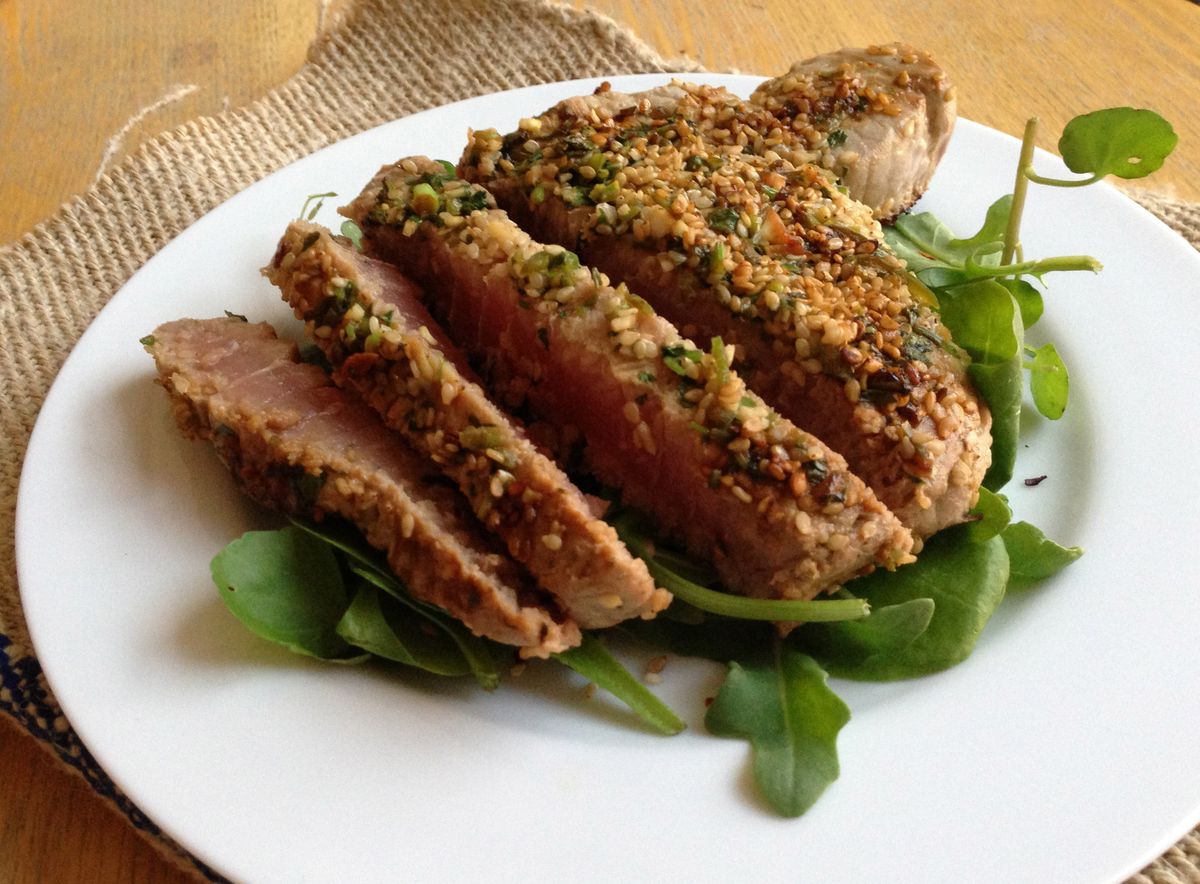
- Marinated Tuna Steak Recipe20 Minutes
- Cassava Flour Tortillas Recipe20 Minutes
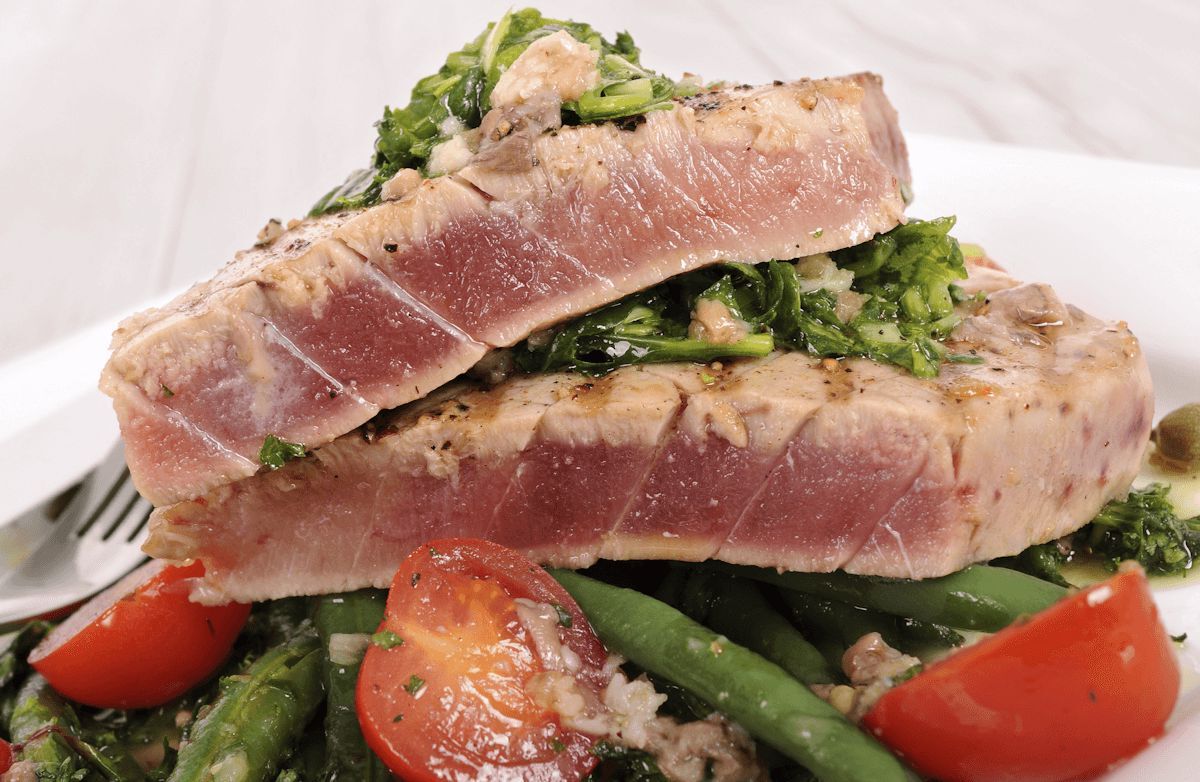
- Grilled Yellowfin Tuna Recipe18 Minutes
- Hoe Cake Recipe25 Minutes
- Blood Orange Cheesecake Recipe1 Hours 20 Minutes
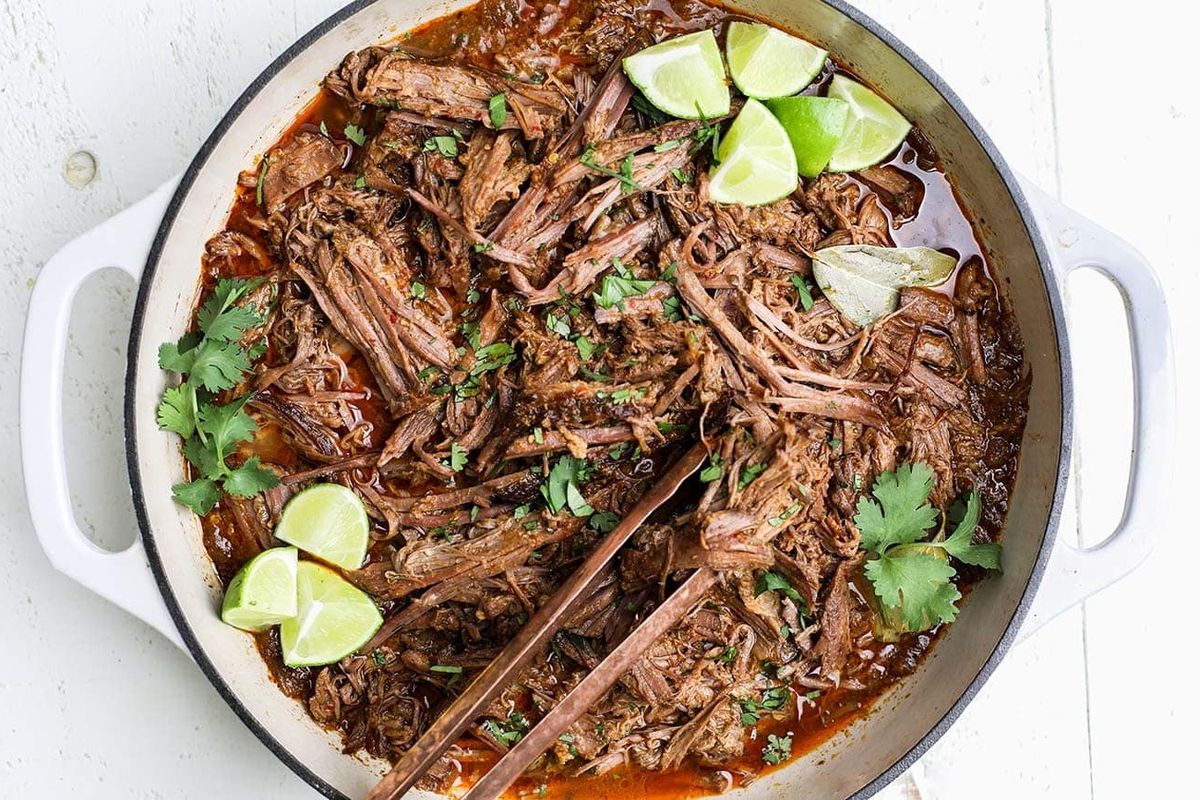
- Barbacoa Meat Recipe8 Hours 20 Minutes
- Sesame Ginger Noodle Recipe25 Minutes
- Instant Pot Chicken Breast Recipe30 Minutes








Leave a Reply