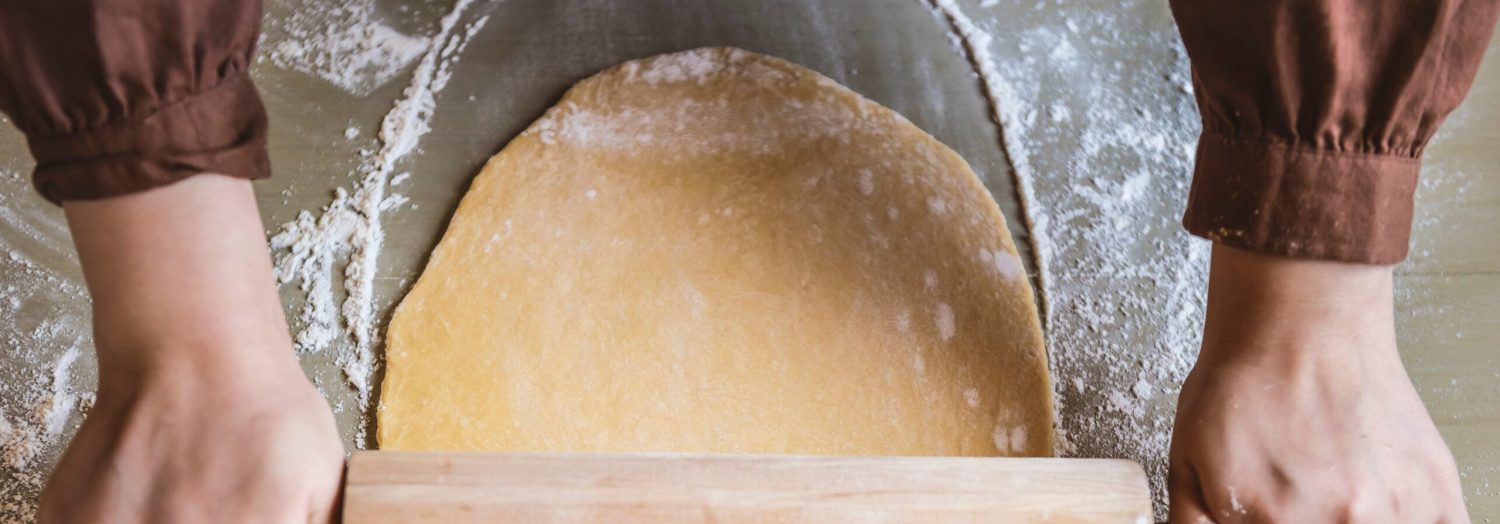

Experience the comforting flavors of autumn with this delightful dish that combines the natural sweetness of butternut squash with the earthy aroma of sage. Perfect as a side dish or a vegetarian main, this recipe is simple yet elegant, bringing out the best in seasonal produce. The roasting process enhances the squash's caramelized notes, while the fresh sage adds a fragrant touch that elevates the entire dish.
While most of the ingredients in this recipe are common pantry staples, fresh sage might not be something you have on hand. When heading to the supermarket, look for fresh sage in the herb section, typically found near other fresh herbs like parsley and basil. If fresh sage is unavailable, dried sage can be used as a substitute, though it will have a slightly different flavor profile.
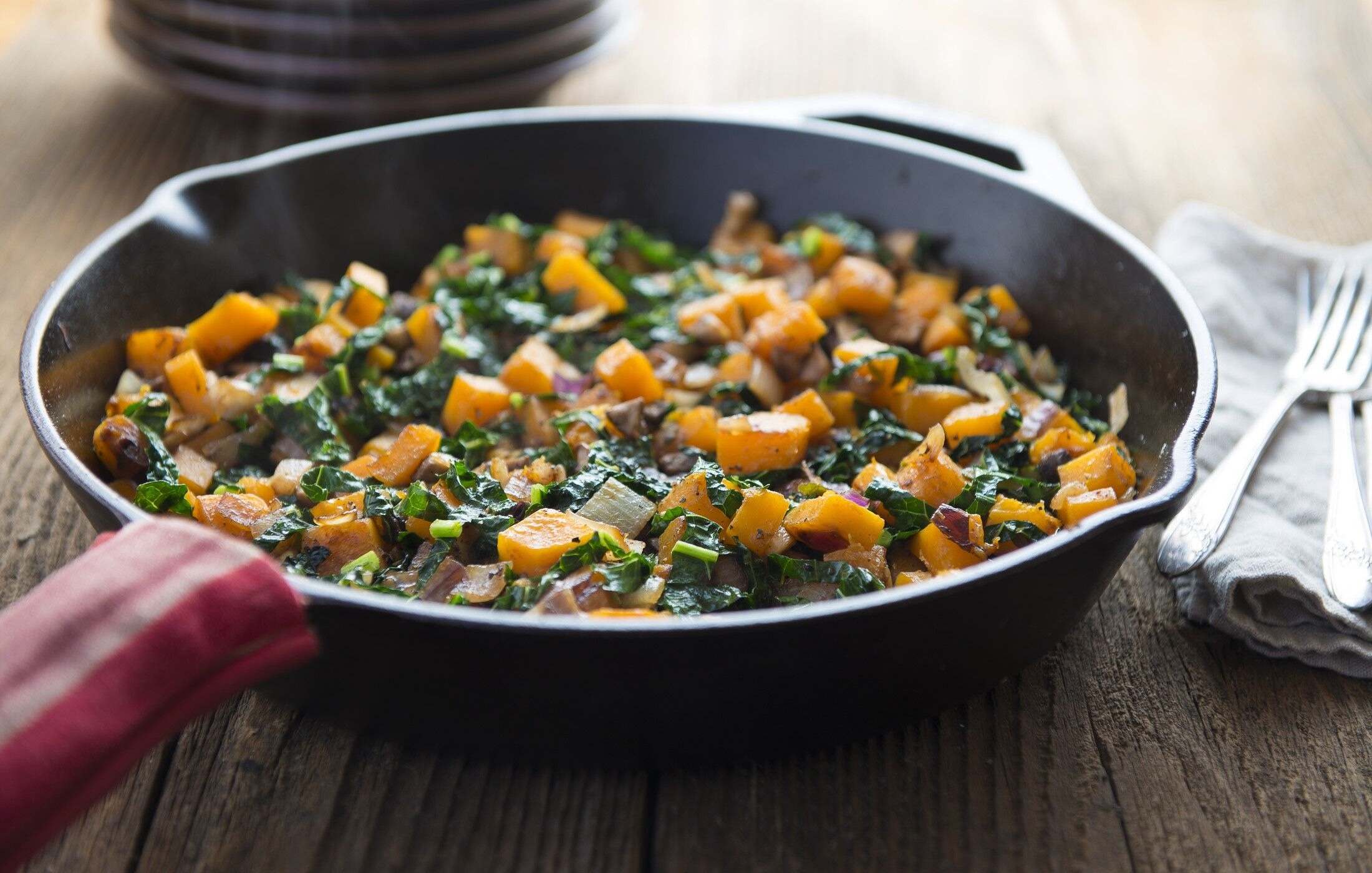
Ingredients For Butternut Squash With Sage Recipe
Butternut squash: A sweet, nutty winter squash that becomes tender and caramelized when roasted.
Olive oil: Used to coat the squash for roasting, adding richness and helping it brown.
Salt: Enhances the natural flavors of the squash and balances sweetness.
Black pepper: Adds a mild heat and depth to the dish.
Sage: A fragrant herb that complements the sweetness of the squash with its earthy notes.
Technique Tip for This Recipe
When preparing butternut squash, ensure that the pieces are cut uniformly to promote even cooking. This will help achieve a consistent texture throughout the dish. Additionally, when tossing the squash with olive oil, salt, and pepper, make sure each piece is well-coated to enhance the flavor and aid in caramelization during roasting. For an extra depth of flavor, consider adding the sage halfway through the roasting process, allowing it to infuse the squash with its earthy aroma without becoming too crispy.
Suggested Side Dishes
Alternative Ingredients
butternut squash - Substitute with sweet potatoes: Sweet potatoes have a similar sweetness and texture when roasted, making them an excellent alternative to butternut squash.
olive oil - Substitute with avocado oil: Avocado oil has a similar smoke point and mild flavor, making it a good substitute for olive oil in roasting.
salt - Substitute with sea salt: Sea salt can be used in the same quantity and provides a similar level of seasoning.
black pepper - Substitute with white pepper: White pepper offers a similar peppery flavor but with a slightly different aroma, which can add a unique twist to the dish.
fresh sage - Substitute with dried sage: Dried sage can be used in place of fresh sage, though you should use about one-third of the amount since dried herbs are more concentrated.
Alternative Recipes Similar to This Dish
How to Reheat Leftovers
Preheat your oven to 350°F (175°C). Spread the leftover butternut squash evenly on a baking sheet. Cover with aluminum foil to prevent drying out and bake for about 10-15 minutes until heated through. This method helps maintain the squash's roasted texture and flavor.
Use a skillet over medium heat. Add a splash of olive oil or a small pat of butter to the pan. Once heated, add the butternut squash and sauté for 5-7 minutes, stirring occasionally, until warmed. This method adds a delightful crispness to the edges.
Microwave the butternut squash for a quick and easy option. Place the squash in a microwave-safe dish, cover with a microwave-safe lid or plastic wrap, and heat on medium power for 2-3 minutes. Stir halfway through to ensure even heating. This is the fastest method, though it may slightly soften the texture.
For a creative twist, reheat the butternut squash in a soup. Add the squash to a pot of simmering vegetable broth or chicken broth. Heat gently until the squash is warmed through, and enjoy a comforting bowl of soup with a hint of sage.
Essential Tools for This Recipe
Oven: Used to roast the butternut squash at a consistent temperature, ensuring it becomes tender and slightly browned.
Mixing bowl: Utilized to toss the cubed butternut squash with olive oil, salt, and pepper, ensuring even coating.
Baking sheet: Provides a flat surface to spread the squash evenly, allowing for uniform roasting.
Knife: Essential for peeling, seeding, and cubing the butternut squash into manageable pieces.
Cutting board: A stable surface to safely prepare the butternut squash by peeling and cubing it.
Measuring spoons: Used to accurately measure the olive oil, salt, pepper, and chopped sage for the recipe.
Spatula: Handy for spreading the squash on the baking sheet and for stirring or flipping during roasting if needed.
How to Save Time on This Recipe
Pre-cut squash: Buy pre-cut butternut squash to skip peeling and cubing, saving prep time.
Batch roasting: Roast a larger batch of squash and store leftovers for quick meals later.
Use parchment paper: Line the baking sheet with parchment paper for easy cleanup.
Preheat efficiently: Start preheating the oven while preparing the ingredients to save time.
Herb substitute: Use dried sage if fresh is unavailable, reducing chopping time.
Butternut Squash with Sage
Ingredients
Main Ingredients
- 1 large butternut squash peeled, seeded, and cubed
- 2 tablespoon olive oil
- 1 teaspoon salt
- ½ teaspoon black pepper
- 1 tablespoon fresh sage chopped
Instructions
- Preheat your oven to 400°F (200°C).
- In a mixing bowl, toss the cubed butternut squash with olive oil, salt, and pepper.
- Spread the squash evenly on a baking sheet.
- Roast in the preheated oven for 30-35 minutes, or until tender and slightly browned.
- Remove from the oven and sprinkle with chopped sage. Serve warm.
Nutritional Value
Keywords
More Amazing Recipes to Try 🙂
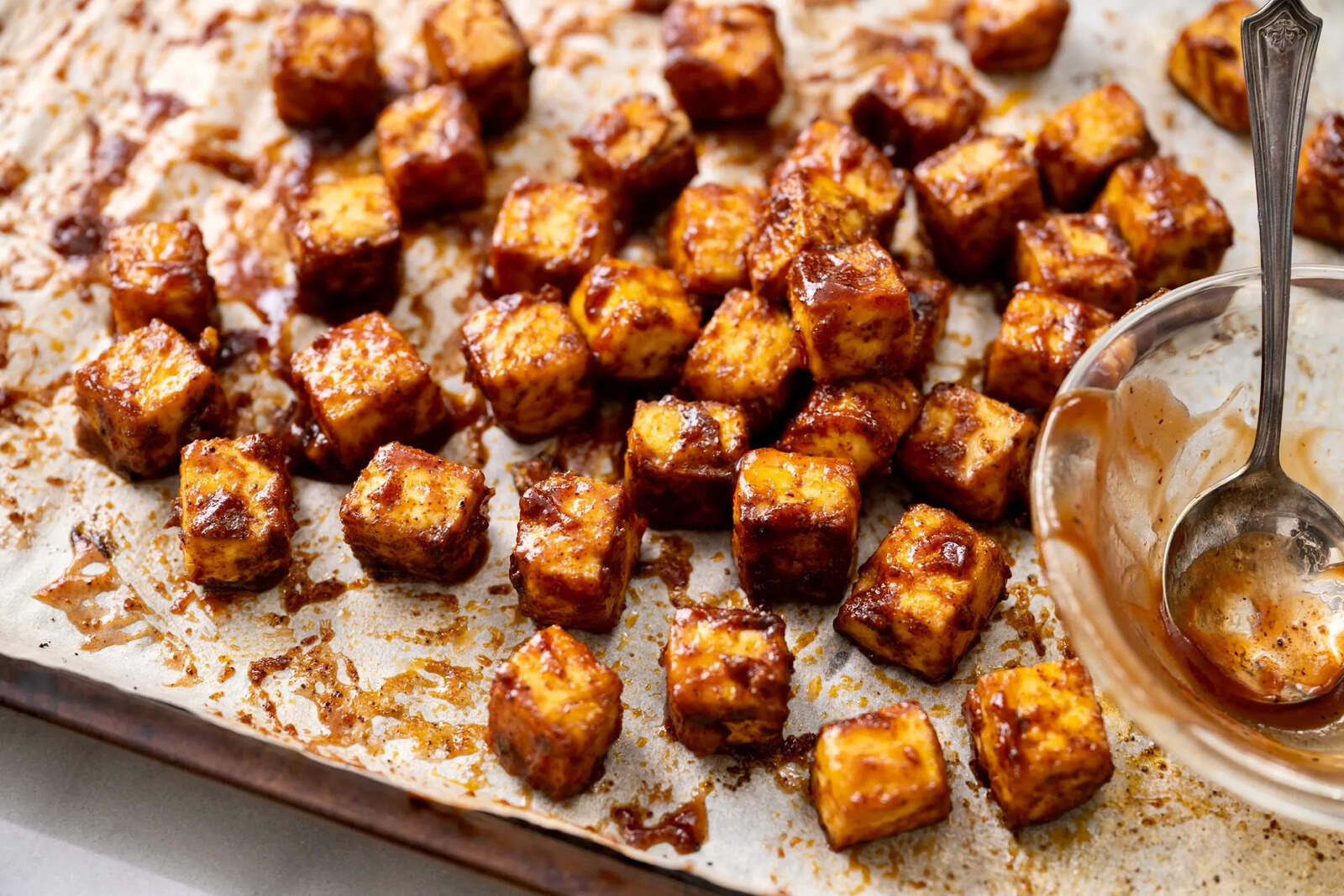
- Spicy Baked Tofu Recipe40 Minutes
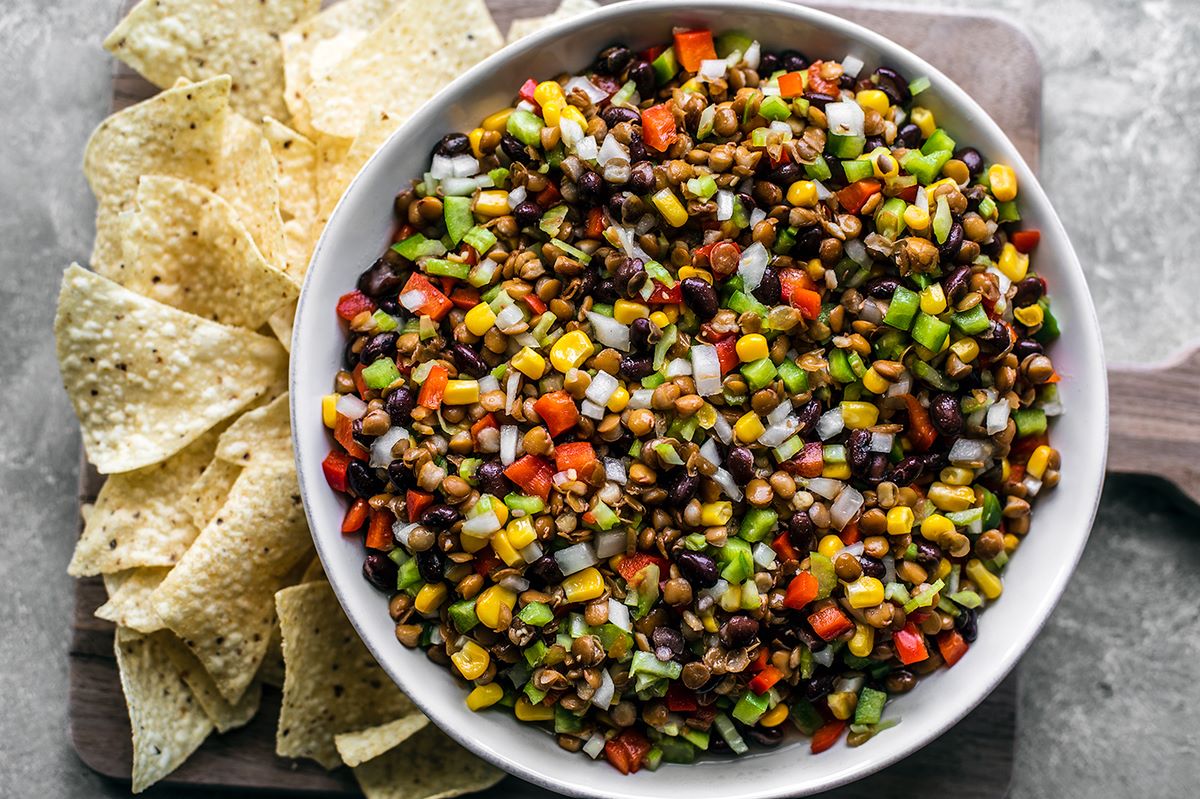
- Texas Caviar Recipe15 Minutes
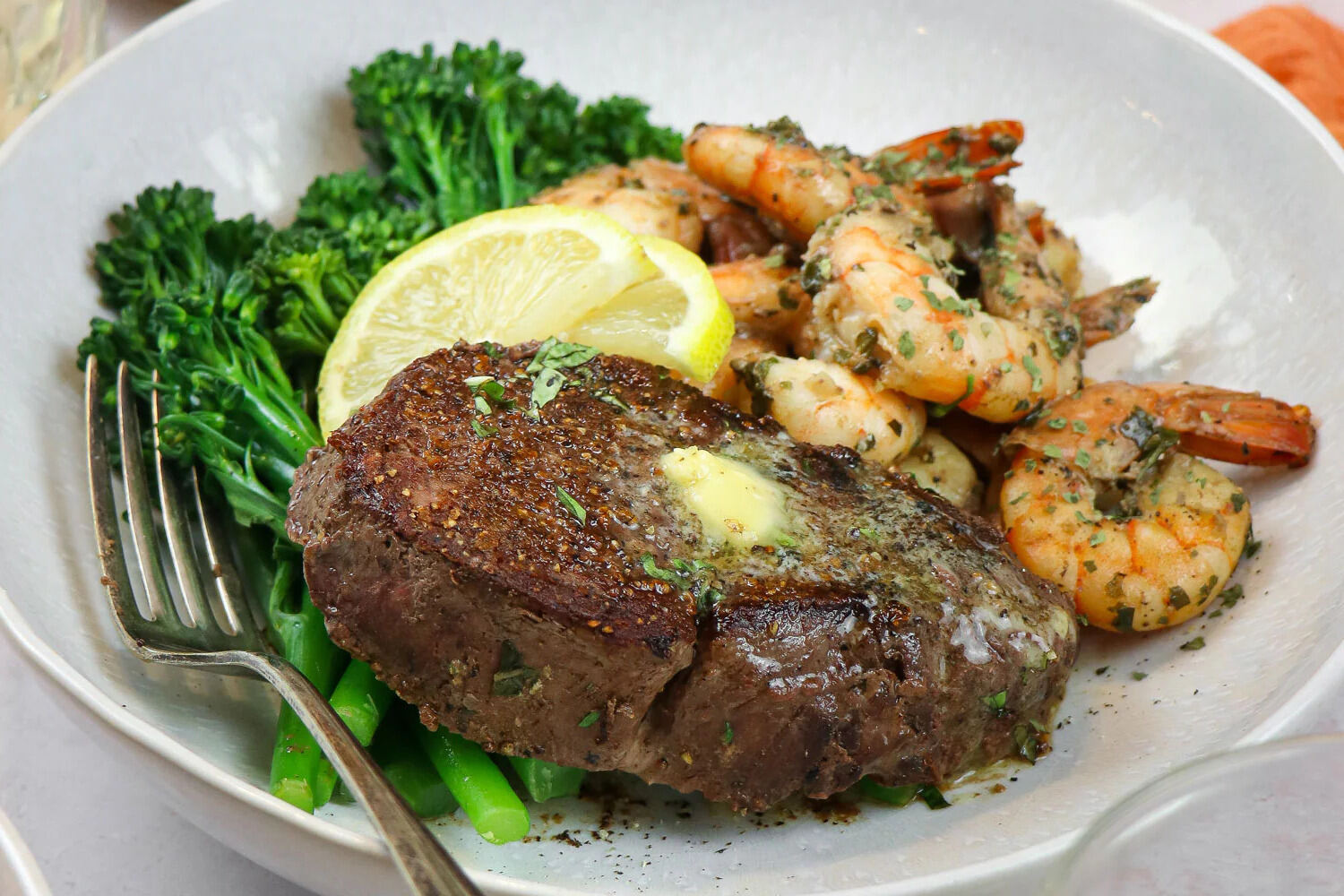
- Pan-Seared Filet Mignon Recipe25 Minutes
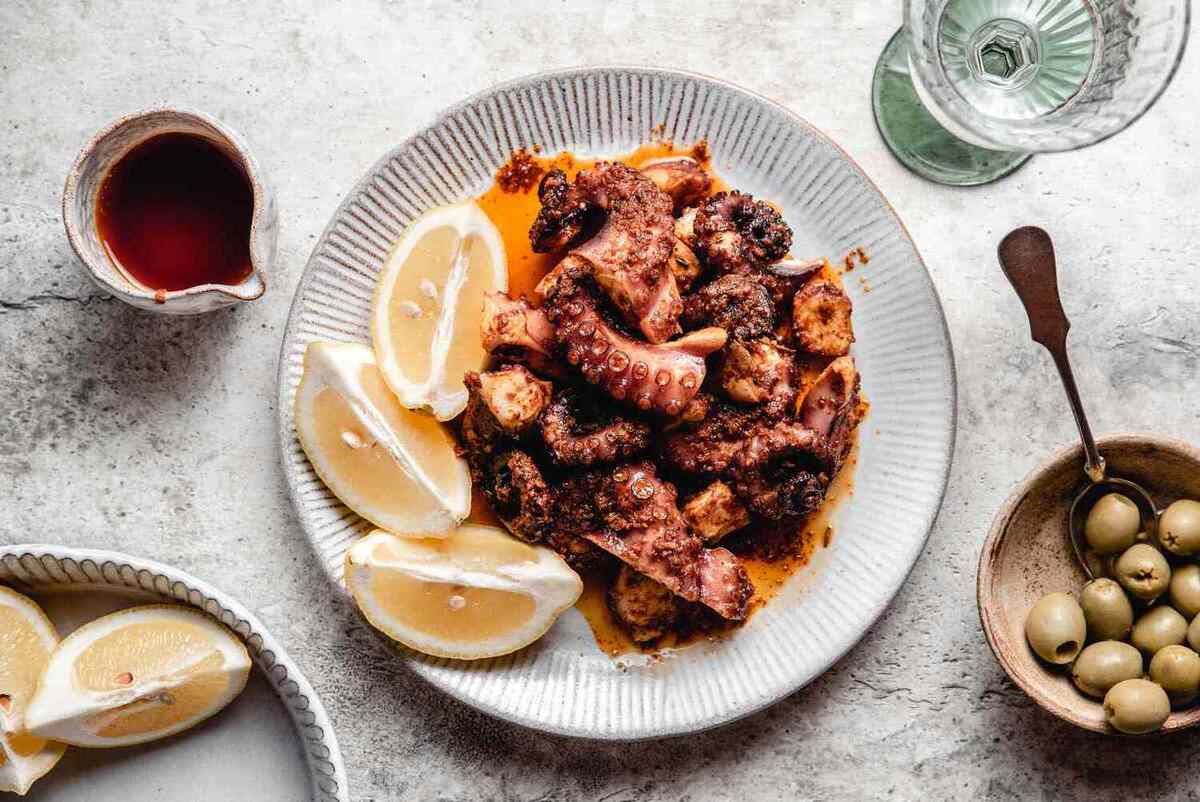
- Spanish Octopus Recipe1 Hours 20 Minutes
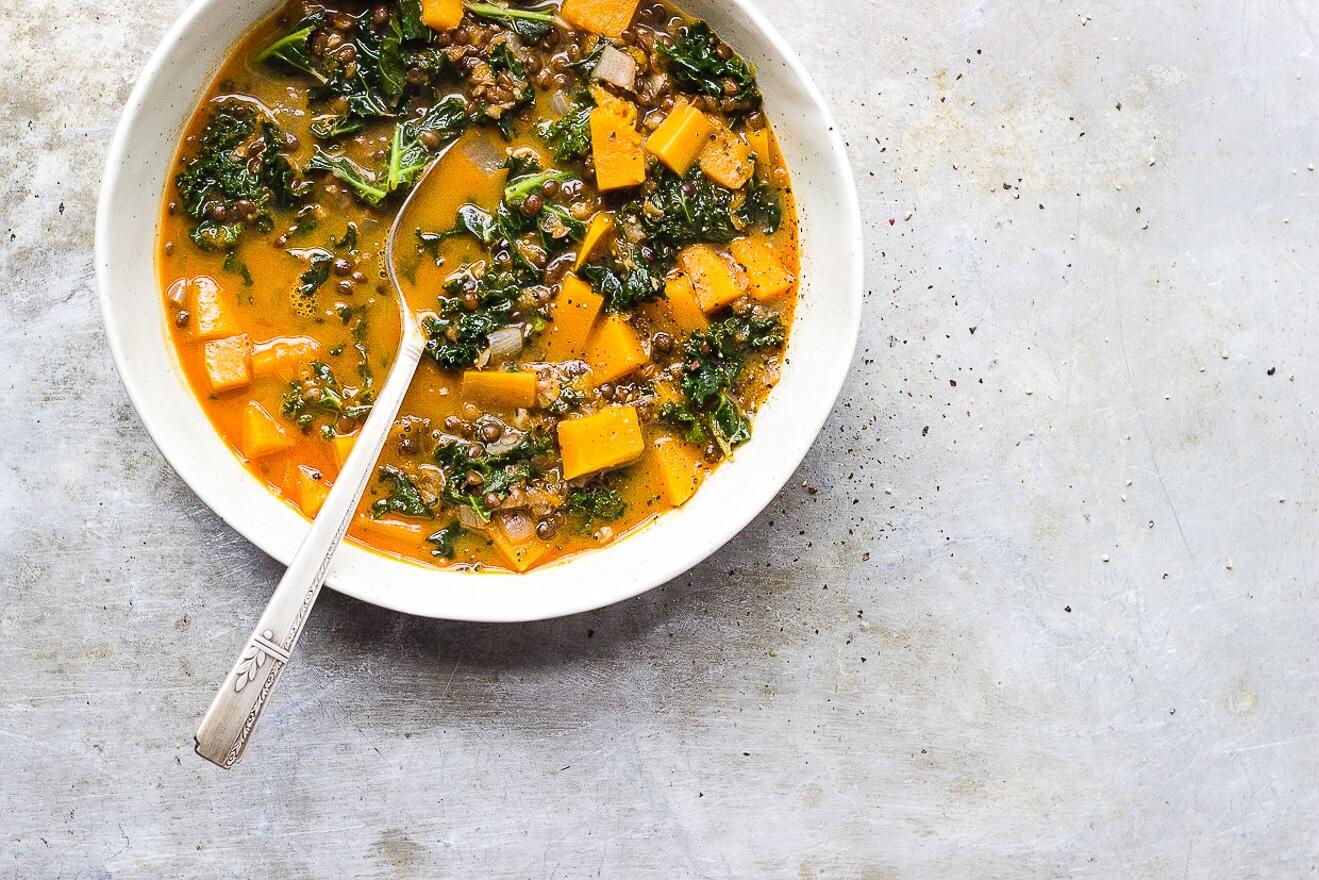
- Butternut Squash Lentil Stew Recipe1 Hours
- Spaghetti Casserole Recipe1 Hours
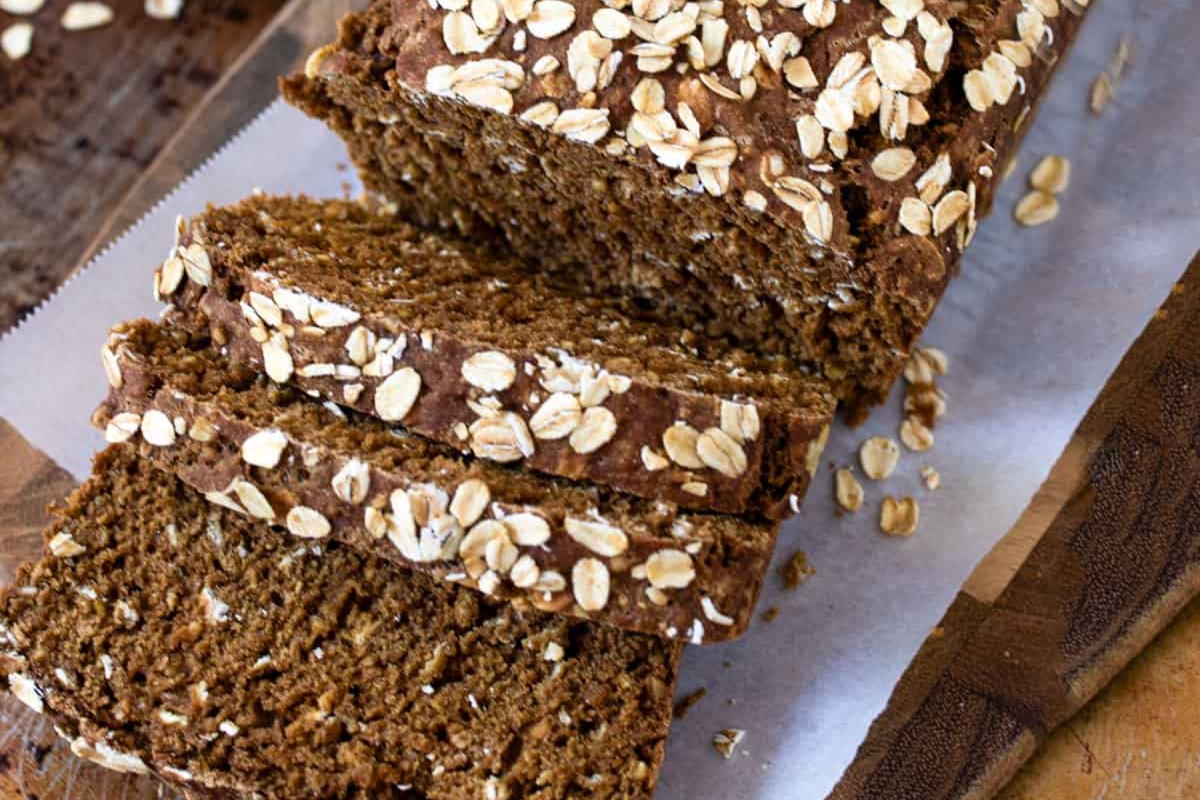
- Irish Brown Bread Recipe55 Minutes
- Four Cheese Ravioli Recipe40 Minutes

Leave a Reply