

This marinated pork roast is a delightful dish that combines the savory flavors of soy sauce and garlic with the aromatic notes of rosemary and thyme. Perfect for a family dinner or a special occasion, this recipe ensures a tender and flavorful roast that will impress your guests.
If you don't commonly use rosemary or thyme, you might need to pick these up at the supermarket. Fresh herbs are preferred for their vibrant flavor, but dried versions can also work in a pinch. Additionally, ensure you have soy sauce on hand, as it adds a crucial umami depth to the marinade.
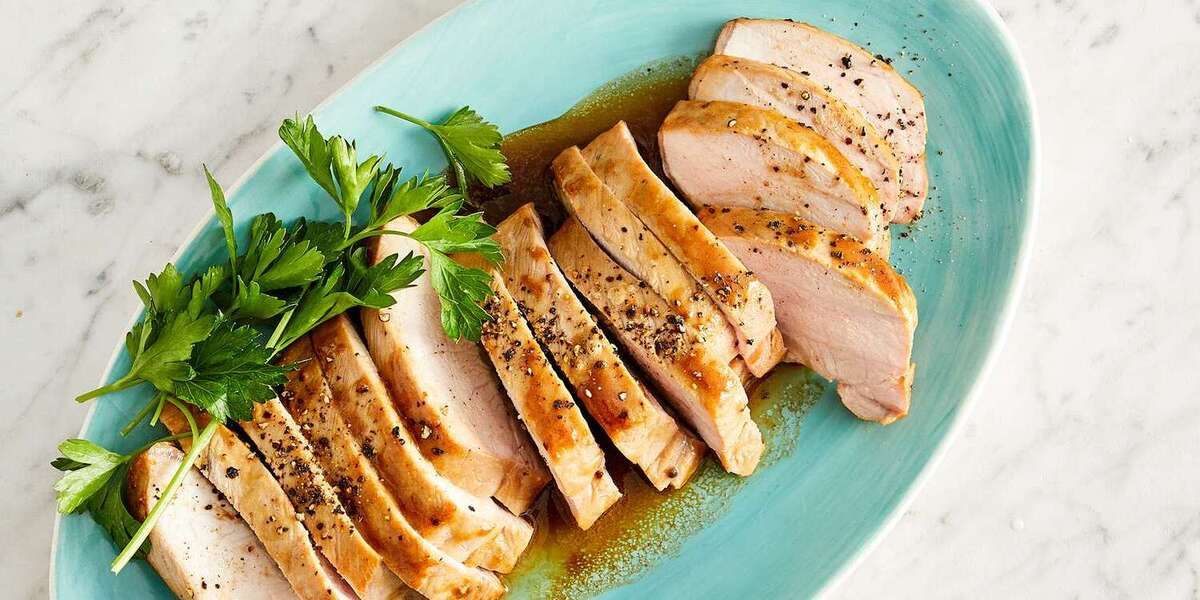
Ingredients for Marinated Pork Roast Recipe
Pork roast: The main protein of the dish, providing a hearty and tender base.
Soy sauce: Adds a rich, salty, and umami flavor to the marinade.
Olive oil: Helps to keep the pork moist and adds a subtle fruity flavor.
Garlic: Brings a pungent and aromatic depth to the marinade.
Rosemary: A fragrant herb that adds a pine-like flavor to the dish.
Thyme: Another aromatic herb that complements the rosemary and adds earthiness.
Black pepper: Adds a mild heat and enhances the overall flavor.
Salt: Essential for seasoning and bringing out the flavors of the other ingredients.
Technique Tip for This Recipe
To ensure the pork roast absorbs maximum flavor, use a fork to pierce the meat all over before marinating. This allows the marinade to penetrate deeper into the pork, resulting in a more flavorful and tender roast.
Suggested Side Dishes
Alternative Ingredients
pork roast - Substitute with beef roast: Beef roast offers a similar texture and can absorb marinades well, making it a suitable alternative for a hearty main dish.
soy sauce - Substitute with tamari: Tamari is a gluten-free alternative that provides a similar umami flavor profile.
olive oil - Substitute with grapeseed oil: Grapeseed oil has a neutral flavor and a high smoke point, making it a good alternative for marinating and roasting.
garlic - Substitute with shallots: Shallots offer a milder, slightly sweet flavor that can complement the other herbs and spices in the marinade.
rosemary - Substitute with sage: Sage has a robust, earthy flavor that pairs well with meats and can stand in for rosemary in most recipes.
thyme - Substitute with oregano: Oregano has a slightly stronger, more peppery flavor but can be used in similar quantities to provide a herbaceous note.
black pepper - Substitute with white pepper: White pepper has a milder flavor and can be used to add a subtle heat without altering the color of the dish.
salt - Substitute with kosher salt: Kosher salt has larger grains and a purer flavor, making it an excellent substitute for regular table salt.
Alternative Recipes Similar to This Dish
How to Store or Freeze This Recipe
Allow the pork roast to cool completely before storing. This helps prevent condensation, which can lead to sogginess and spoilage.
For short-term storage, place the pork roast in an airtight container or wrap it tightly with aluminum foil or plastic wrap. Store it in the refrigerator for up to 3-4 days.
If you plan to freeze the pork roast, wrap it tightly in plastic wrap and then again in aluminum foil to prevent freezer burn. Alternatively, place it in a heavy-duty freezer bag, removing as much air as possible before sealing.
Label the package with the date so you can keep track of its freshness. The pork roast can be frozen for up to 3 months.
To reheat, thaw the pork roast in the refrigerator overnight. Preheat your oven to 325°F (165°C). Place the pork roast in a baking dish, cover with foil, and heat for about 20-30 minutes or until warmed through.
For a quicker option, slice the pork roast before freezing. This allows you to reheat individual portions as needed. Simply place the slices in a microwave-safe dish, cover with a damp paper towel, and microwave on medium power until heated through.
If you have leftover marinade, you can store it in an airtight container in the refrigerator for up to 3 days. Use it to baste the pork roast during reheating for added flavor and moisture.
When reheating, avoid overcooking to maintain the pork roast's tenderness and juiciness. Use a meat thermometer to ensure it reaches an internal temperature of 145°F (63°C) for safe consumption.
How to Reheat Leftovers
Oven Method: Preheat your oven to 325°F (165°C). Place the pork roast in an oven-safe dish and cover it with aluminum foil to retain moisture. Heat for about 20-25 minutes, or until the internal temperature reaches 165°F (74°C). This method ensures the meat stays juicy and flavorful.
Stovetop Method: Slice the pork roast into thin pieces for even reheating. Heat a skillet over medium heat and add a splash of olive oil. Place the slices in the skillet and cover with a lid. Heat for about 5-7 minutes, flipping halfway through, until warmed through. This method is quick and keeps the pork tender.
Microwave Method: Place the pork roast slices on a microwave-safe plate. Cover with a damp paper towel to prevent drying out. Microwave on medium power for 2-3 minutes, checking and stirring halfway through. This method is convenient but be cautious to avoid overcooking.
Sous Vide Method: If you have a sous vide machine, set it to 140°F (60°C). Place the pork roast in a vacuum-sealed bag and submerge it in the water bath. Heat for about 1 hour. This method ensures the meat remains incredibly moist and evenly reheated.
Air Fryer Method: Preheat your air fryer to 350°F (175°C). Place the pork roast slices in the basket, making sure they are not overlapping. Heat for 5-7 minutes, shaking the basket halfway through. This method gives a slightly crispy exterior while keeping the inside tender.
Essential Tools for This Recipe
Oven: Used to roast the pork at a consistent temperature of 350°F (175°C).
Mixing bowl: Used to combine the marinade ingredients.
Baking dish: Holds the pork roast and marinade while it cooks in the oven.
Meat thermometer: Ensures the pork reaches the safe internal temperature of 145°F (63°C).
Knife: Used to mince the garlic and chop the rosemary and thyme.
Cutting board: Provides a surface for chopping the garlic, rosemary, and thyme.
Measuring cups: Used to measure the soy sauce and olive oil accurately.
Measuring spoons: Used to measure the rosemary, thyme, black pepper, and salt.
Tongs: Useful for handling the pork roast when placing it in the baking dish and when removing it from the oven.
Aluminum foil: Can be used to cover the pork roast if it starts to brown too quickly in the oven.
Serving platter: Used to present the sliced pork roast after it has rested.
How to Save Time on This Recipe
Marinate overnight: Prepare the marinade the night before and let the pork roast soak up the flavors while you sleep.
Use a meat thermometer: This ensures the pork reaches the perfect internal temperature without having to guess, saving you from overcooking or undercooking.
Pre-chop ingredients: Mince the garlic and chop the rosemary and thyme ahead of time to streamline the preparation process.
Line the baking dish: Use parchment paper or aluminum foil to line your dish, making cleanup quicker and easier.
Marinated Pork Roast Recipe
Ingredients
Main Ingredients
- 2 lbs Pork roast
- ¼ cup Soy sauce
- ¼ cup Olive oil
- 3 cloves Garlic, minced
- 1 tablespoon Rosemary, chopped
- 1 teaspoon Thyme, chopped
- 1 teaspoon Black pepper
- 1 teaspoon Salt
Instructions
- 1. Preheat your oven to 350°F (175°C).
- 2. In a mixing bowl, combine soy sauce, olive oil, garlic, rosemary, thyme, black pepper, and salt.
- 3. Place the pork roast in a baking dish and pour the marinade over it. Let it marinate for at least 30 minutes.
- 4. Roast the pork in the preheated oven for about 90 minutes, or until the internal temperature reaches 145°F (63°C).
- 5. Let the pork rest for 10 minutes before slicing and serving.
Nutritional Value
Keywords
Suggested Appetizers and Desserts
More Amazing Recipes to Try 🙂
- Four Cheese Truffled Macaroni and Cheese Recipe45 Minutes
- Pan-Seared Red Snapper Recipe20 Minutes
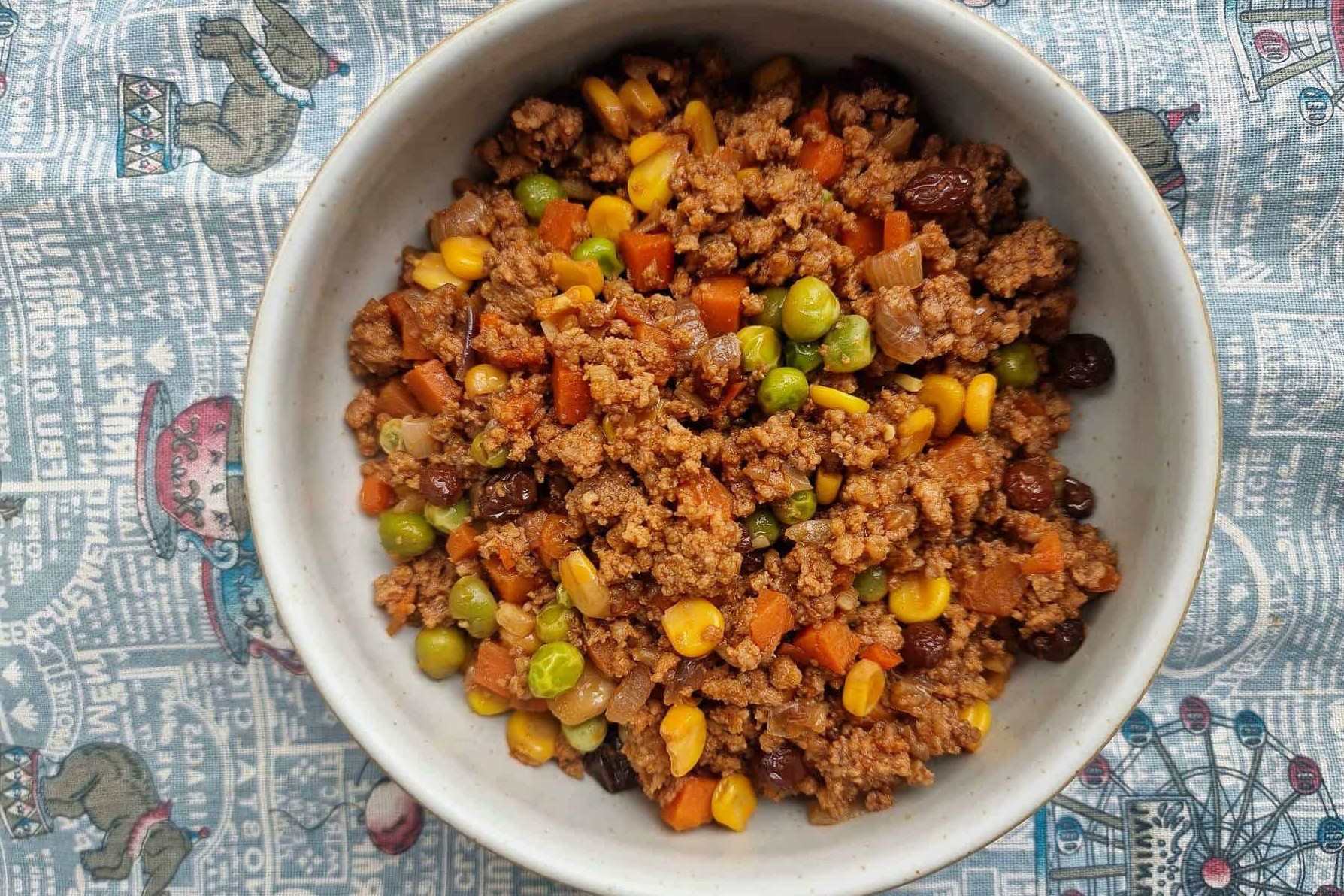
- Filipino Beef Giniling Recipe45 Minutes
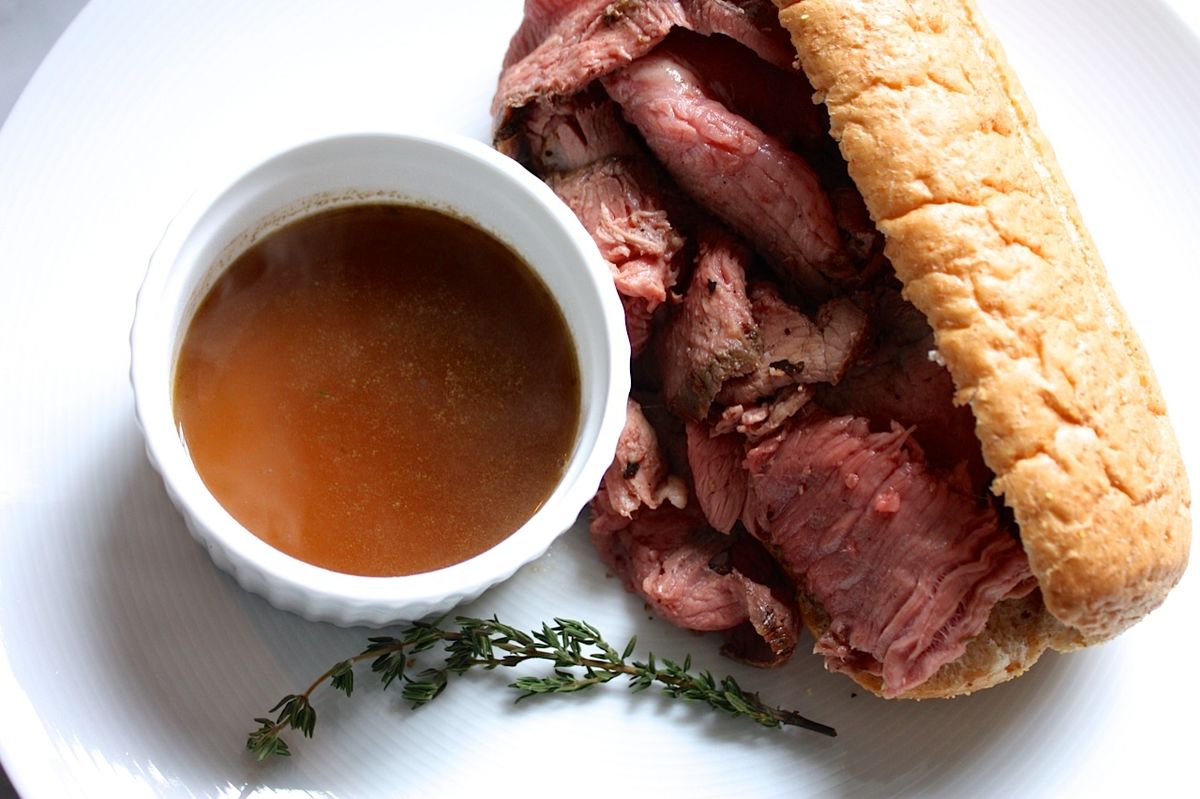
- Beef Au Jus Recipe40 Minutes
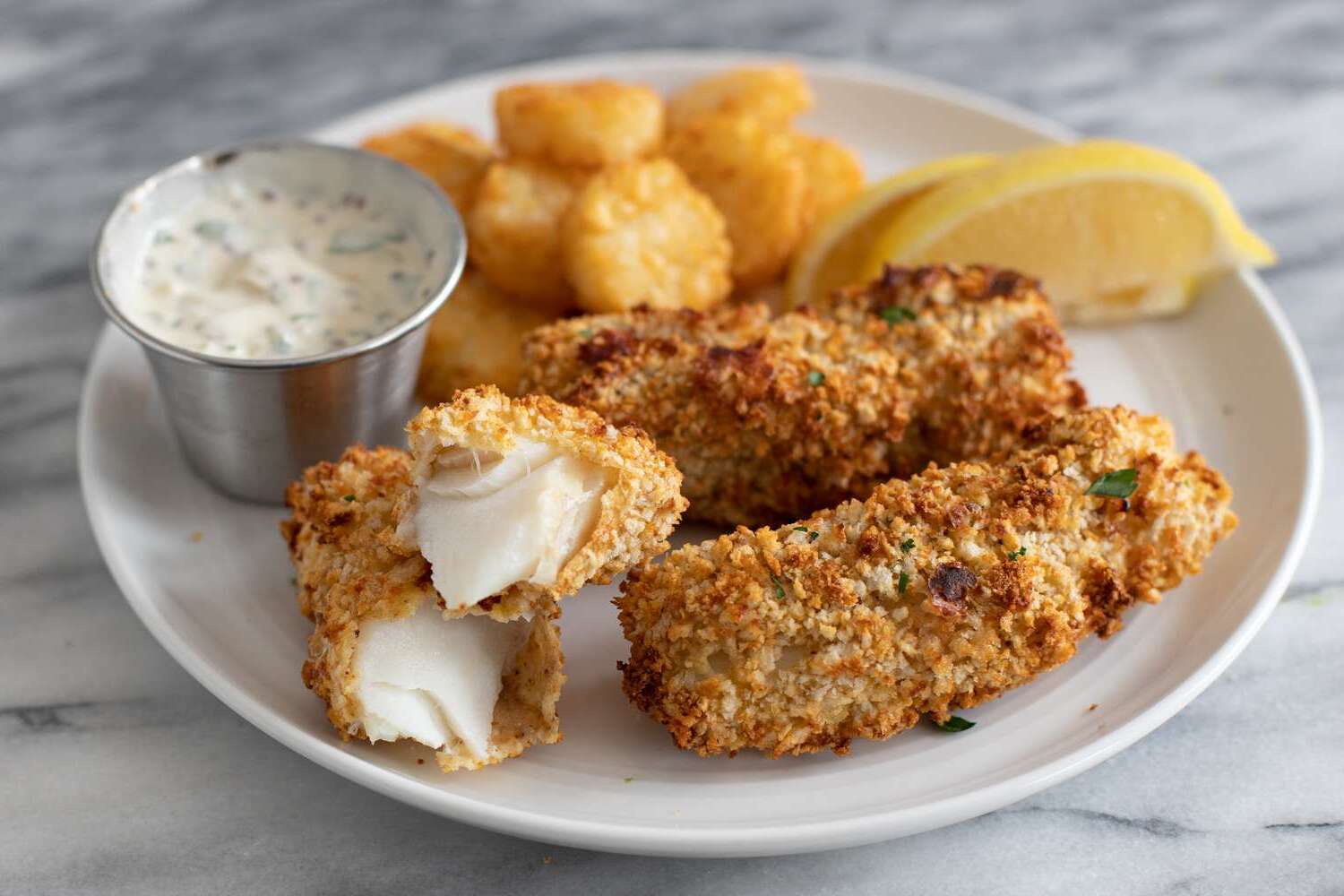
- Air Fryer Cod Recipe25 Minutes
- Oven Baked Chicken Wings Recipe50 Minutes
- Hawaiian Chicken Recipe45 Minutes
- Quiche Florentine Recipe1 Hours






Leave a Reply