
This spicy Thai peanut sauce is a versatile and flavorful addition to your culinary repertoire. Perfect for drizzling over noodles, using as a dip for spring rolls, or even as a marinade for grilled meats, this sauce brings a delightful balance of heat, sweetness, and tanginess to any dish.
While most of the ingredients for this spicy Thai peanut sauce are common pantry staples, you might need to pick up sriracha and lime juice if they are not already in your kitchen. Sriracha is a popular hot sauce that adds a spicy kick, and lime juice provides a fresh, tangy flavor that balances the richness of the peanut butter.
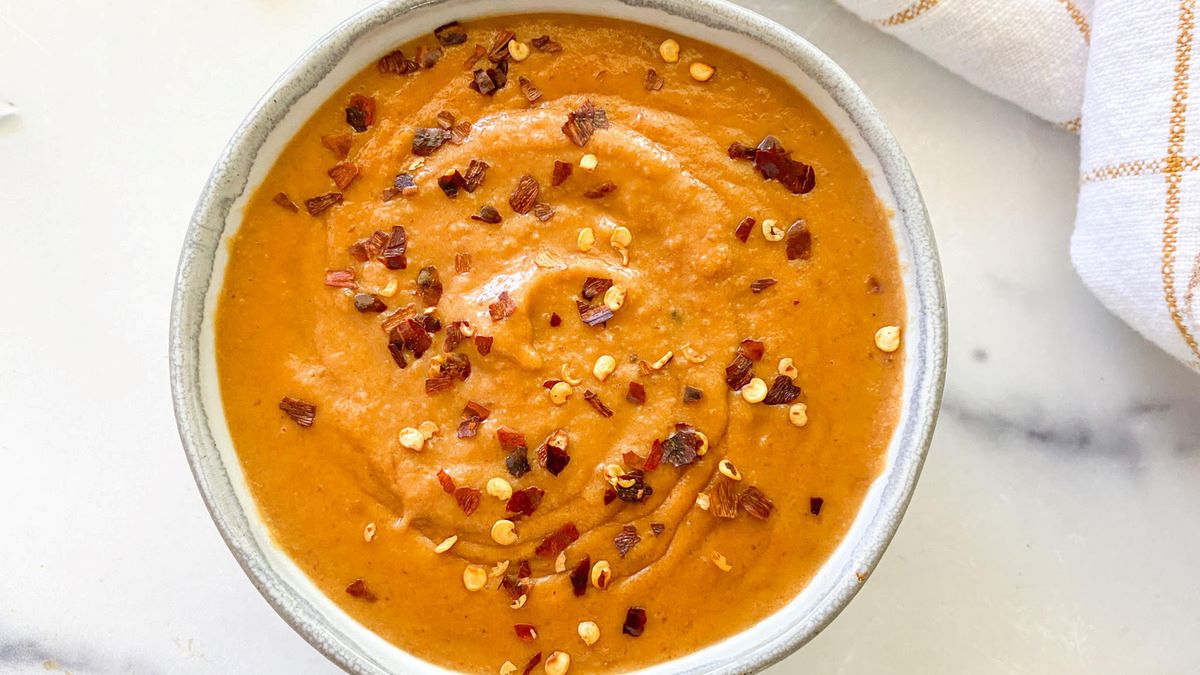
Ingredients For Spicy Thai Peanut Sauce
Peanut butter: The creamy base of the sauce, providing a rich and nutty flavor.
Soy sauce: Adds a salty and umami depth to the sauce.
Sriracha: Brings the heat and a touch of garlic flavor to the sauce.
Lime juice: Offers a bright and tangy contrast to the richness of the peanut butter.
Honey: Adds a touch of sweetness to balance the flavors.
Water: Helps to adjust the consistency of the sauce to your liking.
Technique Tip for This Recipe
When preparing this spicy Thai peanut sauce, ensure that the peanut butter is at room temperature. This makes it easier to whisk and helps achieve a smoother consistency. If the sauce is too thick, add a small amount of water gradually until you reach the desired texture. For an extra layer of flavor, consider using freshly squeezed lime juice and high-quality soy sauce.
Suggested Side Dishes
Alternative Ingredients
peanut butter - Substitute with almond butter: Almond butter provides a similar creamy texture and nutty flavor, though it is slightly milder.
peanut butter - Substitute with sunflower seed butter: Sunflower seed butter is a good alternative for those with nut allergies, offering a comparable consistency and taste.
soy sauce - Substitute with tamari: Tamari is a gluten-free alternative that has a similar salty and umami flavor profile.
soy sauce - Substitute with coconut aminos: Coconut aminos are a soy-free option with a slightly sweeter taste, suitable for those avoiding soy.
sriracha - Substitute with chili garlic sauce: Chili garlic sauce provides a similar heat level and adds a bit of garlic flavor.
sriracha - Substitute with red pepper flakes: Red pepper flakes can be used for heat, though they lack the vinegar and garlic notes of sriracha.
lime juice - Substitute with lemon juice: Lemon juice offers a similar acidity and citrus flavor, though it is slightly less sweet.
lime juice - Substitute with rice vinegar: Rice vinegar provides acidity with a milder flavor, making it a good alternative.
honey - Substitute with maple syrup: Maple syrup adds sweetness with a slightly different flavor profile, suitable for vegans.
honey - Substitute with agave nectar: Agave nectar is another vegan-friendly sweetener with a similar consistency and sweetness level.
water - Substitute with vegetable broth: Vegetable broth can add extra depth of flavor to the sauce.
water - Substitute with coconut milk: Coconut milk adds creaminess and a subtle coconut flavor, enhancing the richness of the sauce.
Other Alternative Recipes Similar to This
How To Store / Freeze This Recipe
Allow the spicy Thai peanut sauce to cool completely at room temperature before storing. This ensures that condensation doesn't form inside the container, which could alter the sauce's consistency.
Transfer the sauce into an airtight container. Glass jars with tight-fitting lids or BPA-free plastic containers work best to maintain freshness and prevent any unwanted odors from seeping in.
Label the container with the date of preparation. This helps you keep track of its freshness and ensures you use it within a safe timeframe.
Store the sauce in the refrigerator. It will keep well for up to one week. The cool temperature helps preserve the flavors and prevents spoilage.
If you plan to store the sauce for longer, consider freezing it. Pour the sauce into freezer-safe containers or silicone ice cube trays. This way, you can easily portion out the amount you need without thawing the entire batch.
When freezing in containers, leave a bit of headspace to allow for expansion. This prevents the container from cracking or the lid from popping off.
Label the containers with the date and contents before placing them in the freezer. This helps you identify the sauce quickly and ensures you use it within three months for optimal flavor.
To thaw, transfer the desired amount of sauce from the freezer to the refrigerator and let it thaw overnight. For a quicker method, place the container in a bowl of warm water, stirring occasionally until it reaches the desired consistency.
Once thawed, give the sauce a good stir to reincorporate any separated ingredients. If the sauce appears too thick, adjust the consistency with a bit of water or lime juice.
Use the thawed sauce within a week. Avoid refreezing to maintain the best texture and flavor.
How To Reheat Leftovers
Gently warm the spicy Thai peanut sauce in a small saucepan over low heat. Stir frequently to ensure it heats evenly and doesn't scorch. If the sauce thickens too much, add a splash of water or coconut milk to reach your desired consistency.
For a quick reheat, place the sauce in a microwave-safe bowl. Cover with a microwave-safe lid or plastic wrap to avoid splatters. Heat on medium power in 30-second intervals, stirring in between, until the sauce is warm and smooth.
If you're reheating the sauce to serve with noodles or vegetables, you can add it directly to the hot ingredients. The residual heat from the stir-fry or pasta will warm the sauce perfectly. Toss everything together until well-coated.
To maintain the sauce's creamy texture, avoid overheating. If the sauce separates, whisk in a small amount of peanut butter or soy sauce to bring it back together.
For a richer flavor, consider reheating the sauce with a splash of chicken broth or vegetable broth. This not only warms the sauce but also enhances its depth and complexity.
Best Tools for This Recipe
Mixing bowl: A large bowl to combine all the ingredients together.
Whisk: A utensil to blend the ingredients until smooth and well combined.
Measuring cups: Tools to accurately measure the peanut butter and water.
Measuring spoons: Tools to measure the soy sauce, sriracha, lime juice, and honey.
Spatula: Useful for scraping down the sides of the bowl to ensure all ingredients are fully incorporated.
How to Save Time on Making This Recipe
Prepare ingredients in advance: Measure out the peanut butter, soy sauce, sriracha, lime juice, and honey ahead of time to streamline the process.
Use a blender: Instead of whisking, blend all ingredients for a smoother sauce in seconds.
Batch cooking: Double or triple the recipe and store extra sauce in the fridge for future use.
Microwave peanut butter: Slightly warm the peanut butter in the microwave for easier mixing.
Pre-squeeze lime juice: Keep a small bottle of lime juice in the fridge to save time on squeezing.
Spicy Thai Peanut Sauce Recipe
Ingredients
Main Ingredients
- ½ cup peanut butter
- 2 tablespoon soy sauce
- 1 tablespoon sriracha
- 1 tablespoon lime juice
- 1 tablespoon honey
- ¼ cup water
Instructions
- In a mixing bowl, combine all ingredients.
- Whisk until smooth and well combined.
- Adjust consistency with water if needed.
Nutritional Value
Keywords
More Amazing Recipes to Try 🙂
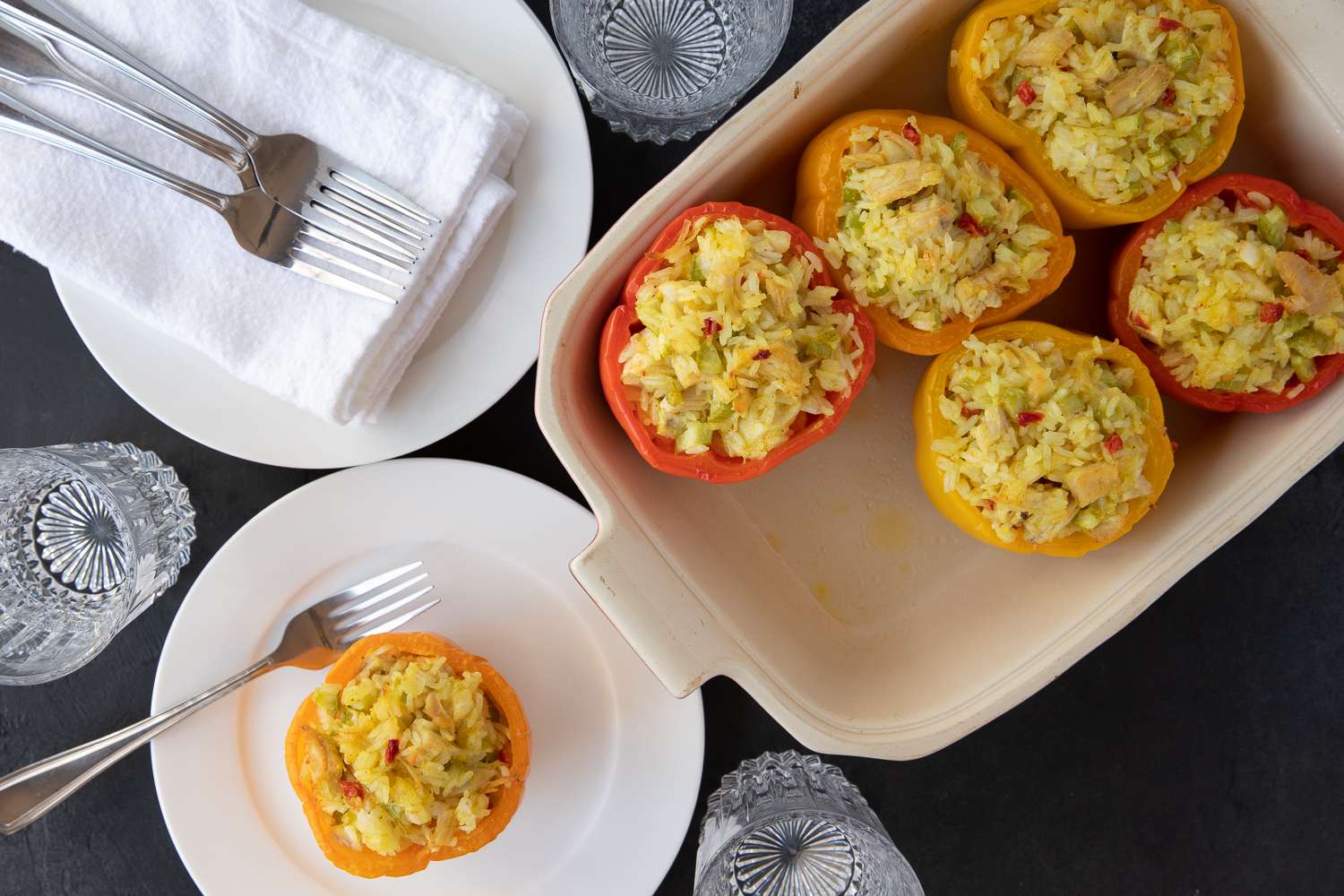
- Peppers Stuffed with Chicken and Rice Recipe1 Hours
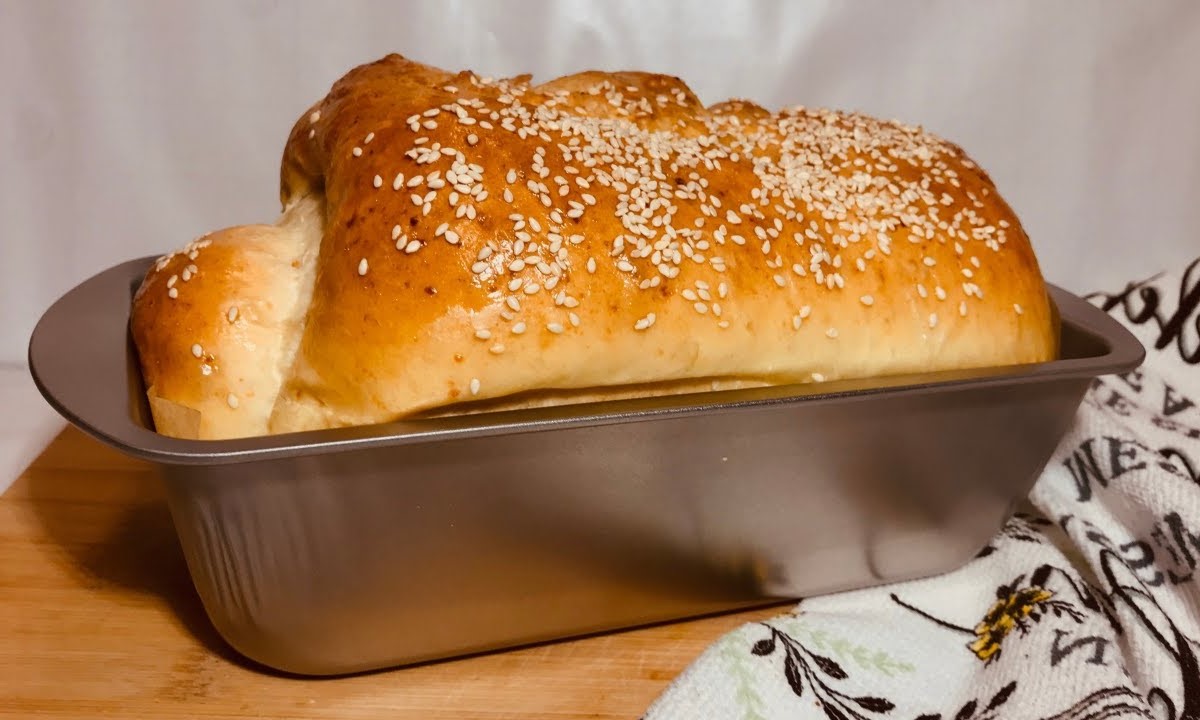
- Cottage Cheese Bread Recipe1 Hours
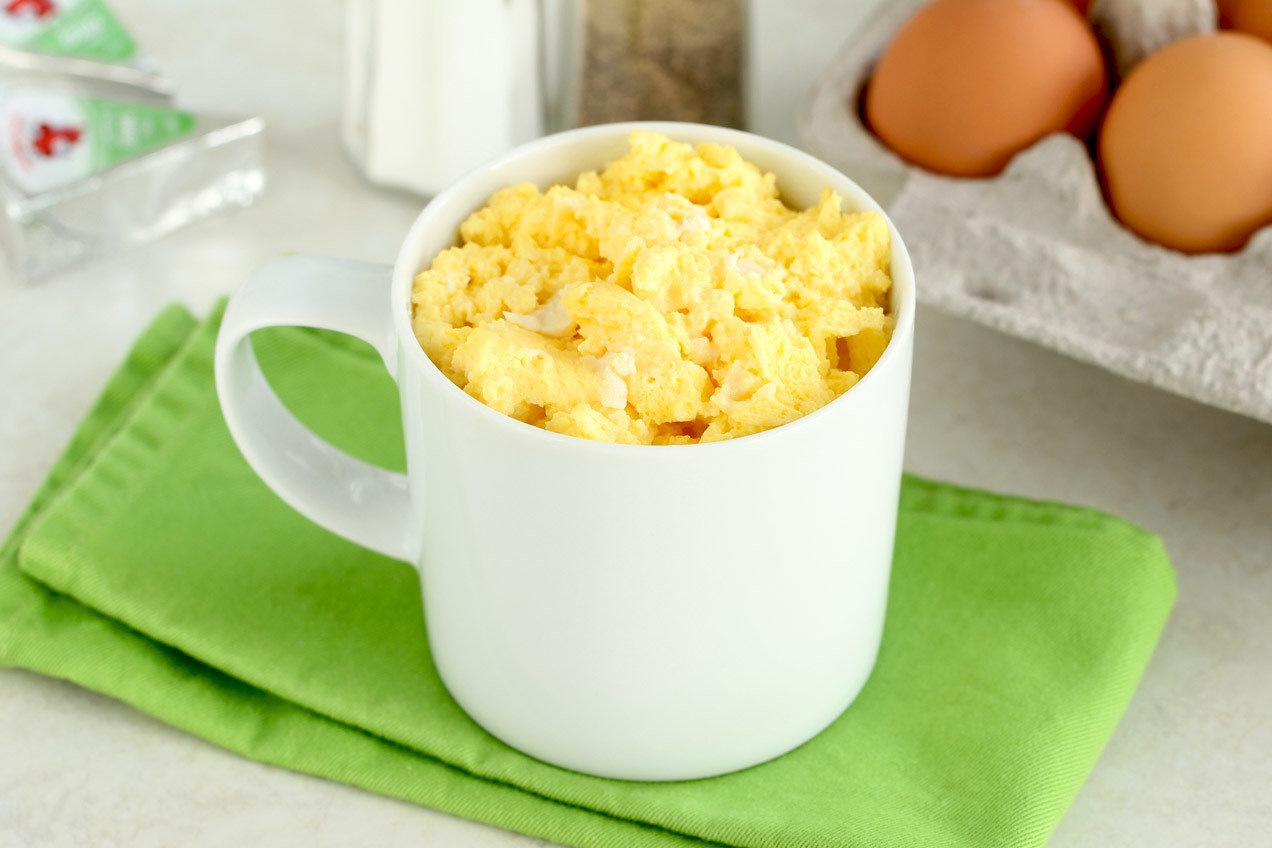
- Scrambled Eggs in a Mug Recipe3 Minutes
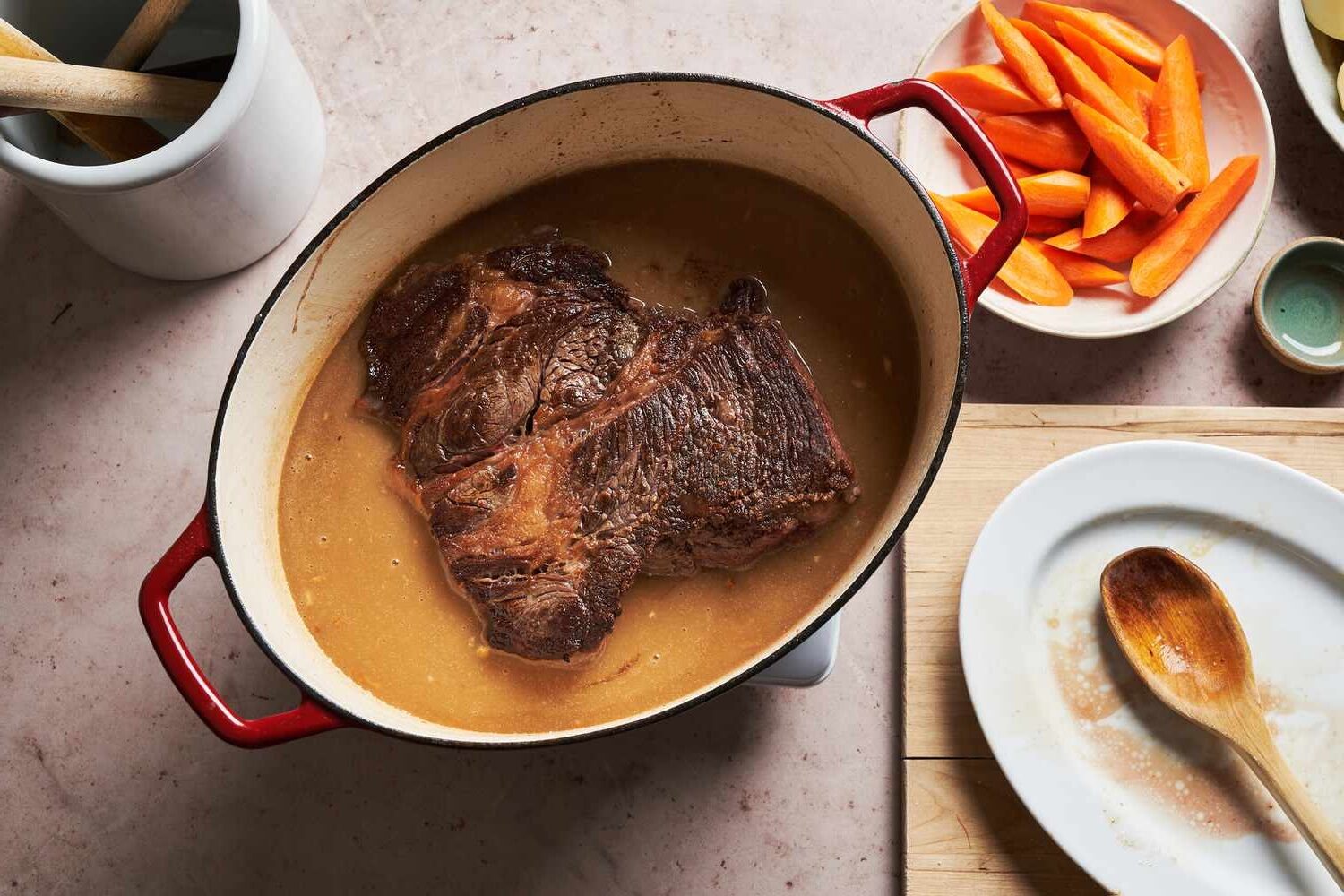
- Stove Top Pot Roast Recipe3 Hours 15 Minutes
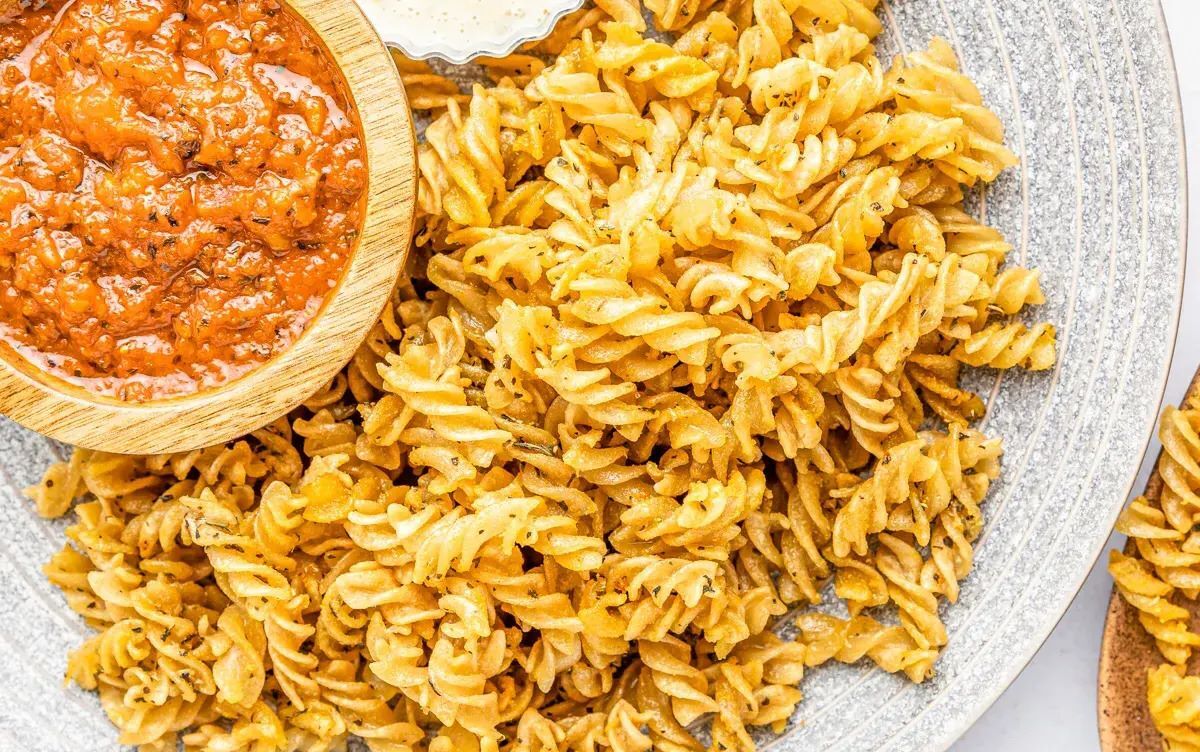
- Air Fryer Pasta Chips Recipe25 Minutes
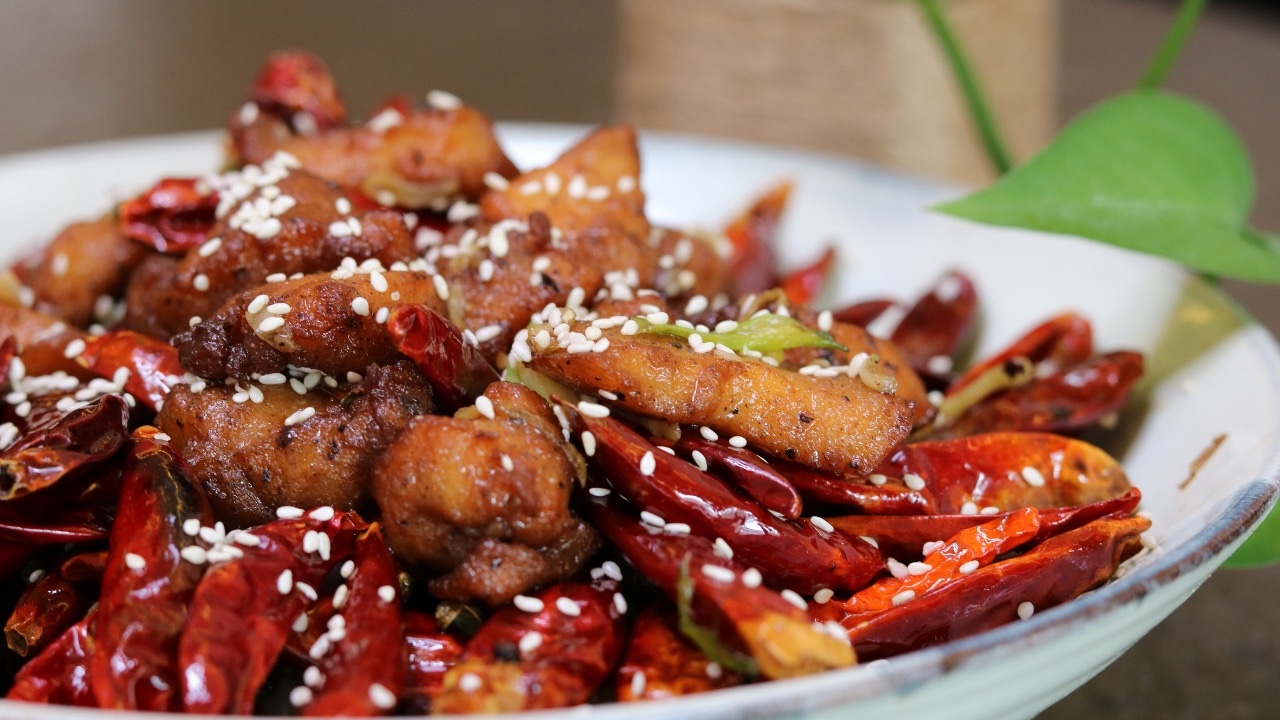
- Szechuan Chicken Recipe35 Minutes
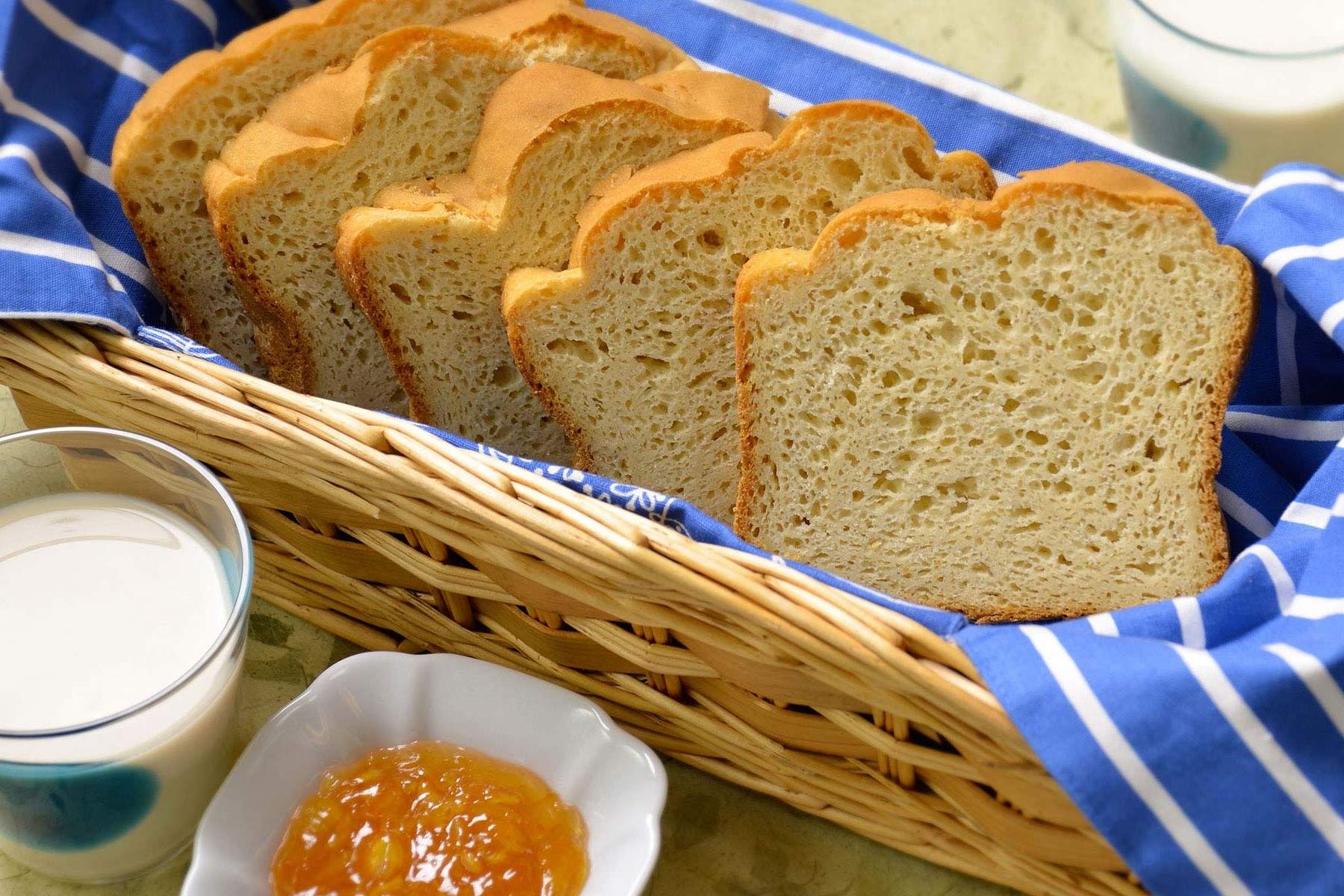
- Gluten-Free Bread Machine Recipe2 Hours 10 Minutes
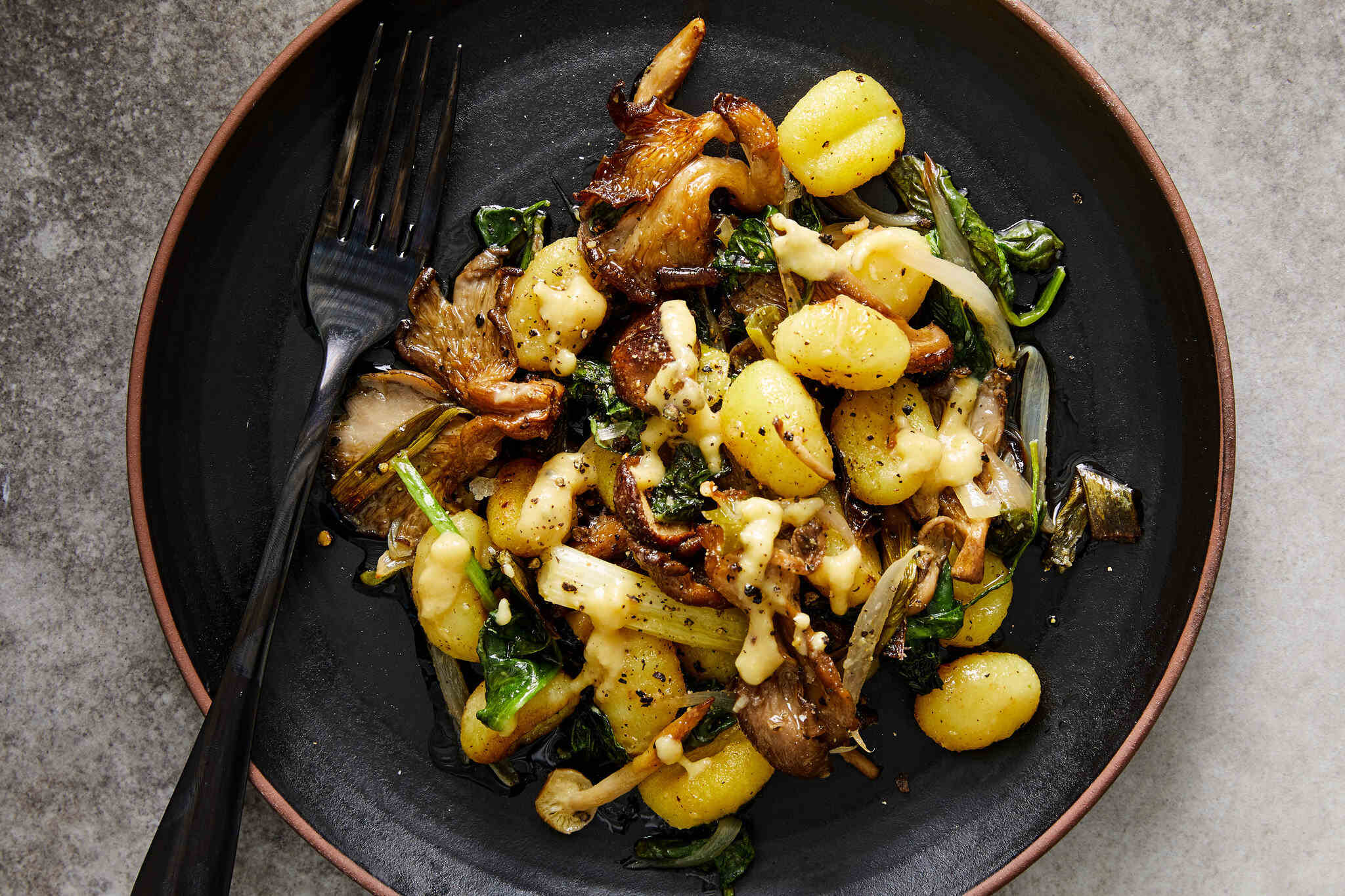
- Vegetarian Gnocchi with Spinach and Mushroom Butter Sauce Recipe35 Minutes

Leave a Reply