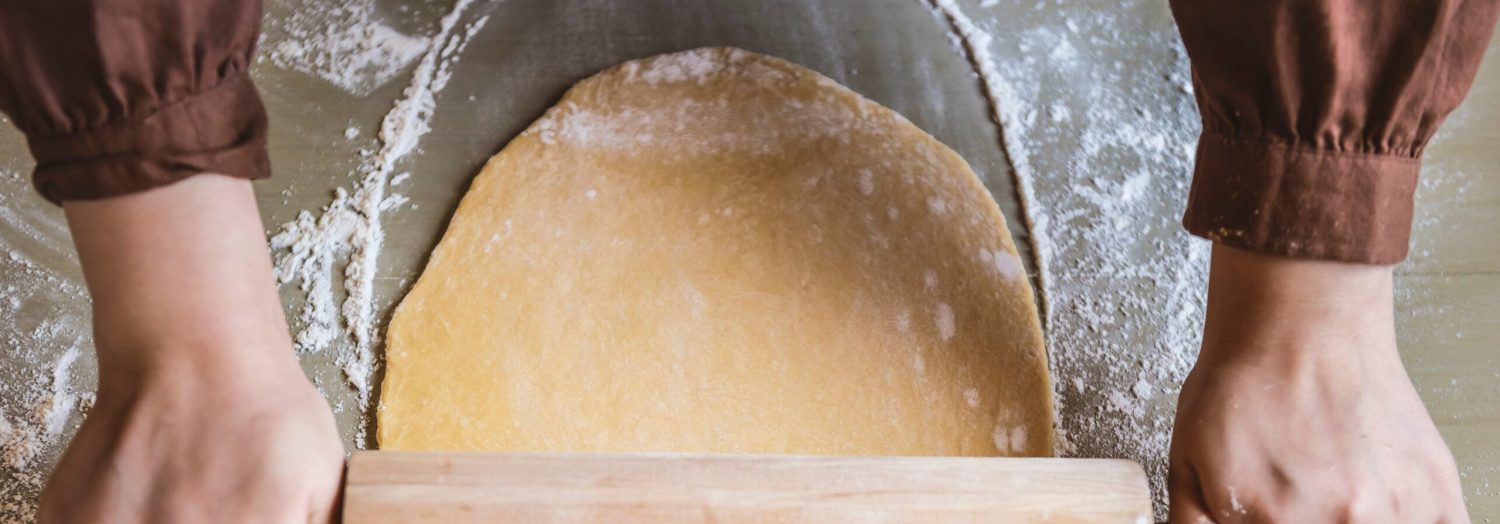

This classic spaghetti recipe is a simple yet delicious dish that can be whipped up in no time. Perfect for a quick weeknight dinner or a comforting meal, it combines the rich flavors of tomato sauce and garlic with the satisfying texture of spaghetti. Top it off with some parmesan cheese for an extra touch of indulgence.
While most of the ingredients for this spaghetti recipe are common pantry staples, you might need to pick up a few items at the supermarket. Olive oil is essential for sautéing the garlic and adding depth to the tomato sauce. If you don't already have parmesan cheese on hand, it's worth grabbing some for a delicious finishing touch.

Ingredients for Spaghetti Recipe
Spaghetti: A type of pasta made from durum wheat, perfect for absorbing the flavors of the sauce.
Olive oil: Used for sautéing the garlic and adding richness to the sauce.
Garlic: Adds a fragrant and savory flavor to the dish.
Tomato sauce: The base of the sauce, providing a rich and tangy flavor.
Salt: Enhances the overall flavor of the dish.
Black pepper: Adds a hint of spice and depth to the sauce.
Parmesan cheese: Optional, but adds a creamy and salty finish to the dish.
Technique Tip for This Recipe
When sautéing the garlic in olive oil, make sure to keep the heat at medium to avoid burning it. Burnt garlic can impart a bitter taste to your tomato sauce. Stir continuously and watch for the garlic to turn a light golden brown before adding the tomato sauce. This will ensure a fragrant and flavorful base for your spaghetti.
Suggested Side Dishes
Alternative Ingredients
spaghetti - Substitute with zucchini noodles: A low-carb alternative that provides a similar texture and can be used for a gluten-free option.
spaghetti - Substitute with whole wheat pasta: A healthier option with more fiber and nutrients compared to regular spaghetti.
olive oil - Substitute with avocado oil: Has a similar healthy fat profile and a high smoke point, making it suitable for cooking.
olive oil - Substitute with butter: Adds a rich flavor, though it changes the nutritional profile by adding saturated fats.
minced garlic - Substitute with garlic powder: Provides a similar garlic flavor, though it lacks the fresh taste and texture of minced garlic.
minced garlic - Substitute with shallots: Offers a milder, sweeter flavor that can complement the dish well.
tomato sauce - Substitute with crushed tomatoes: Provides a chunkier texture and a fresher tomato flavor.
tomato sauce - Substitute with pesto sauce: Offers a completely different flavor profile with basil, garlic, and nuts, for a unique twist.
salt - Substitute with soy sauce: Adds a savory umami flavor along with saltiness, though it changes the overall taste.
salt - Substitute with sea salt: Provides a different mineral content and can offer a slightly different flavor.
black pepper - Substitute with white pepper: Offers a similar spiciness but with a slightly different flavor profile.
black pepper - Substitute with red pepper flakes: Adds a bit of heat and a different kind of spiciness.
grated parmesan cheese - Substitute with nutritional yeast: A vegan alternative that provides a cheesy flavor and additional nutrients.
grated parmesan cheese - Substitute with pecorino romano: Offers a similar texture and a slightly saltier, sharper flavor.
Other Alternative Recipes Similar to This Dish
How to Store / Freeze This Dish
- Allow the spaghetti to cool completely before storing. This prevents condensation, which can make the pasta soggy.
- Transfer the spaghetti and tomato sauce mixture into an airtight container. If you have leftover grated parmesan cheese, store it separately in a small container.
- Label the container with the date to keep track of its freshness.
- Store the container in the refrigerator if you plan to consume the spaghetti within 3-4 days. This ensures the flavors remain intact and the spaghetti stays fresh.
- For longer storage, place the container in the freezer. The spaghetti can be frozen for up to 2 months without losing its quality.
- When ready to eat, thaw the spaghetti in the refrigerator overnight if frozen. This gradual thawing helps maintain the texture and flavor.
- Reheat the spaghetti in a pan over medium heat, adding a splash of olive oil or a bit of extra tomato sauce to keep it moist. Alternatively, you can microwave it in a microwave-safe dish, stirring occasionally to ensure even heating.
- If you stored the grated parmesan cheese separately, sprinkle it on top just before serving to enjoy its fresh, savory taste.
How to Reheat Leftovers
Stovetop Method:
- Place a skillet over medium heat and add a splash of olive oil or a few tablespoons of water.
- Add the leftover spaghetti and sauce to the skillet.
- Stir occasionally to ensure even heating, cooking for about 5-7 minutes until warmed through.
- If the spaghetti seems dry, add a bit more tomato sauce or water to restore moisture.
Microwave Method:
- Transfer the spaghetti to a microwave-safe dish.
- Add a splash of water or olive oil to keep it from drying out.
- Cover the dish with a microwave-safe lid or plastic wrap, leaving a small vent for steam to escape.
- Microwave on medium power for 1-2 minutes, then stir.
- Continue microwaving in 30-second intervals, stirring in between, until heated through.
Oven Method:
- Preheat your oven to 350°F (175°C).
- Place the spaghetti in an oven-safe dish and cover with foil to prevent drying.
- Bake for about 15-20 minutes, or until heated through.
- For a cheesy twist, sprinkle some grated parmesan cheese on top before baking.
Boiling Water Method:
- Bring a pot of water to a boil.
- Place the leftover spaghetti in a heatproof colander.
- Dip the colander into the boiling water for about 30 seconds to 1 minute.
- Remove and let drain, then transfer to a serving dish and mix with additional tomato sauce if needed.
Best Tools for This Recipe
Large pot: used to cook the spaghetti according to the package instructions.
Colander: used to drain the cooked spaghetti.
Large pan: used to heat the olive oil and cook the sauce.
Wooden spoon: used to stir the garlic and tomato sauce.
Garlic press: used to mince the garlic cloves.
Measuring spoons: used to measure the olive oil, salt, and black pepper.
Cheese grater: used to grate the parmesan cheese if desired.
Serving tongs: used to toss the spaghetti with the sauce.
Serving plates: used to serve the finished spaghetti dish.
How to Save Time on Making This Dish
Pre-cook the spaghetti: Cook the spaghetti in advance and store it in the refrigerator. Reheat it quickly by tossing it in the sauce.
Use pre-minced garlic: Save time by using pre-minced garlic from a jar instead of mincing fresh cloves.
Simmer the sauce ahead: Prepare the tomato sauce ahead of time and store it in the fridge. Reheat it when needed.
Batch cook and freeze: Make a large batch of sauce and freeze portions for future use.
Grate cheese in advance: Grate the parmesan cheese ahead of time and store it in an airtight container.
Spaghetti Recipe
Ingredients
Main Ingredients
- 400 g Spaghetti
- 2 tablespoon Olive oil
- 3 cloves Garlic minced
- 400 g Tomato sauce
- 1 teaspoon Salt to taste
- 1 teaspoon Black pepper to taste
- 1 cup Grated Parmesan cheese optional
Instructions
- 1. Cook the spaghetti according to the package instructions. Drain and set aside.
- 2. In a large pan, heat the olive oil over medium heat. Add the minced garlic and sauté until fragrant.
- 3. Add the tomato sauce to the pan and stir well. Season with salt and black pepper to taste. Let it simmer for 10 minutes.
- 4. Add the cooked spaghetti to the sauce and toss to coat evenly.
- 5. Serve hot, topped with grated Parmesan cheese if desired.
Nutritional Value
Keywords
Suggested Appetizers and Desserts
More Amazing Recipes to Try 🙂
- Slow Cooker Ground Beef Barbecue Recipe8 Hours 15 Minutes
- Palak Paneer Recipe45 Minutes
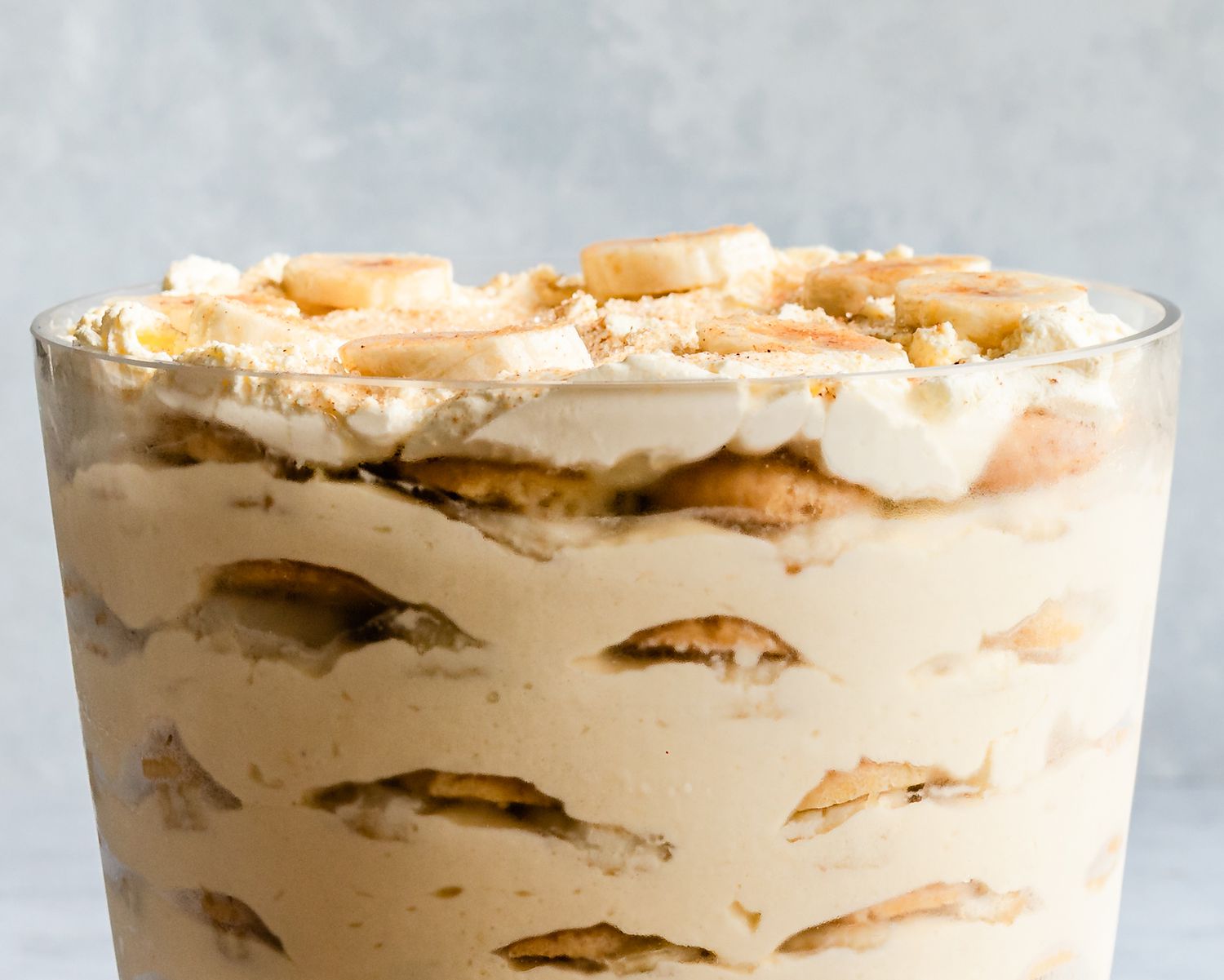
- Banana Foster Parfait Recipe20 Minutes
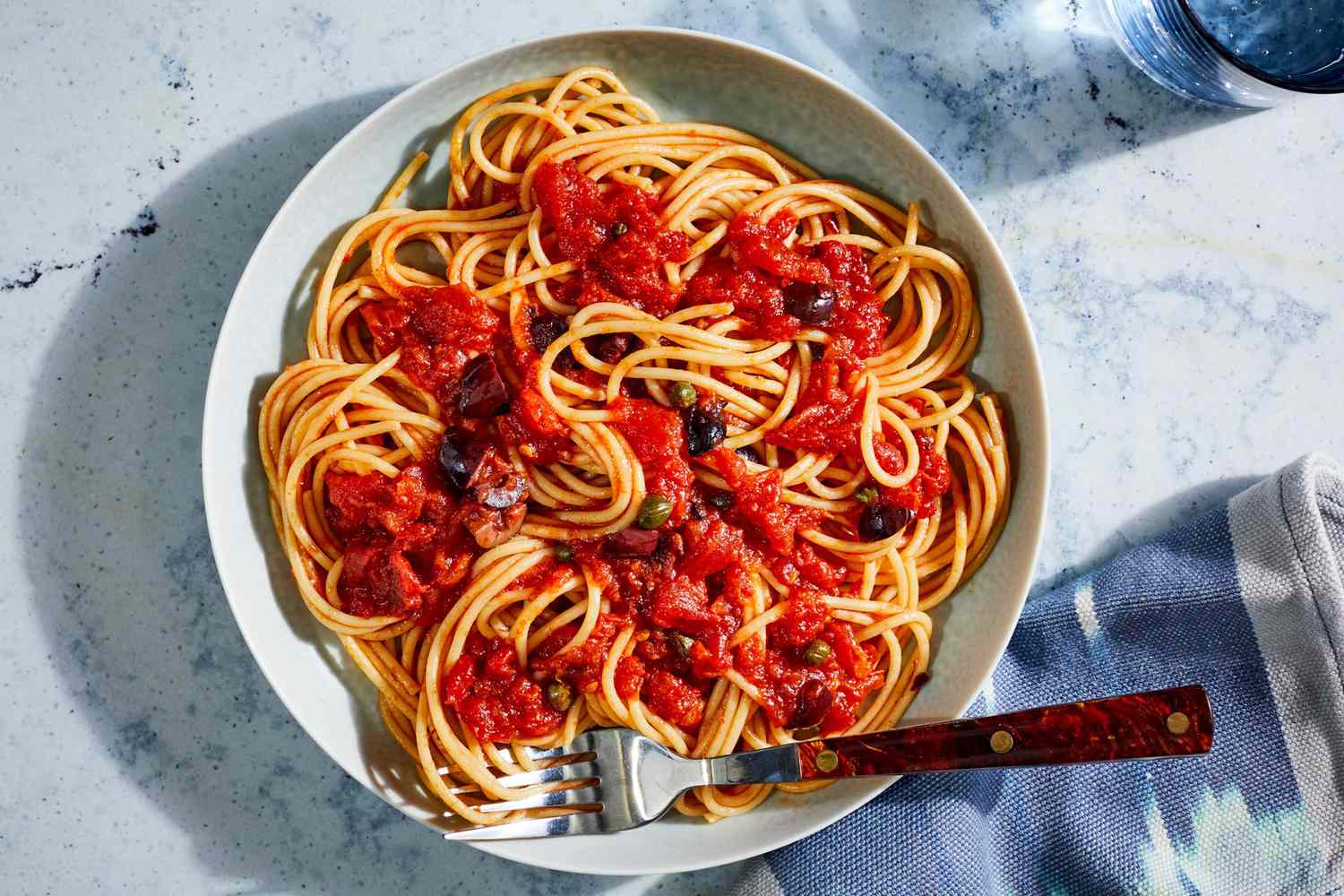
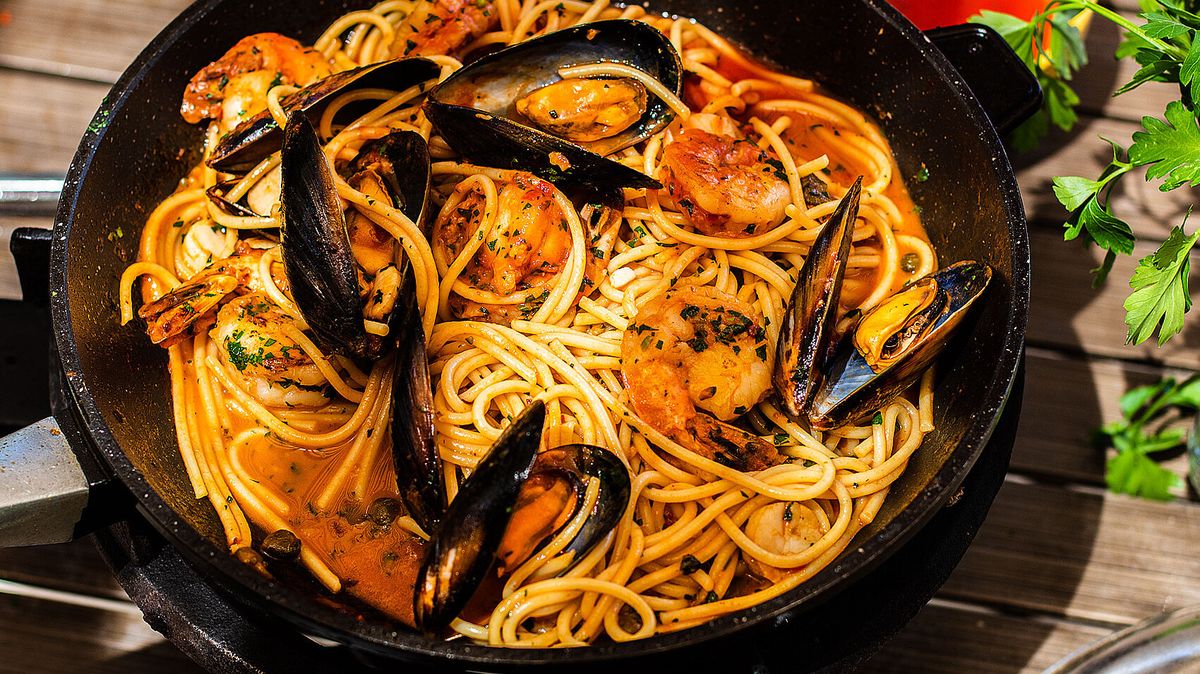
- Puttanesca Recipe30 Minutes
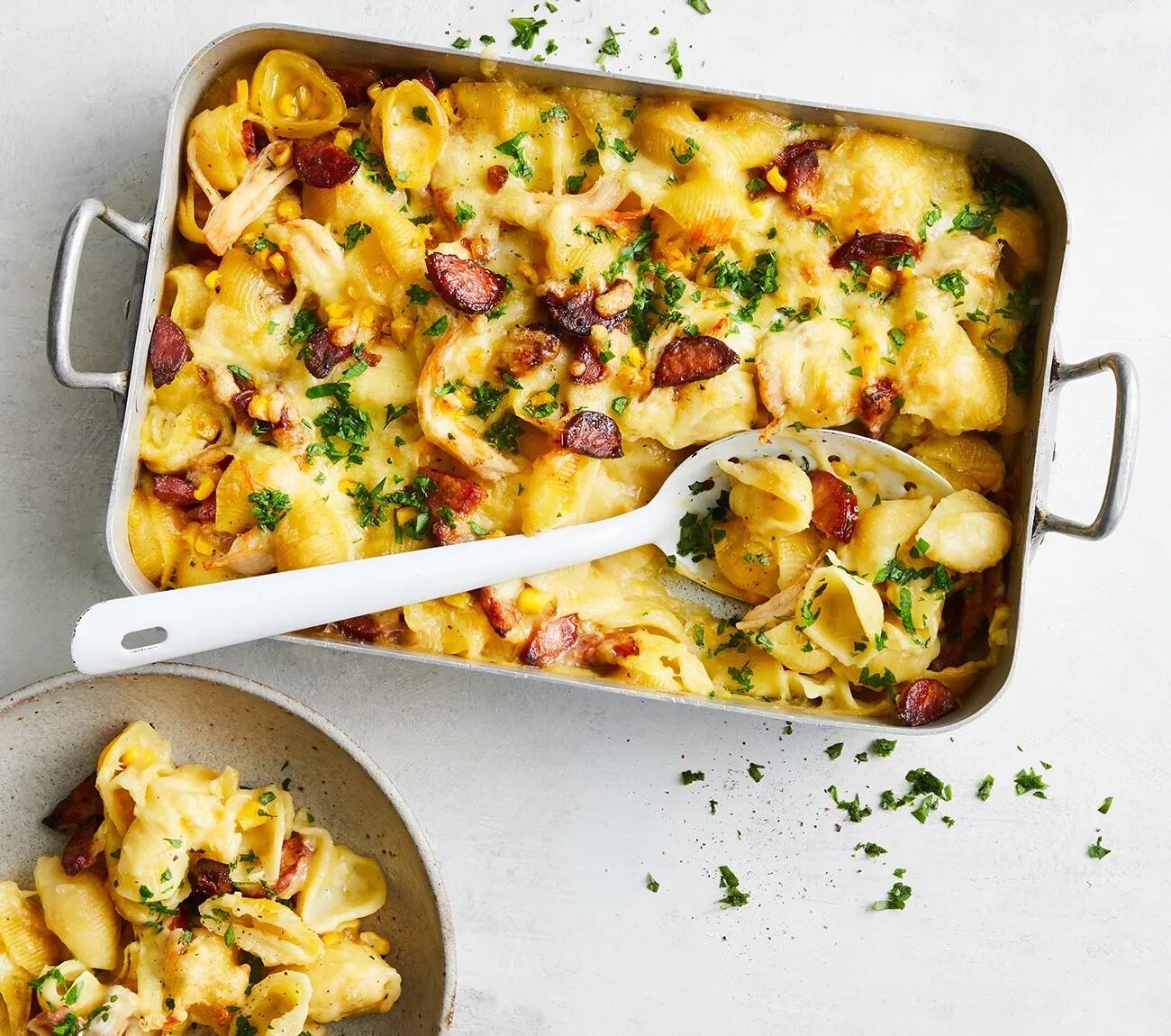
- Chicken and Chorizo Pasta Bake Recipe45 Minutes
- Pistachio Baklava Recipe1 Hours 15 Minutes
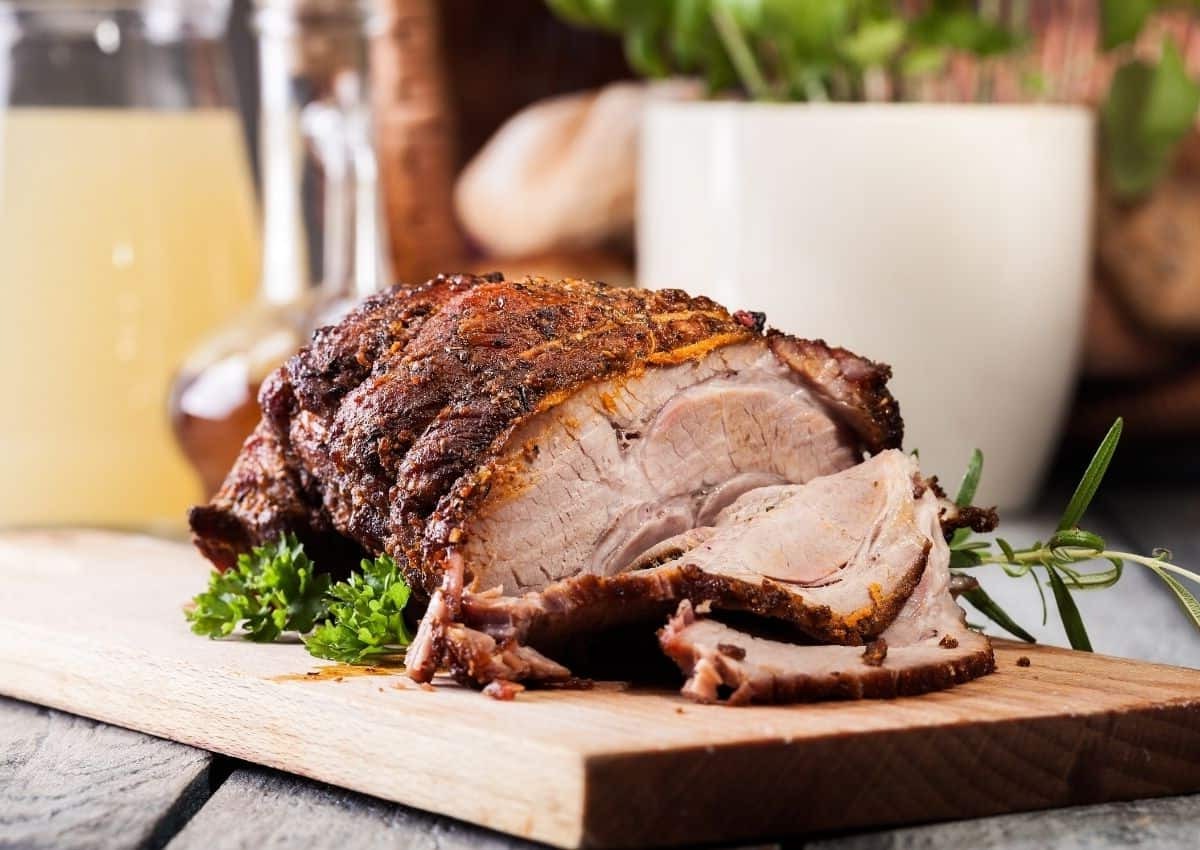
- Roasted Leg of Pork Recipe2 Hours 20 Minutes
- Raspberry Ripple Ice Cream Recipe4 Hours






Leave a Reply