
Sooji Upma is a popular South Indian breakfast dish that is both nutritious and delicious. Made from sooji (semolina), this savory dish is flavored with aromatic spices and herbs, making it a perfect start to your day. It's quick to prepare and can be enjoyed by the whole family.
Some ingredients in this recipe might not be commonly found in every household. Urad dal and chana dal are types of lentils that add a unique texture and flavor to the dish. Asafoetida is a pungent spice used in small quantities for its distinctive taste. Curry leaves are aromatic leaves that enhance the flavor of the upma. These items can usually be found in the international or Indian section of your supermarket.
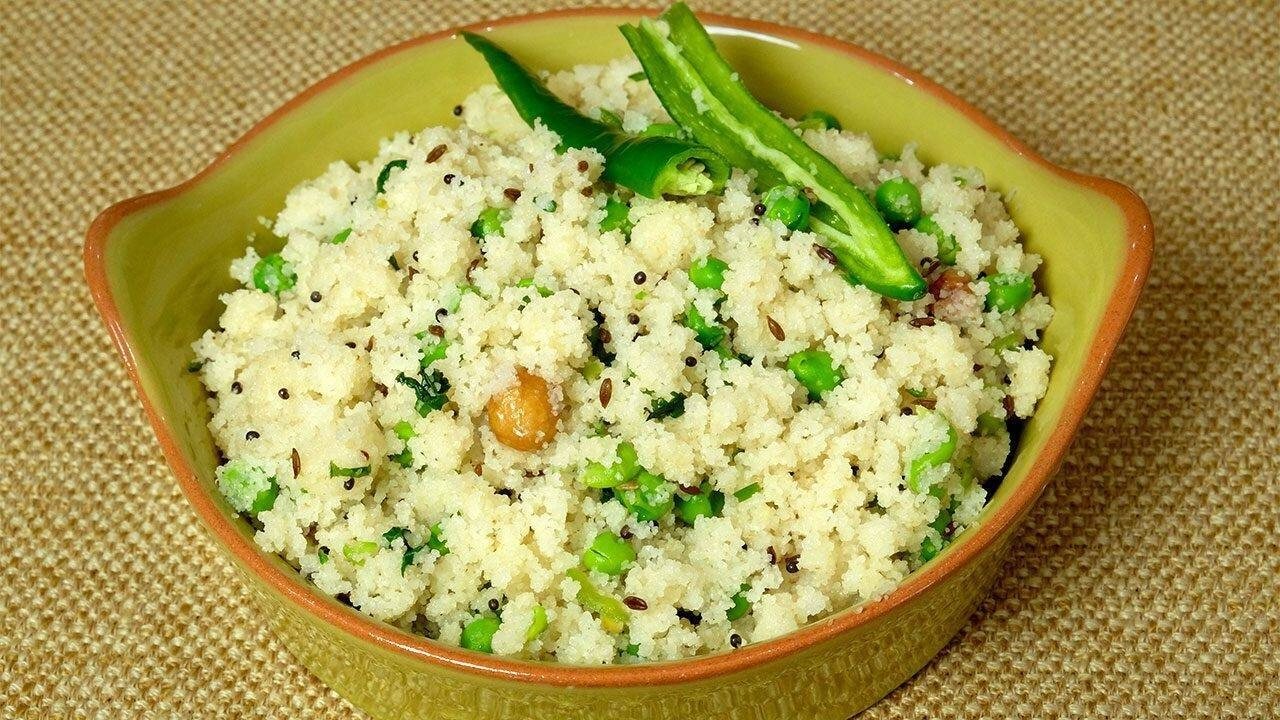
Ingredients For Sooji Upma Recipe
Sooji: Also known as semolina, this is the main ingredient that forms the base of the upma.
Oil: Used for sautéing the spices and vegetables.
Mustard seeds: Adds a nutty flavor and is commonly used in Indian cooking.
Urad dal: A type of lentil that provides a crunchy texture.
Chana dal: Another type of lentil that adds texture and flavor.
Onion: Adds sweetness and depth to the dish.
Green chili: Provides a spicy kick.
Ginger: Adds a fresh, zesty flavor.
Curry leaves: Aromatic leaves that enhance the flavor.
Asafoetida: A pungent spice used in small quantities for its distinctive taste.
Water: Used to cook the sooji and bring the dish together.
Salt: Enhances the overall flavor of the dish.
Coriander leaves: Fresh herbs used for garnishing.
Technique Tip for Preparation
When roasting sooji, ensure you do it on a medium flame and stir continuously. This prevents the semolina from burning and ensures an even golden color, which adds a nutty flavor to the upma.
Suggested Side Dishes
Alternative Ingredients
sooji - Substitute with quinoa: Quinoa has a similar texture and can absorb flavors well, making it a good alternative for a gluten-free option.
oil - Substitute with ghee: Ghee adds a richer flavor and is a traditional fat used in Indian cooking.
mustard seeds - Substitute with cumin seeds: Cumin seeds provide a different but complementary flavor profile that works well in upma.
urad dal - Substitute with moong dal: Moong dal has a similar texture and can be used to add protein and texture.
chana dal - Substitute with toor dal: Toor dal has a similar cooking time and texture, making it a suitable replacement.
onion - Substitute with shallots: Shallots have a milder flavor but can provide the necessary sweetness and texture.
green chili - Substitute with red chili flakes: Red chili flakes can provide the heat needed, though the flavor will be slightly different.
ginger - Substitute with galangal: Galangal has a similar spicy and aromatic profile, though it is slightly more citrusy.
curry leaves - Substitute with bay leaves: Bay leaves can add a different but aromatic flavor, though they should be removed before serving.
asafoetida - Substitute with garlic powder: Garlic powder can provide a similar pungent flavor, though it is less intense.
water - Substitute with vegetable broth: Vegetable broth adds more depth of flavor compared to plain water.
salt - Substitute with soy sauce: Soy sauce can add a salty and umami flavor, though it will change the color slightly.
coriander leaves - Substitute with parsley: Parsley can provide a fresh, herbaceous note similar to coriander leaves.
Alternative Recipes to Try
How to Store or Freeze
- Allow the sooji upma to cool completely before storing. This prevents condensation and keeps it from becoming soggy.
- Transfer the cooled upma into an airtight container. This helps retain its freshness and flavor.
- Store the container in the refrigerator if you plan to consume it within 2-3 days. The cool temperature will keep the upma fresh.
- For longer storage, place the upma in a freezer-safe container or a resealable plastic bag. Make sure to remove as much air as possible to prevent freezer burn.
- Label the container with the date of storage. This helps you keep track of its freshness and ensures you consume it within a reasonable time frame.
- When ready to eat, reheat the refrigerated upma in a microwave or on the stovetop. Add a splash of water to restore its original texture and prevent it from drying out.
- For frozen upma, thaw it in the refrigerator overnight. Reheat using the same method as refrigerated upma, ensuring it is heated evenly.
- Garnish with fresh coriander leaves before serving to enhance the flavor and presentation.
How to Reheat Leftovers
Stovetop Method:
- Place the leftover sooji upma in a non-stick pan.
- Add a splash of water to rehydrate the upma and prevent it from sticking.
- Heat on low to medium flame, stirring occasionally to ensure even heating.
- Once heated through, garnish with fresh coriander leaves if desired and serve hot.
Microwave Method:
- Transfer the sooji upma to a microwave-safe dish.
- Sprinkle a few drops of water over the upma to maintain its moisture.
- Cover the dish with a microwave-safe lid or plate.
- Heat on medium power for 1-2 minutes, stirring halfway through.
- Check if it's heated evenly; if not, microwave for an additional 30 seconds.
Steaming Method:
- Place the leftover sooji upma in a heatproof bowl.
- Set up a steamer or use a large pot with a steaming rack.
- Add water to the pot, ensuring it doesn't touch the bowl.
- Cover and steam on medium heat for about 5-7 minutes.
- Carefully remove the bowl, stir the upma, and serve hot.
Oven Method:
- Preheat your oven to 350°F (175°C).
- Spread the sooji upma evenly in an oven-safe dish.
- Cover the dish with aluminum foil to retain moisture.
- Bake for about 10-15 minutes or until heated through.
- Stir halfway through the baking time for even heating.
Double Boiler Method:
- Fill a large pot with water and bring it to a simmer.
- Place the sooji upma in a heatproof bowl that fits snugly over the pot.
- Stir occasionally as the steam heats the upma gently.
- Once heated through, remove from the heat and serve immediately.
Best Tools for Preparation
Pan: Use a pan to dry roast the sooji until it turns light golden and to cook the upma.
Spatula: A spatula is essential for stirring the sooji continuously to avoid lumps and for sautéing the ingredients.
Measuring cups: Measuring cups help in accurately measuring the sooji and water for the recipe.
Knife: A knife is needed to finely chop the onion, green chili, and coriander leaves.
Grater: Use a grater to grate the ginger for the recipe.
Cutting board: A cutting board provides a safe surface to chop the vegetables and herbs.
Small bowl: A small bowl can be used to set aside the roasted sooji.
Ladle: A ladle is useful for adding water to the pan and for serving the upma.
Measuring spoons: Measuring spoons are necessary for measuring the oil, mustard seeds, urad dal, chana dal, and salt.
Serving dish: Use a serving dish to present the upma once it is cooked and garnished.
How to Save Time on Preparation
Dry roast in bulk: Roast a larger batch of sooji and store it in an airtight container for future use.
Prep ingredients ahead: Chop the onion, green chili, and ginger in advance and store them in the fridge.
Use hot water: Boil water in a kettle while prepping other ingredients to speed up the cooking process.
One-pot cooking: Use a wide pan to roast sooji and then cook the upma in the same pan to save on cleaning time.
Pre-measure spices: Measure out the mustard seeds, urad dal, and chana dal before starting to cook.
Sooji Upma Recipe
Ingredients
Main Ingredients
- 1 cup Sooji (Semolina)
- 2 tablespoon Oil
- 1 teaspoon Mustard Seeds
- 1 teaspoon Urad Dal
- 1 teaspoon Chana Dal
- 1 medium Onion, finely chopped
- 1 small Green Chili, chopped
- 1 inch Ginger, grated
- 10 pieces Curry Leaves
- 1 pinch Asafoetida
- 2 cups Water
- to taste Salt
- 2 tablespoon Coriander Leaves, chopped
Instructions
- Dry roast the sooji in a pan until it turns light golden. Set aside.
- Heat oil in the pan. Add mustard seeds, urad dal, and chana dal. Sauté until the dals turn golden.
- Add chopped onions, green chili, ginger, curry leaves, and asafoetida. Sauté until onions turn translucent.
- Add water and salt. Bring to a boil.
- Gradually add the roasted sooji, stirring continuously to avoid lumps.
- Cook on low heat until the water is absorbed and the upma reaches the desired consistency.
- Garnish with chopped coriander leaves and serve hot.
Nutritional Value
Keywords
More Amazing Recipes to Try 🙂
- Baked Fresh Rainbow Trout Recipe30 Minutes
- Poached Egg Recipe8 Minutes
- Beef Wellingtons Recipe1 Hours 15 Minutes
- Italian Sausage Recipe30 Minutes
- Almond Butter Recipe25 Minutes
- Slow Cooker Chicken Recipe4 Hours 10 Minutes
- Pumpkin Shells Recipe45 Minutes
- Air Fryer Chicken Fajitas Recipe25 Minutes








Leave a Reply