

Discover a unique and flavorful way to enjoy beef tongue with this slow cooker recipe. The long, slow cooking process ensures the meat becomes incredibly tender, making it perfect for a variety of dishes. Whether you're new to beef tongue or a seasoned fan, this recipe is sure to impress.
One ingredient you might not commonly have at home is beef tongue. It can usually be found in the meat section of larger supermarkets or specialty butcher shops. Make sure to ask the butcher if you have trouble locating it. The other ingredients like bay leaves and beef broth are more common but still essential for adding depth of flavor to the dish.
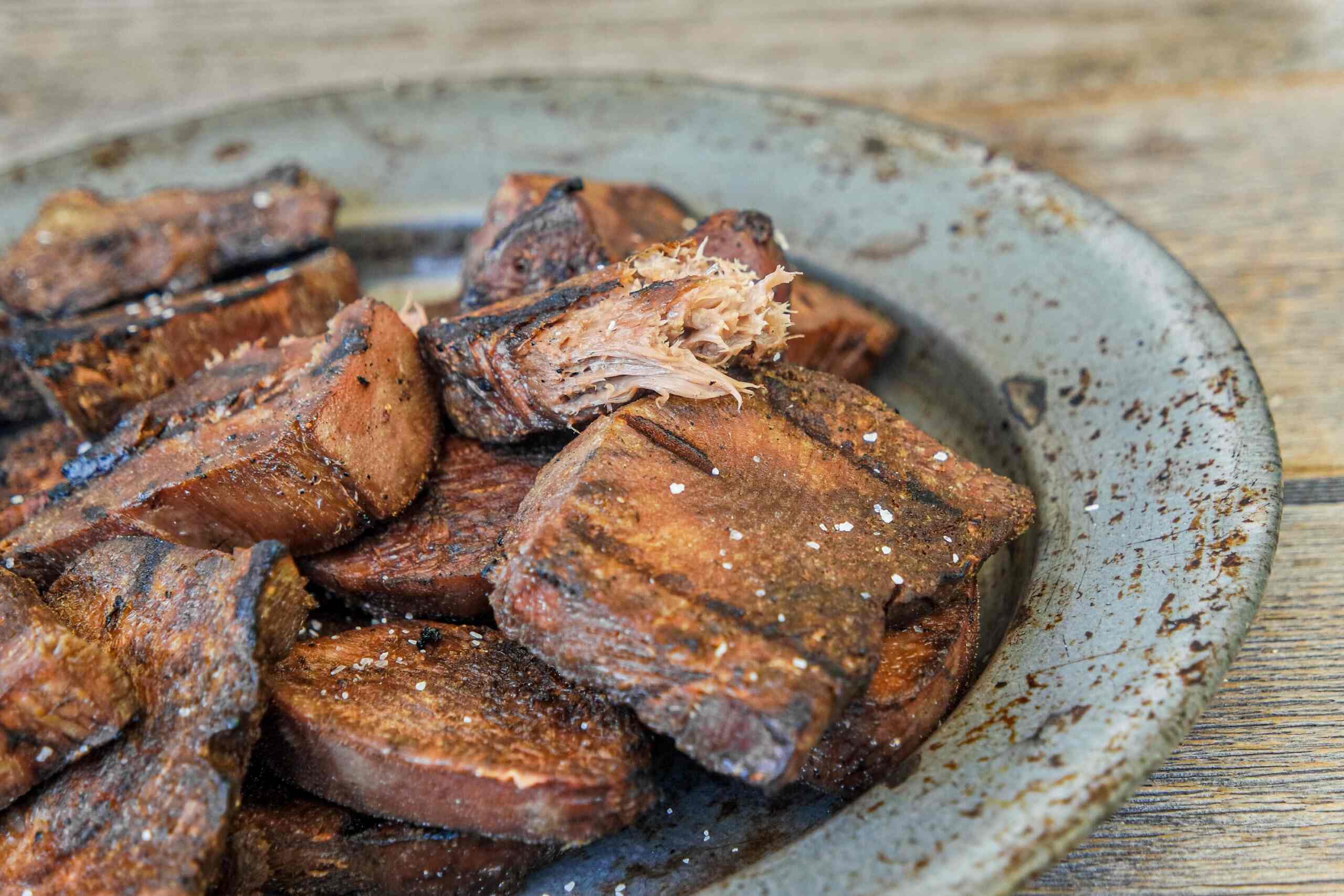
Ingredients For Slow Cooker Beef Tongue Recipe
Beef tongue: A unique cut of meat that becomes tender and flavorful when slow-cooked.
Onion: Adds sweetness and depth to the broth.
Garlic: Provides a robust, aromatic flavor.
Salt: Enhances the overall taste of the dish.
Black pepper: Adds a hint of spice and complexity.
Beef broth: Serves as the cooking liquid, infusing the tongue with rich flavor.
Bay leaves: Impart a subtle, herbal note to the dish.
Technique Tip for This Recipe
When preparing beef tongue, make sure to rinse it thoroughly under cold water to remove any impurities. This step is crucial for ensuring a clean and flavorful dish. Additionally, when peeling the skin off the tongue after cooking, do so while it is still warm. The skin will come off more easily, making the process smoother and less time-consuming.
Suggested Side Dishes
Alternative Ingredients
beef tongue - Substitute with beef brisket: Beef brisket has a similar texture and richness when slow-cooked, making it a good alternative.
beef tongue - Substitute with pork shoulder: Pork shoulder is also a fatty cut that becomes tender and flavorful when slow-cooked.
onion - Substitute with shallots: Shallots provide a similar flavor profile but are slightly sweeter and milder.
onion - Substitute with leeks: Leeks offer a more delicate and subtle onion flavor, which can be a nice variation.
garlic - Substitute with garlic powder: Garlic powder can be used if fresh garlic is not available, though it will have a slightly different intensity.
garlic - Substitute with shallots: Shallots can provide a mild garlic-like flavor along with their onion notes.
salt - Substitute with soy sauce: Soy sauce adds saltiness along with a depth of umami flavor.
salt - Substitute with sea salt: Sea salt can be used as a direct replacement for regular salt, often providing a slightly different mineral taste.
whole black pepper - Substitute with ground black pepper: Ground black pepper can be used if whole peppercorns are not available, though it will integrate more fully into the dish.
whole black pepper - Substitute with white peppercorns: White peppercorns offer a similar heat but with a slightly different flavor profile.
beef broth - Substitute with chicken broth: Chicken broth can be used if beef broth is unavailable, though it will have a lighter flavor.
beef broth - Substitute with vegetable broth: Vegetable broth is a good alternative for a lighter, vegetarian-friendly option.
bay leaves - Substitute with thyme: Thyme provides a different but complementary herbal note to the dish.
bay leaves - Substitute with oregano: Oregano offers a robust herbal flavor that can stand in for bay leaves.
Alternative Recipes Similar to This Dish
How to Store or Freeze This Dish
Allow the beef tongue to cool completely before storing. This helps prevent condensation, which can lead to sogginess and spoilage.
Slice the beef tongue into thin pieces if you haven't done so already. This makes it easier to portion out and use later.
Place the sliced beef tongue in an airtight container or resealable plastic bag. Make sure to remove as much air as possible to maintain freshness.
Label the container or bag with the date and contents. This helps you keep track of how long it has been stored.
Store the beef tongue in the refrigerator if you plan to use it within 3-4 days. Keep it in the coldest part of the fridge to ensure it stays fresh.
For longer storage, place the beef tongue in the freezer. It can be stored for up to 3 months without losing quality.
When freezing, consider portioning the beef tongue into smaller servings. This allows you to thaw only what you need, reducing waste.
To thaw frozen beef tongue, transfer it to the refrigerator and let it thaw slowly overnight. This helps maintain its texture and flavor.
If you're in a hurry, you can use the defrost setting on your microwave, but be cautious as this can sometimes affect the texture of the meat.
Once thawed, use the beef tongue within 1-2 days for the best taste and quality.
How to Reheat Leftovers
- Preheat your oven to 350°F. Place the sliced beef tongue in an oven-safe dish, cover it with foil, and heat for about 15-20 minutes until warmed through.
- For a quick and easy method, use a microwave. Place the beef tongue slices on a microwave-safe plate, cover with a damp paper towel, and heat on medium power for 1-2 minutes, checking frequently to avoid overcooking.
- Reheat on the stovetop by placing the beef tongue slices in a skillet with a splash of beef broth or water. Cover and heat over medium-low heat, turning occasionally, until warmed through.
- If you have an air fryer, preheat it to 350°F. Place the beef tongue slices in the basket, making sure they are not overlapping, and heat for 3-5 minutes until hot and slightly crispy.
- For a flavorful twist, reheat the beef tongue in a sauce. Place the slices in a saucepan with your favorite sauce (like barbecue sauce or gravy) and simmer over low heat until heated through.
Essential Tools for This Recipe
Slow cooker: A countertop electrical cooking appliance used to simmer at a lower temperature than other cooking methods, allowing for unattended cooking for many hours.
Cutting board: A durable board on which to place and cut ingredients.
Chef's knife: A versatile knife used for slicing, dicing, and chopping ingredients.
Tongs: A tool used to grip and lift the beef tongue when removing it from the slow cooker.
Measuring spoons: Used to measure small quantities of ingredients like salt and pepper.
Measuring cup: Used to measure the beef broth accurately.
Peeler: A tool used to peel off the skin from the cooked beef tongue.
Serving platter: A large plate or dish used to present the sliced beef tongue.
Knife sharpener: A tool to keep the chef's knife sharp for efficient cutting.
Mixing bowl: Used to hold the beef tongue and other ingredients before placing them in the slow cooker.
How to Save Time on This Recipe
Prep ingredients the night before: Chop the onion and peel the garlic the night before to save time in the morning.
Use pre-made broth: Opt for store-bought beef broth to avoid the time-consuming process of making it from scratch.
Quick cooling: After cooking, place the beef tongue in an ice bath to cool it quickly, making it easier to peel.
Multi-purpose use: Plan to use the cooked beef tongue in multiple dishes like tacos, sandwiches, or salads to maximize your effort.
Slow Cooker Beef Tongue Recipe
Ingredients
Main Ingredients
- 1 whole Beef Tongue about 3 lbs
- 1 large Onion quartered
- 4 cloves Garlic peeled
- 2 teaspoon Salt
- 1 teaspoon Black Pepper whole
- 2 cups Beef Broth
- 2 pcs Bay Leaves
Instructions
- 1. Rinse the beef tongue under cold water and place it in the slow cooker.
- 2. Add the onion, garlic, salt, black pepper, beef broth, and bay leaves to the slow cooker.
- 3. Cover and cook on low for 8 hours or until the tongue is tender.
- 4. Once cooked, remove the tongue from the slow cooker and let it cool slightly.
- 5. Peel off the skin from the tongue and slice it thinly.
- 6. Serve with your favorite sides or use in tacos, sandwiches, or salads.
Nutritional Value
Keywords
Suggested Appetizers and Desserts
More Amazing Recipes to Try 🙂
- Oven Baked Chicken Wings Recipe50 Minutes
- Hawaiian Chicken Recipe45 Minutes
- Quiche Florentine Recipe1 Hours
- Healthier Chicken Enchiladas Recipe50 Minutes
- Tuscan Chicken Pasta Recipe40 Minutes
- Pork Steaks Recipe30 Minutes
- Slow Cooker Sausage Recipe4 Hours 10 Minutes
- Chicken Biryani Recipe1 Hours 15 Minutes












Leave a Reply