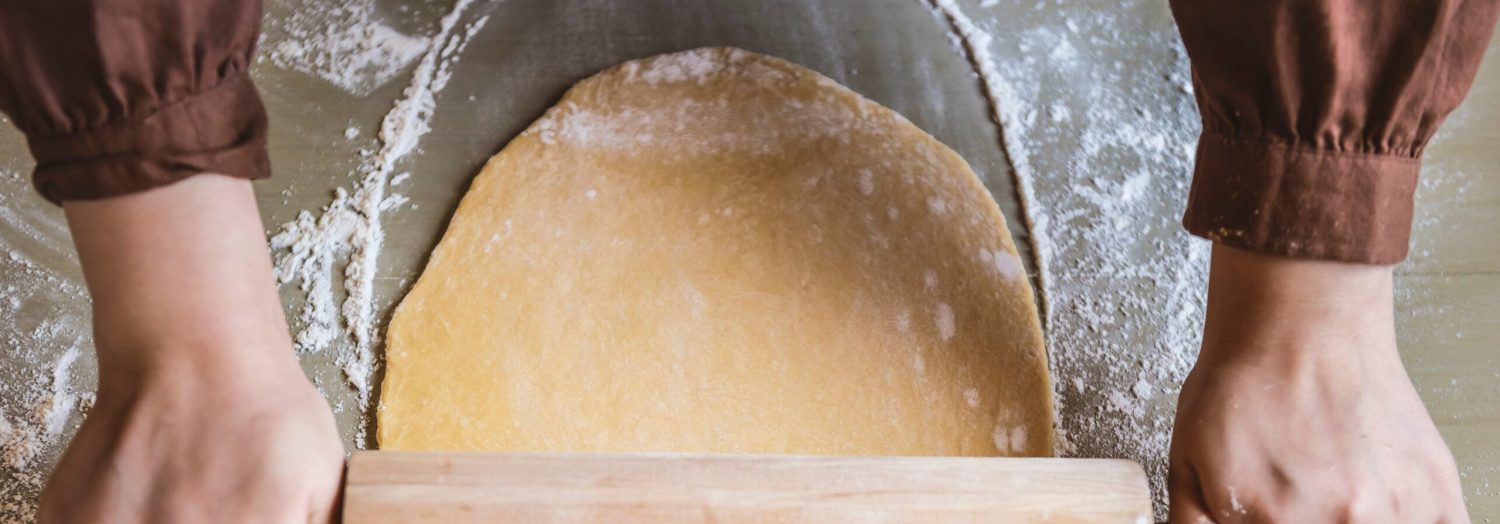

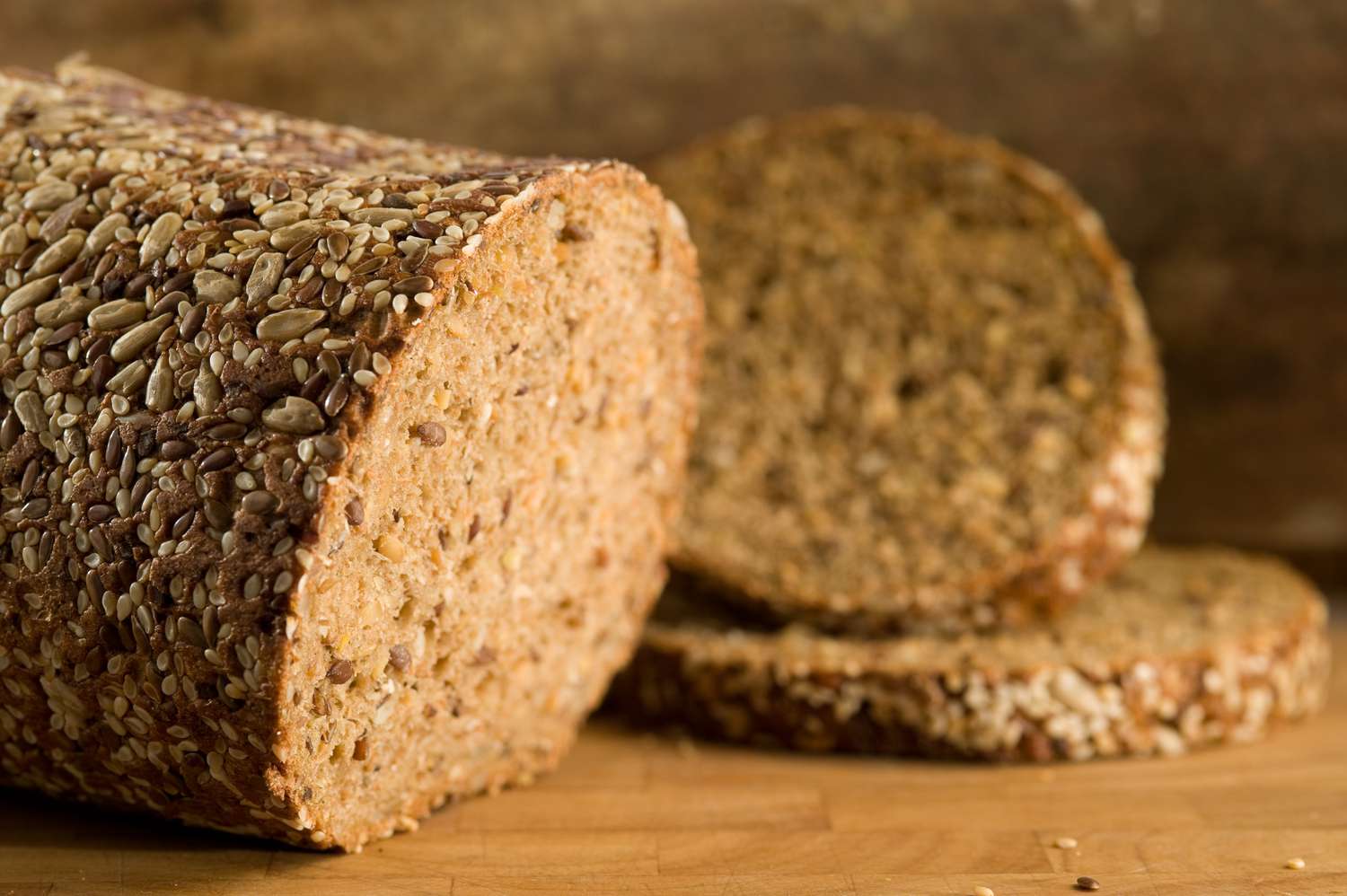
Pumpernickel bread is a delightful and hearty addition to any meal, offering a rich, complex flavor profile that sets it apart from other breads. This dark, dense loaf is known for its deep color and slightly sweet, tangy taste, which comes from a unique combination of ingredients. Perfect for sandwiches or simply enjoyed with a pat of butter, pumpernickel bread is a versatile staple that brings a touch of rustic charm to your table.
When preparing to make pumpernickel bread, you might find that some ingredients are not typically stocked in your pantry. Rye flour and whole wheat flour are essential for achieving the bread's characteristic texture and flavor, so be sure to pick these up at the supermarket. Additionally, molasses and caraway seeds contribute to the bread's unique taste, while cocoa powder and instant coffee granules enhance its deep color. These items might require a trip down the baking aisle if they're not already in your kitchen.
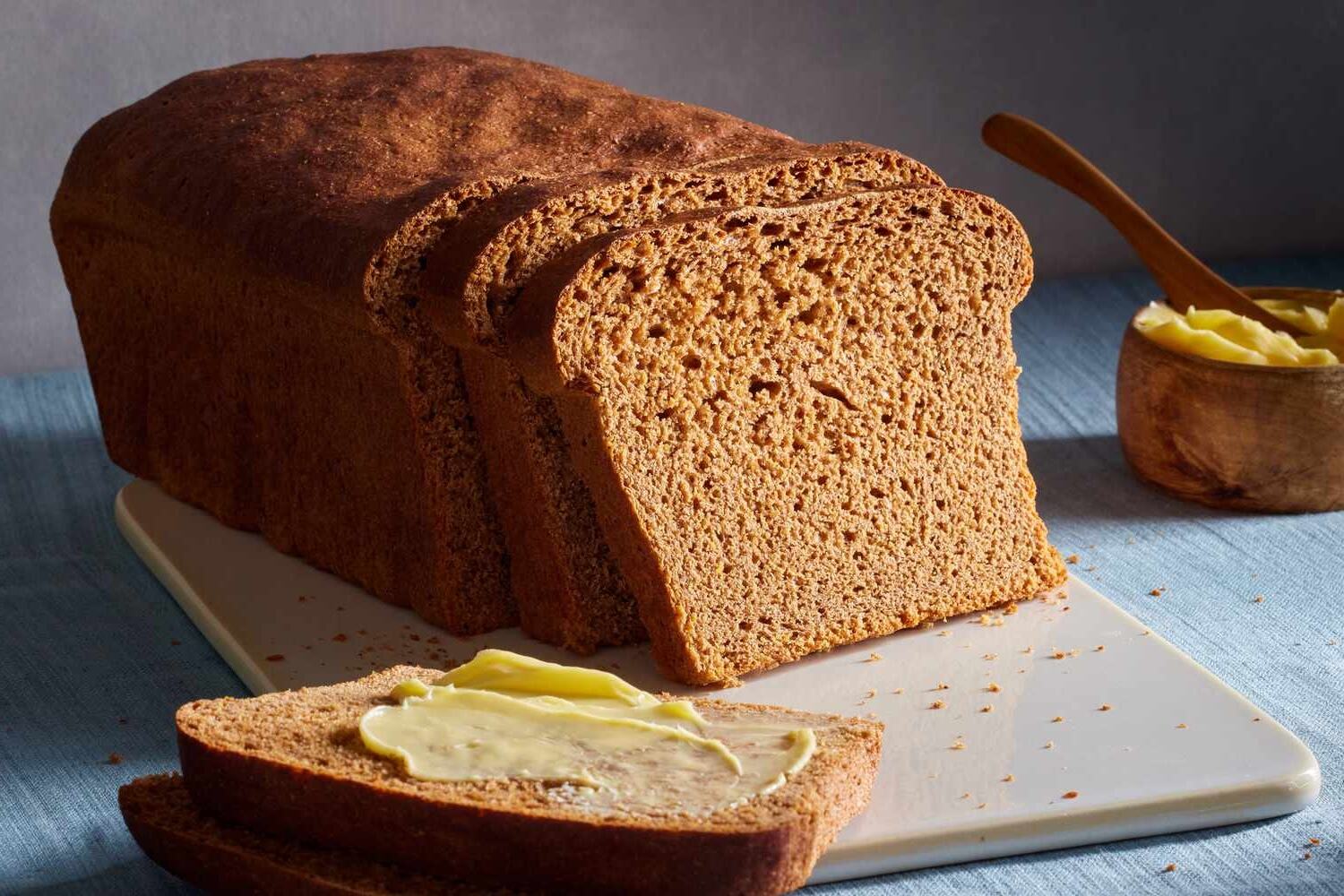
Ingredients For Pumpernickel Bread Recipe
Rye flour: A type of flour made from rye grain, giving the bread its distinctive flavor and dense texture.
Whole wheat flour: Flour that includes the entire wheat kernel, adding a nutty taste and hearty texture.
Bread flour: High-protein flour that helps create a chewy texture and good structure in the bread.
Cocoa powder: Unsweetened cocoa adds a rich color and subtle depth of flavor to the bread.
Instant coffee granules: Enhances the dark color and adds a slight bitterness that complements the sweetness.
Salt: Essential for balancing flavors and controlling yeast activity.
Molasses: A thick, dark syrup that adds sweetness and moisture, contributing to the bread's unique flavor.
Caraway seeds: Small seeds with a distinctive anise-like flavor, often used in traditional rye breads.
Active dry yeast: A leavening agent that helps the bread rise and develop its texture.
Warm water: Activates the yeast and helps combine the ingredients into a dough.
Technique Tip for Perfecting Your Bread
When preparing pumpernickel bread, one technique to enhance the flavor is to toast the caraway seeds before adding them to the dough. Simply heat a dry skillet over medium heat, add the seeds, and stir them for a few minutes until they become fragrant. This step releases the essential oils in the seeds, intensifying their flavor and adding a delightful aromatic note to your bread. Additionally, when dissolving the yeast in warm water, ensure the water is between 100°F and 110°F (37°C to 43°C) to activate the yeast effectively without killing it. This will help achieve a good rise and a light, airy texture in your bread.
Suggested Side Dishes
Alternative Ingredients
rye flour - Substitute with spelt flour: Spelt flour has a nutty flavor similar to rye and can provide a similar texture in bread recipes.
whole wheat flour - Substitute with all-purpose flour: While not as dense, all-purpose flour can be used to maintain the structure of the bread, though it may be lighter.
bread flour - Substitute with all-purpose flour: All-purpose flour can be used in place of bread flour, though the bread may be slightly less chewy due to the lower protein content.
cocoa powder - Substitute with carob powder: Carob powder can mimic the color and provide a slightly sweet flavor similar to cocoa powder.
instant coffee granules - Substitute with espresso powder: Espresso powder can enhance the deep, rich flavor of the bread, similar to coffee granules.
salt - Substitute with sea salt: Sea salt can be used in the same quantity and will provide a similar flavor profile.
molasses - Substitute with honey: Honey can add sweetness and moisture, though it will slightly alter the flavor profile of the bread.
caraway seeds - Substitute with fennel seeds: Fennel seeds can provide a similar aromatic quality and slight anise flavor to the bread.
active dry yeast - Substitute with instant yeast: Instant yeast can be used in the same quantity and does not require proofing, making it a convenient alternative.
warm water - Substitute with milk: Milk can add richness and a slightly softer texture to the bread, though it may alter the flavor slightly.
Alternative Recipes Similar to This Bread
How to Store or Freeze Your Bread
Allow the freshly baked pumpernickel bread to cool completely on a wire rack before storing. This ensures that any residual heat doesn't create unwanted moisture inside your storage container.
For short-term storage, wrap the pumpernickel bread tightly in plastic wrap or aluminum foil. This will help maintain its moisture and keep it fresh for up to 3 days at room temperature.
If you prefer to store it in a bread box, ensure the box is clean and dry. Place the wrapped bread inside to protect it from air exposure, which can lead to staleness.
For longer storage, consider freezing. Slice the pumpernickel bread before freezing so you can easily thaw individual slices as needed. This is especially handy for those spontaneous sandwich cravings.
Wrap each slice or the whole loaf in plastic wrap, then place it in a resealable freezer bag. Squeeze out as much air as possible before sealing to prevent freezer burn.
Label the bag with the date of freezing. This helps you keep track of its freshness and ensures you enjoy it within 3 months for the best taste and texture.
When you're ready to enjoy your frozen pumpernickel bread, remove the desired number of slices and let them thaw at room temperature. For a quicker option, pop them in the toaster or oven for a few minutes to restore that delightful crusty exterior.
If you have a whole frozen loaf, let it thaw in the refrigerator overnight. This gradual thawing helps maintain the bread's integrity and flavor.
Avoid refrigerating pumpernickel bread for storage, as this can cause it to dry out faster. The fridge is a no-go zone for maintaining that perfect balance of moisture and texture.
How to Reheat Leftovers
Preheat your oven to 350°F (175°C). Wrap the pumpernickel bread in aluminum foil to prevent it from drying out. Place it directly on the oven rack and heat for about 10-15 minutes. This method will help maintain the bread's chewy texture and rich flavor.
For a quick reheat, use a toaster. Slice the pumpernickel bread and toast it on a medium setting. This will give you a slightly crispy exterior while keeping the inside soft and warm.
If you prefer using a microwave, wrap the pumpernickel bread in a damp paper towel and place it on a microwave-safe plate. Heat on medium power for about 20-30 seconds. This method helps retain moisture, preventing the bread from becoming too tough.
For a stovetop approach, heat a non-stick skillet over medium heat. Place the pumpernickel bread slices in the skillet and cover with a lid. Heat for about 2-3 minutes on each side. This method gives a nice, gentle warmth and a slightly toasted surface.
If you have a steamer, place the pumpernickel bread in a steamer basket over simmering water for about 5 minutes. This method is excellent for keeping the bread moist and soft, enhancing its natural flavors.
Essential Tools for Baking
Mixing bowl: A large bowl used to combine the dry and wet ingredients to form the dough.
Measuring cups: Used to accurately measure the flour, cocoa powder, and other dry ingredients.
Measuring spoons: Essential for measuring smaller quantities like salt, molasses, and caraway seeds.
Whisk: Useful for mixing the dry ingredients together evenly before adding the wet ingredients.
Wooden spoon: Handy for stirring the molasses and caraway seeds into the flour mixture.
Small bowl: Used to dissolve the yeast in warm water before adding it to the dough mixture.
Floured surface: A clean countertop or board sprinkled with flour to prevent the dough from sticking while kneading.
Loaf pan: A greased pan where the dough is shaped and placed for the final rise and baking.
Oven: Preheated to the required temperature to bake the bread until it is perfectly done.
Wire rack: Used for cooling the bread after it is baked to ensure even cooling and prevent sogginess.
Kitchen towel: Used to cover the dough while it rises, maintaining warmth and moisture.
Pumpernickel Bread Recipe
Ingredients
Main Ingredients
- 2 cups Rye flour
- 1 cup Whole wheat flour
- 1 cup Bread flour
- 2 tablespoon Cocoa powder
- 1 tablespoon Instant coffee granules
- 1 tablespoon Salt
- 2 tablespoon Molasses
- 1 tablespoon Caraway seeds
- 2 teaspoon Active dry yeast
- 1.5 cups Warm water
Instructions
- 1. In a large mixing bowl, combine rye flour, whole wheat flour, and bread flour.
- 2. Add cocoa powder, instant coffee granules, and salt. Mix well.
- 3. Stir in molasses and caraway seeds.
- 4. Dissolve yeast in warm water and add to the flour mixture. Mix until a dough forms.
- 5. Knead the dough on a floured surface for about 10 minutes, until smooth and elastic.
- 6. Place the dough in a greased bowl, cover, and let rise in a warm place for about 1 hour, or until doubled in size.
- 7. Punch down the dough and shape it into a loaf. Place in a greased loaf pan.
- 8. Cover and let rise for another 30 minutes.
- 9. Preheat the oven to 375°F (190°C). Bake the bread for 45 minutes, or until it sounds hollow when tapped.
- 10. Remove from the oven and let cool on a wire rack before slicing.
Nutritional Value
Keywords
More Amazing Recipes to Try 🙂
- Fried Halibut Recipe25 Minutes
- Beet and Goat Cheese Crostini Recipe45 Minutes
- Purple Hooter Recipe5 Minutes
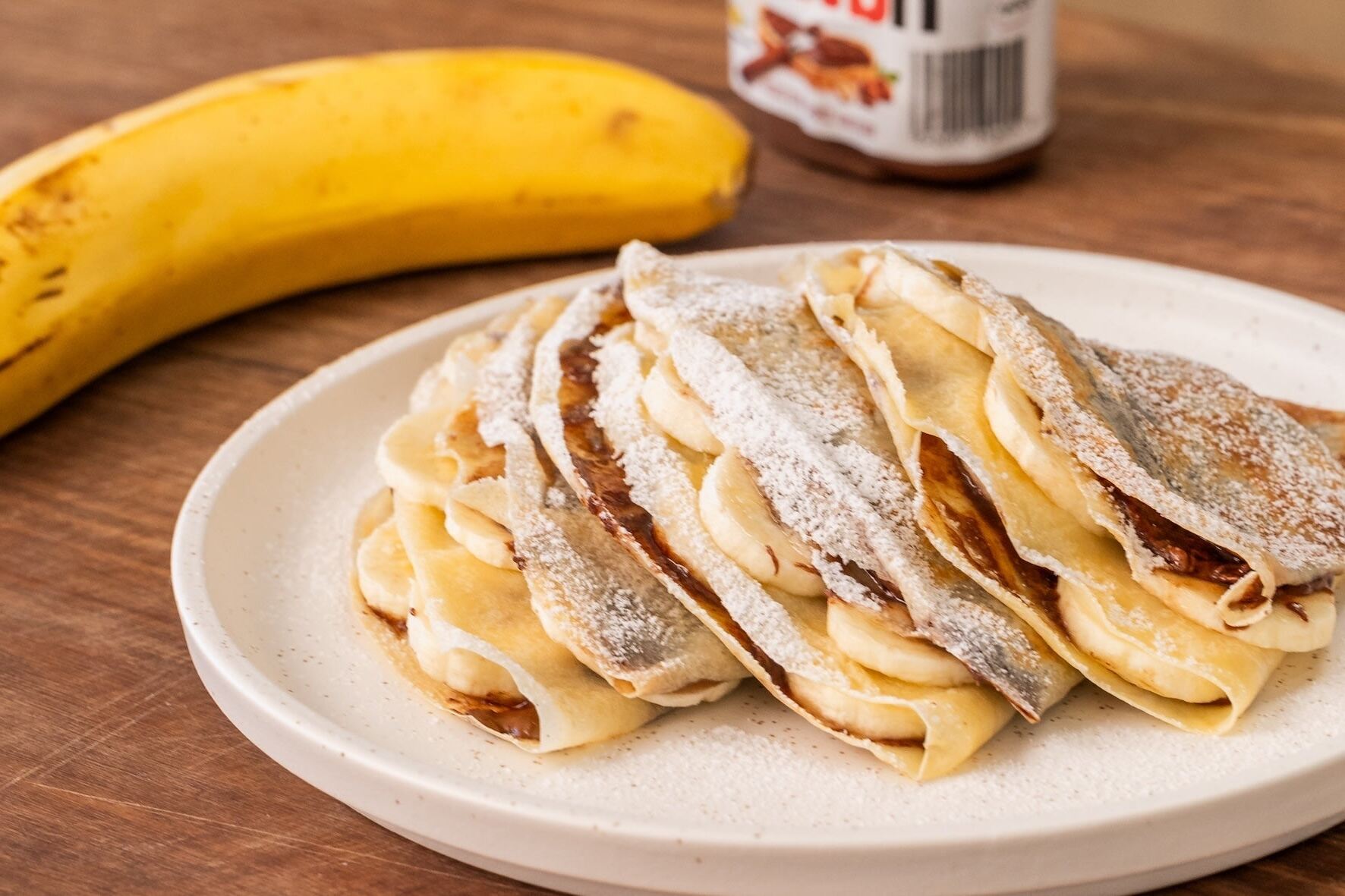
- Banana Crepes Recipe30 Minutes
- Party Punch Recipe10 Minutes
- Ham and Egg Breakfast Bake Recipe40 Minutes
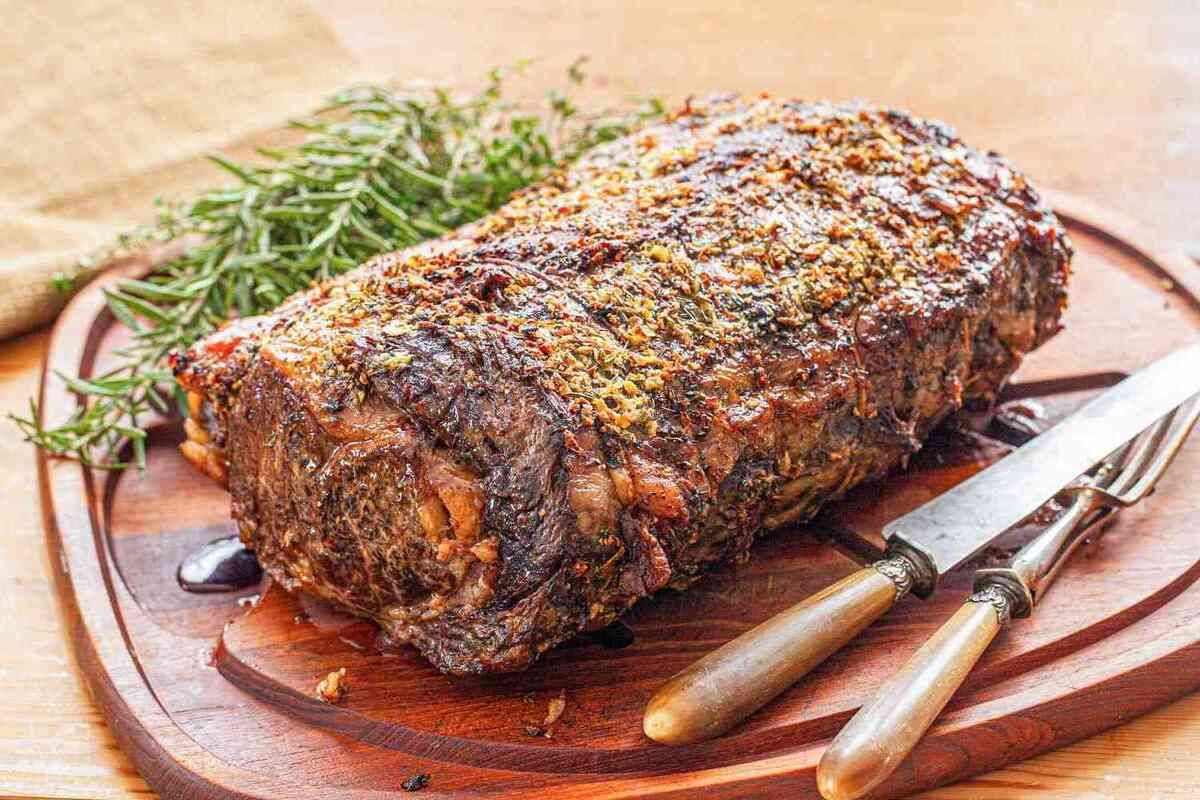
- Garlic Prime Rib Recipe2 Hours 15 Minutes
- German Bread Recipe1 Hours 15 Minutes






Leave a Reply