

A perfectly roasted leg of pork can be the centerpiece of a memorable meal. This recipe combines the rich flavors of garlic, rosemary, and thyme to create a succulent and aromatic dish that will impress your guests. With a few simple steps, you can achieve a tender and juicy roast that is sure to become a family favorite.
While most of the ingredients in this recipe are common pantry staples, fresh rosemary and thyme might not be something you have on hand. These herbs can usually be found in the produce section of your local supermarket. If you can't find fresh herbs, dried versions can be used, though the flavor might be slightly different.
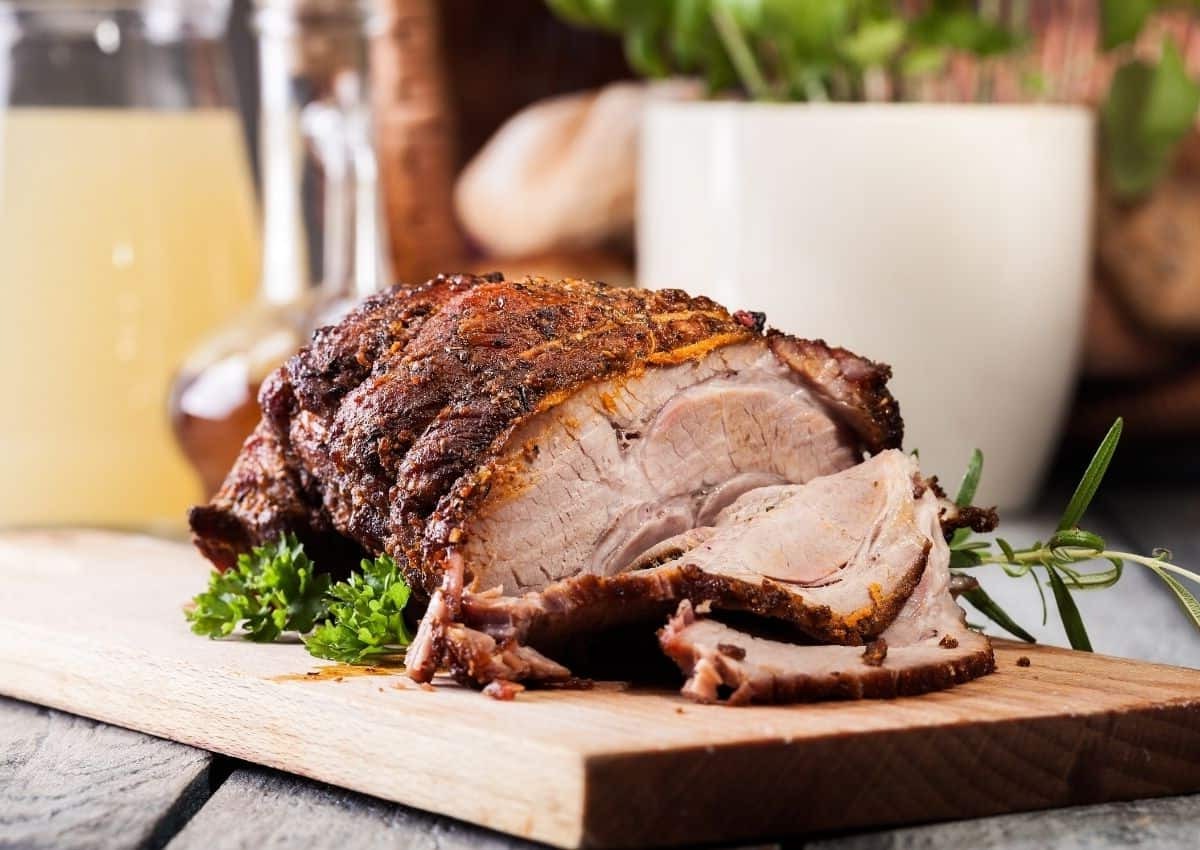
Ingredients For Roasted Leg Of Pork Recipe
Pork: The main ingredient, a leg of pork, provides a rich and flavorful meat base for the roast.
Olive oil: Used to coat the pork, helping to keep it moist and adding a subtle flavor.
Garlic: Minced garlic adds a robust and aromatic flavor to the roast.
Rosemary: Freshly chopped rosemary infuses the pork with a fragrant, earthy taste.
Thyme: Chopped thyme complements the rosemary and adds a hint of lemony flavor.
Salt: Enhances the natural flavors of the pork and other ingredients.
Black pepper: Freshly ground black pepper adds a touch of heat and depth to the seasoning.
Technique Tip for This Recipe
To ensure a juicy and flavorful roasted leg of pork, consider marinating the pork overnight. Combine olive oil, minced garlic, chopped rosemary, chopped thyme, salt, and freshly ground black pepper in a resealable bag with the pork leg. Seal the bag and refrigerate it, allowing the marinade to penetrate the meat deeply. This extra step will enhance the overall flavor and tenderness of the pork.
Suggested Side Dishes
Alternative Ingredients
leg of pork - Substitute with leg of lamb: Leg of lamb has a similar texture and flavor profile, making it a suitable alternative for roasting.
olive oil - Substitute with grapeseed oil: Grapeseed oil has a high smoke point and a neutral flavor, making it a good substitute for roasting.
minced garlic - Substitute with garlic powder: Garlic powder can provide a similar flavor, though it is less pungent. Use about half the amount.
chopped rosemary - Substitute with dried rosemary: Dried rosemary can be used in place of fresh, but use about one-third the amount as dried herbs are more concentrated.
chopped thyme - Substitute with dried thyme: Similar to rosemary, dried thyme can replace fresh thyme, but use one-third the amount.
salt - Substitute with soy sauce: Soy sauce can add a savory depth of flavor and saltiness, though it will also add a bit of moisture.
freshly ground black pepper - Substitute with white pepper: White pepper has a similar heat but a slightly different flavor profile, which can add a unique twist to the dish.
Other Alternative Recipes
How To Store / Freeze This Dish
- Allow the roasted leg of pork to cool completely before storing. This helps maintain its texture and flavor.
- Wrap the pork tightly in aluminum foil or plastic wrap to prevent it from drying out and to keep it fresh.
- Place the wrapped pork in an airtight container or a resealable plastic bag. This adds an extra layer of protection against moisture loss and contamination.
- Store the pork in the refrigerator if you plan to consume it within 3-4 days. This ensures it remains safe to eat and retains its quality.
- For longer storage, freeze the pork. Ensure it is wrapped tightly and placed in a freezer-safe container or bag. This will keep it fresh for up to 3 months.
- Label the container or bag with the date of storage. This helps you keep track of how long the pork has been stored and ensures you use it within the recommended time frame.
- When ready to use, thaw the pork in the refrigerator overnight. This slow thawing process helps maintain its texture and flavor.
- Reheat the pork gently in the oven at 325°F (165°C) until it is warmed through. This prevents it from drying out and ensures it is heated evenly.
- Alternatively, you can reheat the pork in the microwave. Place it in a microwave-safe dish, cover it with a microwave-safe lid or plastic wrap, and heat on medium power until warmed through. This method is quicker but may result in slightly drier meat.
- Serve the reheated pork with your favorite sides, such as roasted vegetables, mashed potatoes, or a fresh salad. This makes for a delicious and satisfying meal.
How To Reheat Leftovers
Oven Method: Preheat your oven to 325°F (165°C). Place the leftover roasted leg of pork in a baking dish and cover it with aluminum foil to retain moisture. Heat for about 20-25 minutes or until the internal temperature reaches 165°F (74°C). This method ensures the pork remains juicy and flavorful.
Stovetop Method: Slice the pork into thin pieces for even reheating. In a skillet, add a splash of olive oil or a bit of chicken broth to prevent sticking. Heat the slices over medium heat for about 5-7 minutes, flipping occasionally until warmed through.
Microwave Method: Place the pork slices on a microwave-safe plate. Cover with a damp paper towel to keep the meat moist. Microwave on medium power for 1-2 minutes, checking and stirring halfway through. This method is quick but may not retain as much moisture as other methods.
Sous Vide Method: If you have a sous vide machine, this is an excellent way to reheat without drying out the pork. Seal the pork in a vacuum-sealed bag and immerse it in a water bath set to 140°F (60°C) for about 45 minutes. This method ensures the pork is evenly reheated and remains tender.
Air Fryer Method: Preheat your air fryer to 350°F (175°C). Place the pork slices in the basket, ensuring they are not overlapping. Heat for about 5-7 minutes, flipping halfway through. This method gives the pork a slightly crispy exterior while keeping the inside moist.
Steaming Method: Place the pork slices in a steamer basket over boiling water. Cover and steam for about 5-10 minutes. This gentle method helps retain the moisture and tenderness of the pork.
Best Tools for This Recipe
Oven: Used to roast the pork leg at a consistent temperature of 350°F (175°C).
Roasting pan: Holds the pork leg while it roasts, allowing for even cooking and collection of juices.
Meat thermometer: Measures the internal temperature of the pork to ensure it reaches 145°F (63°C).
Cutting board: Provides a stable surface for carving the pork after it has rested.
Chef's knife: Used to mince the garlic and chop the rosemary and thyme, as well as to carve the roasted pork.
Mixing bowl: Used to combine the olive oil, garlic, rosemary, thyme, salt, and pepper before rubbing them onto the pork leg.
Tongs: Helps to handle the pork leg without piercing it, maintaining its juices.
Aluminum foil: Can be used to tent the pork leg while it rests, keeping it warm and allowing the juices to redistribute.
Basting brush: Used to evenly coat the pork leg with the olive oil and herb mixture.
Timer: Ensures accurate cooking time, helping to prevent overcooking or undercooking the pork leg.
How to Save Time on This Recipe
Marinate in advance: Prepare the pork leg with olive oil, garlic, rosemary, thyme, salt, and pepper the night before to enhance flavor and save time on the day of cooking.
Use a meat thermometer: Invest in a good meat thermometer to check the internal temperature quickly, ensuring the pork is perfectly cooked without repeatedly opening the oven.
Preheat the oven: Always preheat your oven to the desired temperature before placing the pork leg inside to ensure even cooking and save time.
Rest the meat: Allow the pork to rest for 15 minutes after roasting to let the juices redistribute, making it easier to carve and more flavorful.
Roasted Leg of Pork
Ingredients
Main Ingredients
- 1 leg Pork about 4-5 pounds
- 2 tablespoon Olive Oil
- 4 cloves Garlic minced
- 1 tablespoon Rosemary chopped
- 1 tablespoon Thyme chopped
- 1 teaspoon Salt
- 1 teaspoon Black Pepper freshly ground
Instructions
- Preheat your oven to 350°F (175°C).
- Rub the pork leg with olive oil, garlic, rosemary, thyme, salt, and pepper.
- Place the pork leg in a roasting pan.
- Roast in the preheated oven for about 2 hours, or until the internal temperature reaches 145°F (63°C).
- Let the pork rest for 15 minutes before carving.
Nutritional Value
Keywords
Suggested Appetizers and Desserts
More Amazing Recipes to Try 🙂
- Brazilian Cheese Bread Recipe30 Minutes
- Kalua Pig Recipe16 Hours 30 Minutes
- Spicy Baked Tofu Recipe40 Minutes
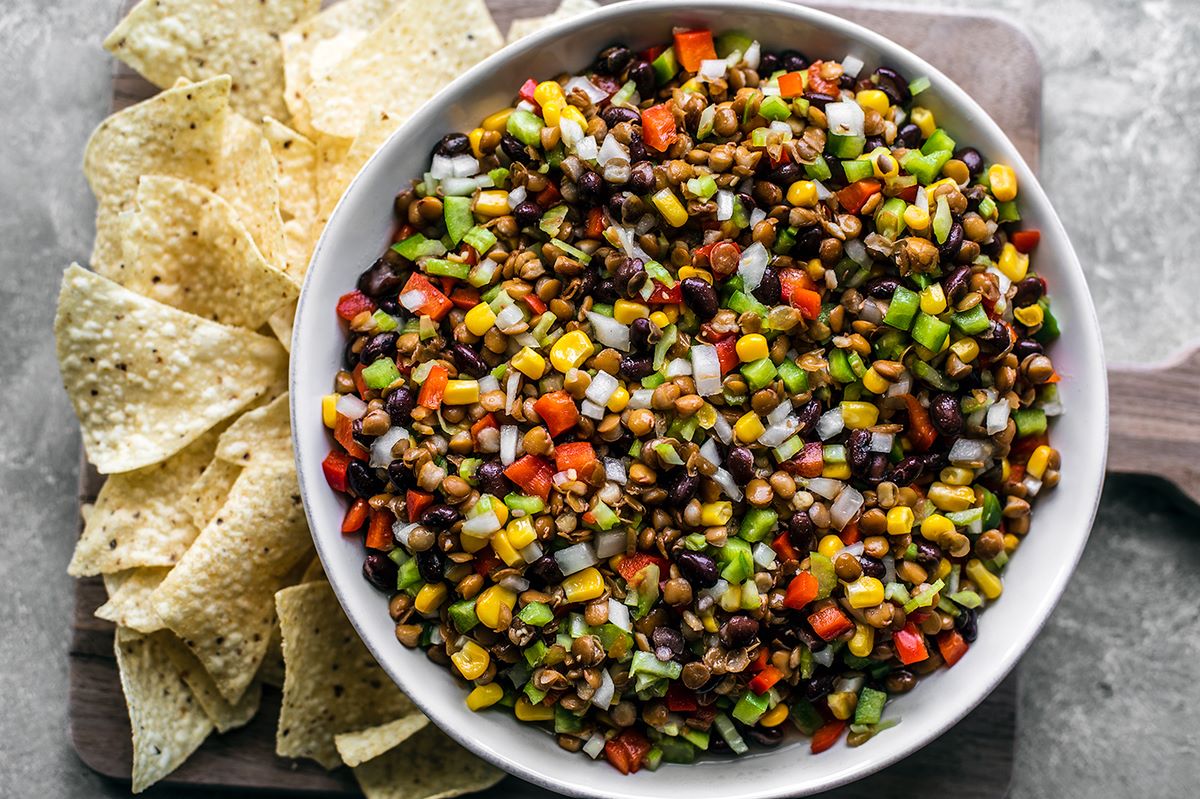
- Texas Caviar Recipe15 Minutes
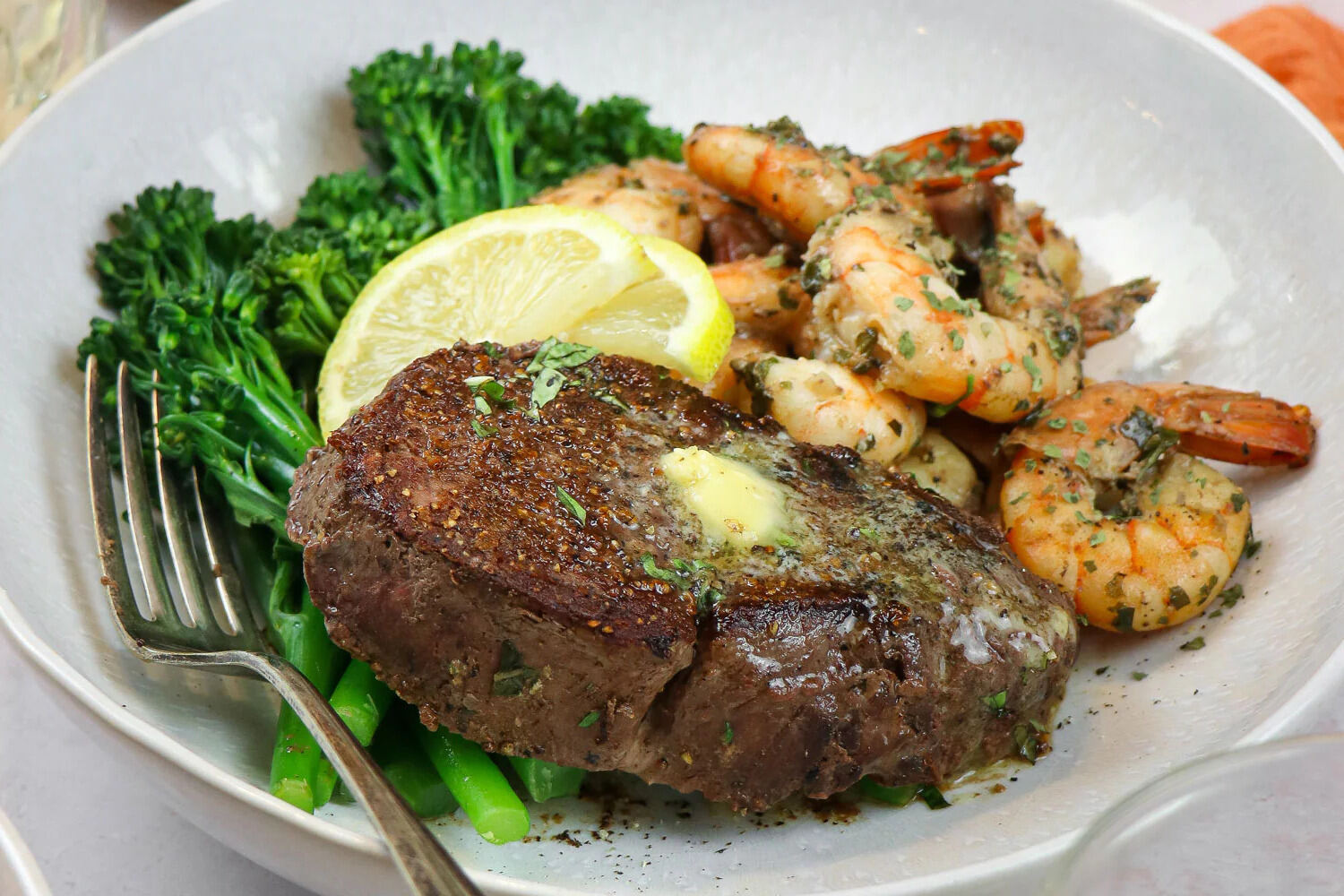
- Pan-Seared Filet Mignon Recipe25 Minutes
- Spanish Octopus Recipe1 Hours 20 Minutes
- Butternut Squash Lentil Stew Recipe1 Hours
- Spaghetti Casserole Recipe1 Hours








Leave a Reply