
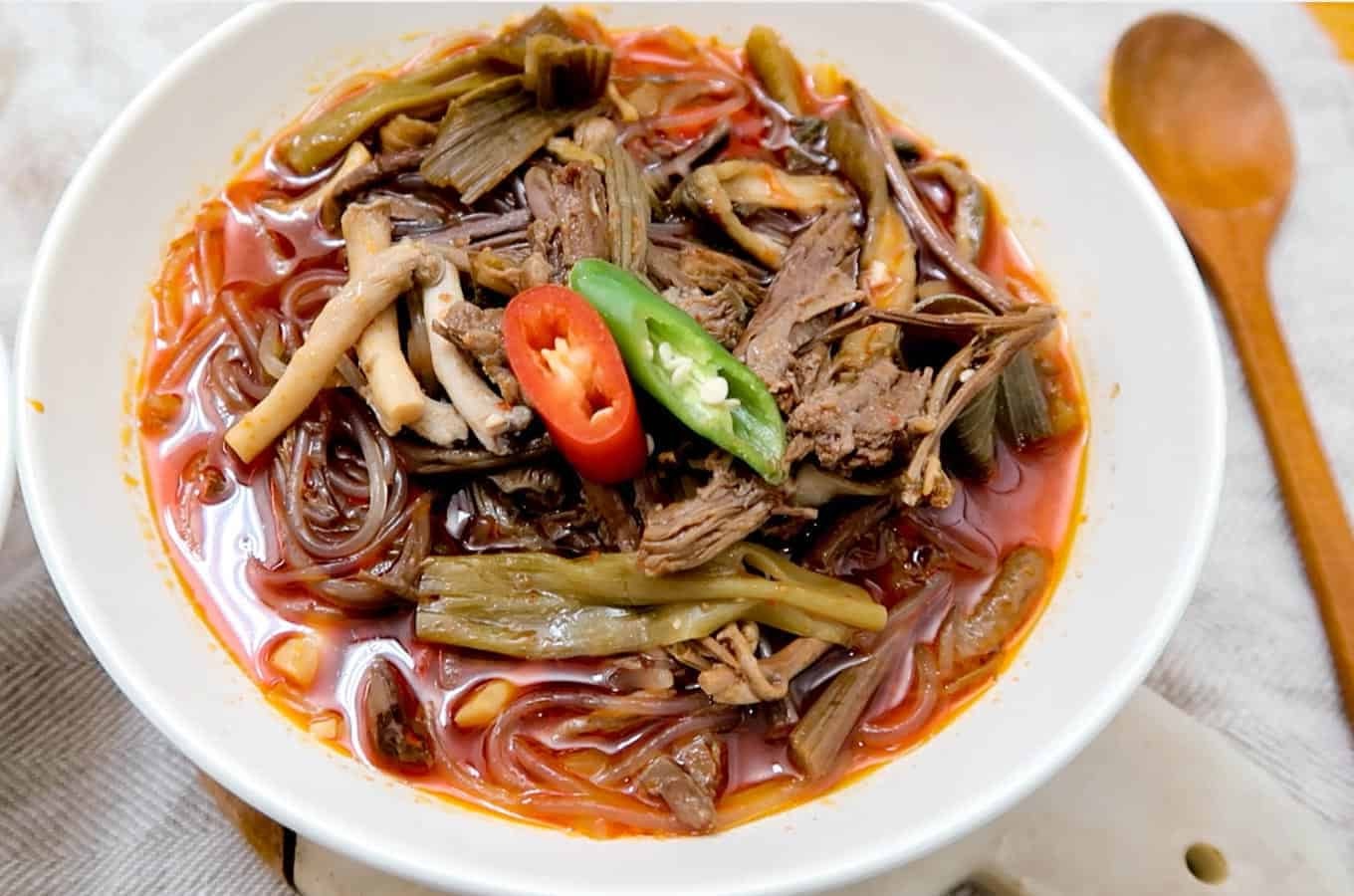
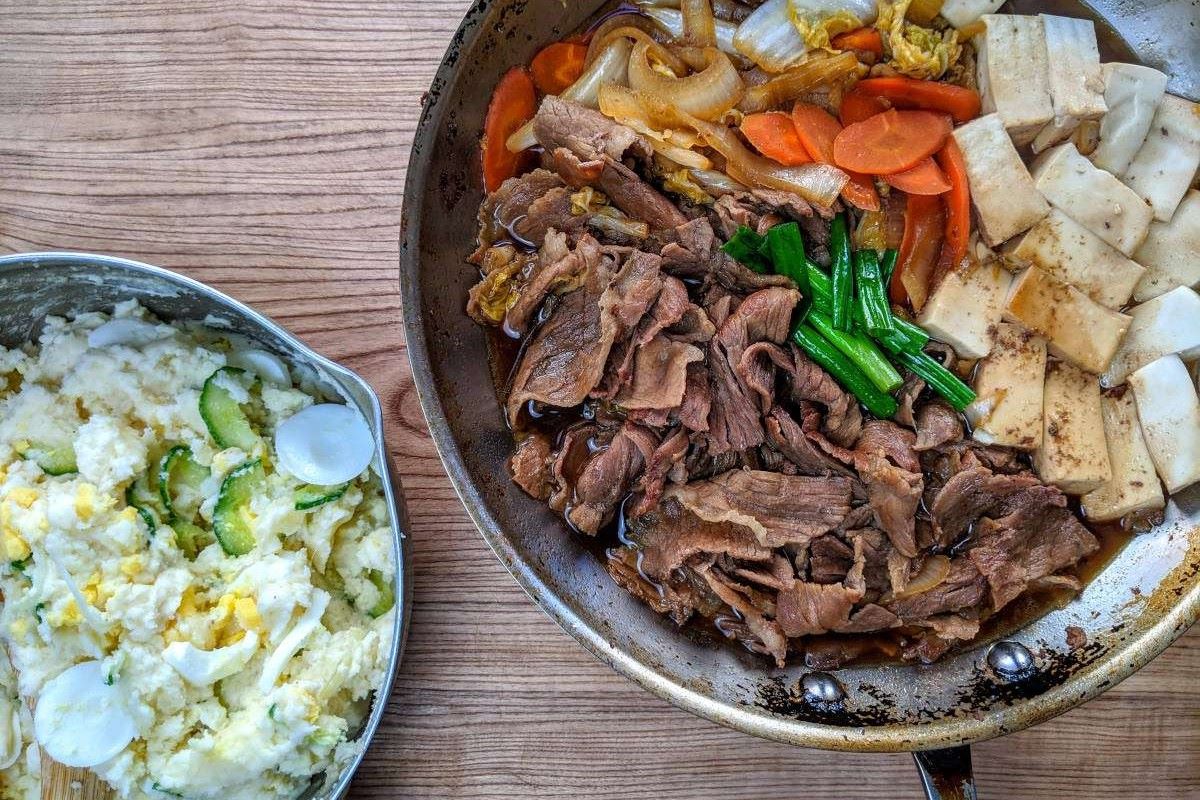
This hearty Korean beef stew is a perfect blend of savory and spicy flavors, making it an ideal comfort food for chilly days. The tender chunks of beef, combined with the rich broth and vegetables, create a satisfying and nourishing meal that will warm you from the inside out.
One ingredient you might not have readily available at home is gochujang, a Korean chili paste that adds a unique depth of flavor and heat to the stew. You can find it in the international aisle of most supermarkets or at an Asian grocery store. Make sure to pick up a good quality beef broth as well, as it forms the base of the stew's rich flavor.
Ingredients For Korean Beef Stew Recipe
Beef chuck: Cut into cubes, this is the main protein of the stew, providing a rich and hearty flavor.
Beef broth: Forms the base of the stew, adding depth and richness to the overall flavor.
Onion: Adds sweetness and a slight sharpness to the stew, balancing the flavors.
Garlic: Provides a pungent and aromatic flavor that enhances the overall taste.
Soy sauce: Adds a salty and umami flavor, essential for the stew's savory profile.
Gochujang: A Korean chili paste that adds heat and a unique depth of flavor.
Sesame oil: Adds a nutty and aromatic flavor, enhancing the overall taste of the stew.
Carrots: Adds sweetness and texture, complementing the other ingredients.
Potatoes: Provides a hearty and filling component, absorbing the flavors of the stew.
Salt: Enhances the overall flavor, used to taste.
Black pepper: Adds a slight heat and depth of flavor, used to taste.
Technique Tip for This Recipe
When browning the beef, make sure not to overcrowd the pot. Overcrowding can cause the meat to steam rather than brown, which will affect the flavor and texture of your stew. Brown the beef in batches if necessary to ensure each piece gets a nice, caramelized crust.
Suggested Side Dishes
Alternative Ingredients
beef chuck - Substitute with pork shoulder: Pork shoulder has a similar texture and fat content, making it a good alternative for a rich and hearty stew.
beef broth - Substitute with vegetable broth: Vegetable broth can provide a similar depth of flavor while keeping the dish lighter and suitable for vegetarians.
onion - Substitute with shallots: Shallots have a milder and sweeter flavor, which can add a subtle complexity to the stew.
garlic - Substitute with garlic powder: If fresh garlic is unavailable, garlic powder can provide a similar flavor, though it may be less pungent.
soy sauce - Substitute with tamari: Tamari is a gluten-free alternative to soy sauce with a similar umami flavor.
korean chili paste gochujang - Substitute with sriracha: Sriracha can provide a similar spicy and slightly sweet flavor, though it lacks the fermented depth of gochujang.
sesame oil - Substitute with olive oil: Olive oil can be used as a substitute, though it will not provide the same nutty flavor as sesame oil.
carrots - Substitute with parsnips: Parsnips have a similar texture and sweetness, making them a good alternative to carrots.
potatoes - Substitute with sweet potatoes: Sweet potatoes can add a different flavor profile and a touch of sweetness to the stew.
salt - Substitute with soy sauce: Soy sauce can add both saltiness and umami flavor, enhancing the overall taste of the stew.
black pepper - Substitute with white pepper: White pepper has a slightly different flavor but can provide a similar level of heat and spice.
Alternative Recipes Similar to This Dish
How to Store or Freeze This Dish
Allow the Korean beef stew to cool to room temperature before storing. This helps prevent condensation, which can lead to a watery stew.
Transfer the stew to an airtight container. For best results, use a container that is just the right size to minimize the amount of air inside.
If you plan to consume the stew within a few days, store it in the refrigerator. It will keep well for up to 3-4 days.
For longer storage, consider freezing the stew. Portion the stew into freezer-safe containers or heavy-duty freezer bags. This makes it easier to defrost only what you need.
Label the containers with the date and contents. This helps you keep track of how long the stew has been stored.
When freezing, leave some space at the top of the container to allow for expansion as the stew freezes.
To reheat, thaw the stew in the refrigerator overnight if frozen. Reheat on the stovetop over medium heat, stirring occasionally, until heated through. You can also reheat in the microwave, using a microwave-safe dish and stirring halfway through the heating process.
If the stew appears too thick after reheating, add a splash of beef broth or water to reach the desired consistency.
Enjoy your reheated Korean beef stew with freshly cooked rice or a side of kimchi for an authentic Korean meal experience.
How to Reheat Leftovers
Stovetop Method:
- Place the leftover Korean beef stew in a pot.
- Add a splash of beef broth or water to prevent it from drying out.
- Heat over medium-low heat, stirring occasionally, until the beef and vegetables are warmed through.
- Taste and adjust seasoning if necessary.
Microwave Method:
- Transfer the stew to a microwave-safe bowl.
- Cover with a microwave-safe lid or plastic wrap with a small vent.
- Heat on medium power for 2-3 minutes, stirring halfway through.
- Continue heating in 1-minute intervals until the stew is hot.
- Let it sit for a minute before serving to ensure even heat distribution.
Oven Method:
- Preheat your oven to 350°F (175°C).
- Place the leftover stew in an oven-safe dish.
- Cover with aluminum foil to retain moisture.
- Heat for 20-30 minutes, or until the stew is thoroughly warmed.
- Stir halfway through to ensure even heating.
Slow Cooker Method:
- Transfer the leftover stew to your slow cooker.
- Set to low heat and cover.
- Heat for 1-2 hours, stirring occasionally, until the stew is hot.
- This method is great for maintaining the flavor and texture of the stew.
Double Boiler Method:
- Fill the bottom part of a double boiler with water and bring to a simmer.
- Place the leftover stew in the top part of the double boiler.
- Cover and heat, stirring occasionally, until the stew is hot.
- This gentle method helps prevent overcooking the beef and vegetables.
Best Tools for This Recipe
Large pot: Essential for browning the beef and simmering the stew, ensuring even cooking and flavor development.
Wooden spoon: Ideal for stirring the ingredients without scratching the pot.
Chef's knife: Necessary for chopping the onion, mincing the garlic, and cutting the beef, carrots, and potatoes into desired sizes.
Cutting board: Provides a safe and clean surface for all your chopping and slicing tasks.
Measuring cups: Used to accurately measure the beef broth and sliced vegetables.
Measuring spoons: Ensures precise measurement of soy sauce, gochujang, sesame oil, salt, and pepper.
Ladle: Useful for serving the stew once it’s ready.
Tongs: Handy for turning and browning the beef cubes evenly.
Garlic press: Convenient for mincing the garlic cloves quickly and efficiently.
Peeler: Helps in peeling the carrots and potatoes smoothly.
Timer: Keeps track of the simmering time to ensure the stew is cooked perfectly.
How to Save Time on Making This Dish
Prep ingredients in advance: Chop the onion, garlic, carrots, and potatoes ahead of time and store them in airtight containers.
Use a pressure cooker: Cut down the simmering time by using a pressure cooker instead of a regular pot.
Pre-brown the beef: Brown the beef chuck cubes in batches and store them in the fridge until ready to use.
Double the recipe: Make a larger batch and freeze portions for quick meals later.
Instant broth: Use pre-made beef broth to save time on making your own.
Korean Beef Stew Recipe
Ingredients
Main Ingredients
- 1 lb Beef Chuck cut into cubes
- 2 cups Beef Broth
- 1 Onion chopped
- 3 cloves Garlic minced
- 2 tablespoon Soy Sauce
- 1 tablespoon Gochujang Korean chili paste
- 1 tablespoon Sesame Oil
- 2 cups Carrots sliced
- 2 cups Potatoes cubed
- 1 teaspoon Salt to taste
- 1 teaspoon Black Pepper to taste
Instructions
- 1. Heat sesame oil in a large pot over medium heat.
- 2. Add beef and brown on all sides.
- 3. Add onion and garlic, cook until softened.
- 4. Stir in soy sauce and gochujang.
- 5. Pour in beef broth and bring to a boil.
- 6. Reduce heat, cover, and simmer for 1 hour.
- 7. Add carrots and potatoes, cook until tender.
- 8. Season with salt and pepper to taste.
Nutritional Value
Keywords
Suggested Appetizers and Desserts
More Amazing Recipes to Try 🙂
- Tater Tot Breakfast Casserole Recipe1 Hours
- Finnish Pannu Kakku Recipe40 Minutes
- Sous Vide Hard Boiled Eggs Recipe1 Hours 5 Minutes
- Moong Dal Recipe40 Minutes
- Mushroom Scallion and Cheese Omelet Recipe15 Minutes
- Orange Vinaigrette Recipe10 Minutes
- Reuben Casserole Recipe1 Hours
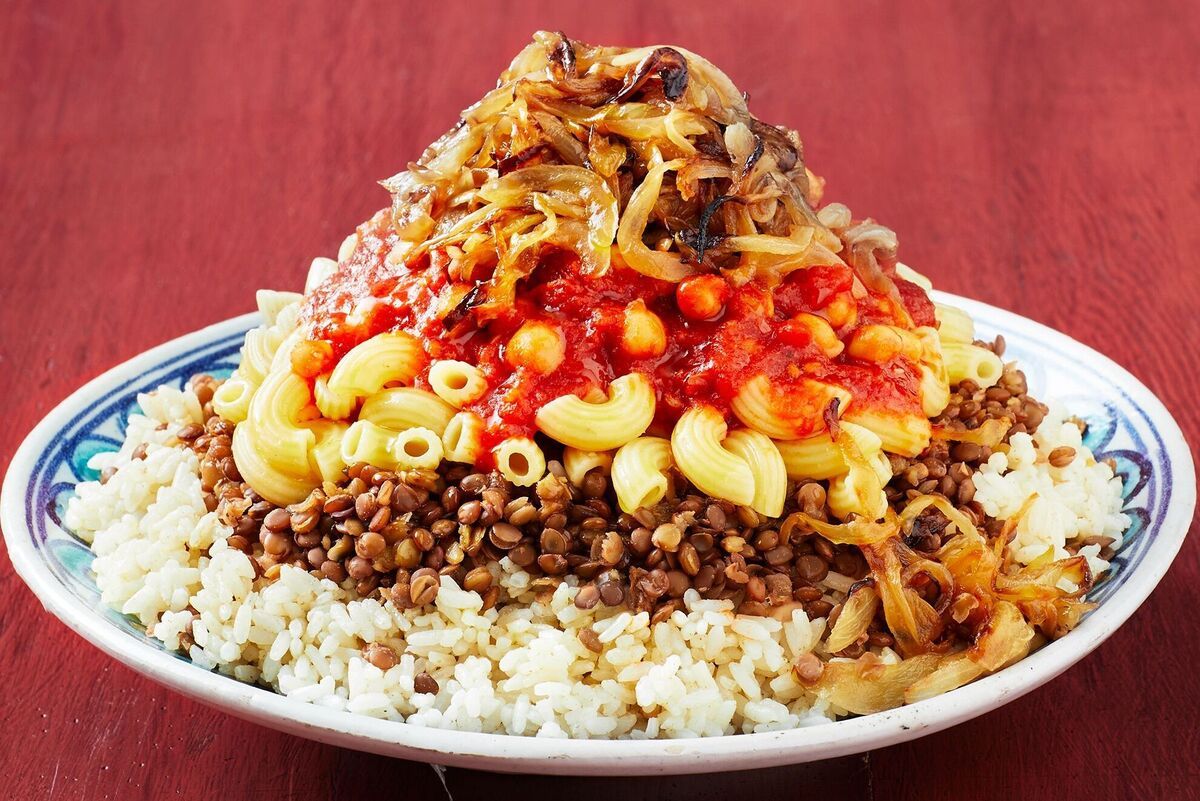
- Egyptian Koshari Recipe1 Hours






Leave a Reply