

Japanese curry is a comforting and flavorful dish that combines tender pieces of chicken, vegetables, and a rich, savory curry roux. Using an Instant Pot makes this recipe quick and easy, perfect for a weeknight dinner.
The key ingredient in this recipe is the Japanese curry roux, which might not be a staple in every household. This roux is a blend of spices and seasonings that create the unique flavor of Japanese curry. You can find it in the international aisle of most supermarkets or at Asian grocery stores.
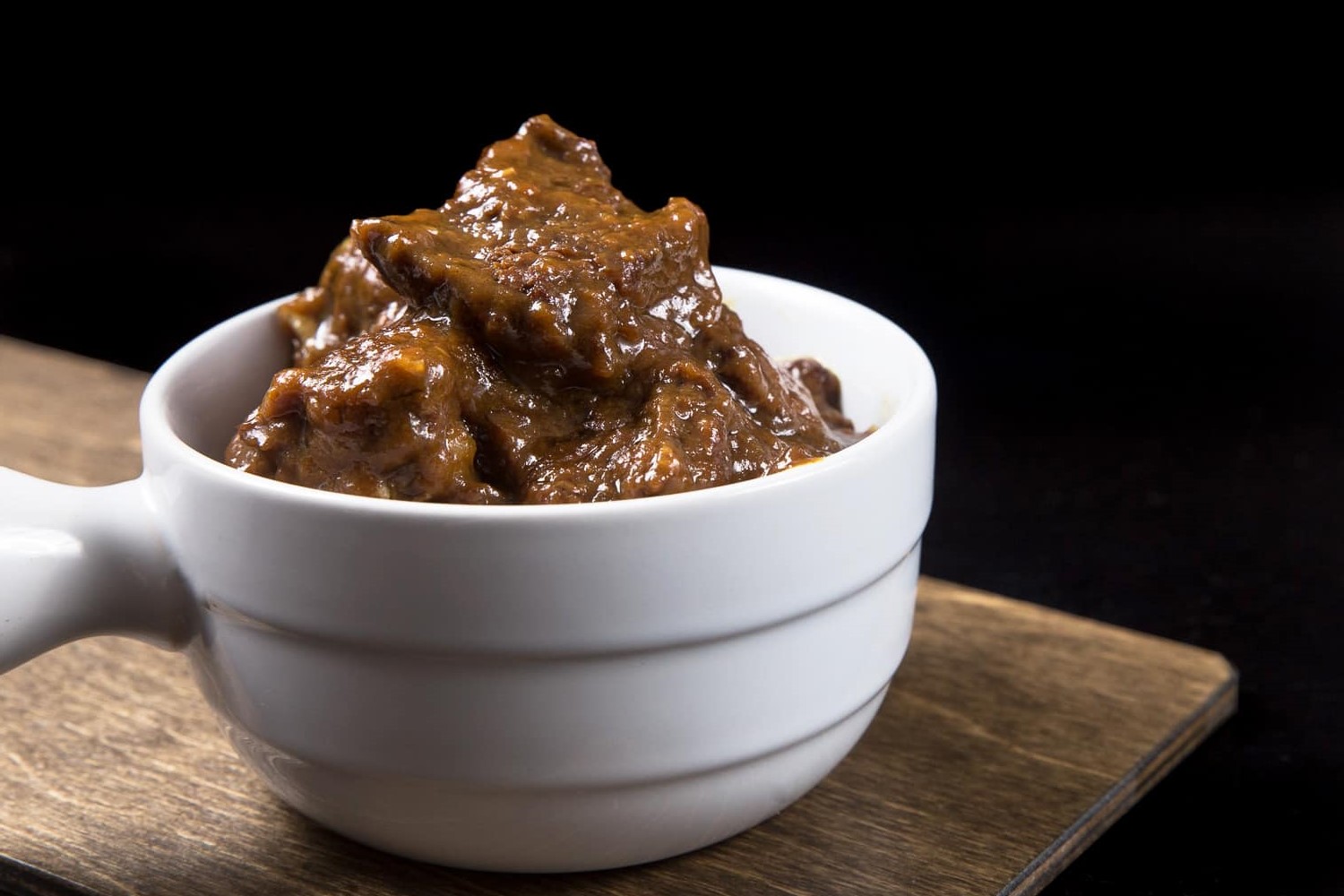
Ingredients For Instant Pot Japanese Curry Recipe
Chicken thighs: Tender and flavorful, these are cut into bite-sized pieces for even cooking.
Onion: Adds sweetness and depth to the curry.
Carrots: Provide a subtle sweetness and texture.
Potatoes: Add heartiness and help thicken the curry.
Water: Used to cook the ingredients and create the curry base.
Japanese curry roux: The star ingredient that gives the curry its distinctive flavor and thickness.
Technique Tip for This Recipe
When sautéing the onions in the Instant Pot, make sure to cook them until they are fully translucent and slightly caramelized. This will enhance the sweetness and depth of flavor in your Japanese curry. Additionally, when adding the curry roux at the end, break it into smaller pieces before stirring it into the hot liquid. This will help it dissolve more quickly and evenly, ensuring a smooth and well-incorporated sauce.
Suggested Side Dishes
Alternative Ingredients
chicken thighs - Substitute with chicken breast: Chicken breast is leaner and will provide a slightly different texture but still works well in the curry.
chicken thighs - Substitute with tofu: For a vegetarian option, tofu can absorb the flavors of the curry and provide a similar protein content.
large onion - Substitute with shallots: Shallots have a milder flavor and can add a subtle sweetness to the curry.
large onion - Substitute with leeks: Leeks offer a more delicate and slightly sweet flavor that can complement the curry well.
medium carrots - Substitute with parsnips: Parsnips have a similar texture to carrots but offer a slightly sweeter and nuttier flavor.
medium carrots - Substitute with sweet potatoes: Sweet potatoes add a different kind of sweetness and a creamy texture to the curry.
medium potatoes - Substitute with cauliflower: Cauliflower can provide a similar texture and absorb the curry flavors well, making it a good low-carb alternative.
medium potatoes - Substitute with turnips: Turnips have a slightly peppery taste and can hold their shape well in the curry.
water - Substitute with chicken broth: Chicken broth adds more depth and richness to the curry compared to plain water.
water - Substitute with vegetable broth: For a vegetarian option, vegetable broth can enhance the flavor of the curry.
japanese curry roux - Substitute with homemade curry paste: A homemade curry paste made from a mix of spices, flour, and butter can replicate the flavor and texture of the store-bought roux.
japanese curry roux - Substitute with Indian curry powder and cornstarch: Indian curry powder can provide a similar flavor profile, and cornstarch can help thicken the curry.
Other Alternative Recipes
How to Store or Freeze This Dish
- Allow the Japanese curry to cool to room temperature before storing. This prevents condensation, which can lead to soggy vegetables and diluted flavors.
- Transfer the cooled curry into airtight containers. For best results, use containers that are the right size for your portions to minimize air exposure.
- Label each container with the date and contents. This helps you keep track of how long the curry has been stored and ensures you use it within a safe timeframe.
- Store the containers in the refrigerator if you plan to consume the curry within 3-4 days. This keeps the chicken and vegetables fresh and flavorful.
- For longer storage, place the containers in the freezer. The curry can be frozen for up to 3 months without significant loss of taste or texture.
- When ready to reheat, thaw the frozen curry in the refrigerator overnight. This gradual thawing helps maintain the integrity of the potatoes and carrots.
- Reheat the curry in a saucepan over medium heat, stirring occasionally to prevent sticking. Add a splash of water or chicken broth if the curry appears too thick.
- Alternatively, you can reheat individual portions in the microwave. Use a microwave-safe container, cover loosely, and heat in 1-minute intervals, stirring in between, until hot.
- If the curry has thickened too much during storage, adjust the consistency by adding a bit of water or broth while reheating.
- Serve the reheated curry over fresh rice for a comforting and delicious meal.
How to Reheat Leftovers
For stovetop reheating:
- Place the leftover Japanese curry in a saucepan.
- Add a splash of water or chicken broth to loosen the curry if it has thickened too much.
- Heat over medium-low heat, stirring occasionally to prevent sticking.
- Once the curry is heated through and bubbling gently, serve hot over fresh rice.
For microwave reheating:
- Transfer the leftover Japanese curry to a microwave-safe container.
- Cover the container with a microwave-safe lid or a damp paper towel to retain moisture.
- Heat on medium power for 2-3 minutes, stirring halfway through to ensure even heating.
- If needed, heat for an additional 1-2 minutes until the curry is hot throughout.
- Serve over rice and enjoy.
For Instant Pot reheating:
- Add the leftover Japanese curry back into the Instant Pot.
- Set the Instant Pot to the sauté mode and add a bit of water or chicken broth to prevent sticking.
- Stir occasionally as the curry heats up.
- Once the curry is hot and bubbling, switch off the sauté mode.
- Serve immediately over rice.
For oven reheating:
- Preheat your oven to 350°F (175°C).
- Transfer the leftover Japanese curry to an oven-safe dish.
- Cover the dish with aluminum foil to prevent the curry from drying out.
- Bake for 20-25 minutes, or until the curry is heated through.
- Stir the curry halfway through the baking time for even heating.
- Serve hot over rice.
Best Tools for This Recipe
Instant Pot: This is the primary cooking device used to sauté, pressure cook, and simmer the curry.
Sauté function: A feature on the Instant Pot that allows you to brown the onions and chicken before pressure cooking.
Pressure cooker lid: The lid used to seal the Instant Pot, enabling it to build pressure for cooking.
Quick release valve: A mechanism on the Instant Pot lid that allows you to quickly release the pressure after cooking.
Measuring cup: Used to measure the 3 cups of water accurately.
Knife: Essential for chopping the onions, slicing the carrots, and cubing the potatoes.
Cutting board: A surface to safely chop and prepare the vegetables and chicken.
Wooden spoon: Used for stirring the ingredients in the Instant Pot.
Peeler: Used to peel the potatoes before cubing them.
Rice cooker: Optional but useful for cooking the rice to serve with the curry.
Serving spoon: Used to serve the curry over the rice.
How to Save Time on Making This Recipe
Prep ingredients in advance: Chop the onion, carrots, and potatoes ahead of time and store them in the fridge.
Use pre-cut chicken: Buy pre-cut chicken thighs to save time on cutting.
Instant pot settings: Familiarize yourself with the Instant Pot settings to quickly switch between modes.
Quick release: Use the quick release method to save time on pressure release.
Ready-made curry roux: Use a package of Japanese curry roux for convenience instead of making it from scratch.
Instant Pot Japanese Curry Recipe
Ingredients
Main Ingredients
- 1 lb Chicken thighs, cut into bite-sized pieces
- 1 large Onion, chopped
- 2 medium Carrots, sliced
- 2 medium Potatoes, peeled and cubed
- 3 cups Water
- 1 package Japanese curry roux
Instructions
- 1. Set the Instant Pot to sauté mode and add a bit of oil.
- 2. Add the chopped onions and sauté until translucent.
- 3. Add the chicken and cook until browned.
- 4. Add the carrots, potatoes, and water. Stir to combine.
- 5. Close the lid and set the Instant Pot to high pressure for 15 minutes.
- 6. Once the cooking time is up, do a quick release of the pressure.
- 7. Open the lid and add the curry roux. Stir until the roux is fully dissolved and the curry has thickened.
- 8. Serve hot over rice.
Nutritional Value
Keywords
Suggested Appetizers and Desserts
More Amazing Recipes to Try 🙂
- Slow Cooker Sausage Recipe4 Hours 10 Minutes
- Chicken Biryani Recipe1 Hours 15 Minutes
- Marinated Tuna Steak Recipe20 Minutes
- Cassava Flour Tortillas Recipe20 Minutes
- Grilled Yellowfin Tuna Recipe18 Minutes
- Hoe Cake Recipe25 Minutes
- Blood Orange Cheesecake Recipe1 Hours 20 Minutes
- Barbacoa Meat Recipe8 Hours 20 Minutes









Leave a Reply