
Creating a sourdough starter is a rewarding process that allows you to bake delicious, homemade bread with a unique flavor. This simple recipe requires just two ingredients and a bit of patience, resulting in a lively starter that can be used for various baking projects.
The main ingredients for this sourdough starter recipe are whole wheat flour and all-purpose flour. While whole wheat flour might not be a staple in every pantry, it can be easily found in the baking aisle of most supermarkets. Make sure to use unbleached all-purpose flour for the best results.
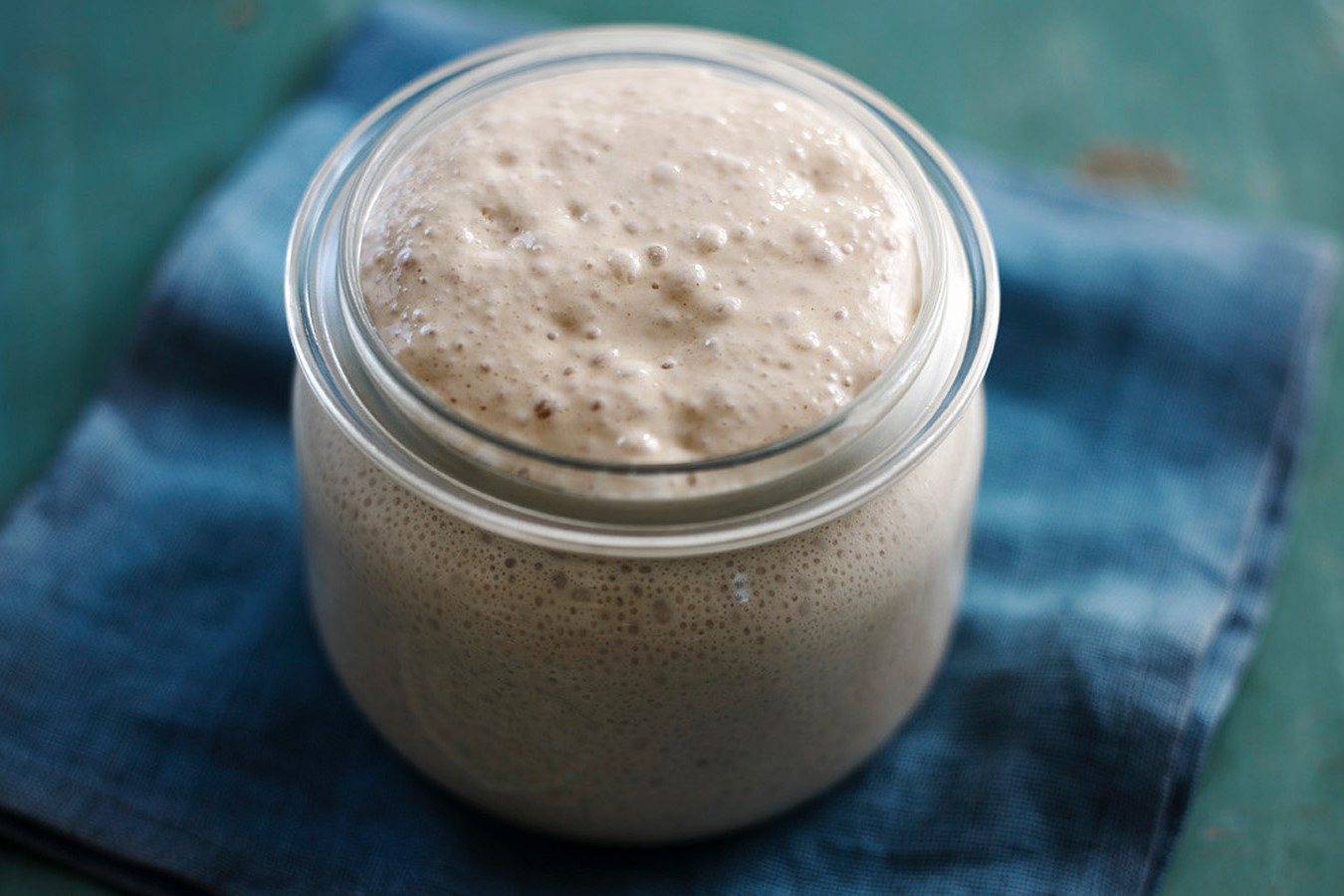
Ingredients For Sourdough Starter Recipe
Whole wheat flour: Provides the natural yeast and bacteria needed to start the fermentation process.
All-purpose flour: Used to feed the starter after the initial fermentation, maintaining its growth and activity.
Water: Essential for hydrating the flour and creating the right environment for fermentation.
Technique Tip for Sourdough Starter
When feeding your sourdough starter, ensure the water is at room temperature. Using water that is too hot or too cold can inhibit the natural fermentation process. Additionally, always use a wooden spoon or a non-reactive utensil to stir, as metal can react with the starter and affect its growth.
Suggested Side Dishes
Alternative Ingredients
whole wheat flour - Substitute with rye flour: Rye flour has a similar nutrient profile and fermentation properties, making it an excellent alternative for a sourdough starter.
whole wheat flour - Substitute with all-purpose flour: All-purpose flour can be used, though it may not have the same nutrient density, it still supports the fermentation process.
whole wheat flour - Substitute with spelt flour: Spelt flour is another whole grain option that provides a similar texture and nutritional benefits.
room temperature water - Substitute with filtered water: Filtered water ensures that no chlorine or impurities interfere with the fermentation process.
room temperature water - Substitute with bottled spring water: Bottled spring water is free from additives and minerals that might affect the starter's growth.
room temperature water - Substitute with distilled water: Distilled water is pure and free from any minerals or chemicals that could hinder the fermentation process.
Alternative Recipes Similar to Sourdough Starter
How to Store or Freeze Sourdough Starter
To keep your sourdough starter thriving, store it in a glass jar with a loose-fitting lid. This allows the natural gases to escape while keeping contaminants out.
If you plan to use your starter frequently, keep it at room temperature. Feed it daily with equal parts of all-purpose flour and water to maintain its bubbly vigor.
For less frequent use, store the starter in the refrigerator. Feed it once a week by discarding half and adding fresh flour and water. This slows down the fermentation process, keeping your starter alive but dormant.
When you’re ready to bake, take the starter out of the fridge and let it come to room temperature. Feed it as usual and wait for it to become active and bubbly before using it in your bread recipes.
If you need to take a break from baking, you can freeze your starter. First, feed it and let it become active. Then, spread a thin layer on a parchment-lined baking sheet and let it dry completely. Once dry, break it into pieces and store in an airtight container in the freezer.
To revive a frozen starter, rehydrate the dried pieces in equal parts of water and flour. Stir well and let it sit at room temperature. Feed it daily until it becomes bubbly and active again.
Always use a clean spoon and jar to avoid contamination. Your starter is a living culture, and cleanliness is key to keeping it healthy.
If you notice any off smells, mold, or discoloration, it’s best to discard the starter and begin anew. A healthy starter should smell pleasantly tangy and be free of any unusual growths.
For a more robust flavor, you can experiment with different types of flour, such as rye or spelt. Just remember to maintain the 1:1 ratio of flour to water during feedings.
Keep an eye on the temperature of your kitchen. Starters thrive best between 70-75°F (21-24°C). If it’s too cold, the fermentation will slow down; too hot, and it might ferment too quickly.
If you’re traveling or unable to feed your starter for an extended period, consider drying a portion of it as a backup. This way, you can easily revive it when you’re ready to bake again.
How to Reheat Leftovers
Preheat your oven to 350°F (175°C). Place the sourdough starter in an oven-safe dish, cover it with aluminum foil to prevent it from drying out, and heat for about 10-15 minutes until it reaches your desired temperature.
For a quicker method, use a microwave. Transfer the sourdough starter to a microwave-safe bowl, cover it with a microwave-safe lid or a damp paper towel, and heat on medium power in 30-second intervals, stirring in between, until it’s warmed through.
If you prefer a stovetop method, pour the sourdough starter into a small saucepan. Heat it over low to medium heat, stirring frequently to ensure even heating. This method helps maintain the texture and prevents any burning.
For a more controlled reheating, use a double boiler. Place the sourdough starter in a heatproof bowl over a pot of simmering water. Stir occasionally until it’s warmed to your liking. This gentle method prevents overheating and preserves the starter’s consistency.
If you have a sous-vide machine, seal the sourdough starter in a vacuum bag or a resealable plastic bag, removing as much air as possible. Submerge the bag in a water bath set to 140°F (60°C) and heat for about 20-30 minutes. This method ensures even heating without any risk of overcooking.
Essential Tools for Making Sourdough Starter
Glass jar: A transparent container that allows you to monitor the progress of your sourdough starter.
Wooden spoon: Ideal for stirring the mixture without reacting with the acidic environment of the starter.
Measuring cup: Ensures precise measurement of flour and water for consistent results.
Loose cover: A breathable cover like a cloth or paper towel that allows air circulation while keeping contaminants out.
Room thermometer: Helps you ensure the environment is at the right temperature for fermentation.
Rubber band: Useful for marking the level of the starter to track its growth.
Time-Saving Tips for Making Sourdough Starter
Use warm water: Warm water can speed up the fermentation process, helping your sourdough starter become active more quickly.
Pre-measure ingredients: Measure out your whole wheat flour and all-purpose flour in advance to streamline the feeding process.
Keep a consistent schedule: Feed your starter at the same time each day to maintain a routine and ensure you don't forget.
Use a clear jar: A clear glass jar allows you to easily monitor the bubbles and activity without opening the lid.
Label your jar: Mark the jar with the date and time of each feeding to keep track of your starter's progress.
Sourdough Starter Recipe
Ingredients
Main Ingredients
- 1 cup Whole wheat flour
- 1 cup Water Room temperature
Instructions
- Day 1: In a glass jar, mix 1 cup of whole wheat flour with 1 cup of water. Stir well with a wooden spoon. Cover loosely and let it sit at room temperature for 24 hours.
- Day 2: Check for bubbles. If present, discard half of the mixture and add 1 cup of all-purpose flour and 1 cup of water. Stir well, cover loosely, and let sit for another 24 hours.
- Day 3-5: Repeat the process of discarding half and feeding with 1 cup of all-purpose flour and 1 cup of water every 24 hours. By day 5, your starter should be bubbly and ready to use.
Nutritional Value
Keywords
More Amazing Recipes to Try 🙂
- Slow Cooker Ground Beef Barbecue Recipe8 Hours 15 Minutes
- Palak Paneer Recipe45 Minutes
- Banana Foster Parfait Recipe20 Minutes
- Puttanesca Recipe30 Minutes
- Chicken and Chorizo Pasta Bake Recipe45 Minutes
- Pistachio Baklava Recipe1 Hours 15 Minutes
- Roasted Leg of Pork Recipe2 Hours 20 Minutes
- Raspberry Ripple Ice Cream Recipe4 Hours









Leave a Reply