

This delightful Indian sabji recipe brings together a medley of vegetables and aromatic spices to create a flavorful and nutritious dish. Perfect for a weeknight dinner or a special occasion, this recipe is both simple to prepare and deeply satisfying. The combination of cumin seeds, turmeric powder, and garam masala infuses the vegetables with rich, complex flavors that will transport your taste buds straight to India.
Some ingredients in this recipe might not be commonly found in every household. Garam masala is a blend of ground spices used extensively in Indian cuisine and can be found in the spice aisle of most supermarkets. Cumin seeds add a distinctive earthy flavor and are also available in the spice section. If you don't have turmeric powder or red chili powder, you can find them in the international foods aisle or spice section.

Ingredients For Indian Sabji Recipe
Oil: Used for sautéing the ingredients and adding richness to the dish.
Cumin seeds: Adds a warm, earthy flavor and is a staple in Indian cooking.
Onions: Provides a sweet and savory base for the sabji.
Tomatoes: Adds acidity and sweetness, balancing the flavors.
Mixed vegetables: A combination of carrots, peas, and potatoes for a variety of textures and flavors.
Turmeric powder: Adds a warm, slightly bitter flavor and a vibrant yellow color.
Red chili powder: Adds heat and a deep red color to the dish.
Garam masala: A blend of spices that adds depth and complexity.
Salt: Enhances the flavors of all the ingredients.
Coriander leaves: Fresh and aromatic, used for garnishing.
Technique Tip for This Recipe
When sautéing the onions, ensure they turn a deep golden brown to enhance the flavor base of the sabji. This caramelization process brings out the natural sweetness of the onions and adds a rich depth to the dish.
Suggested Side Dishes
Alternative Ingredients
oil - Substitute with ghee: Ghee adds a rich, buttery flavor and is commonly used in Indian cooking.
cumin seeds - Substitute with caraway seeds: Caraway seeds have a similar earthy flavor and can be used in place of cumin seeds.
chopped onions - Substitute with shallots: Shallots provide a milder, sweeter taste compared to onions.
chopped tomatoes - Substitute with tomato puree: Tomato puree can be used to achieve a similar consistency and flavor.
mixed vegetables - Substitute with frozen mixed vegetables: Frozen mixed vegetables are convenient and often contain a similar mix of carrots, peas, and potatoes.
turmeric powder - Substitute with saffron: Saffron can provide a similar color and a unique flavor, though it is more expensive.
red chili powder - Substitute with cayenne pepper: Cayenne pepper has a similar heat level and can be used as a direct substitute.
garam masala - Substitute with curry powder: Curry powder can provide a similar blend of spices, though the flavor profile may differ slightly.
salt - Substitute with soy sauce: Soy sauce can add a salty and umami flavor, though it will also add a bit of liquid to the dish.
chopped coriander leaves - Substitute with parsley: Parsley can provide a fresh, green flavor similar to coriander leaves.
Other Alternative Recipes
How to Store / Freeze Your Dish
Allow the sabji to cool completely at room temperature before storing. This prevents condensation and helps maintain the texture of the vegetables.
Transfer the cooled sabji into an airtight container. Ensure the container is clean and dry to avoid any contamination.
Label the container with the date of preparation. This helps in keeping track of freshness and ensures you consume it within a safe period.
Store the container in the refrigerator if you plan to consume the sabji within 3-4 days. The cool temperature will keep the vegetables fresh and flavorful.
For longer storage, place the container in the freezer. The sabji can be frozen for up to 2-3 months without losing its taste and nutritional value.
When ready to use, thaw the sabji in the refrigerator overnight. This gradual thawing process helps retain the texture and flavor of the vegetables.
Reheat the sabji in a pan over medium heat. Add a splash of water if needed to prevent it from drying out and to help it heat evenly.
Stir occasionally to ensure the sabji is heated through. Taste and adjust the seasoning if necessary, as freezing can sometimes dull the flavors.
Serve the reheated sabji hot, garnished with fresh coriander leaves for an added burst of freshness.
How to Reheat Leftovers
For stovetop reheating, place the Indian sabji in a non-stick pan. Add a splash of water to prevent it from drying out. Heat on medium, stirring occasionally, until warmed through.
To reheat in the microwave, transfer the sabji to a microwave-safe dish. Cover with a microwave-safe lid or plate to retain moisture. Heat on high for 2-3 minutes, stirring halfway through to ensure even heating.
If you prefer using an oven, preheat it to 350°F (175°C). Place the sabji in an oven-safe dish, cover with aluminum foil, and bake for about 15-20 minutes or until hot.
For a quick reheat using a steamer, place the sabji in a heatproof bowl. Set the bowl in a steamer basket over boiling water. Cover and steam for about 5-7 minutes or until heated through.
To reheat using an air fryer, preheat the air fryer to 350°F (175°C). Place the sabji in the air fryer basket, ensuring it is spread out evenly. Heat for 5-7 minutes, shaking the basket halfway through to ensure even heating.
Essential Tools for This Recipe
Pan: A wide, flat-bottomed cooking vessel used for sautéing and cooking the vegetables evenly.
Spatula: A tool used for stirring and mixing the ingredients in the pan.
Knife: Essential for chopping the onions, tomatoes, and other vegetables.
Cutting board: A surface used for chopping and preparing the vegetables.
Measuring spoons: Used to measure the exact quantities of spices like cumin seeds, turmeric powder, red chili powder, and garam masala.
Measuring cups: Used to measure the chopped onions, tomatoes, and mixed vegetables accurately.
Lid: Used to cover the pan while the vegetables are cooking to ensure they become tender.
Serving spoon: Used to serve the sabji once it is cooked and garnished.
How to Save Time on This Recipe
Prep ingredients in advance: Chop onions, tomatoes, and mixed vegetables ahead of time and store them in airtight containers.
Use frozen vegetables: Opt for pre-cut frozen mixed vegetables to save chopping time.
Cook in bulk: Double the recipe and store extra sabji in the fridge for quick meals later.
One-pot cooking: Use a single pan to reduce cleanup time.
Pre-measure spices: Measure out turmeric powder, red chili powder, and garam masala before starting to cook.
Indian Sabji Recipe
Ingredients
Main Ingredients
- 2 tablespoon Oil
- 1 teaspoon Cumin Seeds
- 1 cup Chopped Onions
- 1 cup Chopped Tomatoes
- 2 cups Mixed Vegetables (carrots, peas, potatoes)
- 1 teaspoon Turmeric Powder
- 1 teaspoon Red Chili Powder
- 1 teaspoon Garam Masala
- to taste Salt
- 2 tablespoon Chopped Coriander Leaves
Instructions
- Heat oil in a pan.
- Add cumin seeds and let them splutter.
- Add chopped onions and sauté until golden brown.
- Add chopped tomatoes and cook until soft.
- Add mixed vegetables, turmeric powder, red chili powder, and salt. Mix well.
- Cover and cook on low heat until vegetables are tender.
- Add garam masala and mix well.
- Garnish with chopped coriander leaves and serve hot.
Nutritional Value
Keywords
Suggested Appetizers and Desserts
More Amazing Recipes to Try 🙂
- Hawaiian Chicken Recipe45 Minutes
- Quiche Florentine Recipe1 Hours
- Healthier Chicken Enchiladas Recipe50 Minutes
- Tuscan Chicken Pasta Recipe40 Minutes
- Pork Steaks Recipe30 Minutes
- Slow Cooker Sausage Recipe4 Hours 10 Minutes
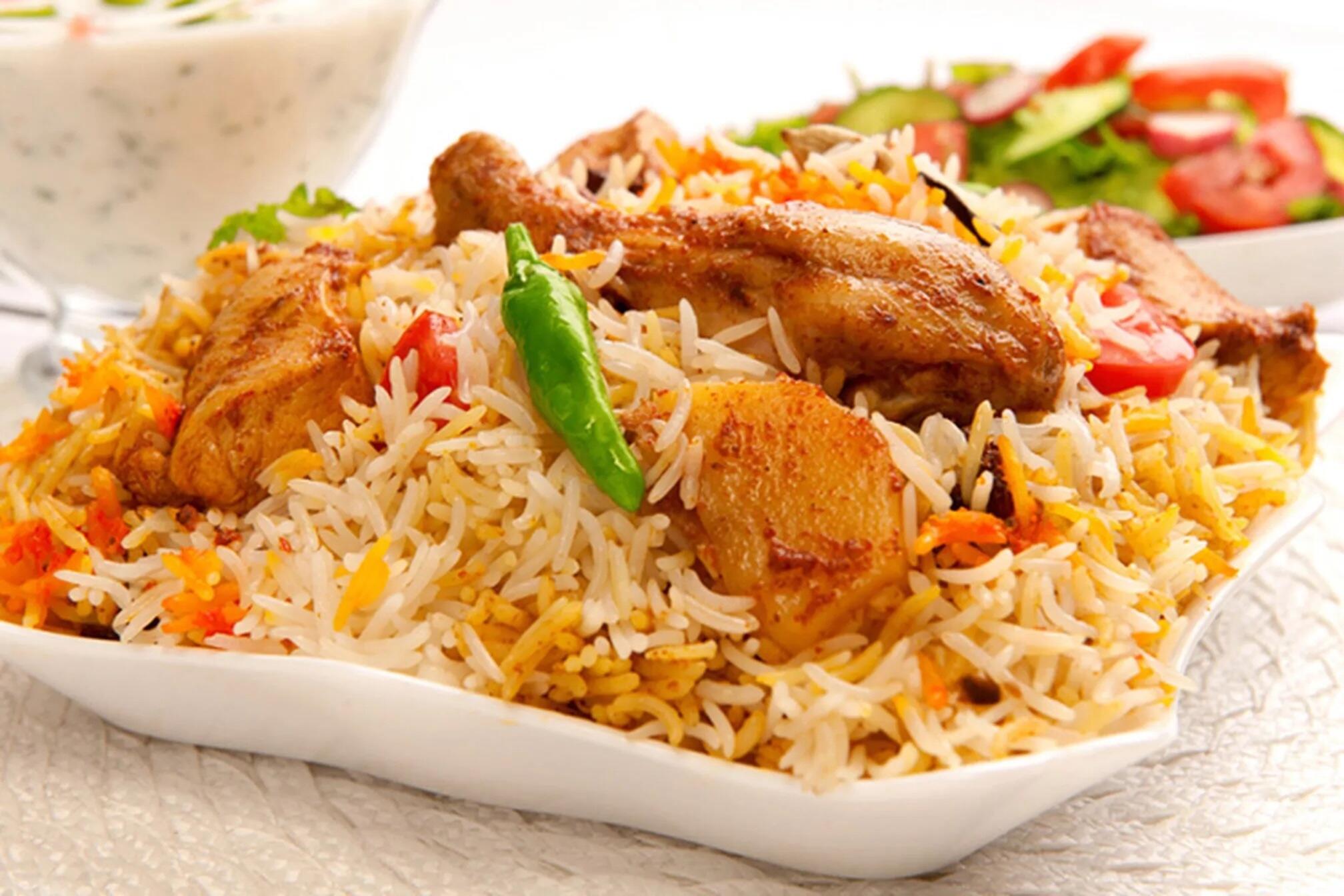
- Chicken Biryani Recipe1 Hours 15 Minutes
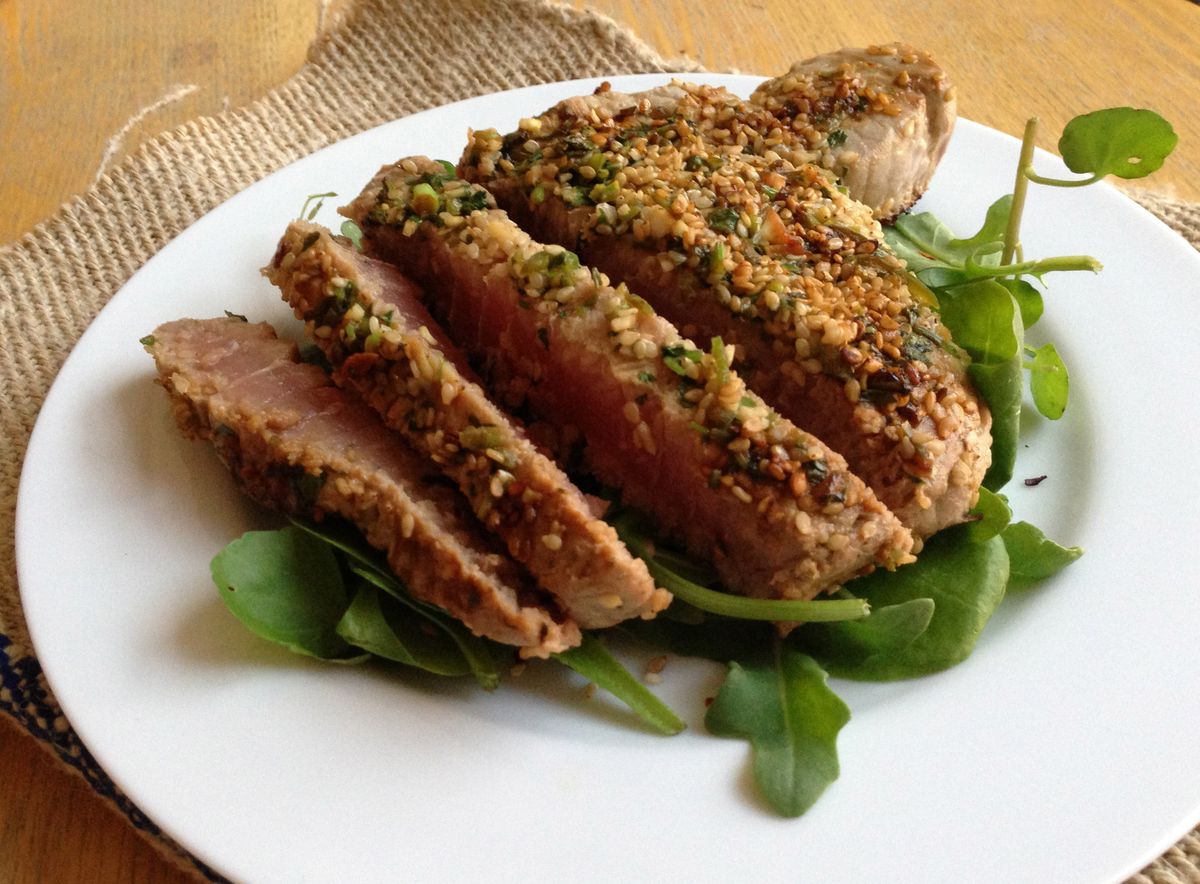
- Marinated Tuna Steak Recipe20 Minutes










Leave a Reply