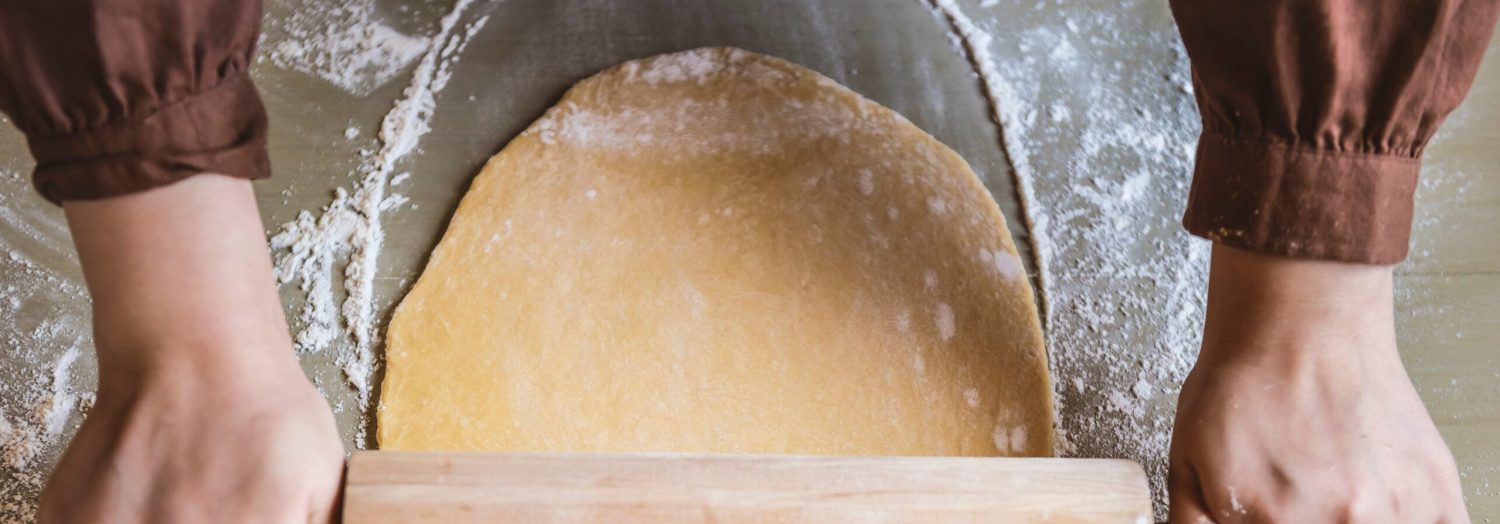

If you’ve ever pulled a tray of cookies from the oven only to find them flat as pancakes, or baked a cake that stubbornly refuses to rise, chances are the culprit wasn’t your oven—it was your measurements.
Baking is a science (with a sprinkle of magic). Unlike cooking, where a pinch of this and a dash of that works, baking requires precision. But don’t panic—mastering measurements and oven temperatures is easier than it sounds. Let’s break it down step by step, with a few delicious recipes to practice on.
Why Precision Matters in Baking
When you bake, every ingredient plays a very specific role. Too much flour, and your bread could turn into a brick. Too little sugar, and your cookies won’t spread properly. Even a 10°F difference in oven temperature can mean the difference between a golden crust and a burnt disaster.
That’s why bakers rely on conversions—especially when recipes come from different countries. One baker says grams, another says cups, and ovens flip between Fahrenheit and Celsius.
Not sure how to switch between American cups and metric? Try this handy tool to convert cups to milliliters before you measure your liquids.
Essential Measurement Conversions Every Baker Should Know
Here are some quick conversions you’ll use all the time:
- Flour
- 1 cup = ~120 grams
- Always spoon and level, never scoop!
- Sugar
- 1 cup = ~200 grams
- Granulated sugar packs differently than brown sugar.
- Butter
- 1 stick (U.S.) = ½ cup = ~113 grams
- Temperature
- 350°F = 177°C
- 375°F = 190°C
- 400°F = 204°C
If your recipe calls for grams but your scale reads in ounces, just use a quick grams to ounces converter to get it right.
And when an oven temperature is written in Celsius but your dial only shows Fahrenheit, check with a Fahrenheit to Celsius converter to bake with confidence.
Tips for Measurement Success
- Invest in a Kitchen Scale
Measuring in grams is more accurate than cups. Your cookies will thank you. - Understand Oven Behavior
Ovens often “lie” about their actual temp. An oven thermometer can reveal the truth. - Know Your Tools
A tablespoon in the U.S. is not the same as one in Australia. Yes, really. - Convert When Scaling Recipes
Doubling a recipe? Don’t eyeball it—use conversions to stay consistent.
Recipes to Practice Your New Skills
Now that you’re armed with conversion knowledge, let’s put it into practice with a few beginner-friendly recipes from Dirty Dishes Messy Kisses:
- Pumpkin Spice Snickerdoodles – A cozy cookie that’s all about precision in spices and sugar ratios.
- Layered Cake Recipe – A show-stopper where oven temperature and exact flour measurements make all the difference.
- Cashew Cheesecake – Perfect for practicing grams-to-cups conversions when working with nuts and cream cheese.
- Apple Pie Recipe – Learn how sugar and butter conversions affect texture and balance.
Final Whisk
Baking doesn’t have to be intimidating. Once you get comfortable converting grams ↔ ounces, cups ↔ milliliters, and Fahrenheit ↔ Celsius, you’ll find that every recipe feels approachable.
So grab your scale, preheat your oven, and let converters be your secret weapon. With precision on your side, you’ll turn out baked goods so good, your family will think you’ve been hiding a pastry chef diploma.
Leave a Reply