
Dandelion wine is a delightful and unique beverage that captures the essence of springtime. This homemade wine is not only a great way to utilize the abundant dandelions in your yard but also offers a sweet and floral flavor that is truly one-of-a-kind. Perfect for a special occasion or simply to enjoy on a warm evening, dandelion wine is a charming addition to any wine collection.
One of the key ingredients in this recipe is freshly picked dandelion petals, which might not be commonly found in your home. You will need to gather these from a pesticide-free area. Additionally, wine yeast is another ingredient that may not be in your pantry but can be easily found at a brewing supply store or online. Make sure to get these items before starting your wine-making process.
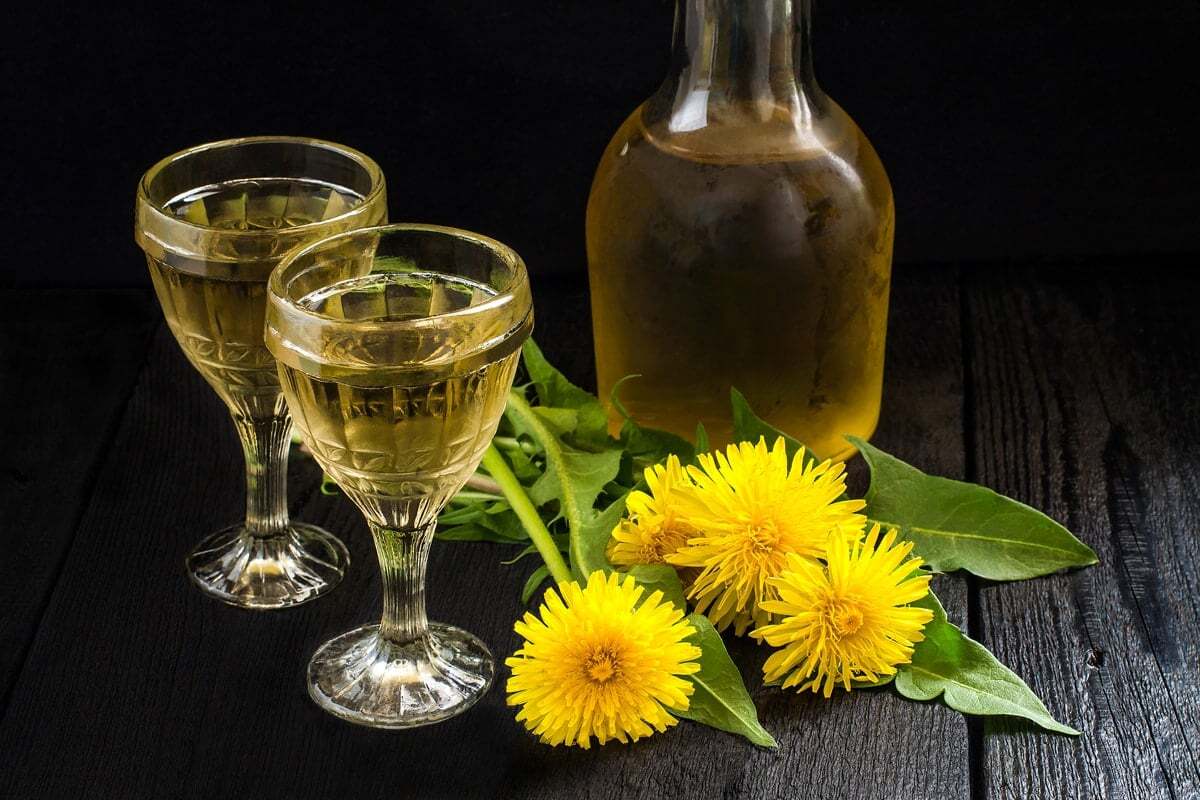
Ingredients for Dandelion Wine Recipe
Dandelion petals: Freshly picked petals from dandelion flowers, providing the primary flavor for the wine.
Water: Used to create the base liquid for the wine.
Sugar: Sweetens the wine and aids in fermentation.
Lemon: Adds a citrusy note and balances the sweetness.
Orange: Contributes additional citrus flavor and complexity.
Wine yeast: Essential for fermentation, converting sugars into alcohol.
Technique Tip for Making Dandelion Wine
When preparing dandelion petals, ensure you only use the yellow parts and avoid any green bits, as they can impart a bitter taste to your wine.
Suggested Side Dishes
Alternative Ingredients
dandelion petals - Substitute with chamomile flowers: Chamomile flowers provide a similar floral note and can be used in the same quantity.
water - Substitute with white grape juice: White grape juice adds a natural sweetness and complexity to the wine.
sugar - Substitute with honey: Honey adds a richer flavor and can be used in the same quantity as sugar.
lemon - Substitute with lime: Lime provides a similar citrus acidity and can be used in the same quantity.
orange - Substitute with tangerine: Tangerine offers a similar sweet citrus flavor and can be used in the same quantity.
wine yeast - Substitute with champagne yeast: Champagne yeast is also effective for fermenting and will produce a similar end product.
Other Alternative Recipes Similar to This Wine
How to Store or Freeze Your Wine
- To store your dandelion wine, ensure the bottles are sealed tightly to prevent any air from entering. This helps maintain the wine's flavor and quality.
- Keep the bottles in a cool, dark place. A basement or wine cellar is ideal, as consistent temperatures and minimal light exposure are crucial for aging wine.
- If you don't have a wine cellar, a dark closet or pantry can also work. Just make sure the temperature remains relatively stable.
- For long-term storage, consider using wine racks that keep the bottles horizontal. This keeps the cork moist and prevents it from drying out, which can lead to oxidation.
- If you plan to enjoy your dandelion wine within a few months, storing it upright in a cool, dark place is sufficient.
- Avoid storing the wine in the refrigerator for extended periods, as the cold temperature can alter the flavor profile.
- If you need to freeze the wine, pour it into freezer-safe containers, leaving some space for expansion. Seal the containers tightly.
- Label the containers with the date before placing them in the freezer. This helps you keep track of how long the wine has been stored.
- When you're ready to enjoy the frozen dandelion wine, thaw it slowly in the refrigerator. This gradual thawing process helps preserve the wine's delicate flavors.
- Once thawed, consume the wine within a few days for the best taste experience.
How to Reheat Leftovers
- Gently warm the dandelion wine in a saucepan over low heat. Avoid boiling to preserve the delicate flavors.
- If you prefer a quicker method, use a microwave-safe container and heat the wine on medium power in 15-second intervals, stirring gently between each interval.
- For a more traditional approach, place the bottle of dandelion wine in a warm water bath. Ensure the water is not too hot to prevent overheating the wine.
- If you have a sous-vide machine, set it to a low temperature (around 120°F) and immerse the sealed bottle of wine for a controlled and even reheating.
- To enhance the flavor, consider adding a slice of lemon or orange to the wine while reheating, infusing it with a fresh citrus aroma.
Best Tools for Crafting Dandelion Wine
Large pot: Used to boil the water and dandelion petals together.
Fermentation vessel: A container where the strained liquid will ferment with the added ingredients.
Strainer: Utilized to separate the dandelion petals from the liquid after boiling.
Stirring spoon: Essential for mixing the sugar, lemon slices, and orange slices into the liquid.
Cloth: Covers the fermentation vessel to allow the mixture to ferment while keeping contaminants out.
Bottles: Used to store the strained and fermented liquid for aging.
Bottle seals: Ensures the bottles are properly sealed to prevent contamination during the aging process.
How to Save Time on Making This Wine
Prepare ingredients in advance: Gather and measure all ingredients like dandelion petals, sugar, and citrus slices before starting to streamline the process.
Use a large pot: Boiling water and dandelion petals in a large pot ensures even heating and reduces the risk of spills.
Dissolve sugar quickly: Stir the sugar into the hot liquid immediately after boiling to ensure it dissolves faster.
Cool mixture efficiently: Place the pot in a sink filled with cold water to bring the mixture to room temperature faster before adding the wine yeast.
Strain with a fine mesh: Use a fine mesh strainer or cheesecloth to ensure a clear liquid, reducing the need for multiple strainings.
Dandelion Wine Recipe
Ingredients
Main Ingredients
- 1 quart dandelion petals freshly picked
- 4 cups water
- 3 cups sugar
- 1 whole lemon sliced
- 1 whole orange sliced
- 1 package wine yeast
Instructions
- 1. In a large pot, bring the water to a boil and add the dandelion petals. Boil for 10 minutes.
- 2. Remove from heat and strain the liquid into a fermentation vessel.
- 3. Add the sugar, lemon slices, and orange slices to the liquid. Stir until the sugar is dissolved.
- 4. Once the mixture has cooled to room temperature, add the wine yeast. Cover the vessel with a cloth and let it ferment for 2 weeks.
- 5. After 2 weeks, strain the liquid again and transfer it to bottles. Seal the bottles and let them age for at least 2 months before drinking.
Nutritional Value
Keywords
More Amazing Recipes to Try 🙂
- Keto Cheeseburger Casserole Recipe45 Minutes
- Air Fryer Hot Dogs Recipe15 Minutes
- Spinach Feta Pizza Recipe35 Minutes
- Pepperoni Bread Recipe40 Minutes
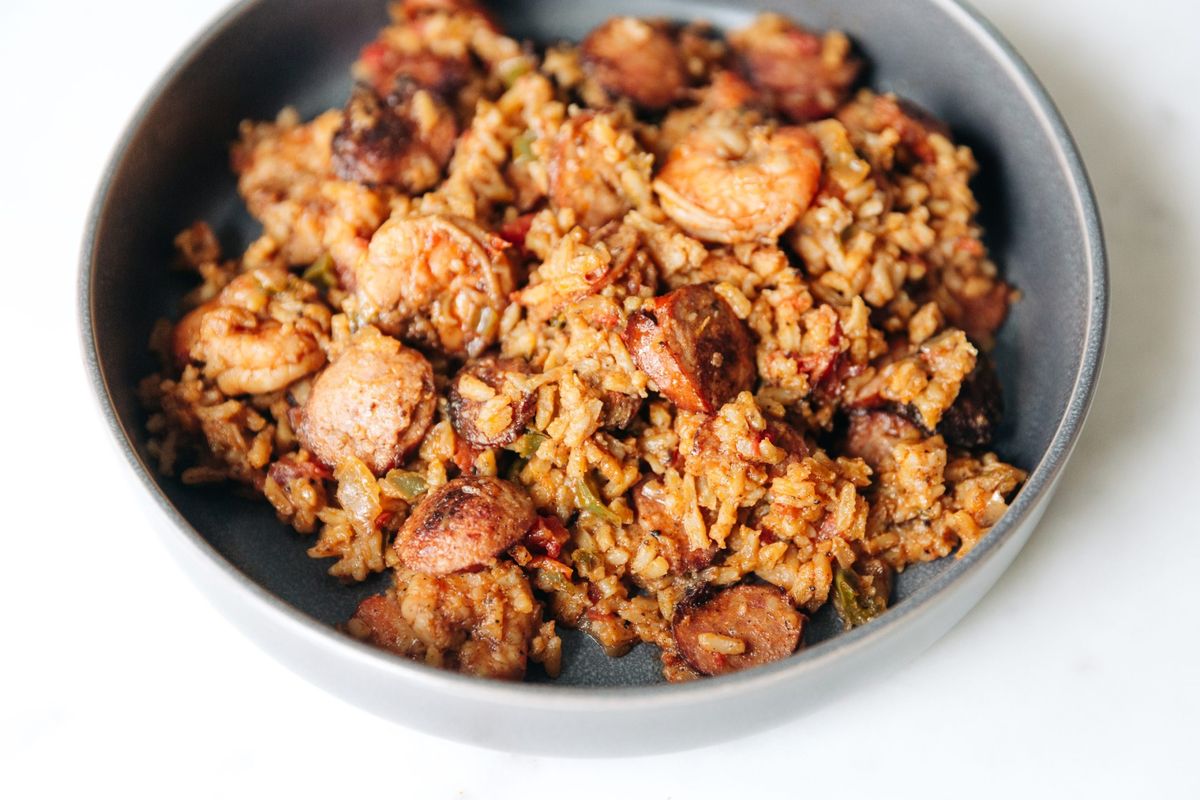
- Spruced Up Zatarains Jambalaya Recipe40 Minutes
- Campfire Skillet Breakfast Recipe30 Minutes
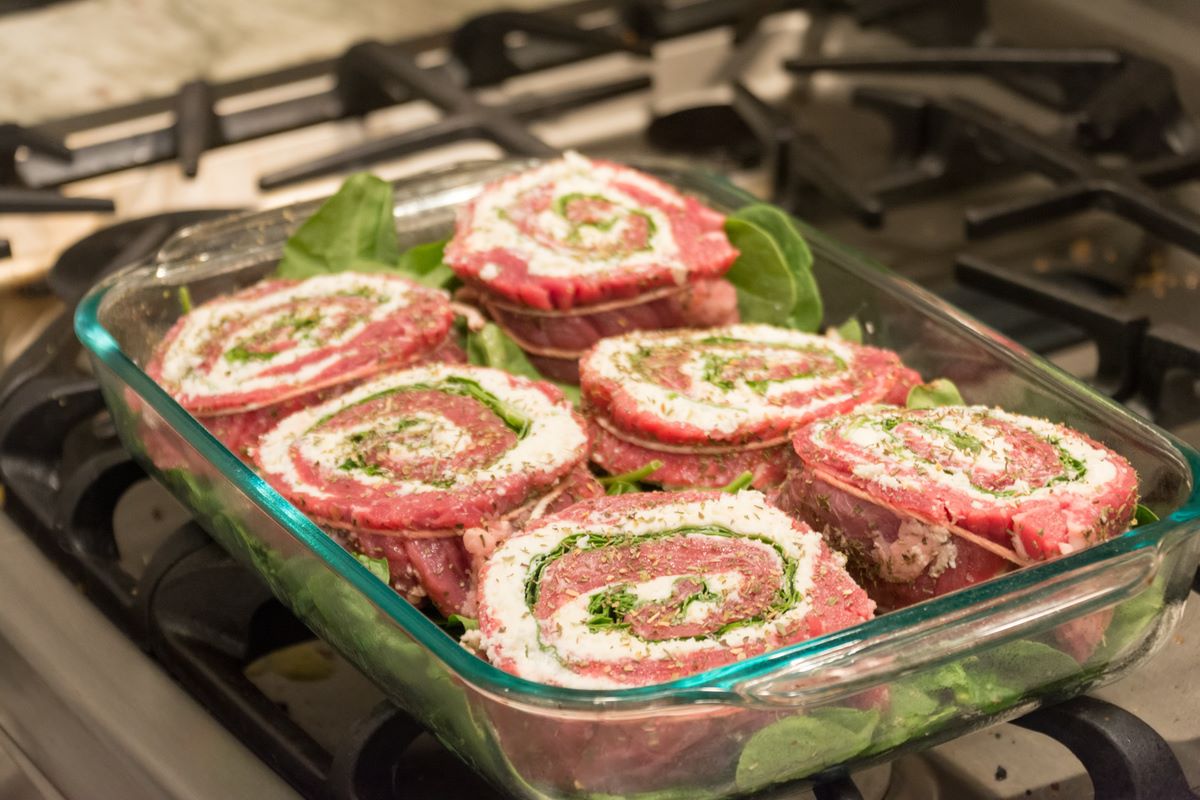
- Flank Steak Pinwheels Recipe45 Minutes
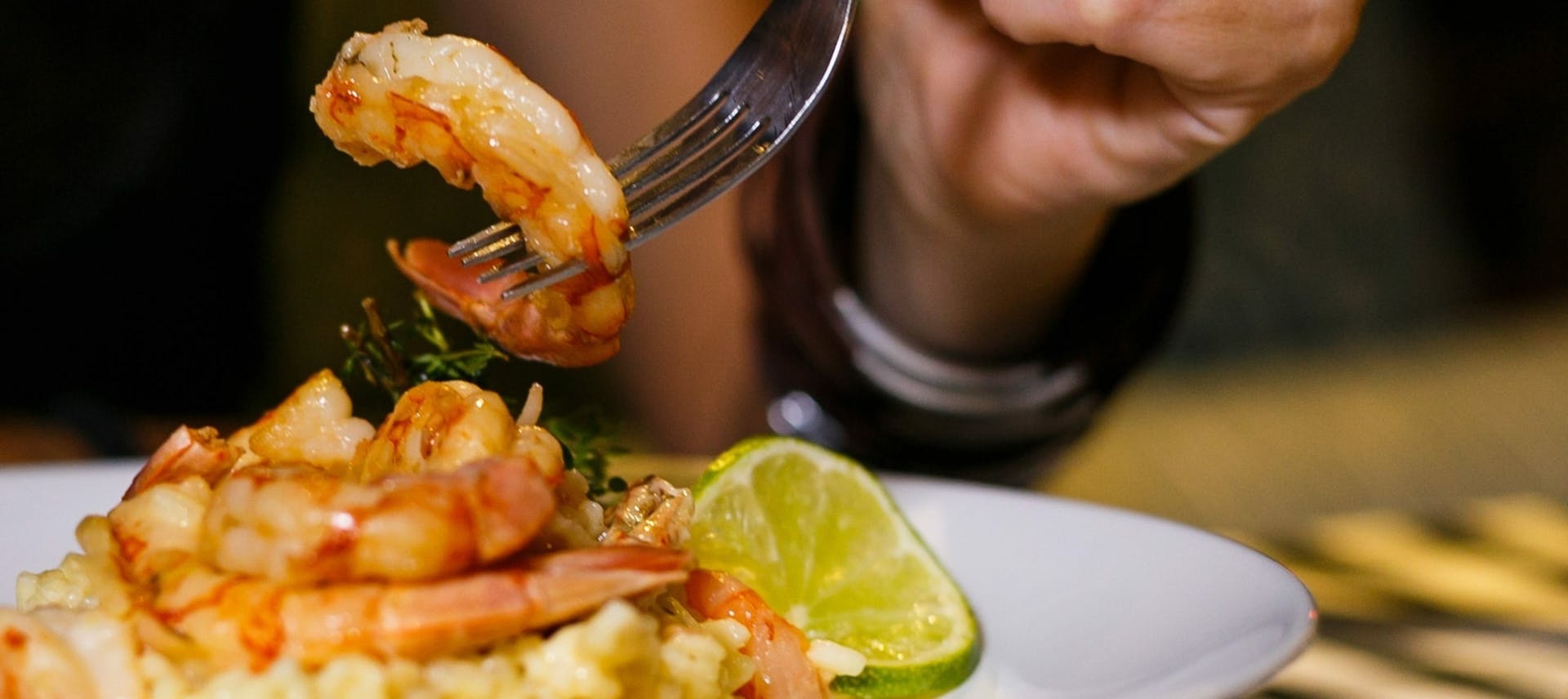
- Lemony Shrimp Over Brown Rice Recipe30 Minutes



Leave a Reply