
Slow roasted rabbit is a delightful and tender dish that brings out the rich flavors of the meat through a slow cooking process. This recipe combines aromatic herbs and a savory broth to create a comforting and elegant meal. Perfect for a special occasion or a cozy dinner, this dish will impress your guests with its depth of flavor and succulent texture.
Rabbit is not a common ingredient in many households, so you may need to visit a specialty butcher or a well-stocked supermarket to find it. Fresh herbs like rosemary and thyme are essential for this recipe, and while they can be found in most grocery stores, you might consider growing them at home for convenience and freshness. White wine is another key ingredient that adds depth to the dish, so choose a good quality one that you would enjoy drinking.
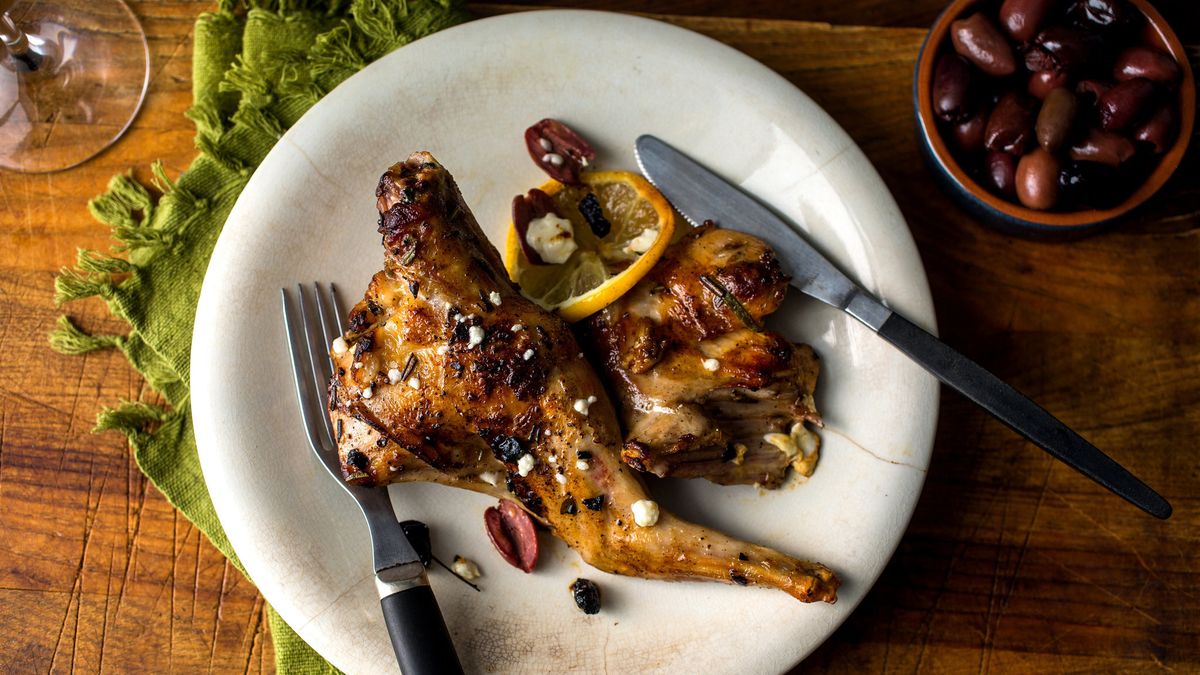
Ingredients For Slow Roasted Rabbit Recipe
Rabbit: A lean and flavorful meat that becomes tender when slow roasted.
Olive oil: Used for browning the rabbit pieces and adding a rich flavor.
Garlic: Adds a pungent and aromatic element to the dish.
Rosemary: A fragrant herb that pairs well with the rabbit.
Thyme: Another aromatic herb that enhances the flavor of the meat.
White wine: Adds acidity and depth to the sauce.
Chicken broth: Provides a savory base for the roasting liquid.
Salt: Essential for seasoning the rabbit.
Pepper: Adds a bit of heat and enhances the overall flavor.
Technique Tip for This Recipe
When browning the rabbit pieces, ensure they are not overcrowded in the pan. Overcrowding can cause the meat to steam rather than brown, which will affect the flavor and texture. If necessary, brown the pieces in batches to achieve a nice, even sear.
Suggested Side Dishes
Alternative Ingredients
rabbit - Substitute with chicken: Chicken has a mild flavor and similar texture when slow-roasted, making it a good alternative to rabbit.
olive oil - Substitute with grapeseed oil: Grapeseed oil has a neutral flavor and high smoke point, suitable for roasting.
garlic - Substitute with shallots: Shallots provide a milder, sweeter flavor that can complement the dish similarly to garlic.
rosemary - Substitute with sage: Sage has a robust, earthy flavor that pairs well with slow-roasted meats.
thyme - Substitute with oregano: Oregano offers a slightly stronger, peppery flavor that can enhance the dish.
white wine - Substitute with apple cider vinegar: Apple cider vinegar provides acidity and a fruity undertone similar to white wine.
chicken broth - Substitute with vegetable broth: Vegetable broth offers a similar savory base without altering the overall flavor profile significantly.
salt - Substitute with soy sauce: Soy sauce adds saltiness along with a depth of umami flavor.
pepper - Substitute with cayenne pepper: Cayenne pepper adds a bit of heat and spice, enhancing the dish's complexity.
Other Alternative Recipes Similar to This Dish
How to Store / Freeze This Dish
Allow the rabbit to cool completely before storing. This helps prevent condensation, which can lead to sogginess and spoilage.
Transfer the cooled rabbit pieces into an airtight container. If you don't have an airtight container, you can use heavy-duty aluminum foil or plastic wrap to tightly cover the rabbit.
For added protection and to prevent freezer burn, consider wrapping each piece of rabbit individually in plastic wrap before placing them in the container.
Label the container with the date and contents. This helps you keep track of how long the rabbit has been stored.
Store the container in the refrigerator if you plan to consume the rabbit within 3-4 days. If you need to store it for a longer period, place the container in the freezer.
When freezing, ensure the temperature is set to 0°F (-18°C) or lower. The rabbit can be stored in the freezer for up to 3 months.
To reheat, thaw the rabbit in the refrigerator overnight. This slow thawing process helps maintain the texture and flavor.
Once thawed, reheat the rabbit in a preheated oven at 325°F (165°C) until it reaches an internal temperature of 165°F (74°C). This ensures the rabbit is heated through and safe to eat.
Alternatively, you can reheat the rabbit on the stovetop. Place the pieces in a pan with a bit of chicken broth or white wine to keep them moist. Cover and heat over medium-low until warmed through.
Avoid reheating the rabbit multiple times, as this can lead to a loss of flavor and texture. Reheat only the portion you plan to consume.
How to Reheat Leftovers
Preheat your oven to 300°F (150°C). Place the rabbit pieces in an oven-safe dish, cover with aluminum foil to retain moisture, and heat for about 20-25 minutes until warmed through.
For a quicker method, use a microwave. Place the rabbit pieces in a microwave-safe dish, cover with a microwave-safe lid or plastic wrap (leaving a small vent), and heat on medium power for 2-3 minutes. Check and stir halfway through to ensure even heating.
If you prefer a stovetop method, heat a skillet over medium-low heat. Add a splash of chicken broth or olive oil to the pan to prevent sticking. Place the rabbit pieces in the skillet, cover, and heat for about 10-15 minutes, turning occasionally until warmed through.
For a moist reheating method, use a steamer. Place the rabbit pieces in a heatproof dish and set it in the steamer basket. Steam for about 10-15 minutes until heated through, ensuring the rabbit retains its tenderness and juiciness.
Best Tools for This Recipe
Oven: Used to slow roast the rabbit at a consistent temperature of 325°F (165°C).
Roasting pan: Essential for browning the rabbit pieces and for roasting them in the oven.
Stovetop: Needed to heat the olive oil and brown the rabbit pieces before transferring to the oven.
Tongs: Useful for turning the rabbit pieces to ensure they brown evenly on all sides.
Knife: Required for chopping the garlic, rosemary, and thyme.
Cutting board: Provides a safe surface for chopping the ingredients.
Measuring spoons: Used to measure out the olive oil, rosemary, and thyme accurately.
Measuring cup: Needed to measure the white wine and chicken broth.
Lid or aluminum foil: Used to cover the roasting pan while the rabbit is in the oven to keep it moist.
Basting brush: Handy for basting the rabbit with the pan juices during roasting.
Serving platter: Used to rest the rabbit pieces after roasting and before serving.
Timer: Helps keep track of the roasting and resting times to ensure the rabbit is cooked perfectly.
How to Save Time on This Recipe
Pre-cut the rabbit: Ask your butcher to cut the rabbit into pieces to save prep time.
Use pre-minced garlic: Opt for pre-minced garlic to speed up the process.
Preheat the oven early: Start preheating the oven while you prepare the ingredients.
Measure ingredients in advance: Measure out the olive oil, white wine, and chicken broth before you start cooking.
Use a food processor: Chop the rosemary and thyme quickly with a food processor.
Simmer on the stovetop: Bring the wine and broth to a simmer on the stovetop to save oven time.
Slow Roasted Rabbit Recipe
Ingredients
Main Ingredients
- 1 whole rabbit cleaned and cut into pieces
- 2 tablespoon olive oil
- 4 cloves garlic minced
- 1 teaspoon rosemary fresh, chopped
- 1 teaspoon thyme fresh, chopped
- 1 cup white wine
- 1 cup chicken broth
- to taste salt and pepper
Instructions
- Preheat your oven to 325°F (165°C).
- Season the rabbit pieces with salt and pepper.
- Heat the olive oil in a roasting pan over medium heat. Brown the rabbit pieces on all sides.
- Add the garlic, rosemary, and thyme to the pan. Cook for another 2 minutes.
- Pour in the white wine and chicken broth. Bring to a simmer.
- Cover the pan with a lid or aluminum foil and transfer to the preheated oven.
- Roast for 2 hours, basting occasionally with the pan juices.
- Remove from the oven and let rest for 10 minutes before serving.
Nutritional Value
Keywords
Suggested Appetizers and Desserts
More Amazing Recipes to Try 🙂
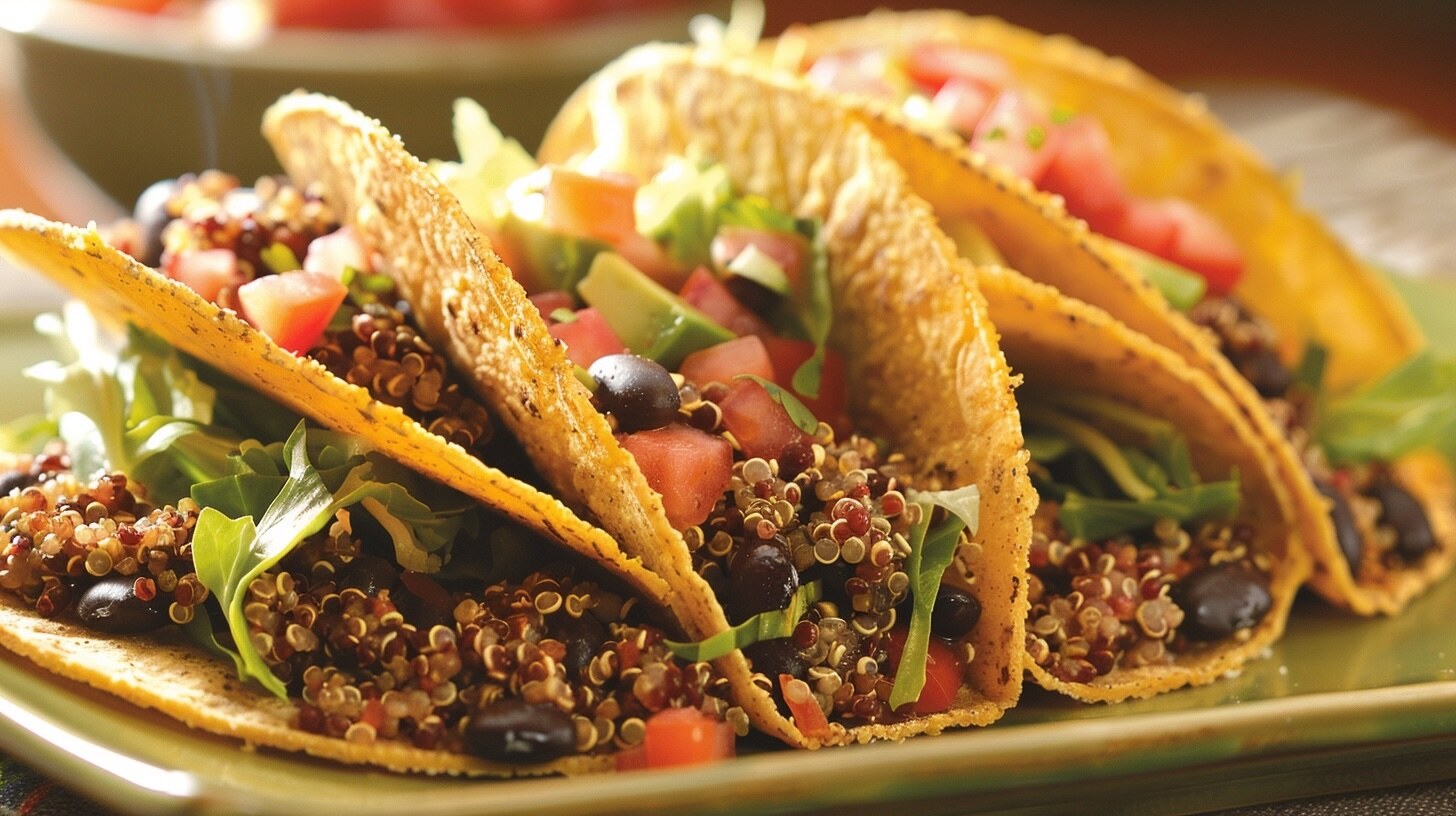
- Quinoa and Black Bean Tacos Recipe35 Minutes
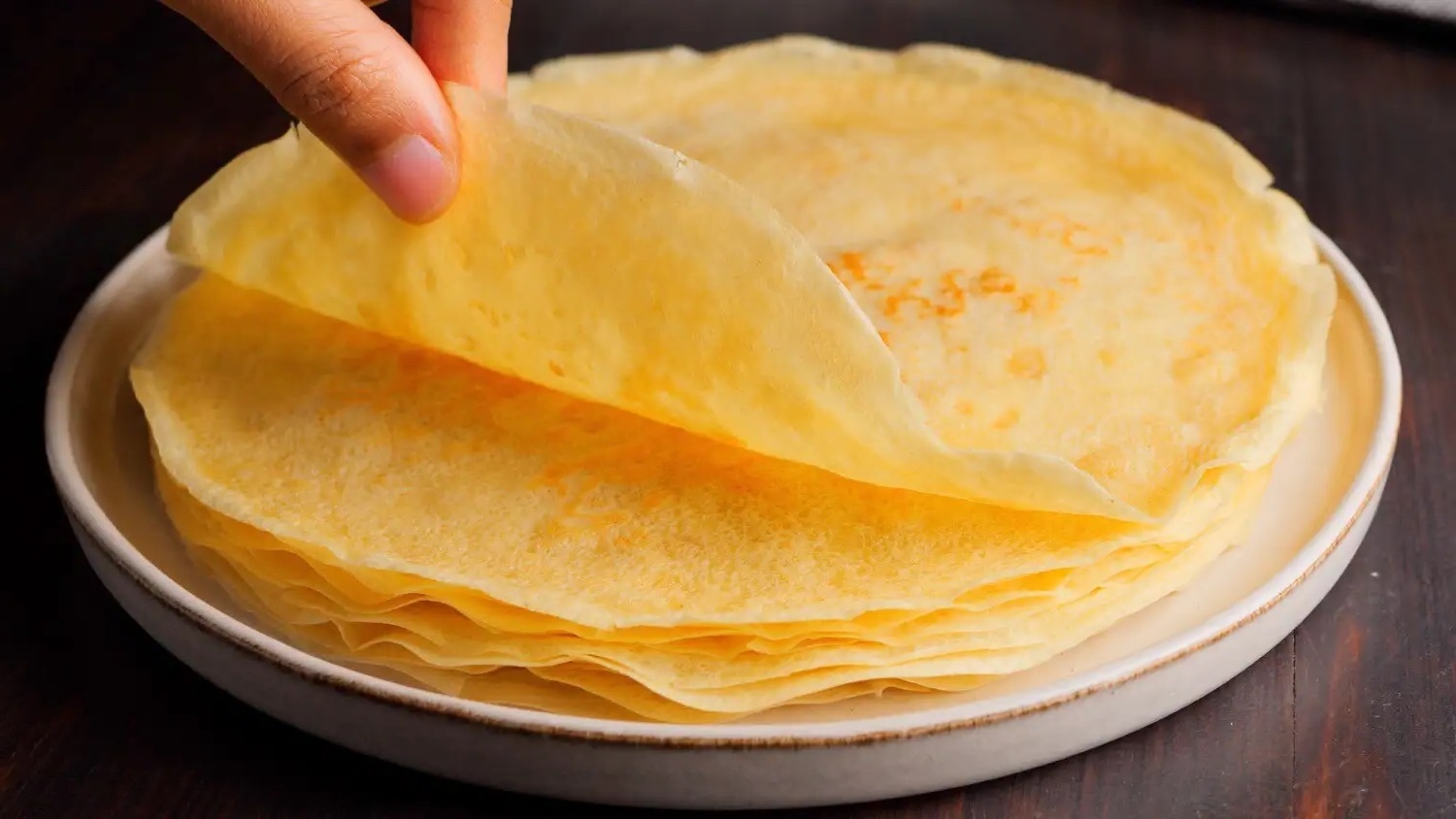
- Crepes Recipe30 Minutes
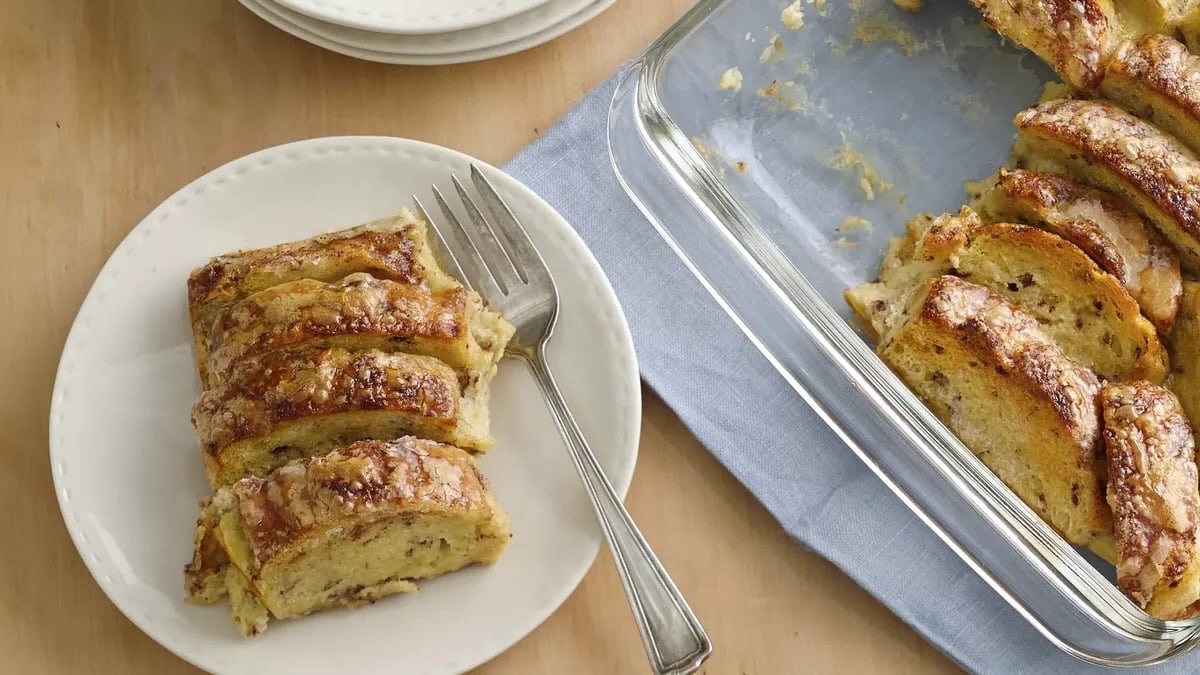
- Make Ahead French Toast Recipe1 Hours
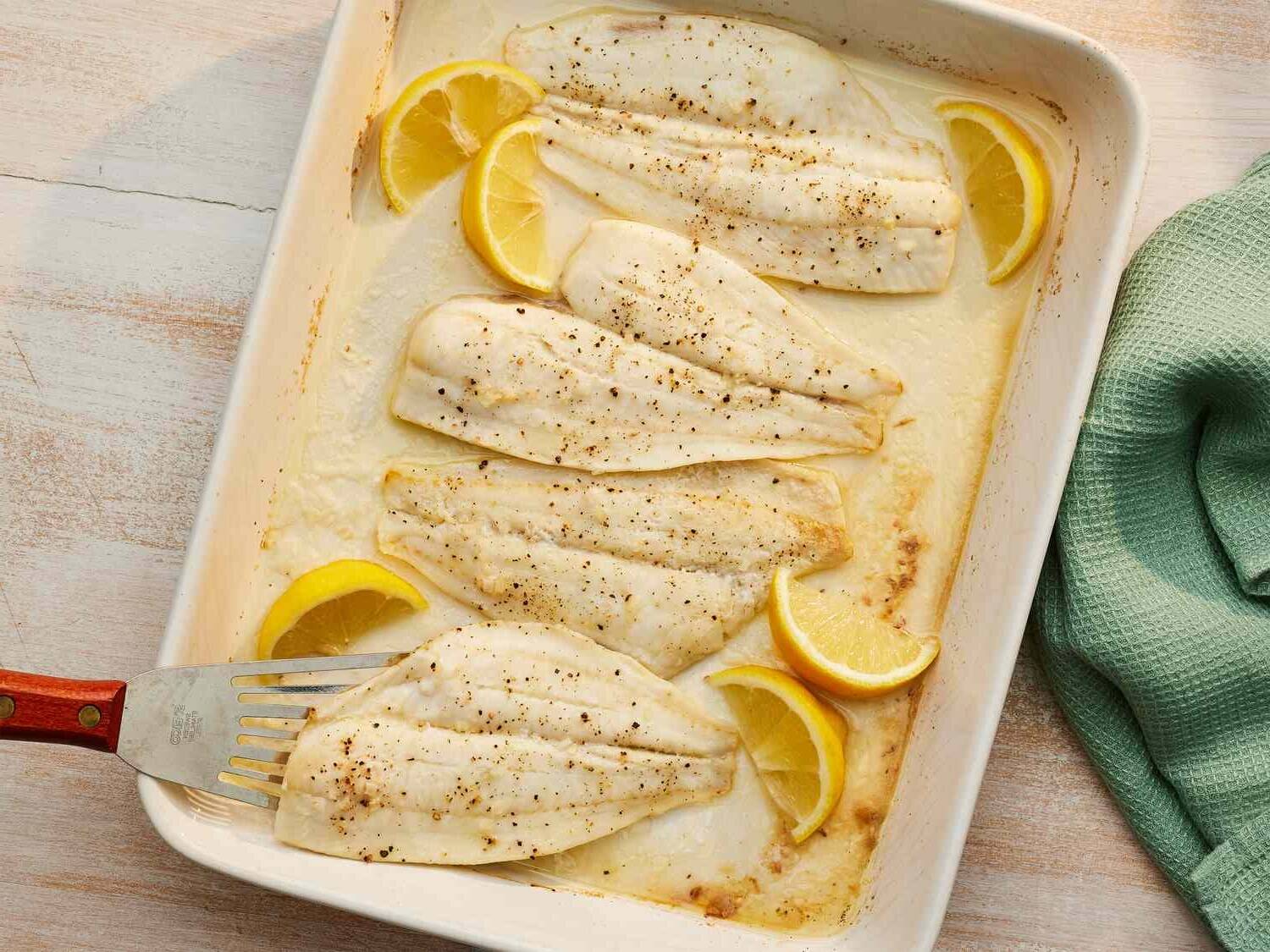
- Baked Fish Fillets Recipe30 Minutes
- Old Fashioned Pancakes Recipe30 Minutes
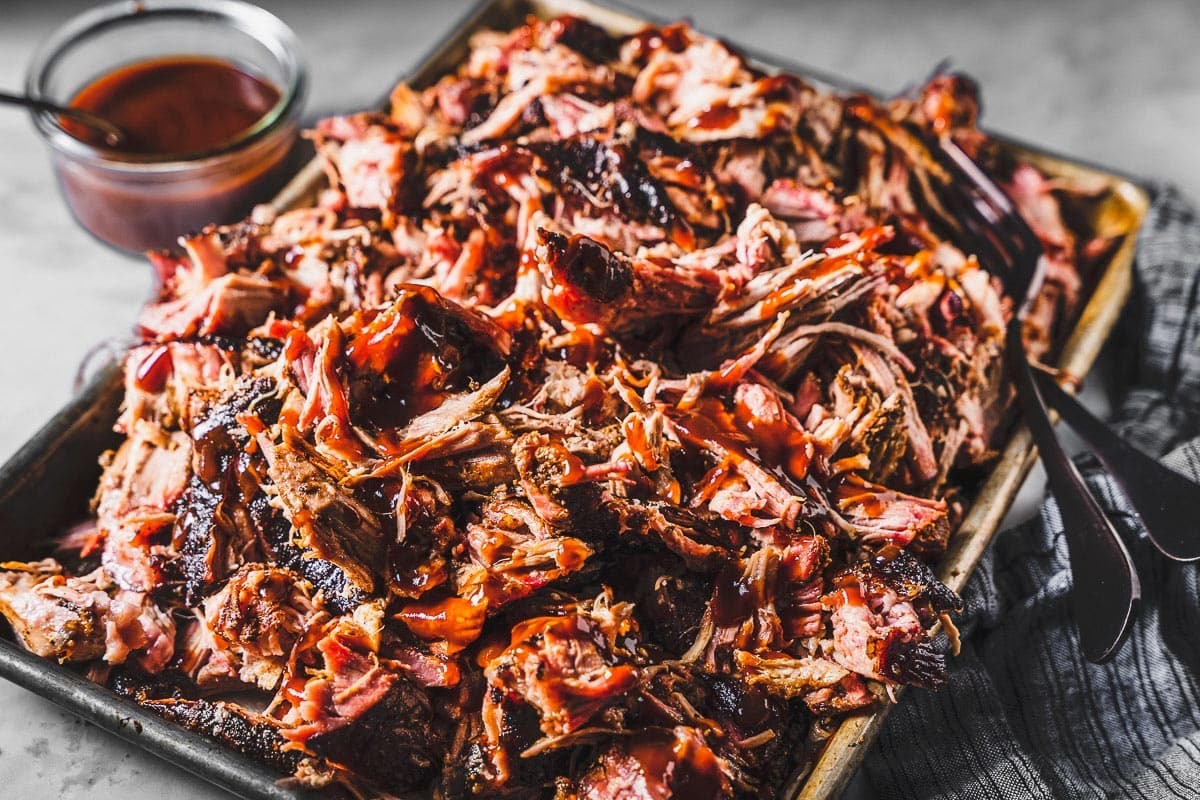
- Shredded Pork Recipe4 Hours 15 Minutes
- Carrot Cake Oatmeal Cookies Recipe27 Minutes
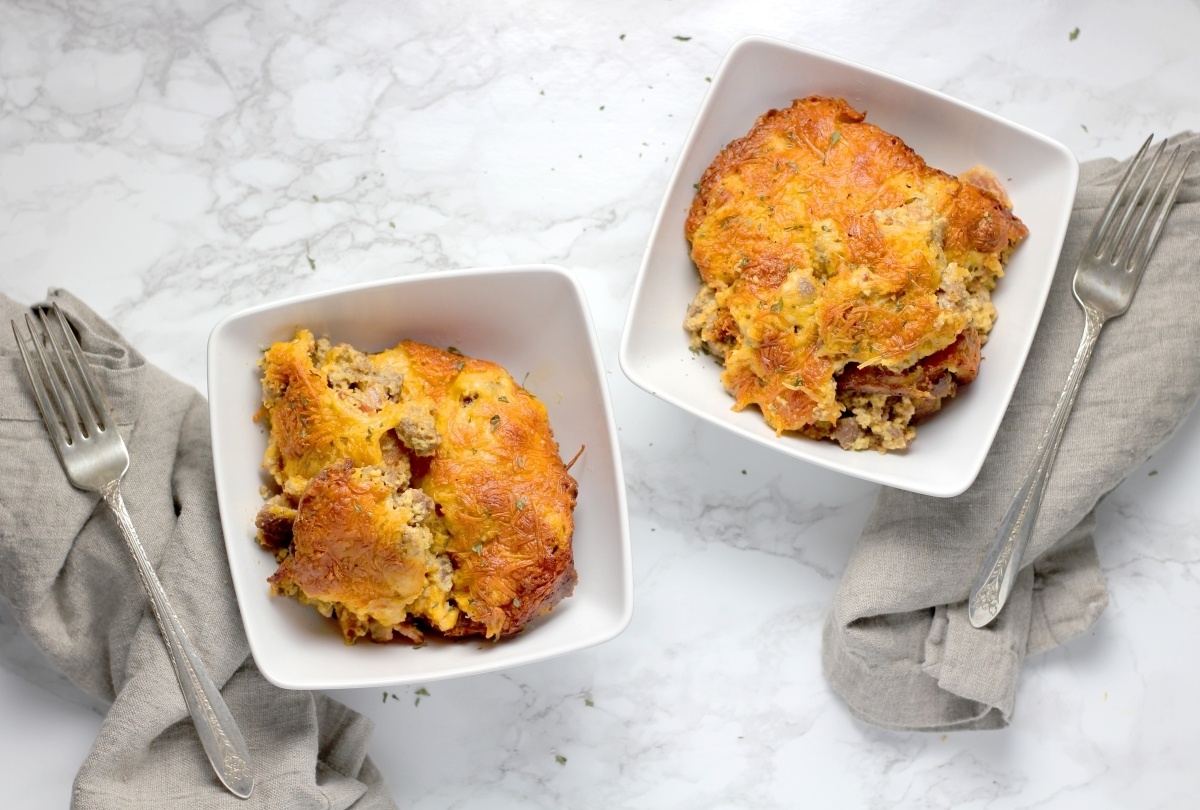
- Low Carb Bacon Cheeseburger Casserole Recipe45 Minutes



Leave a Reply