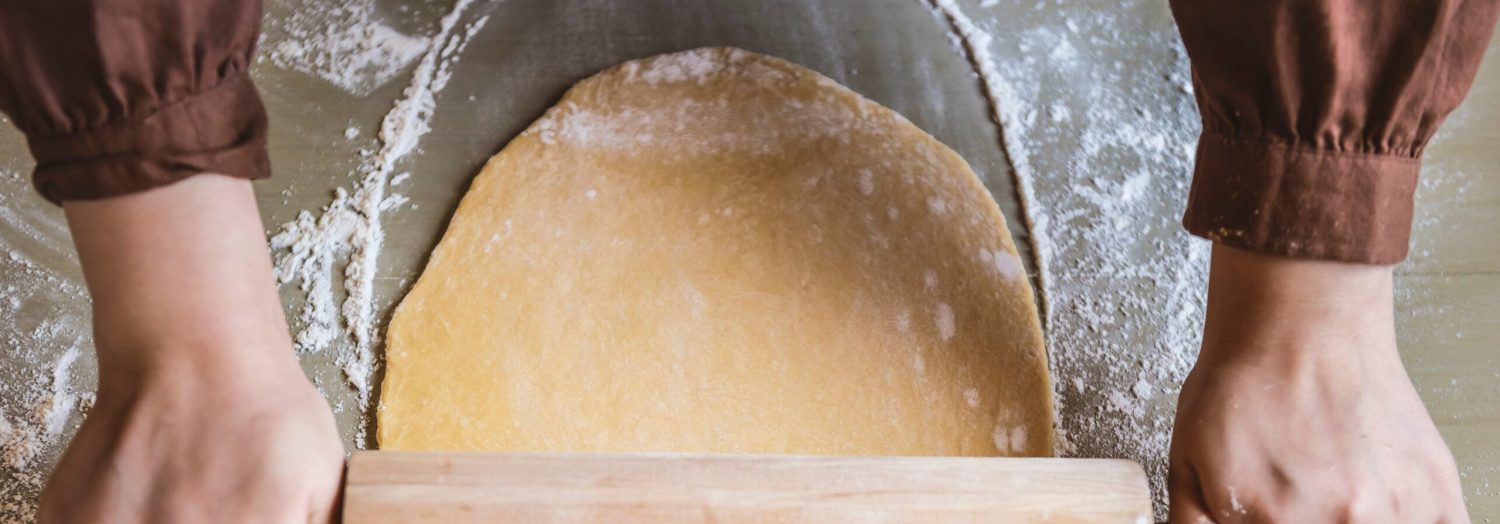

Creating a no commercial yeast starter is a rewarding and fascinating process that allows you to harness the natural yeast and bacteria present in your environment. This method is perfect for those who enjoy baking and want to explore the traditional way of making bread without relying on store-bought yeast.
The ingredients for this recipe are quite simple and likely to be found in most kitchens. However, if you don't have whole wheat flour on hand, you will need to pick some up at the supermarket. Whole wheat flour is essential for the initial stages of the starter because it contains more nutrients and wild yeast compared to all-purpose flour.

Ingredients For No Commercial Yeast Starter Recipe
Whole wheat flour: This is used to kickstart the fermentation process due to its higher nutrient content and natural wild yeast.
All-purpose flour: This is used in the subsequent feedings to maintain the starter and provide a consistent texture.
Water: Room temperature water is used to hydrate the flour and create the right environment for yeast and bacteria to thrive.
Technique Tip for This Recipe
When preparing your starter, ensure you use a glass jar rather than a metal container. Metal can react with the acidity of the mixture, potentially affecting the fermentation process. Additionally, using whole wheat flour initially provides more nutrients for the natural yeast and bacteria, helping to kickstart the fermentation. Always use room temperature water to avoid shocking the microorganisms.
Suggested Side Dishes
Alternative Ingredients
whole wheat flour - Substitute with rye flour: Rye flour has a similar nutrient profile and can also promote the growth of wild yeast and bacteria needed for a starter.
whole wheat flour - Substitute with spelt flour: Spelt flour is another whole grain option that can encourage the development of natural yeast and bacteria.
room temperature water - Substitute with filtered water: Filtered water ensures that no chlorine or other chemicals inhibit the growth of natural yeast and bacteria.
room temperature water - Substitute with spring water: Spring water is free from chlorine and other additives, making it ideal for fostering the growth of wild yeast.
Other Alternative Recipes
How To Reheat Leftovers
Preheat your oven to 350°F (175°C). Place the leftover bread on a baking sheet and cover it loosely with aluminum foil. Bake for about 10-15 minutes, or until warmed through. This method helps retain the crust's crispiness while ensuring the inside is soft and warm.
For a quick reheat, use a microwave. Place a damp paper towel over the bread and microwave on medium power for 30-60 seconds. The damp paper towel helps keep the bread from drying out.
If you have a toaster oven, set it to 350°F (175°C) and place the bread directly on the rack. Toast for about 5-10 minutes, checking frequently to avoid over-browning.
For a stovetop method, heat a non-stick skillet over medium heat. Place the bread in the skillet and cover with a lid. Heat for about 2-3 minutes on each side, or until warmed through. This method can give the bread a nice, slightly crispy exterior.
If you have a steam oven, set it to 212°F (100°C) and steam the bread for about 5-7 minutes. This method helps to rehydrate the bread and keep it moist.
For a more rustic approach, wrap the bread in aluminum foil and place it near a campfire or on a grill over indirect heat. Rotate occasionally and heat for about 10-15 minutes. This method adds a subtle smoky flavor to the bread.
Best Tools for This Recipe
Glass jar: A container to hold the starter mixture, allowing you to observe its progress.
Wooden spoon: Ideal for stirring the mixture without reacting with the ingredients.
Measuring cup: Ensures accurate measurement of flour and water.
Kitchen scale: Optional but useful for precise measurements, especially if you prefer weighing ingredients.
Plastic wrap: To loosely cover the jar, allowing airflow while keeping contaminants out.
Rubber band: Helps secure the plastic wrap around the jar.
Spatula: Useful for scraping down the sides of the jar to ensure all ingredients are well mixed.
Clean cloth: Can be used instead of plastic wrap to cover the jar, allowing the starter to breathe.
How to Save Time on This Recipe
Use warm water: Warm water accelerates the fermentation process, helping your starter become active faster.
Pre-measure ingredients: Pre-measure your flour and water for each day to streamline the process.
Keep in a warm spot: Place your starter in a consistently warm area to speed up fermentation.
Use a clear jar: A clear jar helps you easily monitor the bubbles and activity without opening it.
Set reminders: Set daily reminders to feed your starter to ensure you don't miss a day.
No Commercial Yeast Starter Recipe
Ingredients
Main Ingredients
- 1 cup Whole Wheat Flour
- 1 cup Water Room Temperature
Instructions
- Day 1: In a glass jar, mix 1 cup of whole wheat flour and 1 cup of water. Stir well, cover loosely, and let it sit at room temperature for 24 hours.
- Day 2: Discard half of the mixture. Add 1 cup of all-purpose flour and 1 cup of water. Stir well, cover loosely, and let it sit at room temperature for another 24 hours.
- Day 3-5: Repeat the process from Day 2 each day. By Day 5, the starter should be bubbly and have a tangy smell, indicating it's ready to use.
Nutritional Value
Keywords
More Amazing Recipes to Try 🙂
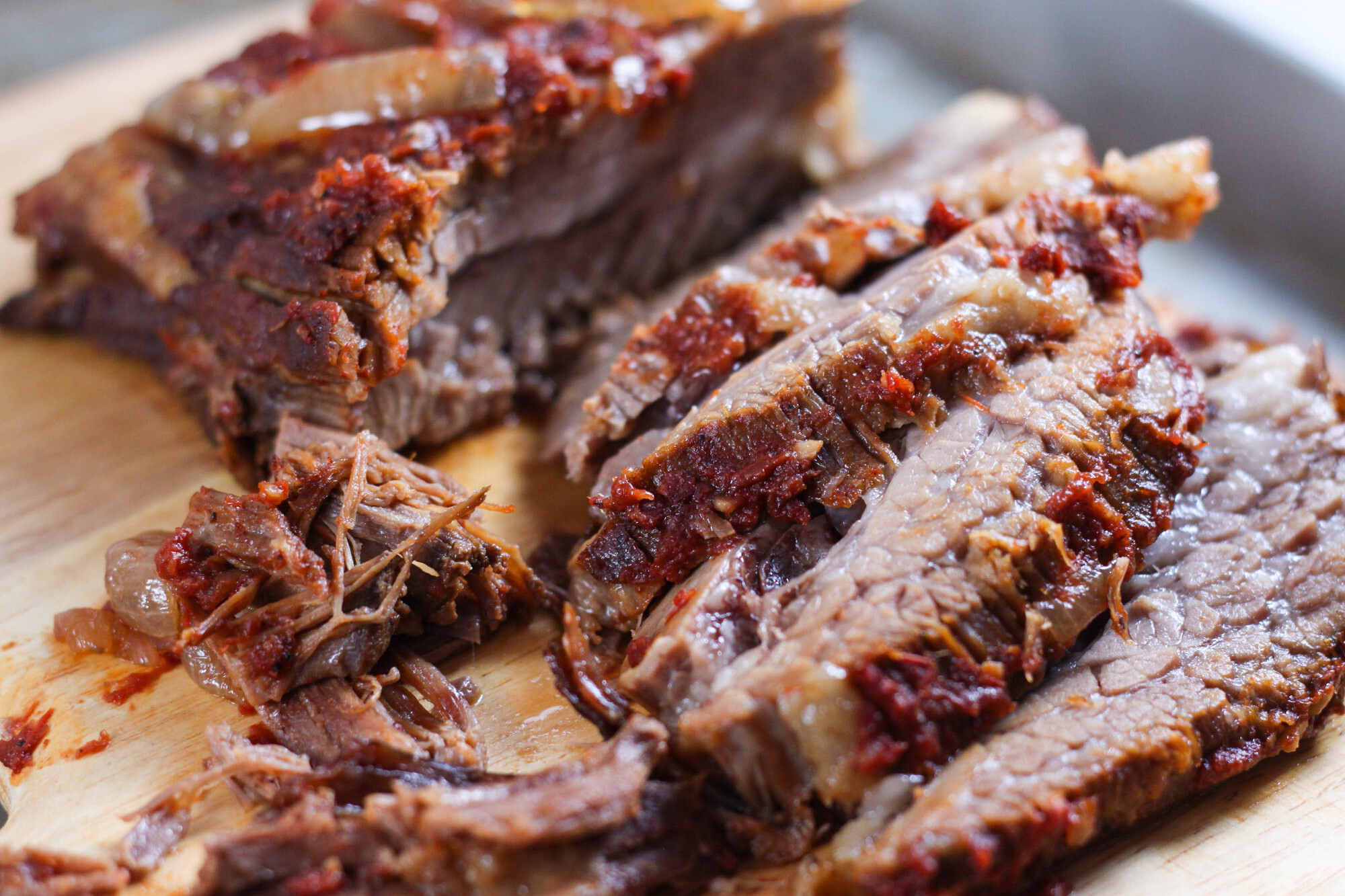
- Slow Cooker Beef Brisket Recipe8 Hours 15 Minutes
- Linguine with White Clam Sauce Recipe35 Minutes
- Cookies and Cream Recipe25 Minutes
- Cosmo Style Pomegranate Martini Recipe5 Minutes
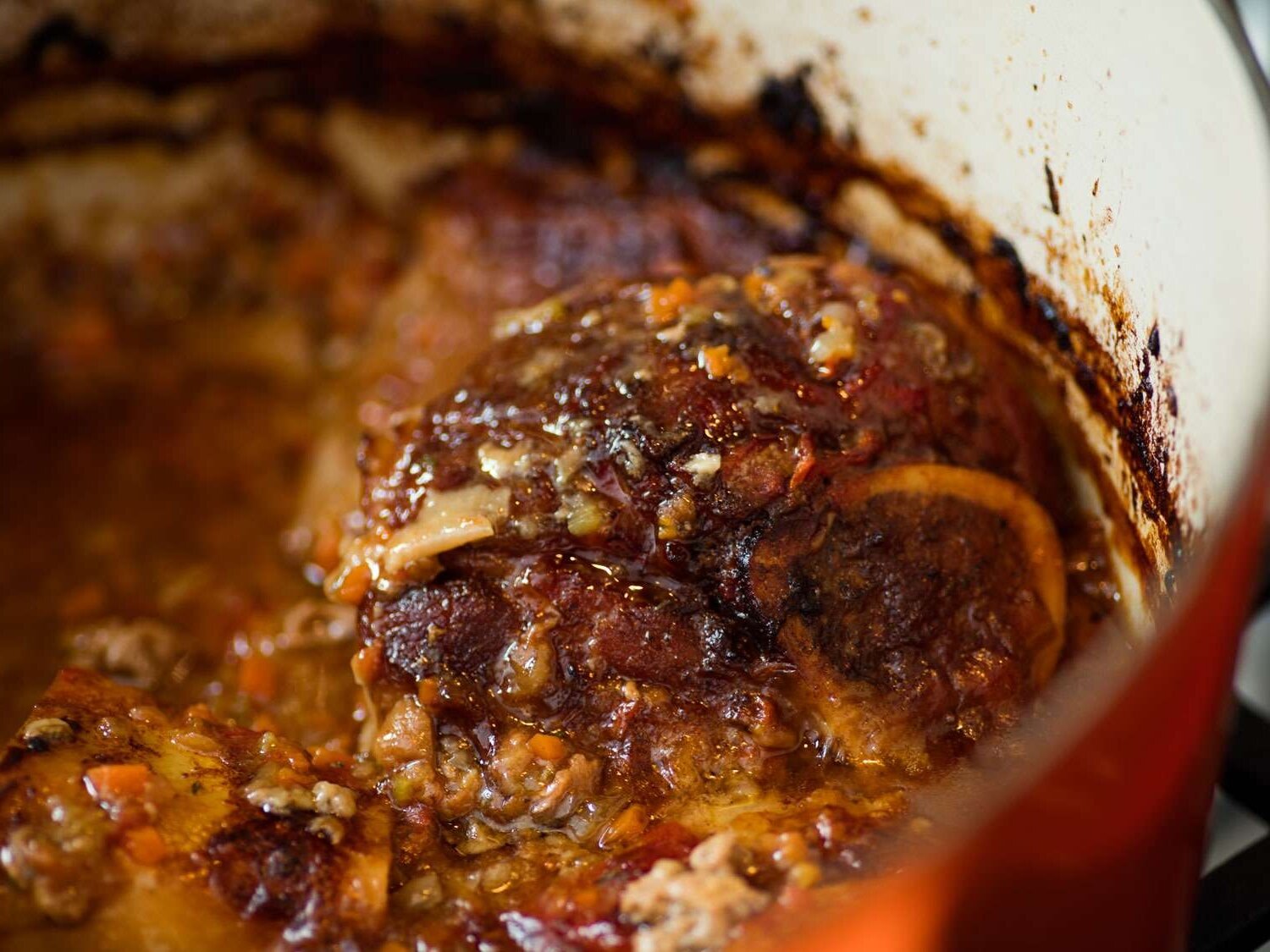
- Traditional Osso Buco Recipe2 Hours 20 Minutes
- Kung Pao Chicken Recipe35 Minutes
- Spinach Quiche with Chicken Recipe1 Hours 5 Minutes
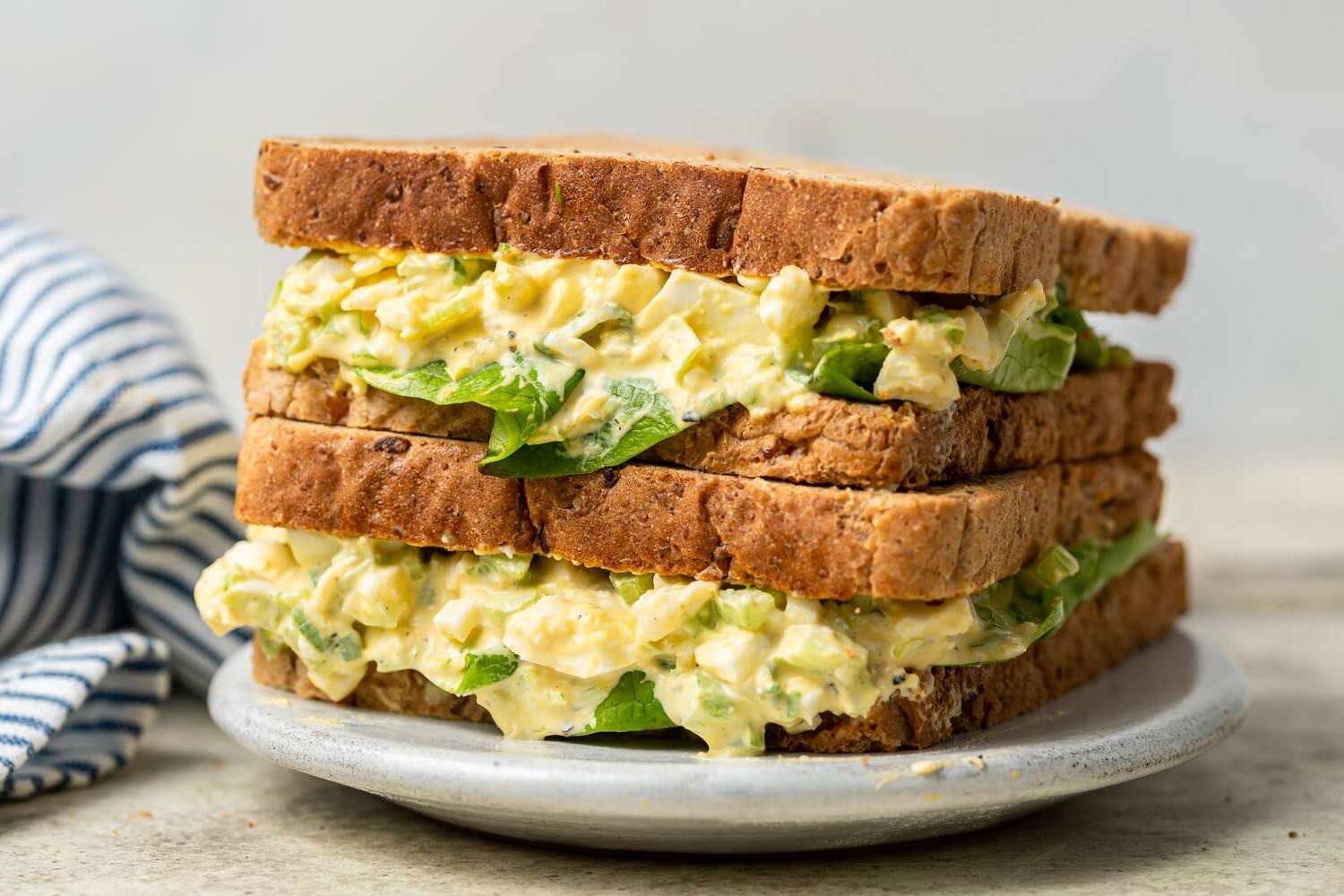
- Egg Salad Sandwich Recipe20 Minutes







Leave a Reply