

This traditional German bread recipe combines the hearty flavors of rye flour and wheat flour to create a dense, flavorful loaf. Perfect for sandwiches or as an accompaniment to soups and stews, this bread is a staple in many German households. The combination of flours gives it a unique texture and taste that is both rustic and satisfying.
One of the key ingredients in this recipe is rye flour, which might not be as commonly found in every pantry. When heading to the supermarket, make sure to look for rye flour in the baking aisle, often near specialty flours. Dry yeast is another essential component, which can usually be found in small packets or jars in the baking section.
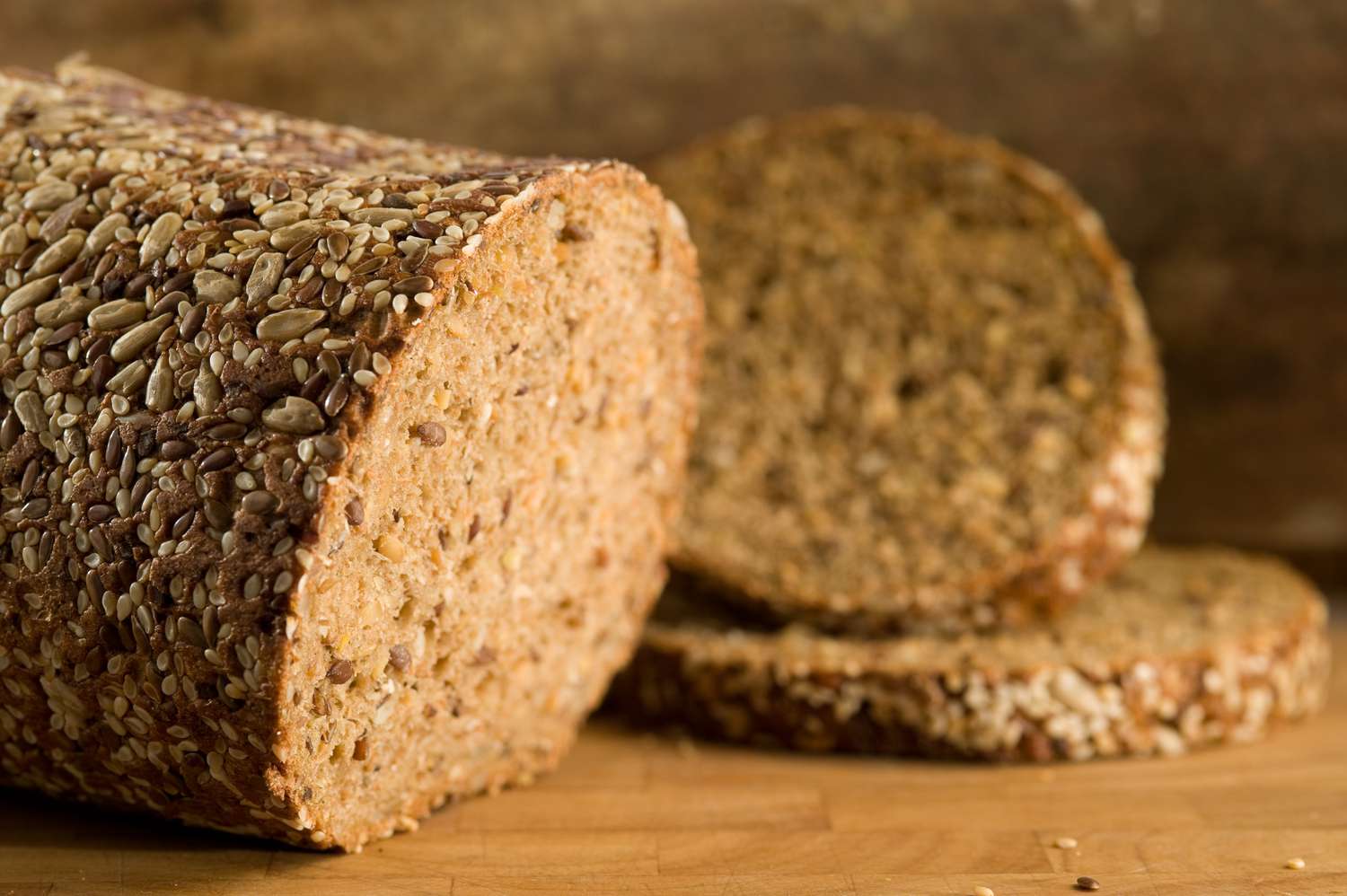
Ingredients For German Bread Recipe
Rye flour: This flour is made from rye grain and gives the bread its characteristic dense texture and slightly tangy flavor.
Wheat flour: A staple in most bread recipes, it provides structure and elasticity to the dough.
Salt: Enhances the flavor of the bread and helps control the fermentation process.
Dry yeast: A leavening agent that helps the dough rise, creating a light and airy texture.
Warm water: Activates the yeast and helps to form the dough.
Technique Tip for This Bread
When kneading the dough, it's crucial to achieve the right texture. The dough should be smooth and elastic, which helps in developing the gluten structure necessary for a good rise. If the dough is too sticky, add a little more flour; if it's too dry, add a bit more water. Proper kneading ensures that the bread will have a nice crumb and a chewy texture.
Suggested Side Dishes
Alternative Ingredients
rye flour - Substitute with spelt flour: Spelt flour has a similar nutty flavor and can provide a comparable texture to rye flour.
rye flour - Substitute with whole wheat flour: Whole wheat flour can mimic the density and earthiness of rye flour, though the flavor will be slightly different.
wheat flour - Substitute with all-purpose flour: All-purpose flour can be used in place of wheat flour to achieve a similar texture and structure in the bread.
wheat flour - Substitute with bread flour: Bread flour has a higher protein content, which can help create a chewier texture similar to that of wheat flour.
salt - Substitute with sea salt: Sea salt can be used in the same quantity and will provide a similar flavor profile.
salt - Substitute with kosher salt: Kosher salt can be used as a substitute, though you may need to adjust the quantity slightly due to its coarser grain.
dry yeast - Substitute with fresh yeast: Fresh yeast can be used in place of dry yeast; use approximately 30 grams of fresh yeast for 10 grams of dry yeast.
dry yeast - Substitute with sourdough starter: A sourdough starter can replace dry yeast, though it will require a longer fermentation time and will impart a tangy flavor.
warm water - Substitute with milk: Warm milk can be used to add a richer flavor and softer crumb to the bread.
warm water - Substitute with beer: Warm beer can add a unique flavor and help with the leavening process, creating a more complex-tasting bread.
Other Alternative Recipes Similar to This Bread
How to Store / Freeze This Bread
Allow the bread to cool completely on a wire rack before storing. This prevents condensation from forming inside the storage container, which can make the bread soggy.
For short-term storage, place the bread in a paper bag or wrap it in a clean kitchen towel. This helps maintain the crust's crispness while keeping the interior moist.
If you prefer to use plastic, wrap the bread in plastic wrap or place it in a resealable plastic bag. This method will keep the bread soft but may soften the crust.
Store the bread at room temperature for up to 3 days. Avoid storing it in the refrigerator, as this can cause the bread to dry out faster.
For longer storage, slice the bread before freezing. This allows you to take out only the number of slices you need, without having to thaw the entire loaf.
Wrap each slice or the entire loaf tightly in plastic wrap, then place it in a resealable freezer bag. Squeeze out as much air as possible before sealing to prevent freezer burn.
Label the freezer bag with the date to keep track of how long the bread has been stored. Frozen bread is best used within 3 months for optimal flavor and texture.
To thaw, remove the desired number of slices or the whole loaf from the freezer. Let it sit at room temperature for a few hours, or overnight, until fully thawed.
For a quick thaw, you can place the frozen slices directly in a toaster or toaster oven. This will also help restore some of the crust's crispness.
If reheating a whole loaf, preheat your oven to 180°c (350°f). Place the bread directly on the oven rack and heat for about 10-15 minutes, or until warmed through.
How to Reheat Leftovers
Preheat your oven to 180°C (350°F). Wrap the German bread in aluminum foil to prevent it from drying out. Place it directly on the oven rack and heat for about 10-15 minutes. This method will help maintain the bread's crusty exterior and soft interior.
For a quick reheat, slice the bread and place the slices in a toaster. Toast on a medium setting until the slices are warm and slightly crispy. This is perfect for making toast or sandwiches.
If you prefer a microwave, place a damp paper towel over the bread slices and microwave on medium power for 10-20 seconds. This method helps to keep the bread from becoming too chewy or hard.
For a stovetop method, heat a skillet over medium heat. Place the bread slices in the skillet and cover with a lid. Heat for about 2-3 minutes on each side, or until the bread is warmed through. This method can give the bread a nice, slightly toasted texture.
If you have a steam oven, set it to 100°C (212°F) and steam the bread for about 5 minutes. This method will help to rehydrate the bread, making it soft and fresh-tasting again.
For a more rustic approach, you can reheat the bread over an open flame. Hold the bread with tongs and carefully toast each side over a gas burner or campfire until warmed and slightly charred. This method adds a smoky flavor to the bread.
Best Tools for This Recipe
Large mixing bowl: used to combine the rye flour, wheat flour, and salt.
Measuring cups: used to measure the flour and water accurately.
Measuring spoons: used to measure the salt and dry yeast.
Whisk: used to dissolve the dry yeast in warm water.
Wooden spoon: used to stir the yeast mixture into the flour mixture until a dough forms.
Floured surface: used for kneading the dough to ensure it doesn't stick.
Hands: used for kneading the dough to develop gluten and achieve a smooth, elastic texture.
Greased bowl: used to let the dough rise without sticking.
Clean kitchen towel: used to cover the bowl while the dough rises.
Baking sheet: used to place the shaped loaf on for baking.
Oven: used to bake the bread at the required temperature.
Wire rack: used to cool the bread after baking to prevent it from becoming soggy.
How to Save Time on Making This Bread
Pre-measure ingredients: Measure all ingredients before starting to save time during preparation.
Use a stand mixer: A stand mixer can knead the dough for you, reducing manual effort and time.
Warm environment: Let the dough rise in a warm place like an oven with the light on to speed up the rising process.
Preheat oven early: Start preheating the oven while the dough is rising to save time.
Batch baking: Double the recipe and freeze extra loaves for future use.
German Bread Recipe
Ingredients
Main Ingredients
- 500 g Rye flour
- 500 g Wheat flour
- 15 g Salt
- 10 g Dry yeast
- 600 ml Warm water
Instructions
- 1. In a large mixing bowl, combine the rye flour, wheat flour, and salt.
- 2. Dissolve the dry yeast in warm water and let it sit for 5 minutes.
- 3. Gradually add the yeast mixture to the flour mixture, stirring until a dough forms.
- 4. Knead the dough on a floured surface for about 10 minutes, until smooth and elastic.
- 5. Place the dough in a greased bowl, cover, and let it rise in a warm place for about 1 hour, or until doubled in size.
- 6. Preheat the oven to 220°C (430°F).
- 7. Punch down the dough, shape it into a loaf, and place it on a baking sheet.
- 8. Bake for 45 minutes, or until the bread sounds hollow when tapped on the bottom.
- 9. Let the bread cool on a wire rack before slicing.
Nutritional Value
Keywords
More Amazing Recipes to Try 🙂
- Sesame Ginger Noodle Recipe25 Minutes
- Instant Pot Chicken Breast Recipe30 Minutes
- Baby Back Ribs Recipe3 Hours 15 Minutes
- Copycat Burger and Fries Recipe50 Minutes
- Coffee Liqueur Recipe20 Minutes
- Pasta Pomodoro Recipe30 Minutes
- Mushroom Thyme Crostini Recipe25 Minutes
- Roast Pork Pernil Recipe4 Hours 30 Minutes









Leave a Reply