

Indulge in the comforting embrace of a creamy risotto that perfectly balances the earthy sweetness of butternut squash with the aromatic touch of fresh sage. This dish is a celebration of autumn flavors, bringing warmth and richness to your table. Whether you're preparing a cozy dinner for family or impressing guests with your culinary skills, this butternut squash and sage risotto is sure to delight with its harmonious blend of textures and tastes.
When preparing this delightful dish, you might find that some ingredients are not staples in every kitchen. Arborio rice, known for its high starch content, is essential for achieving the creamy texture characteristic of risotto. Fresh sage leaves add a distinctive herbal note that dried alternatives can't quite match. If you don't usually keep dry white wine on hand, it’s worth picking up a bottle, as it adds depth and complexity to the dish. These ingredients can be easily found in most supermarkets, often in the rice, herbs, and wine sections respectively.

Ingredients For Butternut Squash And Sage Risotto
Butternut squash: A sweet and nutty winter squash that adds a creamy texture and vibrant color to the risotto.
Arborio rice: A short-grain rice that releases starch as it cooks, giving risotto its signature creamy consistency.
Vegetable broth: A flavorful liquid used to cook the rice, enhancing the overall taste of the dish.
Onion: Provides a savory base flavor when sautéed with garlic.
Garlic: Adds a pungent, aromatic depth to the dish.
Dry white wine: Used to deglaze the pan, adding acidity and complexity to the risotto.
Parmesan cheese: Aged cheese that brings a salty, umami richness to the final dish.
Olive oil: Used for sautéing, it imparts a fruity, slightly peppery flavor.
Butter: Adds richness and a silky finish to the risotto.
Sage: Fresh leaves provide an earthy, slightly peppery flavor that complements the sweetness of the squash.
Salt: Enhances the flavors of the ingredients.
Pepper: Adds a hint of spice to balance the sweetness of the squash.
Technique Tip for Perfect Risotto
When preparing butternut squash for this risotto, make sure to dice it into uniform pieces. This ensures even cooking and allows the squash to become tender at the same rate as the arborio rice. Additionally, when adding the vegetable broth, maintain a gentle simmer and stir continuously. This technique helps release the starches from the rice, creating the creamy texture that is characteristic of a perfect risotto.
Suggested Side Dishes
Alternative Ingredients
butternut squash - Substitute with sweet potato: Sweet potatoes have a similar sweetness and texture when cooked, making them a great alternative in risotto.
arborio rice - Substitute with carnaroli rice: Carnaroli rice is another short-grain rice that is often used in risotto for its creamy texture.
vegetable broth - Substitute with chicken broth: Chicken broth can add a richer flavor, though it will no longer be vegetarian.
onion - Substitute with shallots: Shallots offer a milder and slightly sweeter flavor, which can complement the dish well.
garlic - Substitute with garlic powder: Garlic powder can be used in a pinch, though fresh garlic provides a more robust flavor.
dry white wine - Substitute with vermouth: Vermouth can provide a similar acidity and depth of flavor to the risotto.
parmesan cheese - Substitute with pecorino romano: Pecorino Romano has a similar texture and a slightly sharper taste, which can enhance the dish.
olive oil - Substitute with canola oil: Canola oil is a neutral oil that can be used for cooking without altering the flavor significantly.
butter - Substitute with margarine: Margarine can provide a similar texture and richness, especially for those avoiding dairy.
fresh sage - Substitute with dried sage: Dried sage can be used, but use less as it is more concentrated in flavor.
salt - Substitute with soy sauce: Soy sauce can add saltiness and umami, but use sparingly to avoid overpowering the dish.
pepper - Substitute with white pepper: White pepper can provide a similar heat without altering the color of the dish.
Alternative Recipes Similar to This Risotto
How to Store or Freeze This Risotto
Allow the risotto to cool completely before storing. This prevents condensation, which can make the risotto soggy.
Transfer the cooled risotto into an airtight container. If you’re storing a large batch, consider dividing it into smaller portions for convenience.
Store the container in the refrigerator for up to 3 days. This keeps the butternut squash and sage flavors fresh and vibrant.
For freezing, place the risotto in a freezer-safe container or a heavy-duty freezer bag. Squeeze out as much air as possible to prevent freezer burn.
Label the container with the date to keep track of its freshness. The risotto can be frozen for up to 2 months.
When ready to enjoy, thaw the risotto in the refrigerator overnight. This gradual thawing helps maintain its creamy texture.
Reheat the risotto gently on the stovetop over low heat. Add a splash of vegetable broth or water to restore its creamy consistency.
Stir frequently while reheating to ensure even warming and to prevent sticking.
Taste and adjust the seasoning with a pinch of salt and pepper if needed, as flavors can mellow during storage.
Garnish with freshly grated parmesan cheese and a few leaves of sage before serving to revive its original allure.
How to Reheat Leftovers
Stovetop Method: Place the leftover risotto in a non-stick pan over medium heat. Add a splash of vegetable broth or water to loosen it up. Stir gently until the risotto is heated through, adding more liquid if necessary to maintain its creamy texture. This method helps retain the original consistency and flavor.
Microwave Method: Transfer the risotto to a microwave-safe dish. Add a tablespoon or two of vegetable broth or water to prevent it from drying out. Cover the dish with a microwave-safe lid or plastic wrap, leaving a small vent for steam to escape. Heat on medium power in 1-minute intervals, stirring in between, until the risotto is hot throughout.
Oven Method: Preheat your oven to 350°F (175°C). Spread the risotto evenly in an oven-safe dish. Add a little vegetable broth or water to keep it moist. Cover the dish with foil and bake for about 15-20 minutes, or until the risotto is heated through. This method is ideal if you're reheating a larger portion.
Double Boiler Method: For a gentle reheating option, place the risotto in a heatproof bowl over a pot of simmering water. Stir occasionally until the risotto is warmed through. This method helps prevent the risotto from sticking or burning.
Add Fresh Ingredients: As you reheat, consider adding a few fresh sage leaves or a sprinkle of parmesan cheese to enhance the flavors. A drizzle of olive oil can also add a touch of richness.
Essential Tools for Making This Risotto
Large pot: Used for cooking the risotto, allowing even heat distribution and enough space for stirring.
Ladle: Essential for adding the warm vegetable broth gradually to the rice.
Wooden spoon: Ideal for stirring the risotto as it cooks, helping to prevent sticking and ensuring even cooking.
Chef's knife: Used for chopping the onion, garlic, and sage, as well as dicing the butternut squash.
Cutting board: Provides a stable surface for chopping and dicing ingredients.
Measuring cup: Used to measure the arborio rice and white wine accurately.
Grater: Necessary for grating the parmesan cheese to the desired texture.
Small bowl: Handy for holding the chopped sage or grated parmesan cheese until needed.
Stove: Provides the heat source for cooking the risotto.
Time-Saving Tips for This Recipe
Pre-cook the squash: Roast or steam the butternut squash in advance. This reduces cooking time when added to the risotto.
Use a food processor: Chop the onion and garlic quickly using a food processor to save prep time.
Warm the broth: Keep the vegetable broth warm in a separate pot. This helps the arborio rice absorb liquid faster.
Batch ingredients: Measure and prepare all ingredients before starting. This ensures a smooth cooking process.
Stir efficiently: Stir the risotto consistently but not constantly. This allows you to multitask while ensuring the rice cooks evenly.
Butternut Squash and Sage Risotto
Ingredients
Main Ingredients
- 1 medium Butternut Squash peeled and diced
- 1 cup Arborio Rice
- 4 cups Vegetable Broth kept warm
- 1 small Onion finely chopped
- 2 cloves Garlic minced
- ½ cup Dry White Wine
- ½ cup Parmesan Cheese grated
- 2 tablespoon Olive Oil
- 1 tablespoon Butter
- 10 leaves Fresh Sage chopped
- to taste Salt and Pepper
Instructions
- 1. Heat the olive oil and butter in a large pot over medium heat. Add the onion and garlic, and cook until softened.
- 2. Add the diced butternut squash and cook for about 5 minutes.
- 3. Stir in the Arborio rice and cook for 2 minutes, until the rice is lightly toasted.
- 4. Pour in the white wine and cook until it has evaporated.
- 5. Begin adding the warm vegetable broth, one ladle at a time, stirring constantly. Wait until the liquid is absorbed before adding more broth. Continue this process until the rice is creamy and cooked through, about 20 minutes.
- 6. Stir in the grated Parmesan cheese and chopped sage. Season with salt and pepper to taste.
- 7. Serve hot, garnished with extra Parmesan and sage if desired.
Nutritional Value
Keywords
Suggested Appetizers and Desserts
More Amazing Recipes to Try 🙂
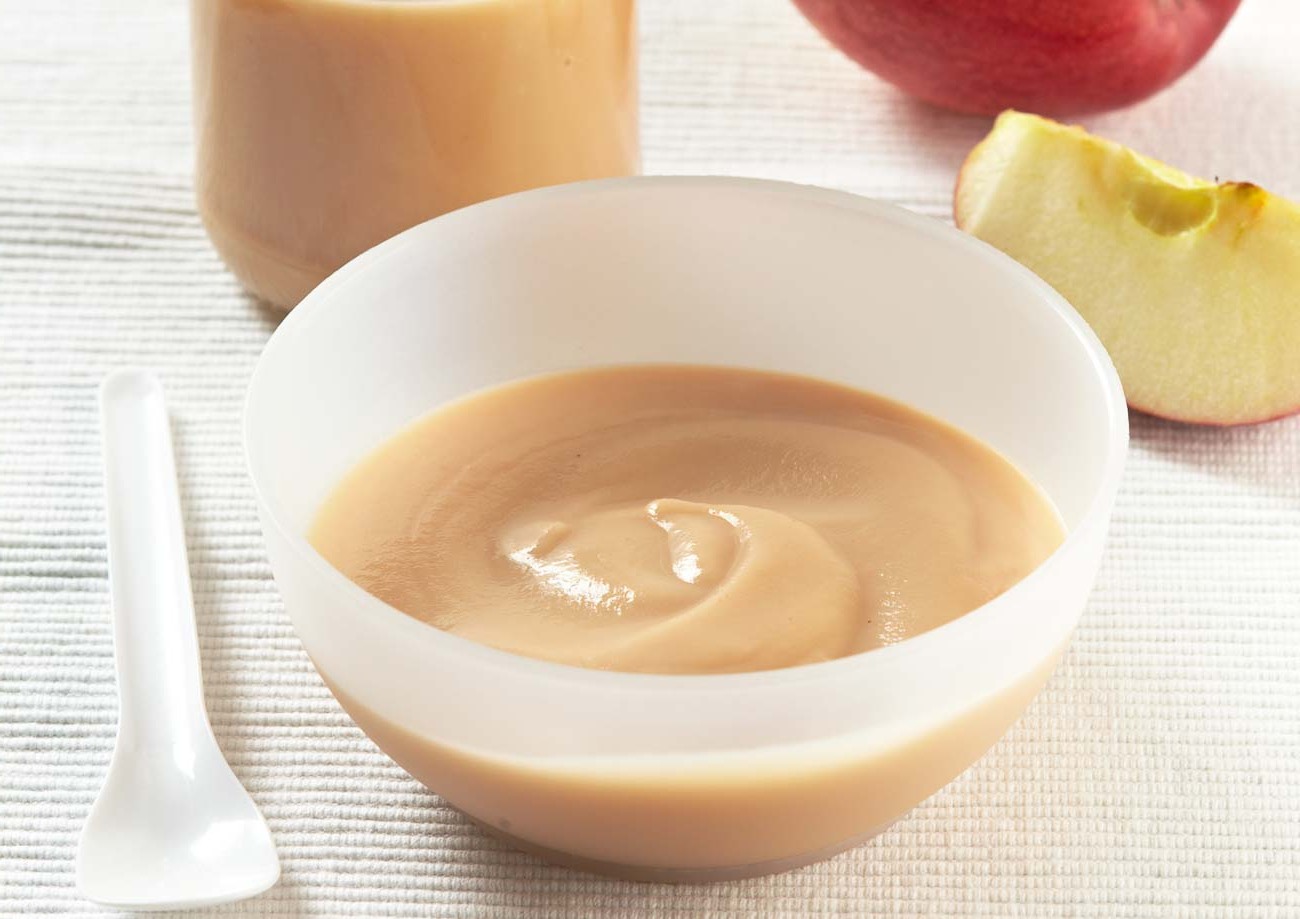
- Apple Baby Food Recipe15 Minutes
- Spinach Artichoke Pizza Recipe35 Minutes
- Oven Fried Pork Chops Recipe45 Minutes
- Indian Shrimp Curry Recipe35 Minutes
- Dirty Martini Recipe5 Minutes
- Flour Tortillas Recipe30 Minutes
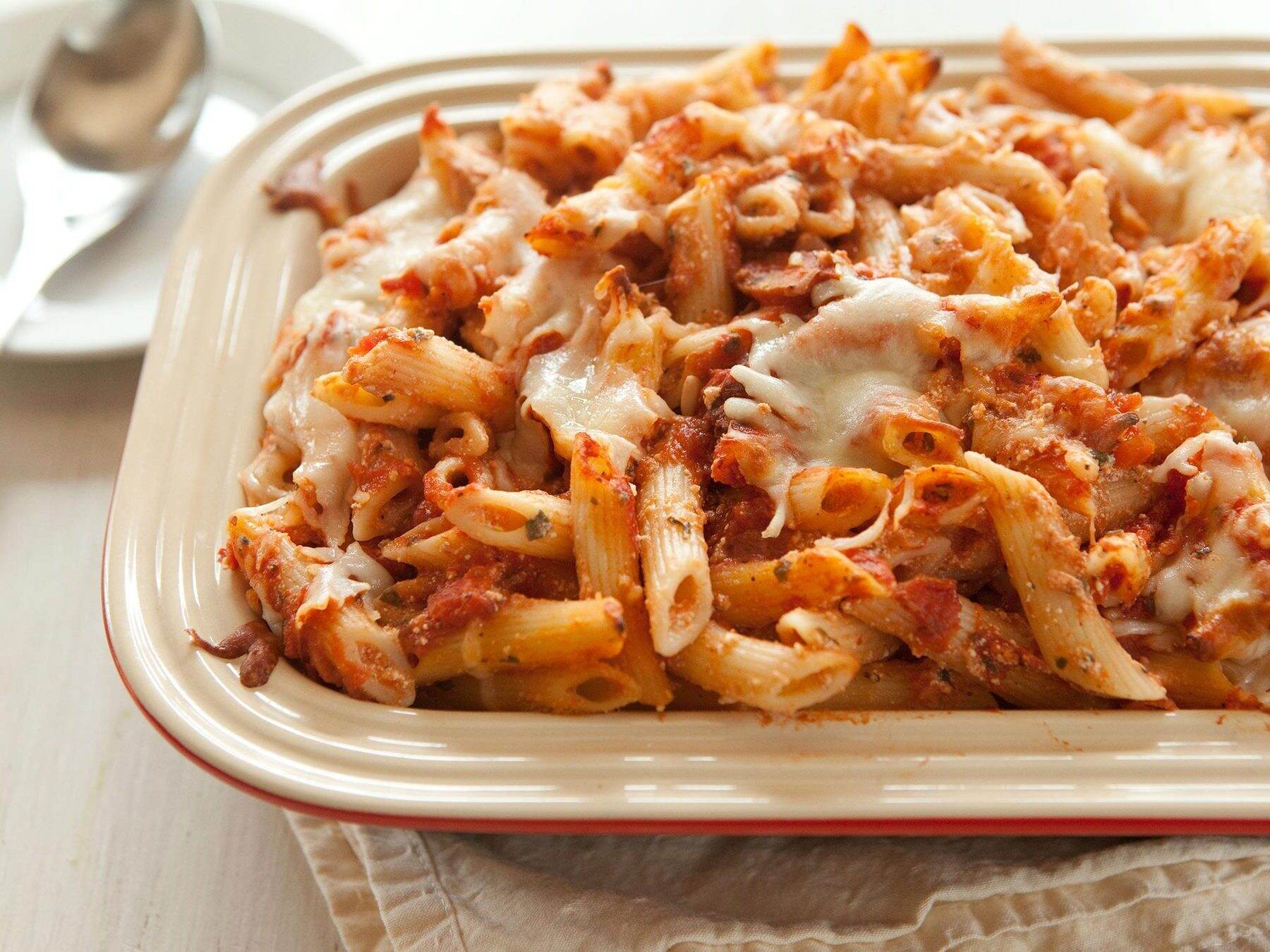
- Baked Penne Recipe45 Minutes
- Greek Lemon Chicken and Potato Bake Recipe1 Hours 15 Minutes










Leave a Reply